Artwork
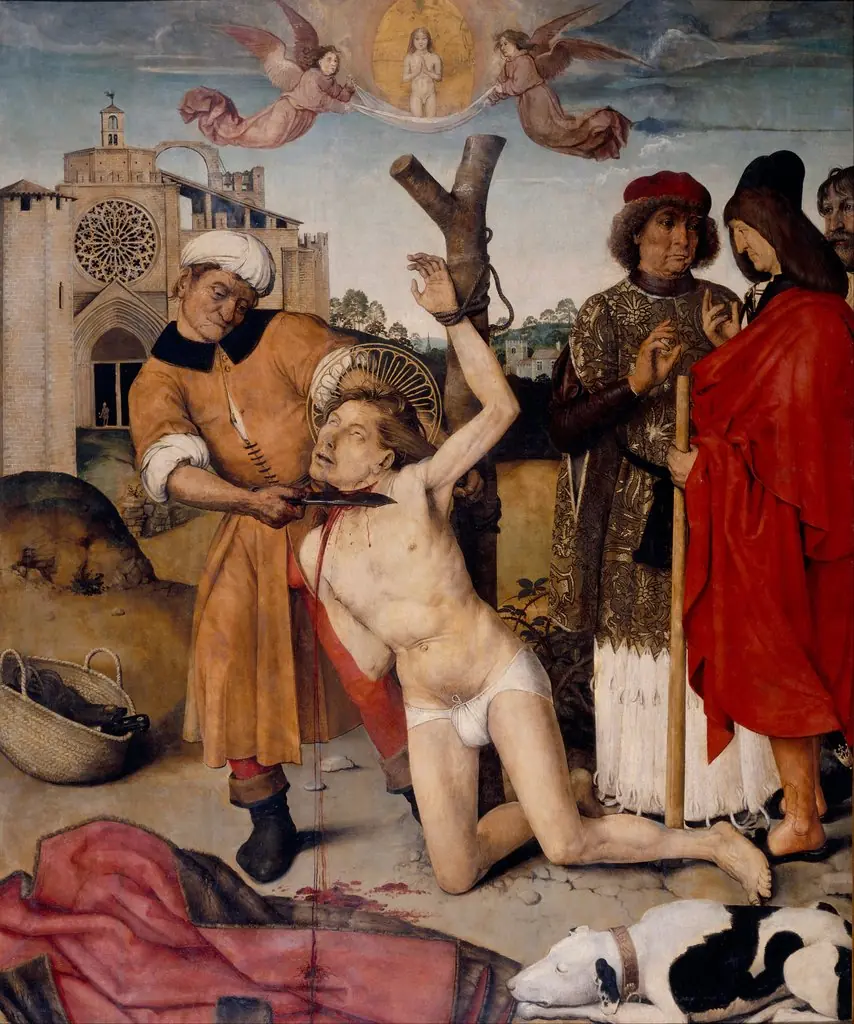
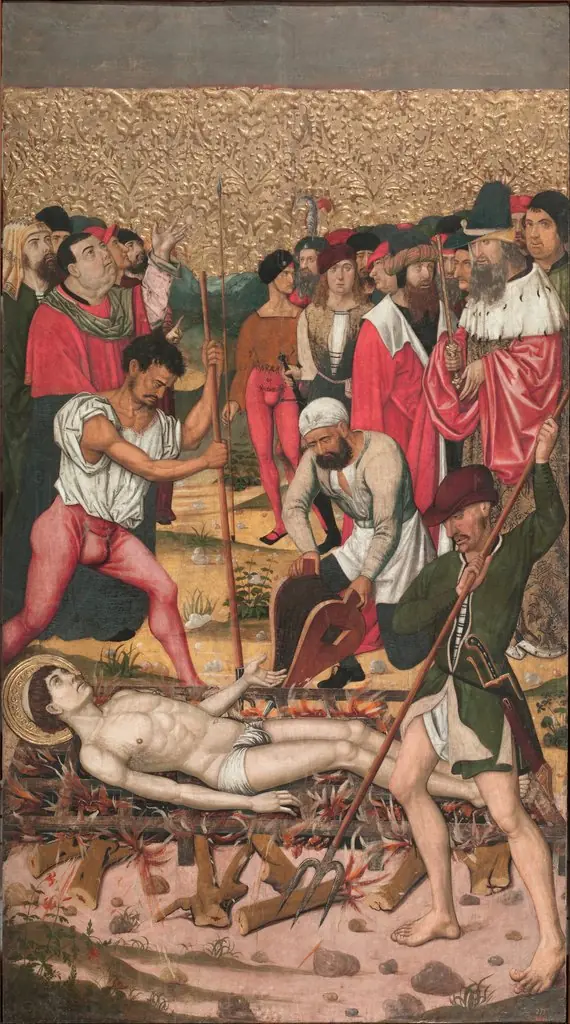
Martyrdom of Saint Hippolyte
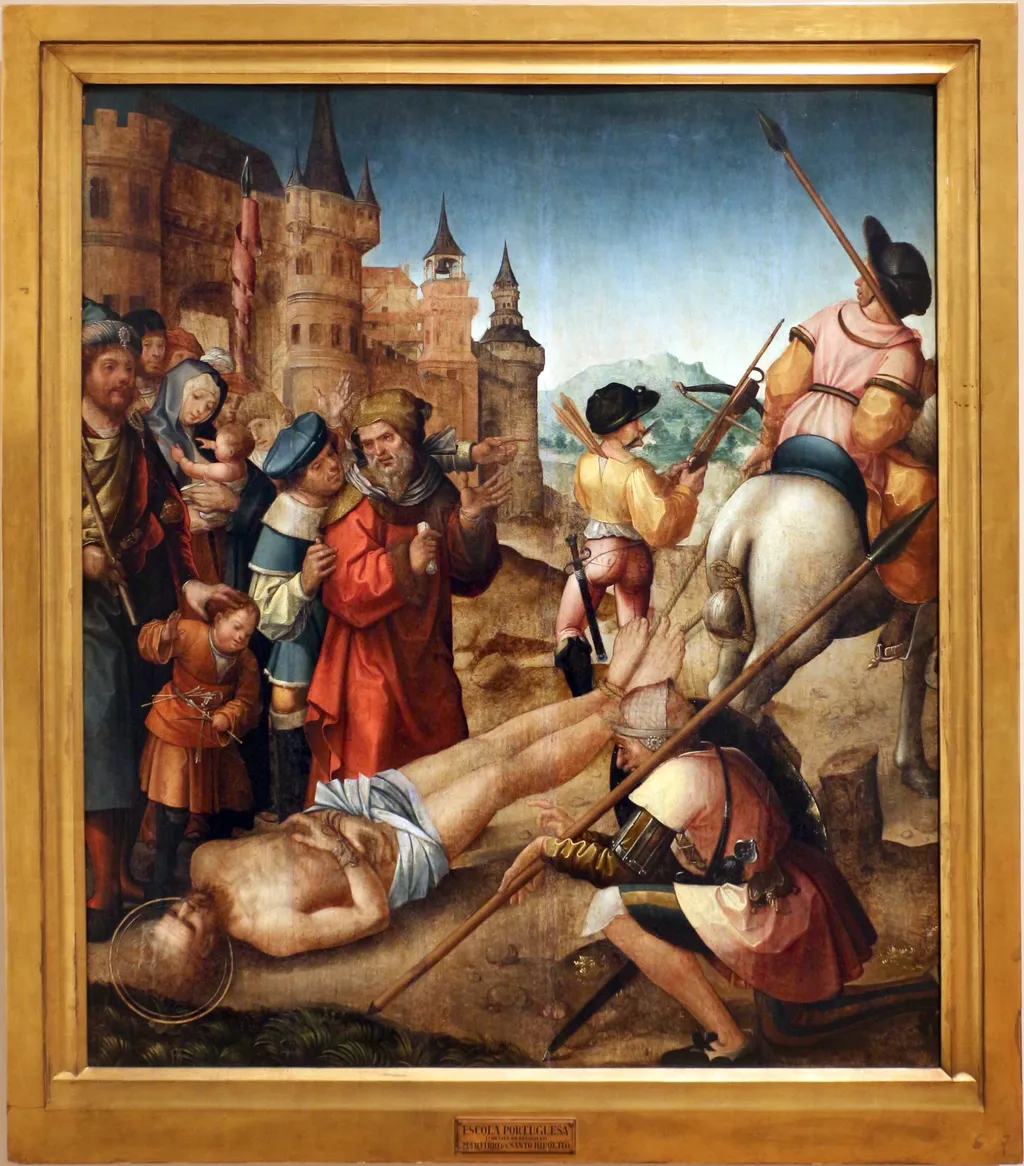
Martyrdom of Saint Hippolyte is an unspecified painting by the Mannerist artist Cristóvão de Figueiredo. It dates from 1525 and is held in the collection of the National Museum of Ancient Art.
About this work
Overview
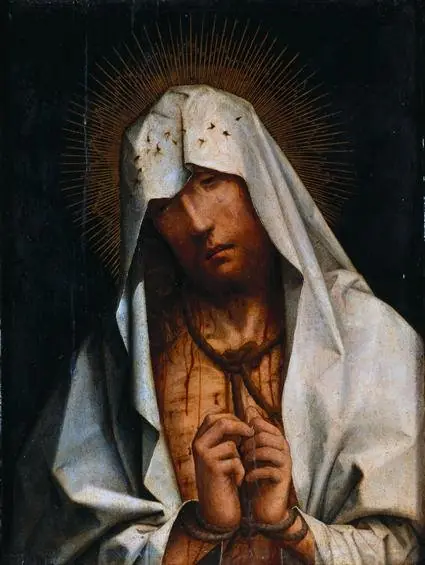
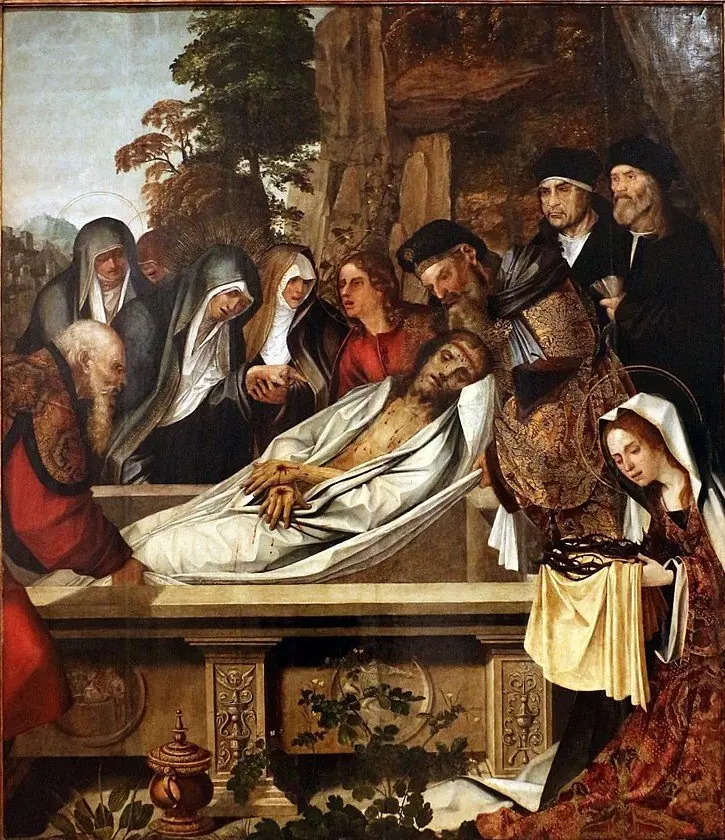
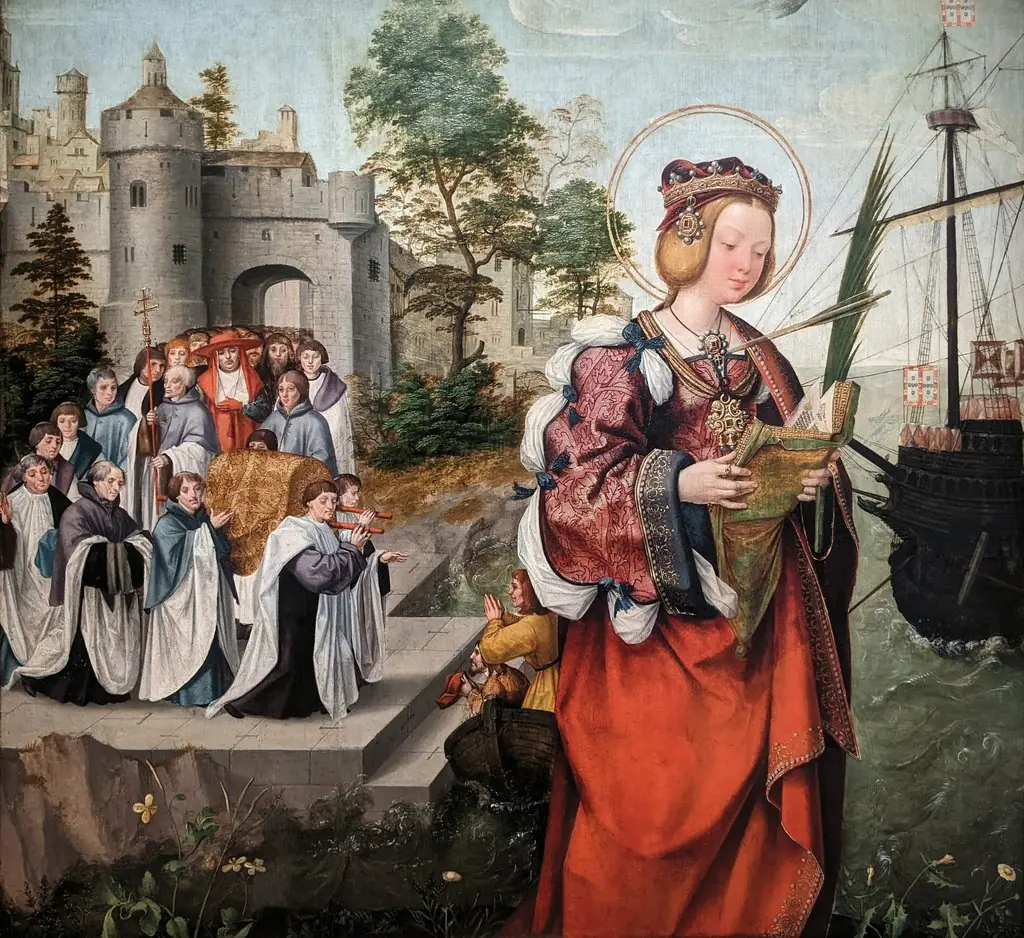
Figueiredo, trained in the workshop of Jorge Afonso, was part of a generation of artists shaping sacred imagery for Lisbon’s churches and monastic institutions.
Painted in 1525 by Cristóvão de Figueiredo, this work is a religious panel depicting the execution of Saint Hippolytus. Created during the Portuguese Renaissance, it reflects the transition from early Renaissance naturalism to the more expressive forms of Mannerism. Figueiredo, trained in the workshop of Jorge Afonso, was part of a generation of artists shaping sacred imagery for Lisbon’s churches and monastic institutions.
Subject & Meaning
The scene illustrates the martyrdom of Saint Hippolytus, a Christian martyr traditionally said to have been dragged to death by wild horses. The painting emphasizes suffering and divine witness, with bystanders reacting to the violence—some in anguish, others in silent observation. The inclusion of a child and a figure in red may symbolize innocence and ecclesiastical authority, reinforcing the sacred narrative through human emotion.
Technique & Style
Figueiredo employs elongated figures and heightened emotional expression characteristic of Mannerism. The composition is tightly packed, with figures arranged to guide the eye toward the central act of violence. Color is used expressively—vivid reds, pinks, and yellows contrast against muted tones—to heighten drama. The landscape background, though simplified, anchors the scene in a recognizable Portuguese setting.
History & Provenance
The painting was likely commissioned for a religious institution in central Portugal, possibly in Coimbra or Lamego, where Figueiredo worked alongside contemporaries like Gregório Lopes. It was part of a larger altarpiece tradition, intended for devotional use. Its survival suggests it remained in ecclesiastical custody, avoiding the dispersal or destruction common to many Portuguese religious works after the 19th-century dissolution of monasteries.
Context
In early 16th-century Portugal, religious art served both spiritual and political functions, reinforcing Catholic orthodoxy amid growing European tensions. Figueiredo’s work aligns with royal and ecclesiastical patronage that favored dramatic, emotionally charged scenes to inspire piety. His style bridges Portuguese traditions with broader Iberian and Italian influences, reflecting Lisbon’s role as a cultural crossroads during the Age of Discovery.
Legacy
Though less widely known than his peers, Figueiredo’s contributions helped define the visual language of Portuguese religious painting in the decades before the Counter-Reformation. His handling of movement and emotion influenced later artists in the region. Surviving works like this one remain key to understanding how local workshops adapted international styles to serve regional devotional needs.
Artist & collection
Artist
Cristóvão de Figueiredo (died c. 1540) was a Portuguese Renaissance painter. Like many other important painters of the time, Cristóvão de Figueiredo was a pupil of Master Jorge Afonso, in Lisbon, in the early 16th…