Artwork
Portrait of Doge Francesco Donà
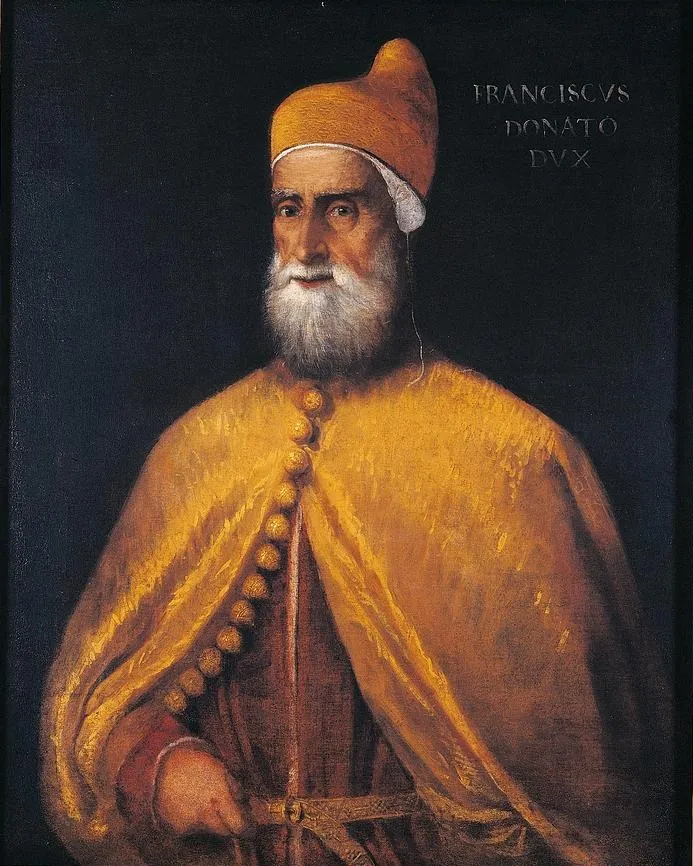
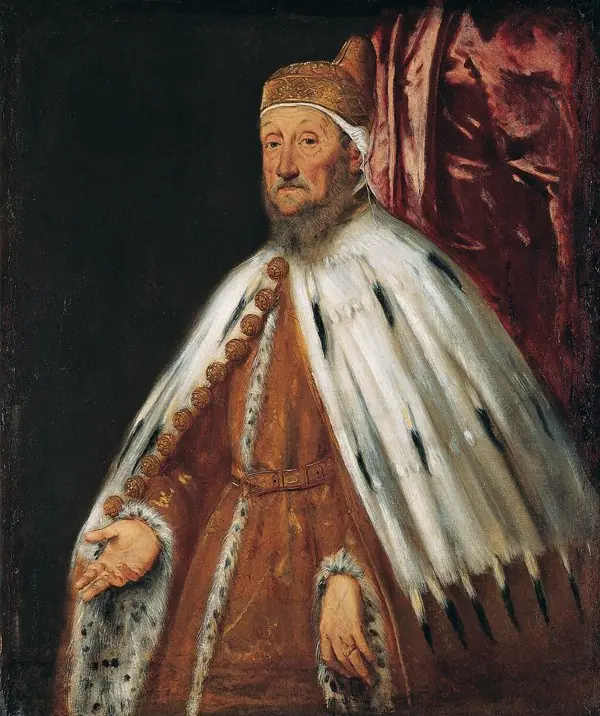
Portrait of Doge Francesco Donà is an oil painting by the Mannerist artist Lambert Sustris. It dates from 1564 and is held in the collection of the Pinacoteca di Brera.
About this work
Overview
Sustris, known in Italy as Alberto de Olanda, brought Northern European precision to Venetian court portraiture after training under Titian.
Painted in 1564 by Lambert Sustris, a Dutch artist active in Venice, this oil portrait depicts Francesco Donà, the 78th Doge of Venice. Sustris, known in Italy as Alberto de Olanda, brought Northern European precision to Venetian court portraiture after training under Titian. The work is now held in the Pinacoteca di Brera in Milan, reflecting its movement from Venice after the Republic’s decline.
Subject & Meaning
Francesco Donà, who served as Doge from 1557 to 1561, is portrayed in full ceremonial regalia, emphasizing his authority and dignity. His golden robe, high collar, and matching hat signify his political rank, while his trimmed white beard conveys age and experience. The direct, unyielding gaze reinforces the gravity of his position, presenting him not as an individual but as the embodiment of Venetian governance.
Technique & Style
Sustris employs oil paint with meticulous attention to texture, particularly in the metallic sheen of the Doge’s garments and the soft gradations of his beard. His use of chiaroscuro, learned from Titian, adds depth and volume, while the elongated proportions and refined detailing reflect Mannerist influences from Parmigianino. The composition is formal and frontal, prioritizing symbolic presence over narrative context.
History & Provenance
Commissioned during or shortly after Donà’s term, the portrait likely adorned a public or private Venetian space. After the fall of the Republic, many such works were relocated or acquired by northern Italian institutions. The painting entered the Pinacoteca di Brera’s collection in the early 19th century, where it remains as part of a broader archive of Venetian Renaissance portraiture.
Context
In mid-16th century Venice, portraiture served political and dynastic functions, reinforcing the legitimacy of elected leaders. Sustris, as a foreign artist integrated into the Venetian workshop system, bridged Northern realism and Italian grandeur. His work reflects the city’s cosmopolitan character, where artistic styles converged under the patronage of the ruling elite.
Legacy
Sustris’s portrait of Donà exemplifies the transition from High Renaissance naturalism to Mannerist stylization in Venetian art. While less celebrated than Titian’s portraits, it preserves the visual language of Venetian governance and the role of foreign artists in shaping its artistic identity. The painting remains a key reference for understanding how political authority was visually constructed in Renaissance Venice.
Artist & collection
Artist
Lambert Sustris (c. 1515/1520 – c. 1584) was a Dutch painter active mainly in Venice. The works Sustris completed in Italy exhibit either a Mannerist style or qualities that may be deemed proto-Baroque. He is also…

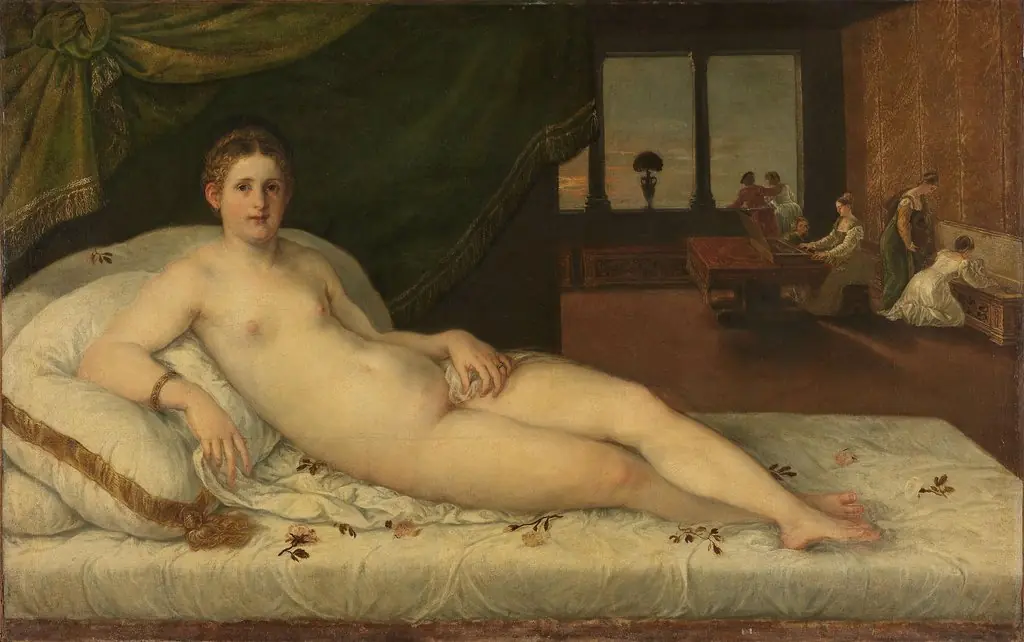 Reclining Venus
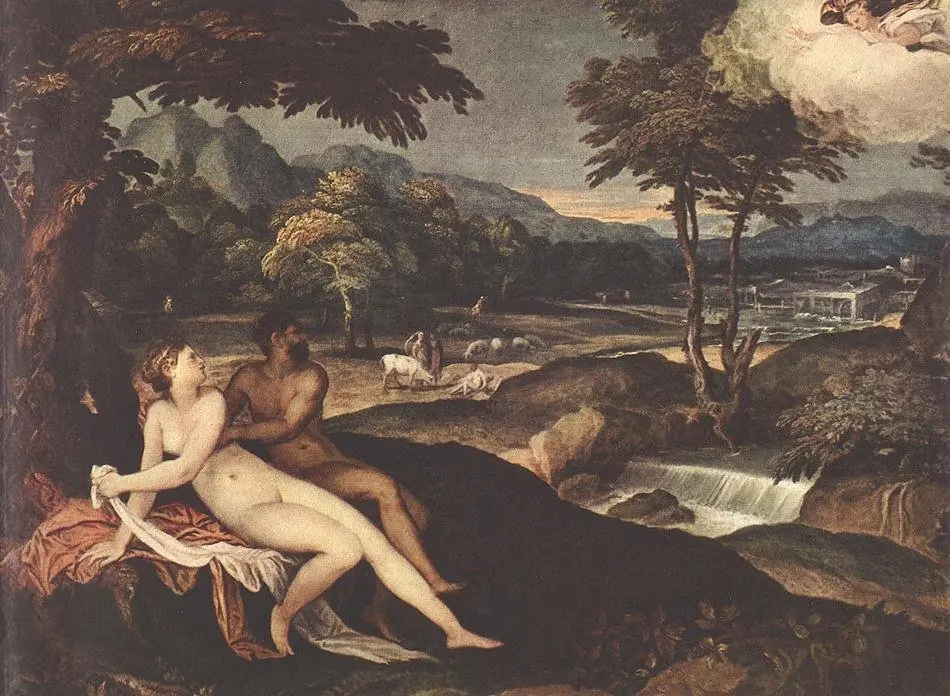 Landscape with Jupiter and Io
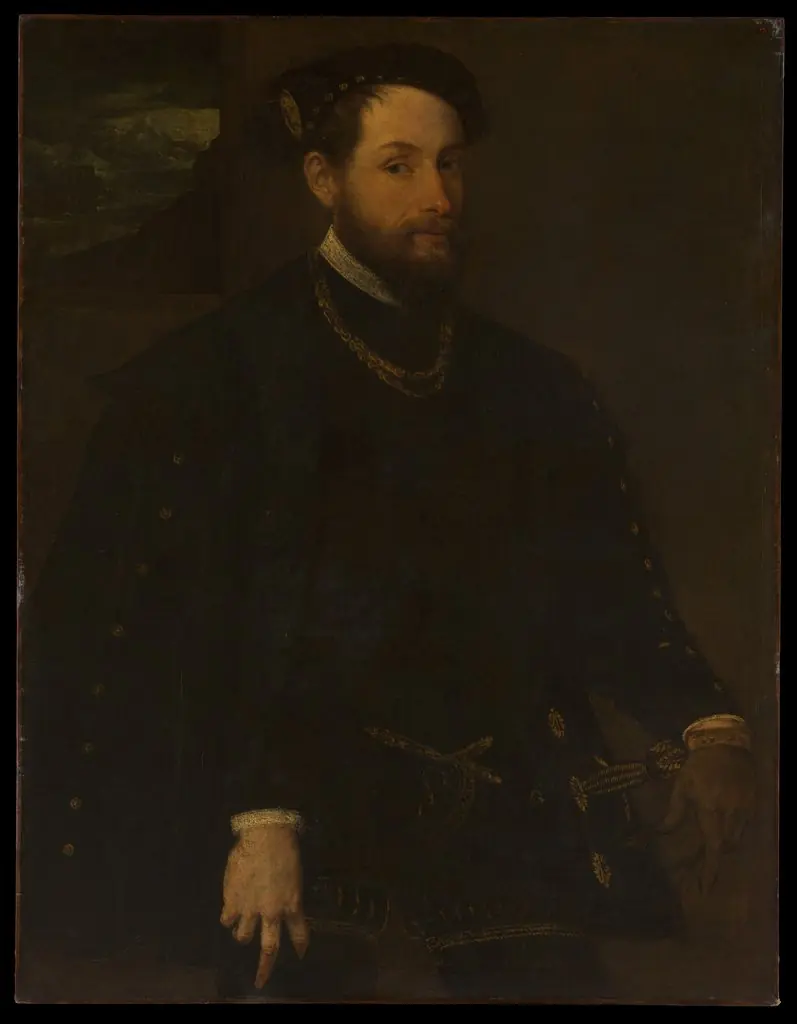 Portrait of a Man
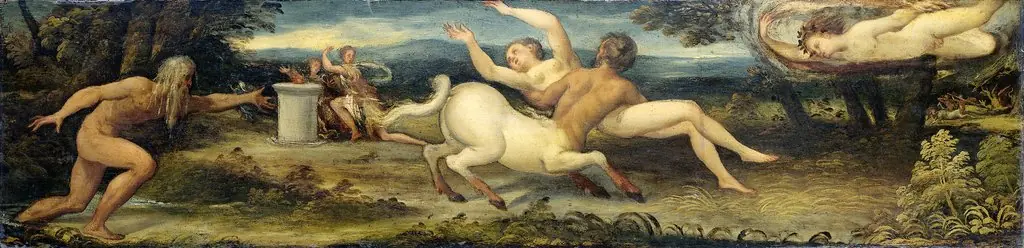 Nessus and Deianira
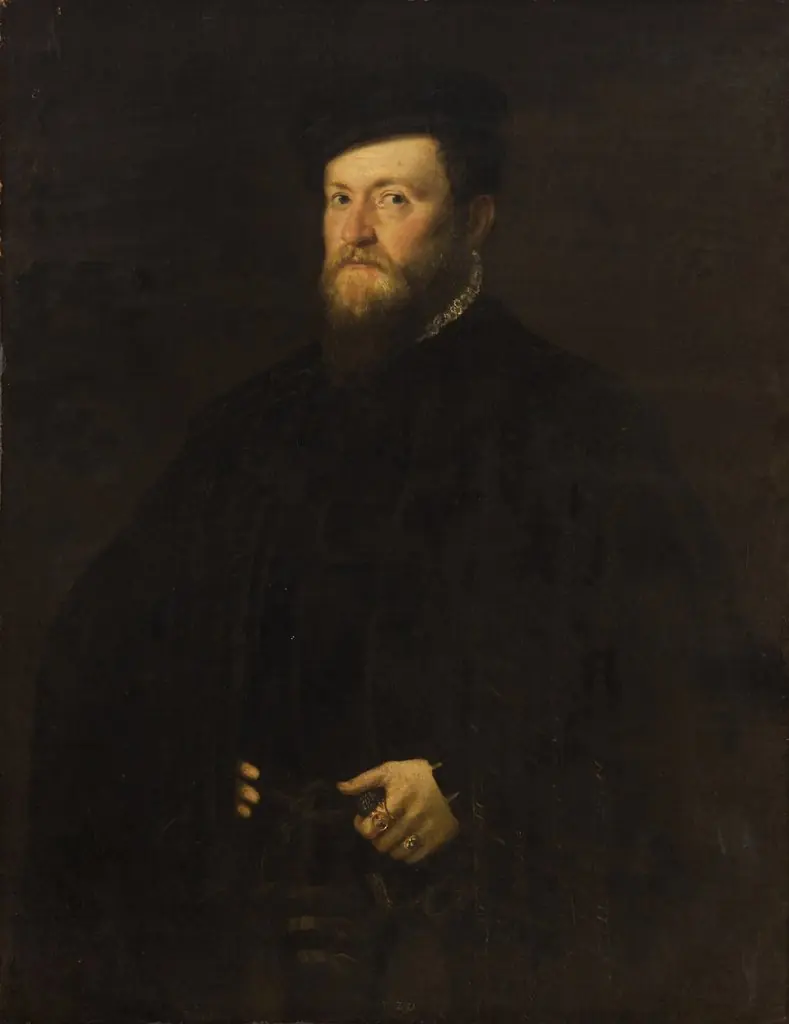 Portrait of a Man in a Cape
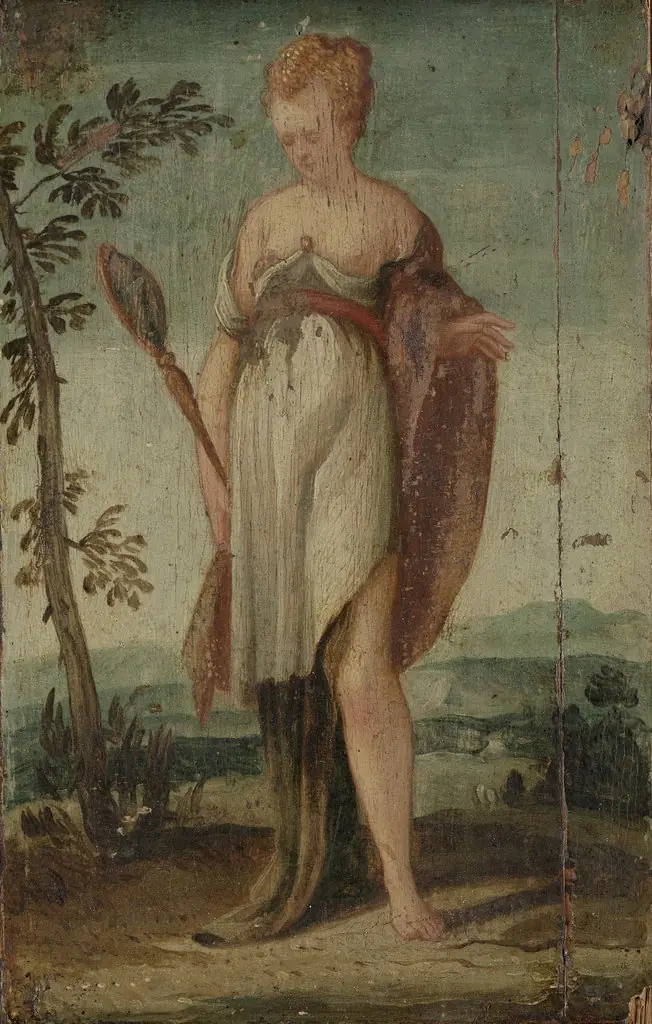 Woman with Mirror
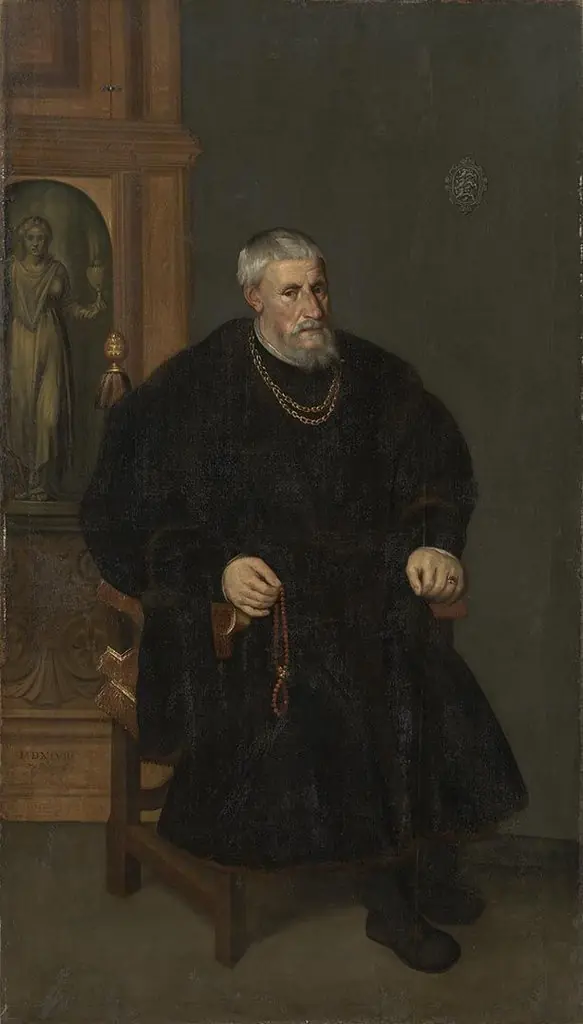 Bildnis des Wilhelm der Ältere, Reichserbtruchsess, Freiherr zu Waldburg, Herr zu Scheer und Trauchburg (1469-1557)
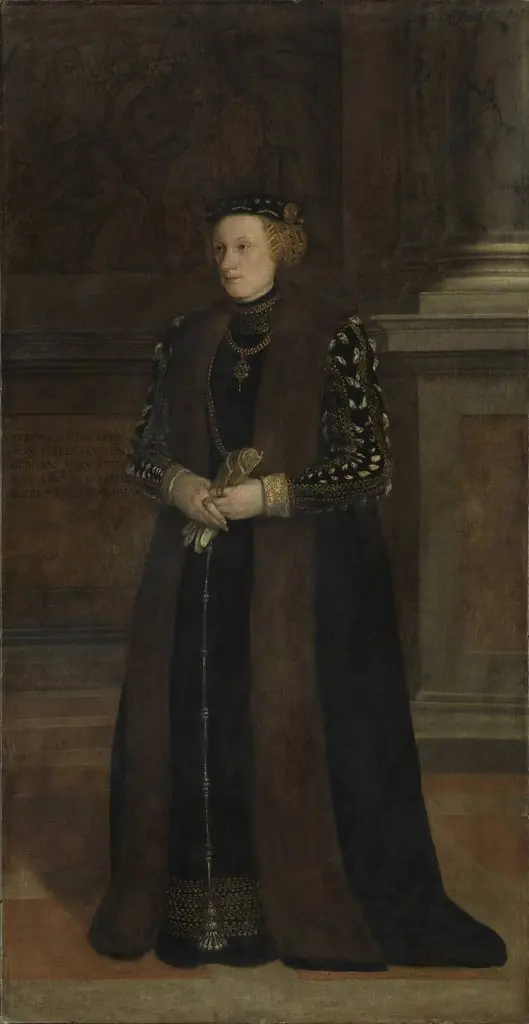 Veronika Vöhlin, geb. von Freyberg zum Eisenberg, Hallenwang und Neidlingen (1523-1582)
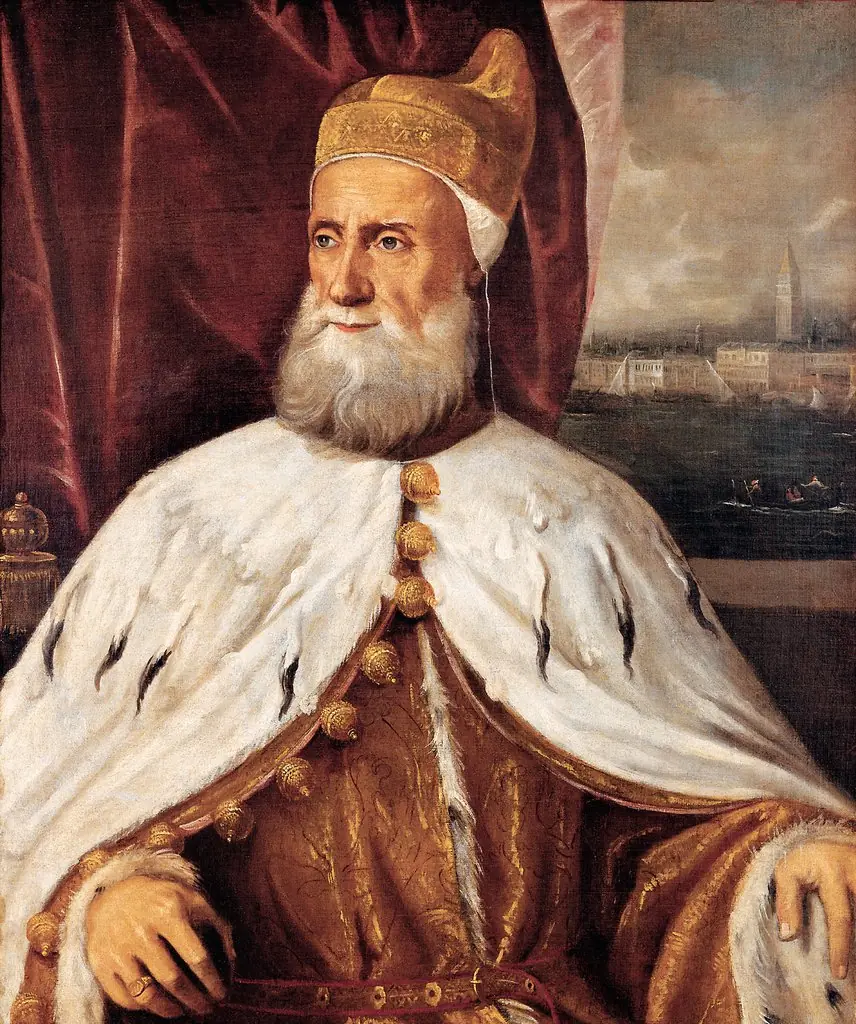 Portrait of Francesco Donato, Doge of Venice
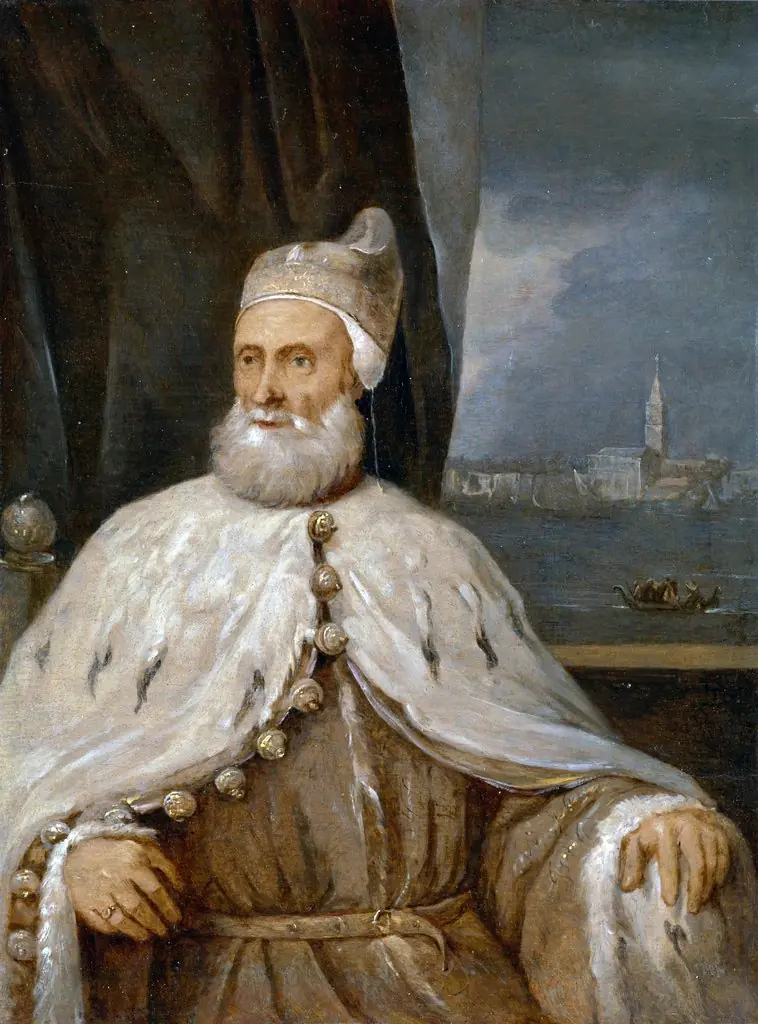 Portrait of Francesco Donato
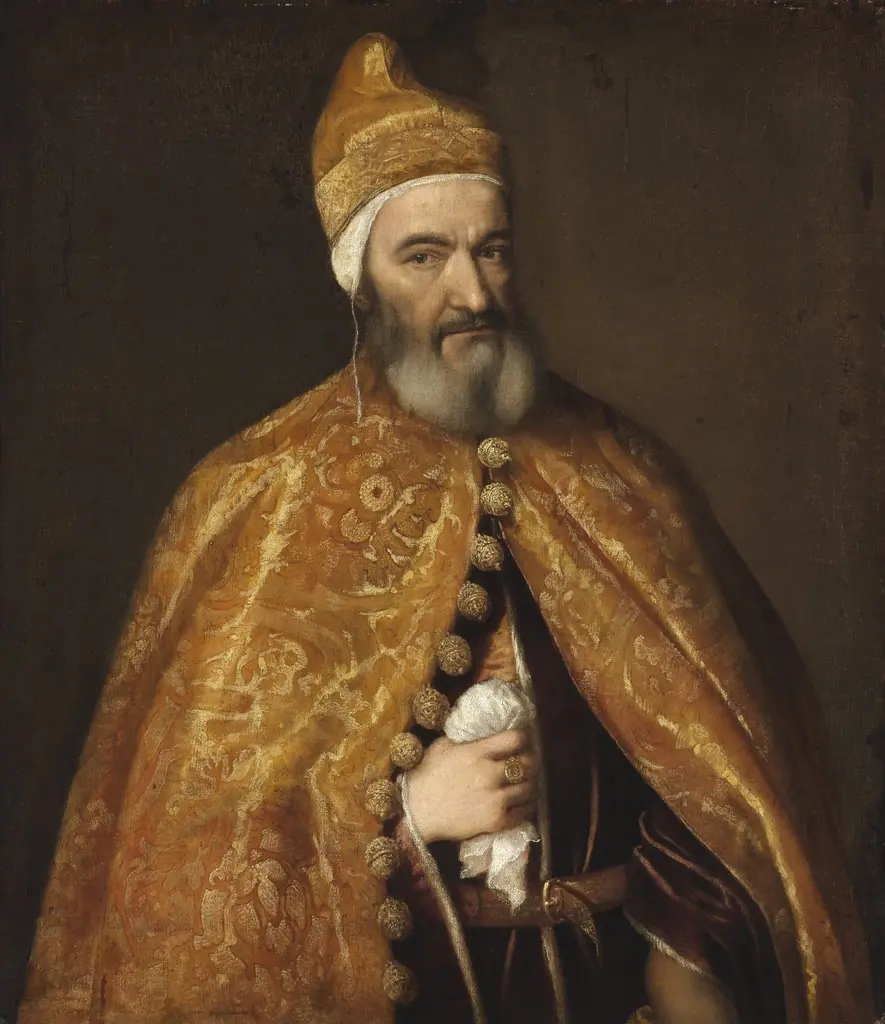 Portrait of Marcantonio Trevisan, Doge of Venice
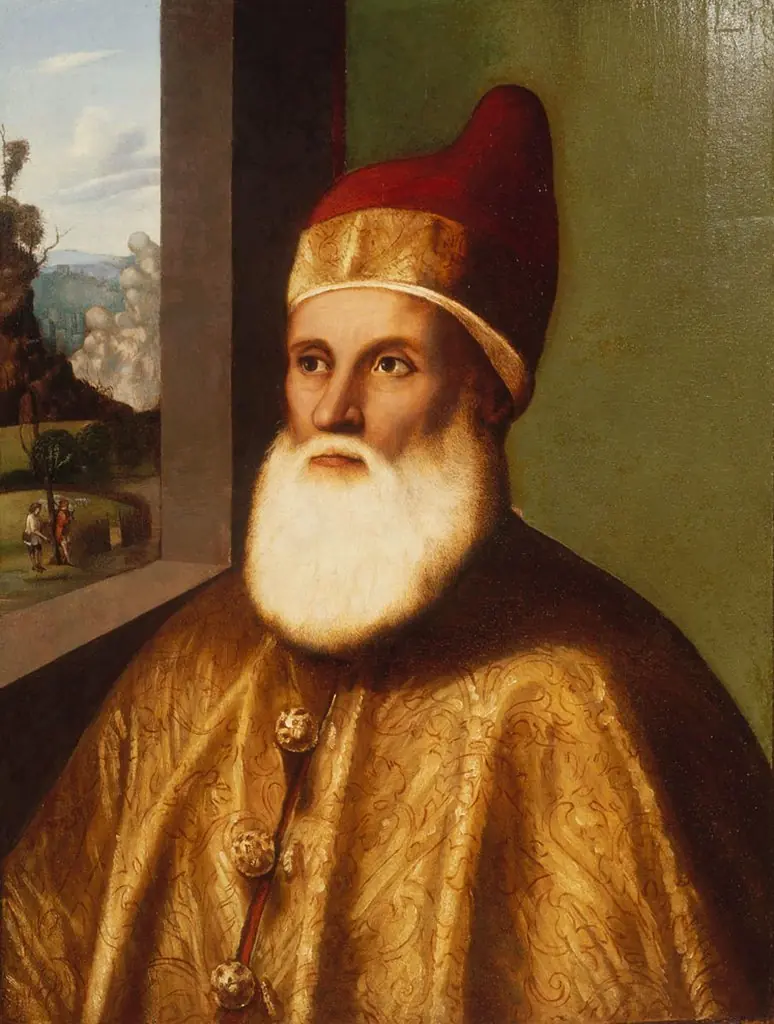 Portrait of Doge Agostino Barbarigo
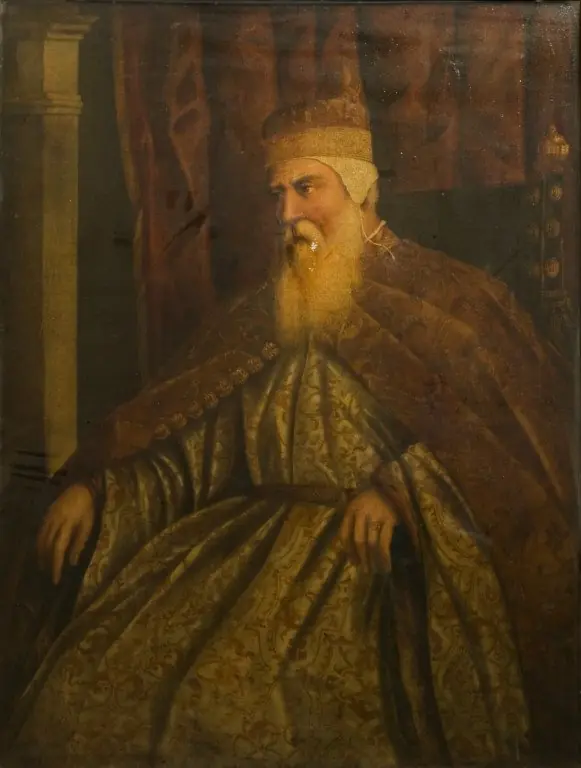 Portrait of Doge Pasquale Cicogna
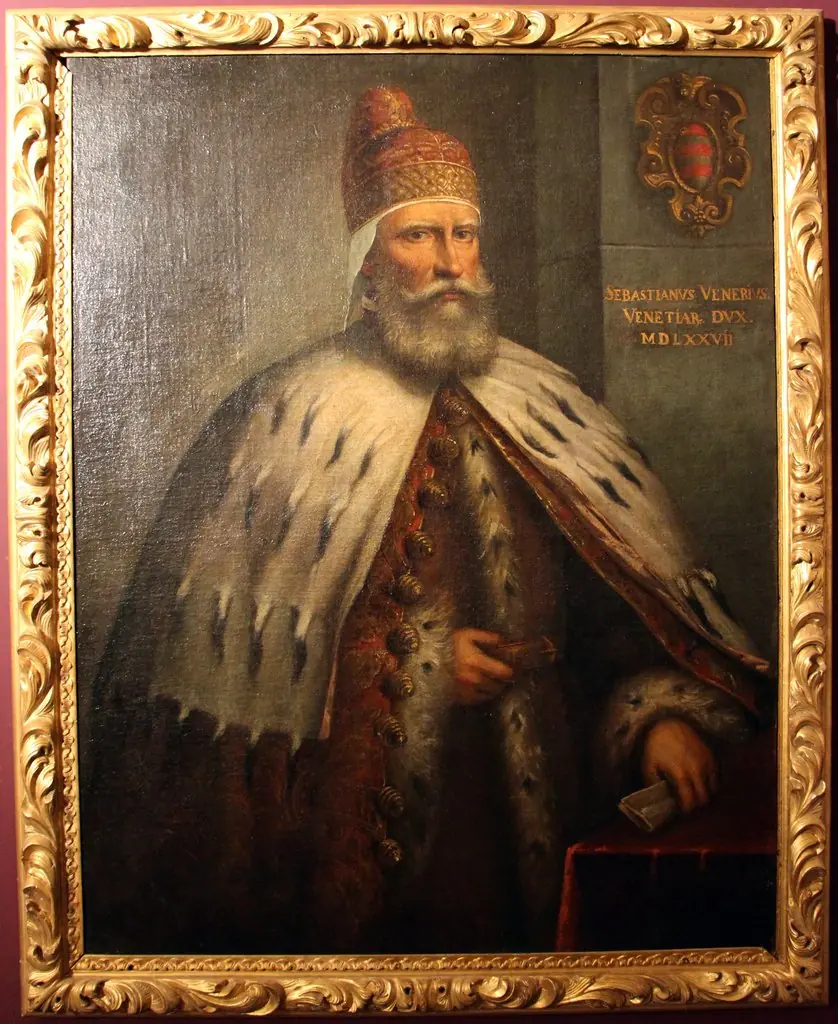 Portrait of Doge Sebastiano Venier
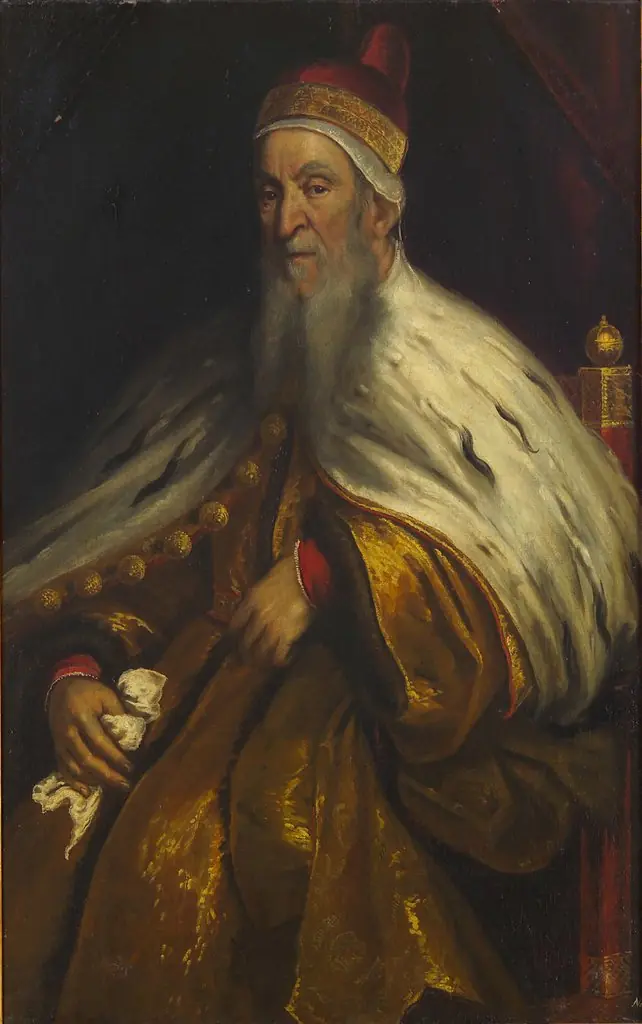 Portrait of Niccolo da Ponte (1491-1585), Doge of Venice
 Portrait of Doge Pietro Loredan
 Portrait of Pasquale Cicogna, Doge of Venice