Artwork
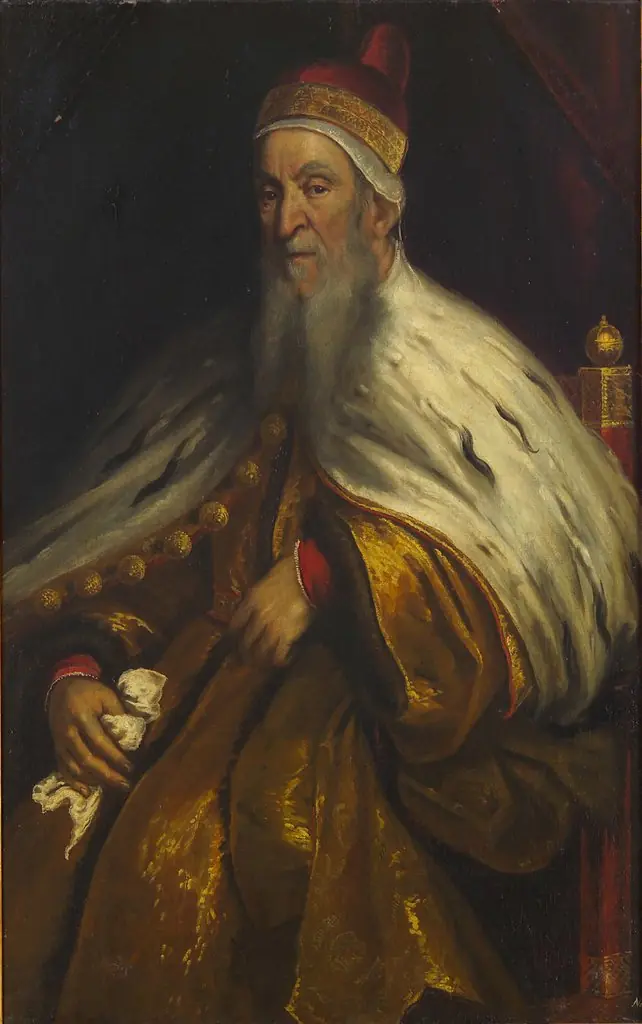
Portrait of Pasquale Cicogna, Doge of Venice
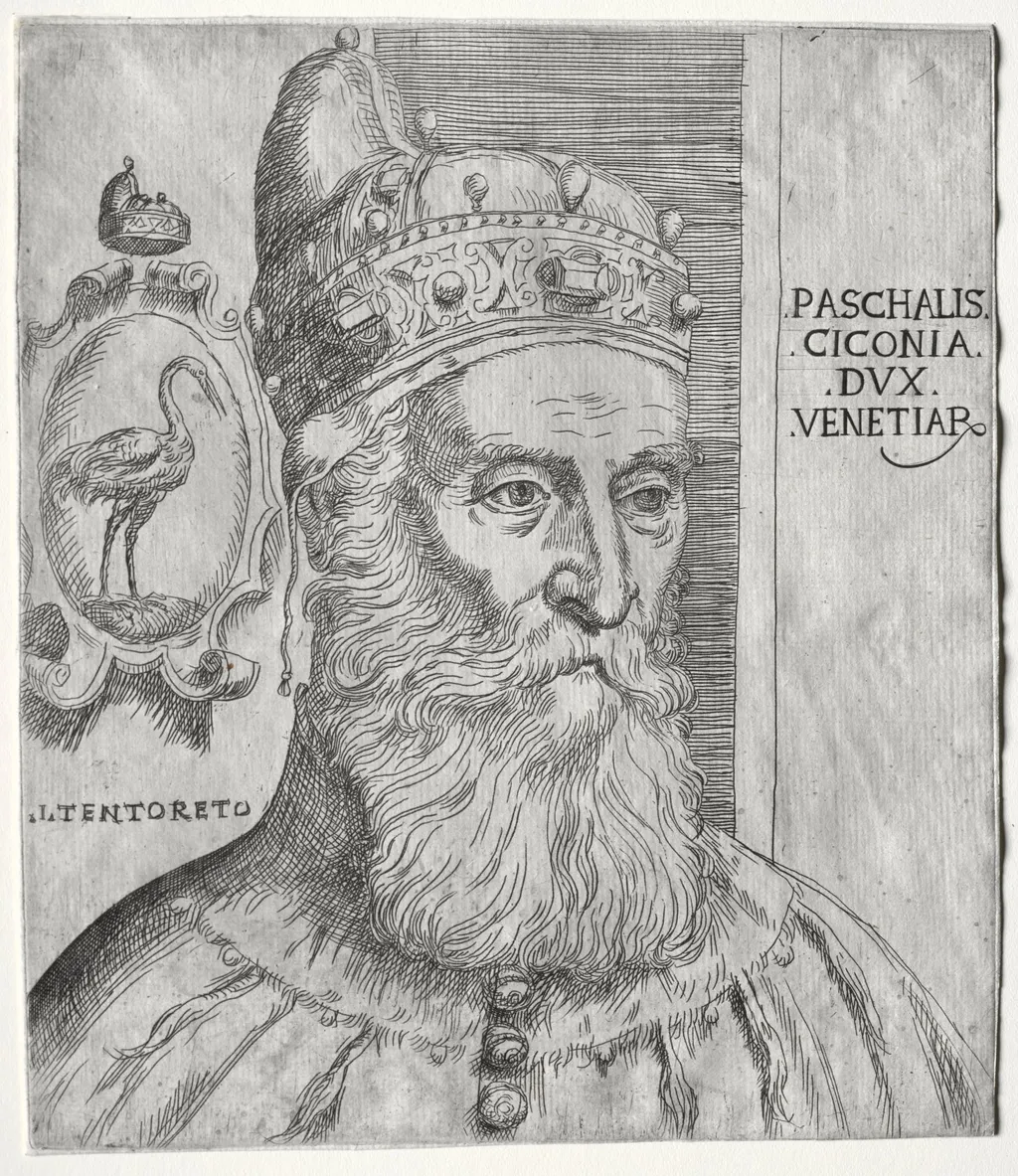
Portrait of Pasquale Cicogna, Doge of Venice is a print by the Renaissance artist Palma il Giovane. It dates from 1592 and is held in the collection of the Cleveland Museum of Art. Painted around 1592, this portrait captures Pasquale Cicogna during his tenure as Doge of Venice, a position he held from 1585 to 1595.
About this work
Overview
The work is attributed to Jacopo Palma il Giovane, a prominent Venetian artist who carried forward the expressive traditions of Tintoretto.
Painted around 1592, this portrait captures Pasquale Cicogna during his tenure as Doge of Venice, a position he held from 1585 to 1595. The work is attributed to Jacopo Palma il Giovane, a prominent Venetian artist who carried forward the expressive traditions of Tintoretto. Executed in oil on canvas, the portrait reflects the ceremonial gravitas expected of Venetian state portraiture in the late Renaissance. It is now part of the collection at the Cleveland Museum of Art.
Subject & Meaning
Pasquale Cicogna is depicted in full ceremonial regalia, emphasizing his role as head of the Venetian Republic. His white beard and dark, fur-trimmed hat convey age and authority, while the scepter in his hand signifies sovereign power. The solemn expression and direct gaze reinforce the dignity of office, avoiding personal flourish in favor of institutional representation. The gold background, typical of state portraits, isolates the figure and elevates his status beyond the mundane.
Technique & Style
Palma il Giovane employed thick, textured brushwork to render the rich fabrics of Cicogna’s robes, creating a tactile sense of weight and luxury. The lighting is sharply focused on the figure’s torso and face, enhancing volume and contrast against the flat gold field. His handling of light and texture owes much to Tintoretto’s dramatic chiaroscuro, though with a more restrained, formal tone suited to official portraiture. The composition avoids narrative detail, prioritizing presence over context.
History & Provenance
The painting was likely commissioned during Cicogna’s dogeship as part of a series documenting Venetian leaders. It remained in Venice for centuries, possibly in public or aristocratic collections, before entering the Cleveland Museum of Art’s holdings in the 20th century. Its preservation reflects its continued recognition as a representative example of late 16th-century Venetian state portraiture, though its specific provenance prior to modern acquisition remains partially undocumented.
Context
In late 16th-century Venice, portraiture of the Doge served political and symbolic functions, reinforcing the stability and continuity of the Republic. Artists like Palma il Giovane operated within established conventions, balancing individual likeness with institutional iconography. The period saw a shift from Mannerist complexity toward greater naturalism, yet ceremonial formality remained dominant in official images. This portrait aligns with other state commissions produced under the Council of Ten’s oversight.
Legacy
Palma il Giovane’s portrait of Cicogna exemplifies the transition in Venetian painting after Tintoretto’s death, preserving his dynamic lighting while adopting a more controlled, dignified approach. The work contributes to a broader corpus of Dogal portraits that document the visual language of Venetian governance. Its inclusion in a major American museum underscores its role as a key reference for understanding the intersection of power, art, and identity in Renaissance Venice.
Artist & collection
Artist
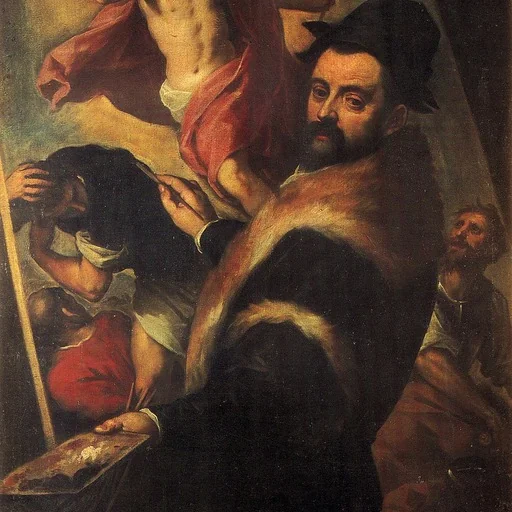
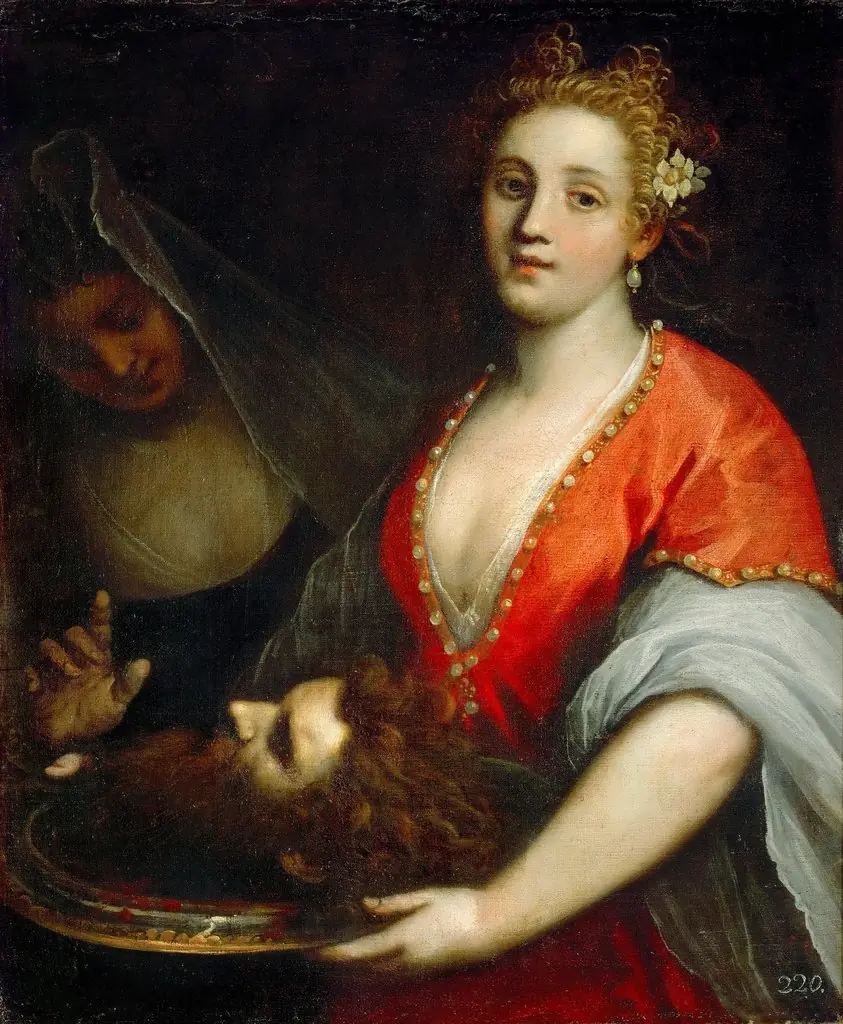
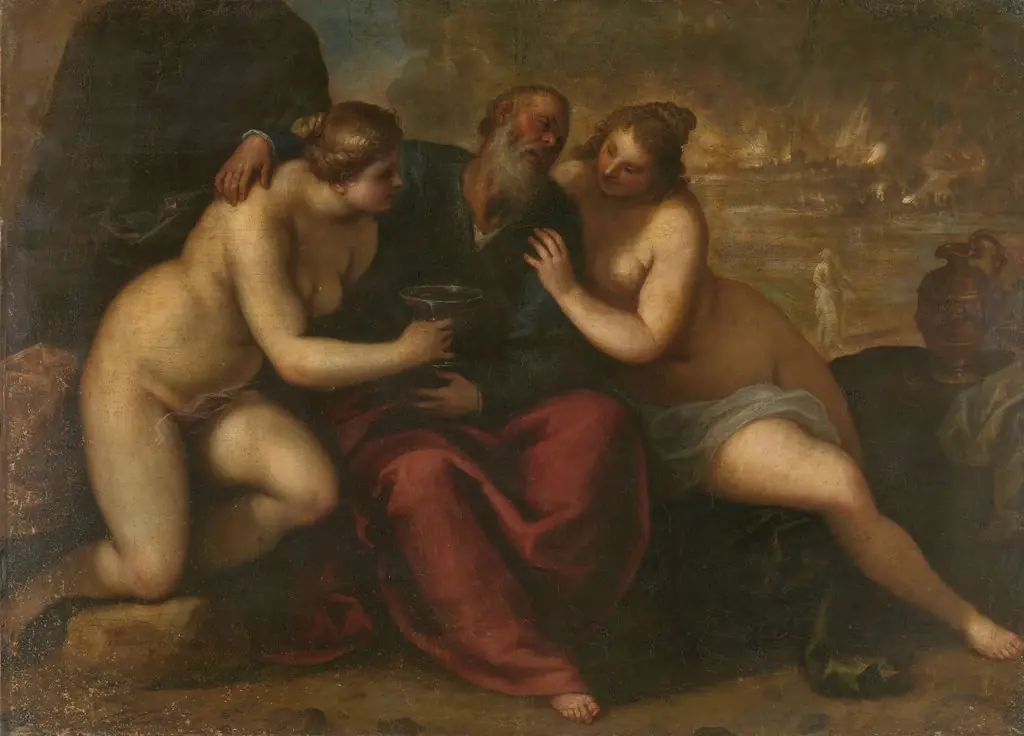
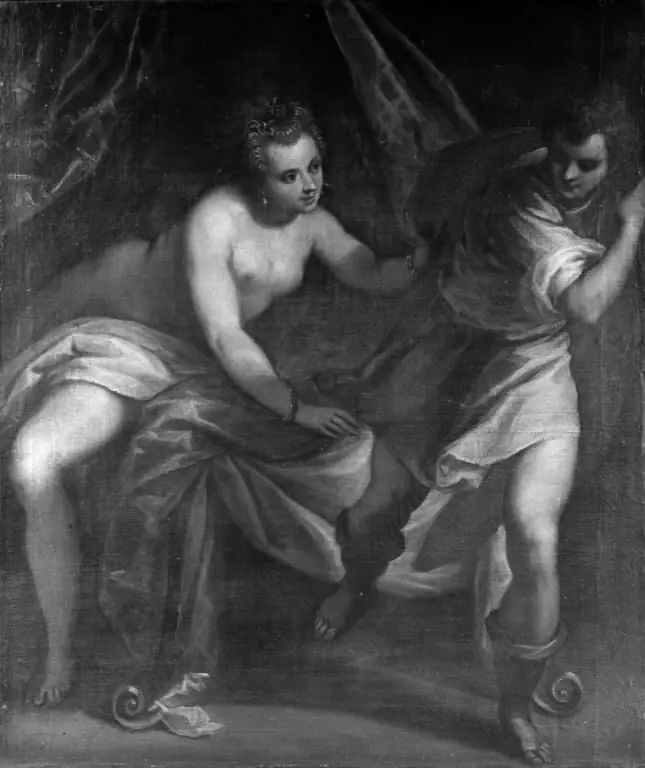
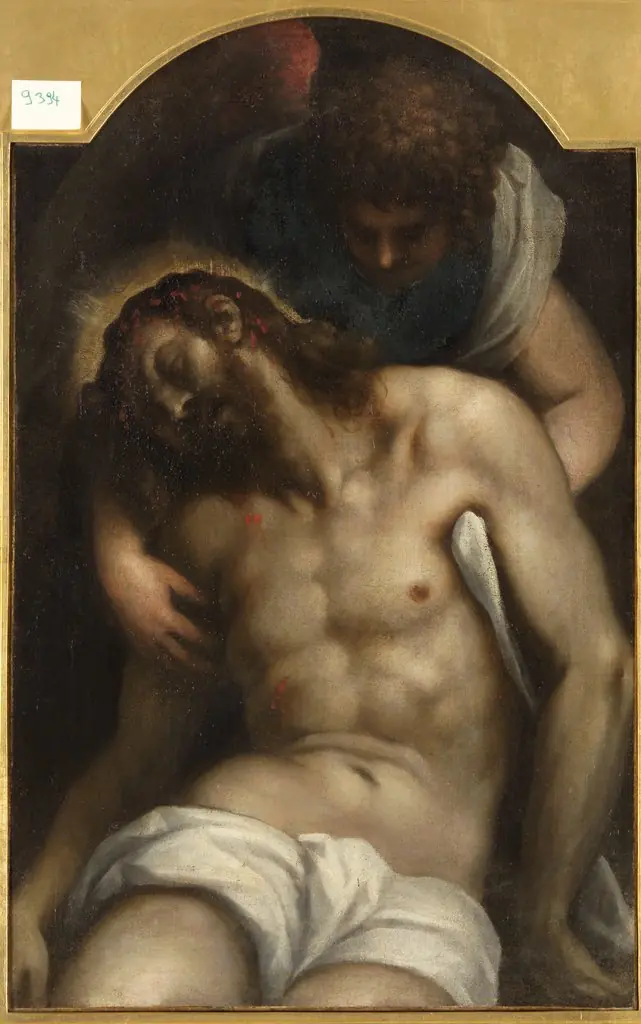
Iacopo Negretti (1548/50 – 14 October 1628), best known as Jacopo or Giacomo Palma il Giovane or simply Palma Giovane ('Young Palma'), was an Italian painter from Venice and a notable exponent of the Venetian school.

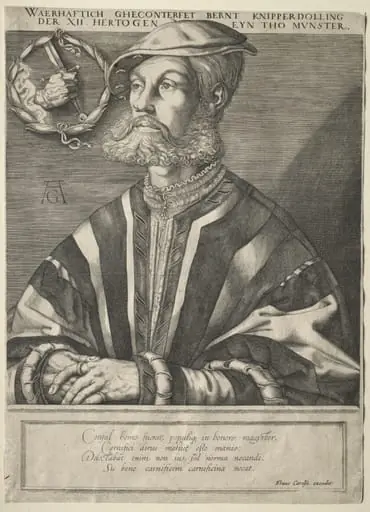 Portrait of Bernard Knipperdolling
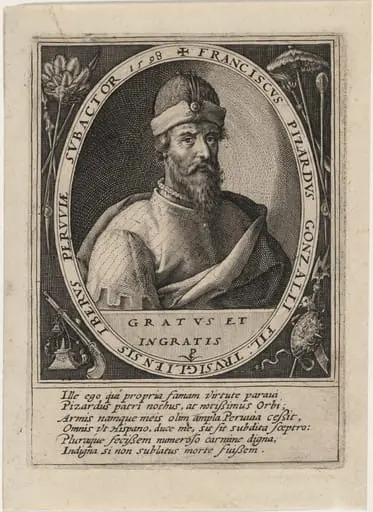 Francisco Pizarro
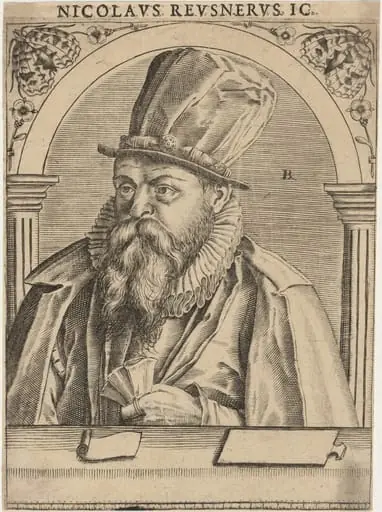 Nicolas Reusner
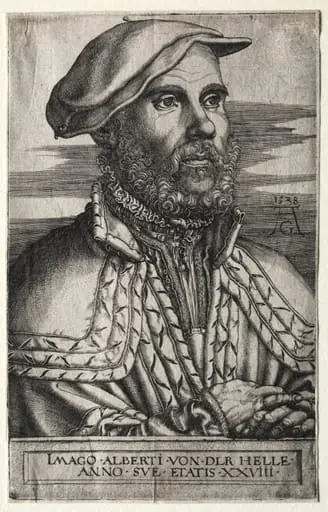 Albert van der Helle
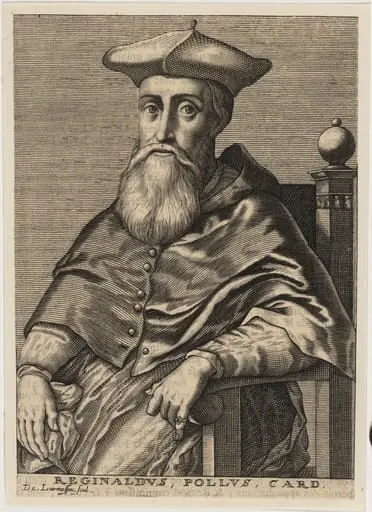 Cardinal Reginald Pole, Archbishop of Canterbury
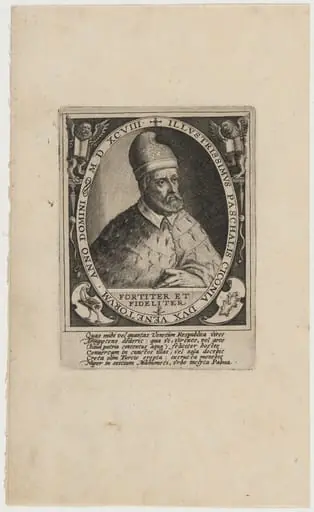 Ciconia (Paschalis)
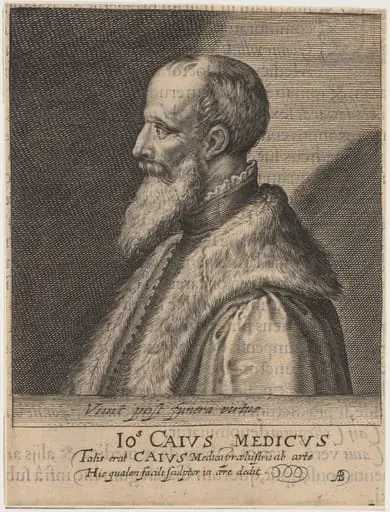 John Caius, Co-Founder of Gonville and Caius College, Cambridge
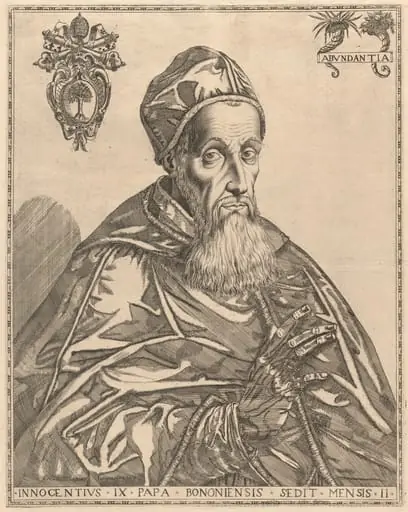 Portrait of Pope Innocent IX
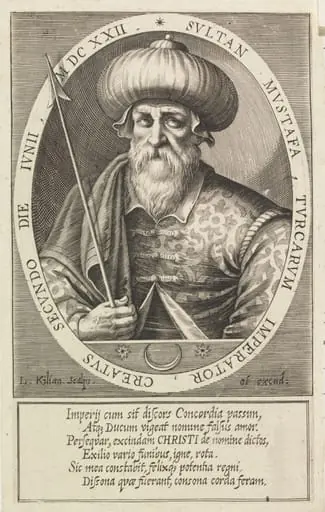 Turkish sultans, sultanas and other historical figures
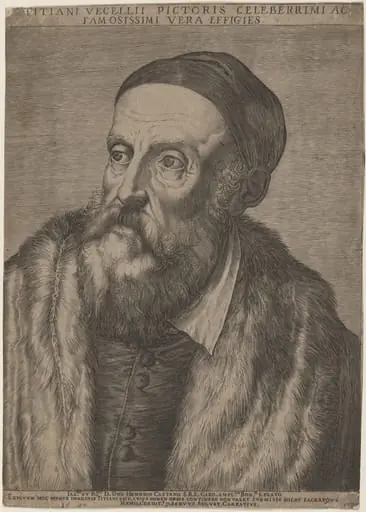 Titian