Artwork
The death of Marcus Licinius Crassus
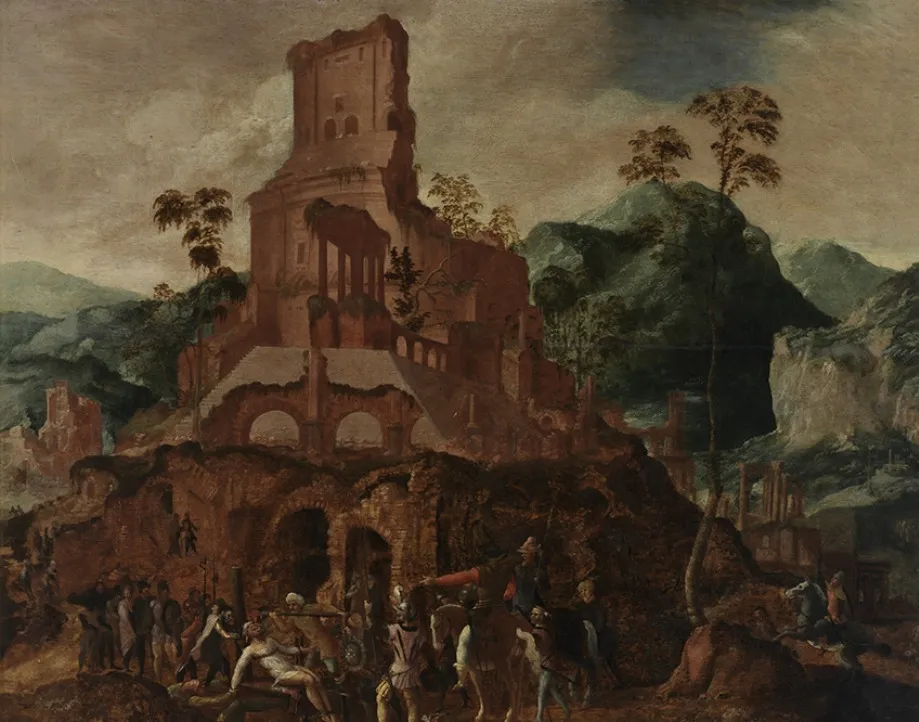
The death of Marcus Licinius Crassus is an oil painting by Lancelot Blondeel. It dates from 1548 and is held in the collection of the Groeningemuseum.
About this work
Overview
Created in 1548 by the Bruges‑based Flemish artist Lancelot Blondeel, this oil painting portrays the fatal moment of the Roman commander Marcus Licinius Crassus. The work is part of the Groeningemuseum’s collection and presents a dramatic landscape of crumbling stone, a rocky cliff, and a gathering of figures surrounding the fallen leader.
Subject & Meaning
The central figure, a pallid man presumed to be Crassus, lies amid the ruins while a horse stands nearby and onlookers in dark attire cluster around him, some gesturing or arguing. The composition suggests the violent end of the wealthy general during his Parthian campaign, emphasizing the fragility of power against the starkness of death.
Technique & Style
Blondeel employs a strong chiaroscuro scheme, contrasting deep shadows with illuminated forms to heighten the sense of tension. The rendering of the broken arches and weathered stone is achieved through meticulous brushwork, while the figures are modeled with a subdued palette that reinforces the somber atmosphere of the scene.
History & Provenance
The painting has remained in the Netherlands since its creation, eventually entering the Groeningemuseum’s holdings, where it is displayed among other works by Flemish masters. Its attribution to Blondeel is supported by stylistic analysis and archival records linking the artist to commissions in mid‑16th‑century Bruges.
Context
Blondeel, known not only as a painter but also as an architect and city planner, often incorporated architectural elements into his compositions. In this work, the ruined tower and broken arches reflect his familiarity with structural design, while the historical subject aligns with the period’s interest in classical antiquity and moralizing narratives.
Artist & collection
Artist
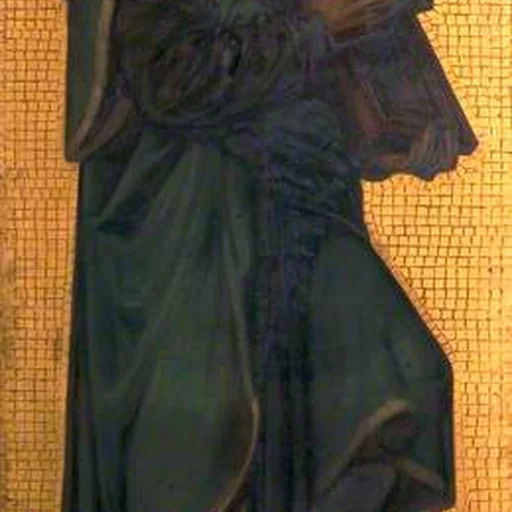
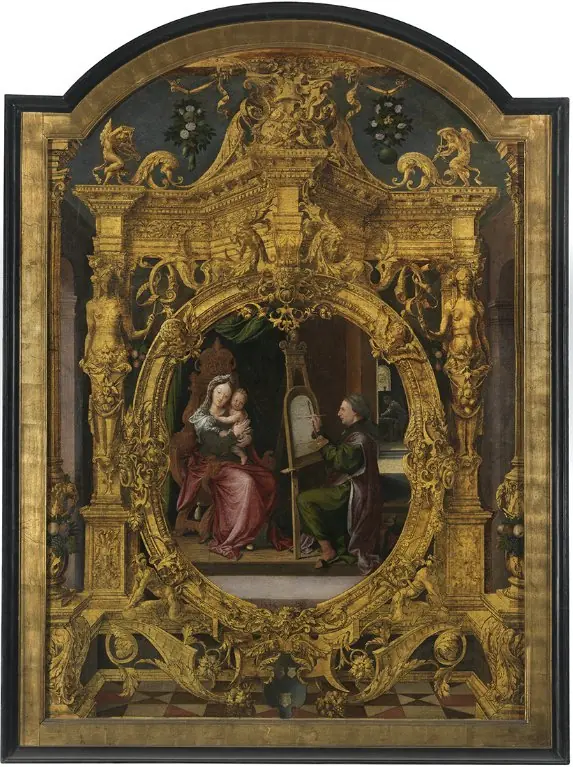
Lancelot Blondeel, also Lanceloot (1498 – 4 March 1561), was a Flemish artist active in Bruges. He worked as a painter, architect, city planner, surveyor and cartographer, and designed sculptures, tapestries and jewelry.

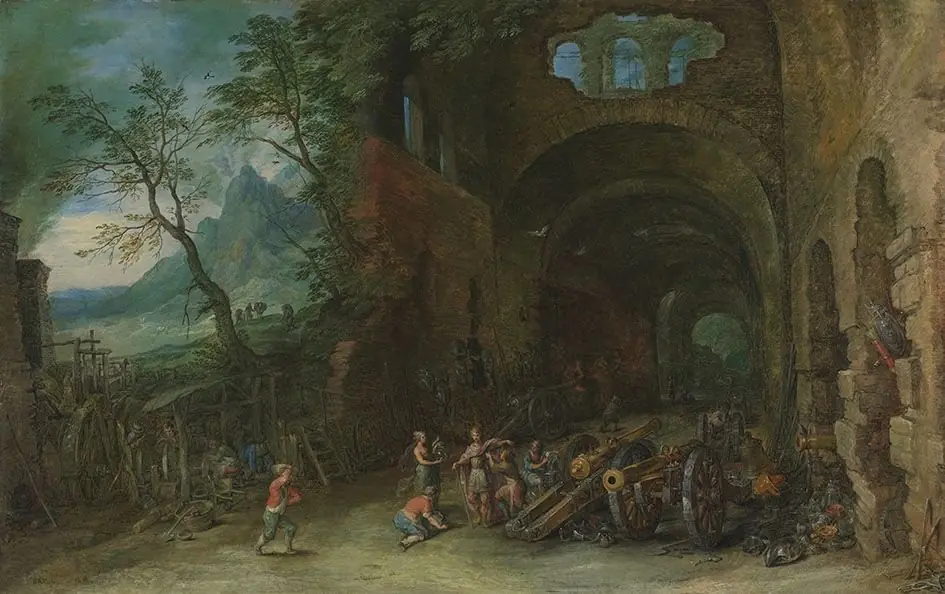 Venus and Mars at the forge of Vulcanus
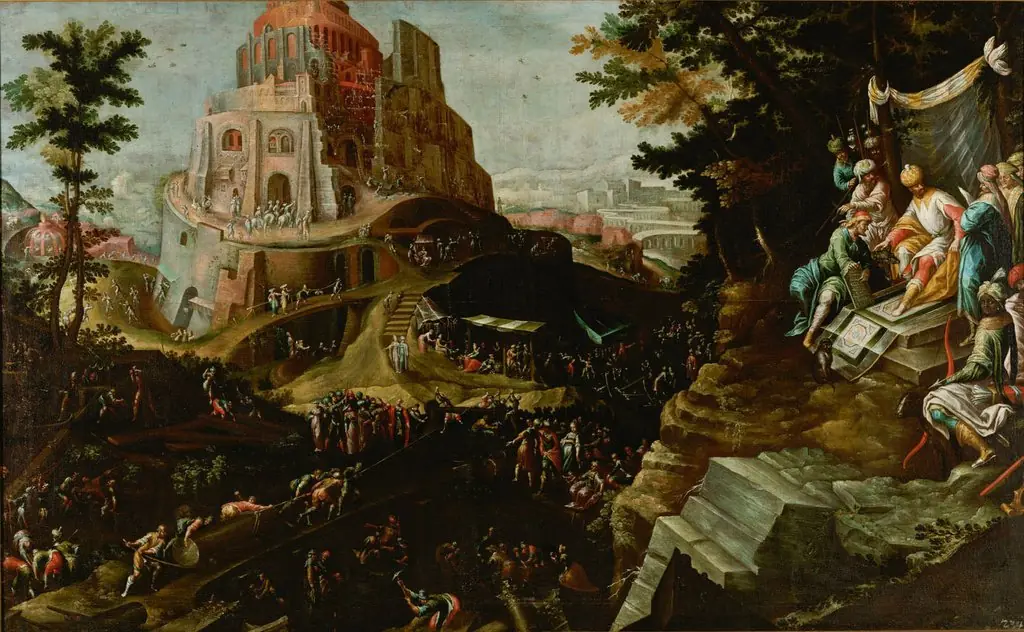 The Construction of the Tower of Babel
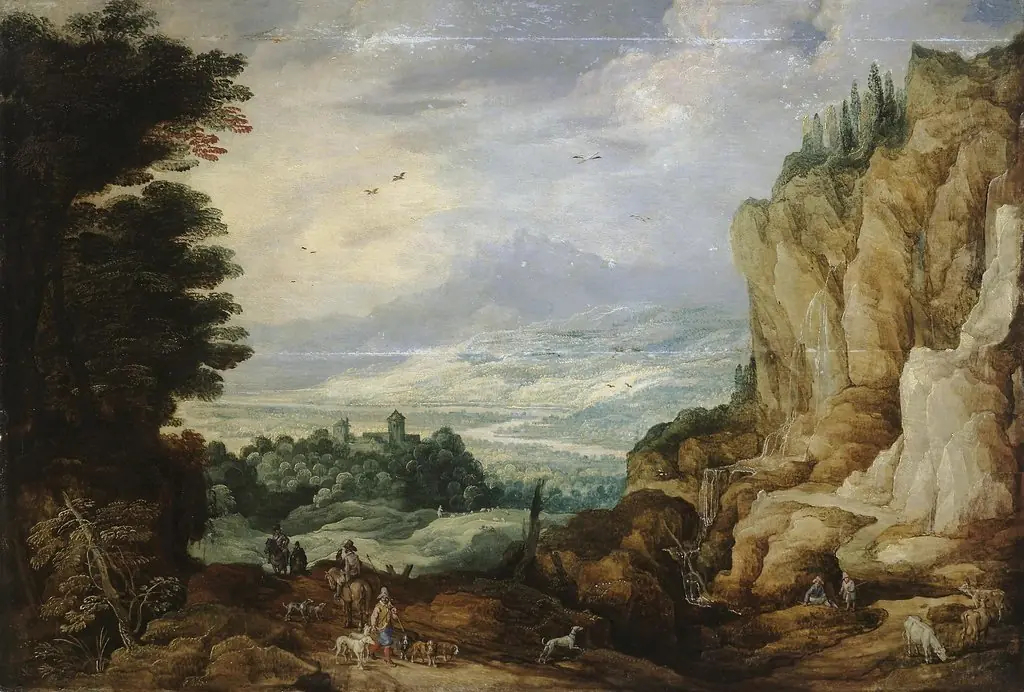 Rock Landscape with a Waterfall
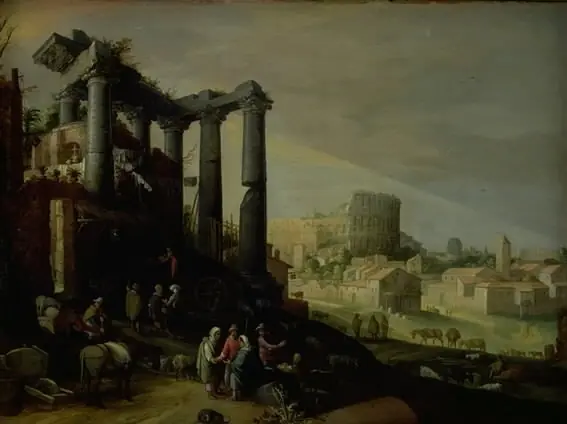 Landscape with a View of Campo Vaccino in Rome
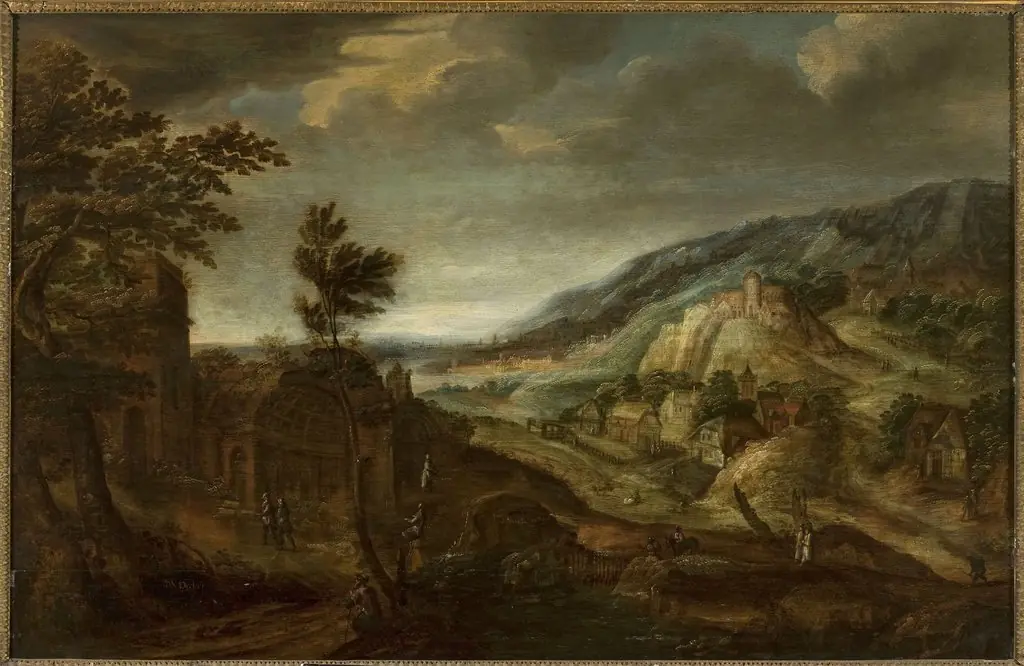 Mountain landscape
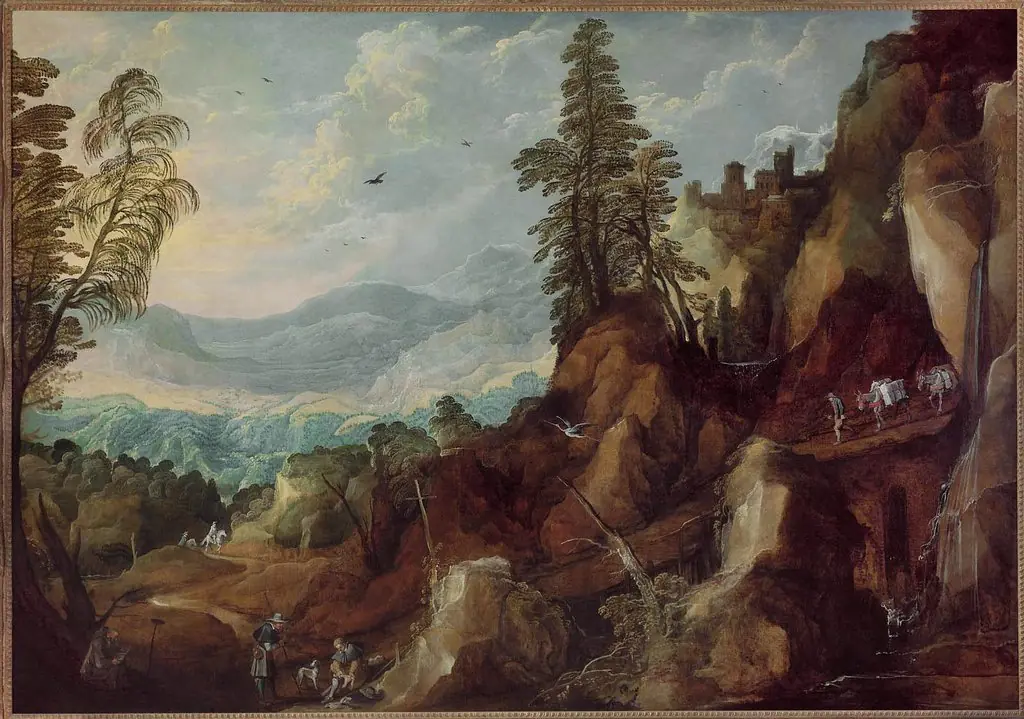 Mountain Landscape with Travelers
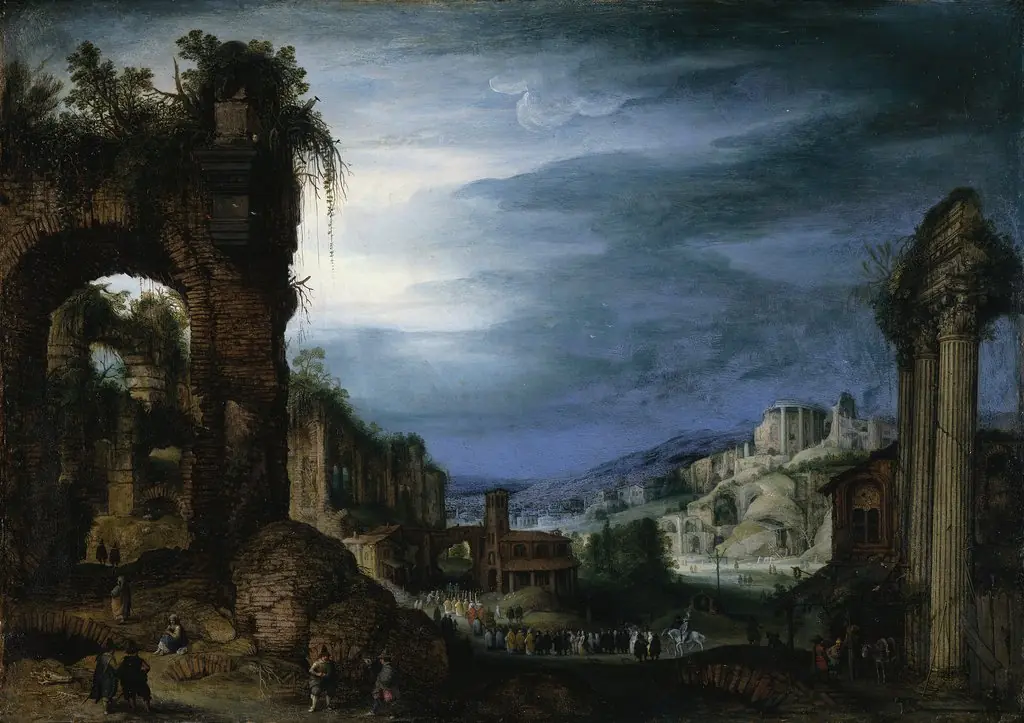 Landscape with Roman Ruins and a Procession
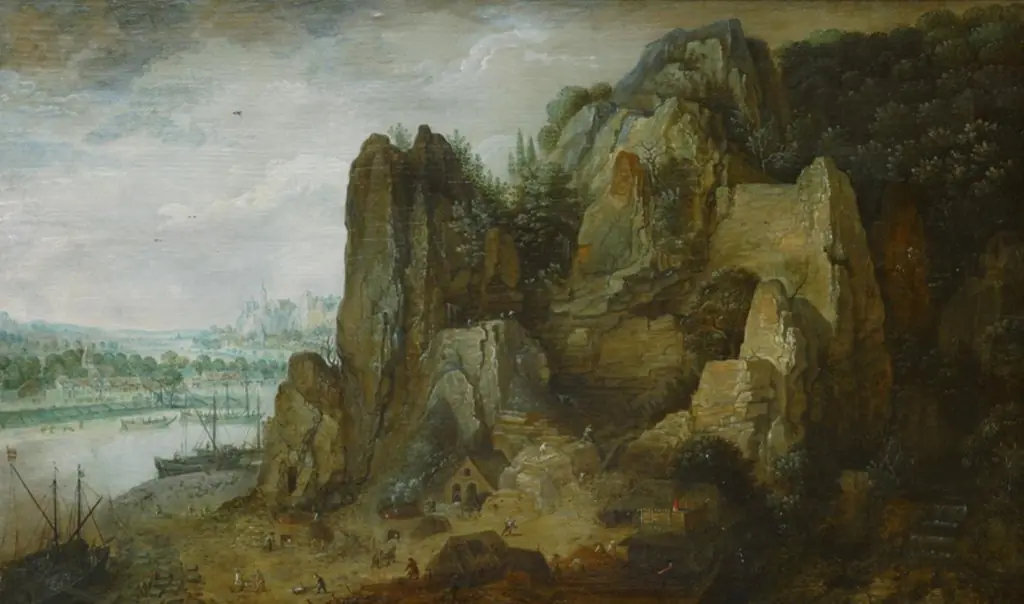 View of Rocks, River Landscape
 View of Rocks, River Landscape
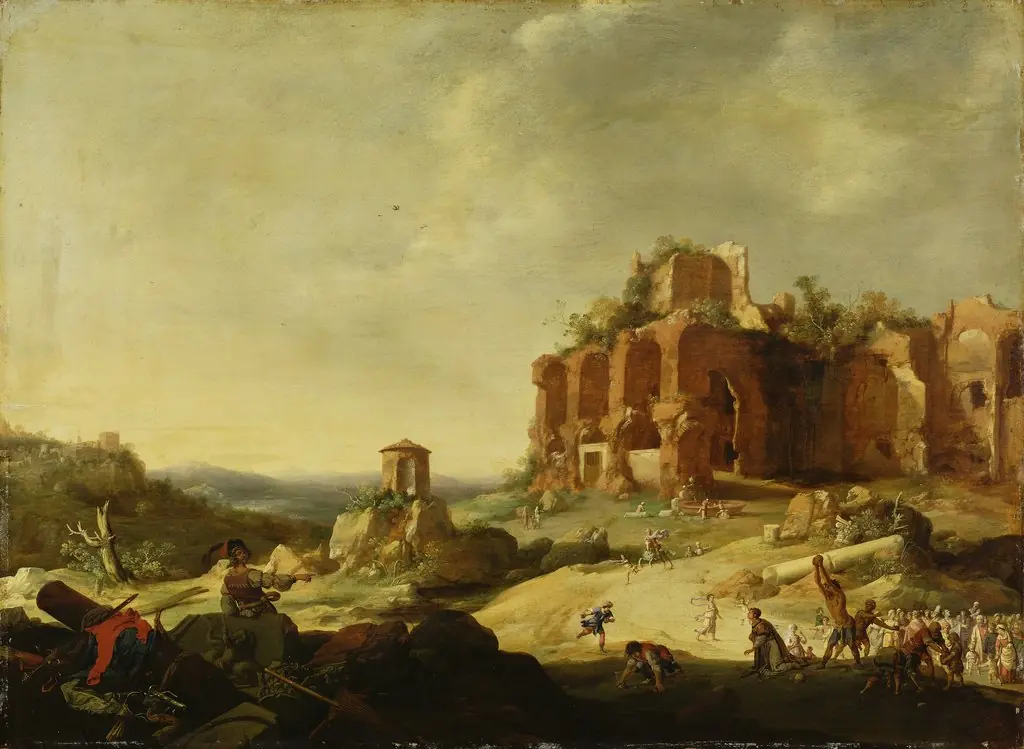 The Stoning of St. Stephen
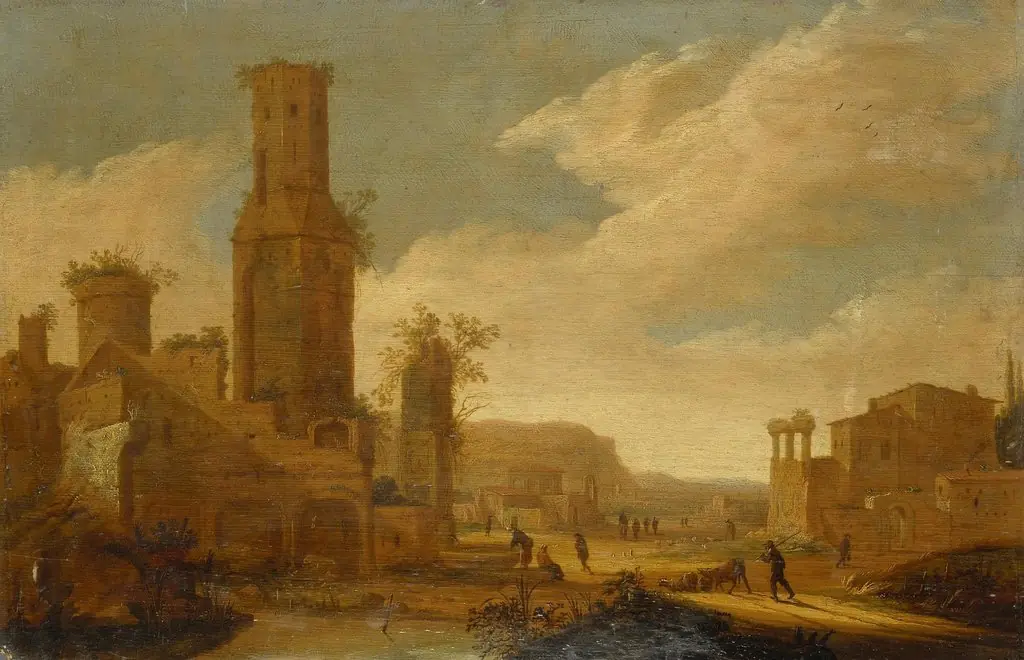 Landscape with Ruins
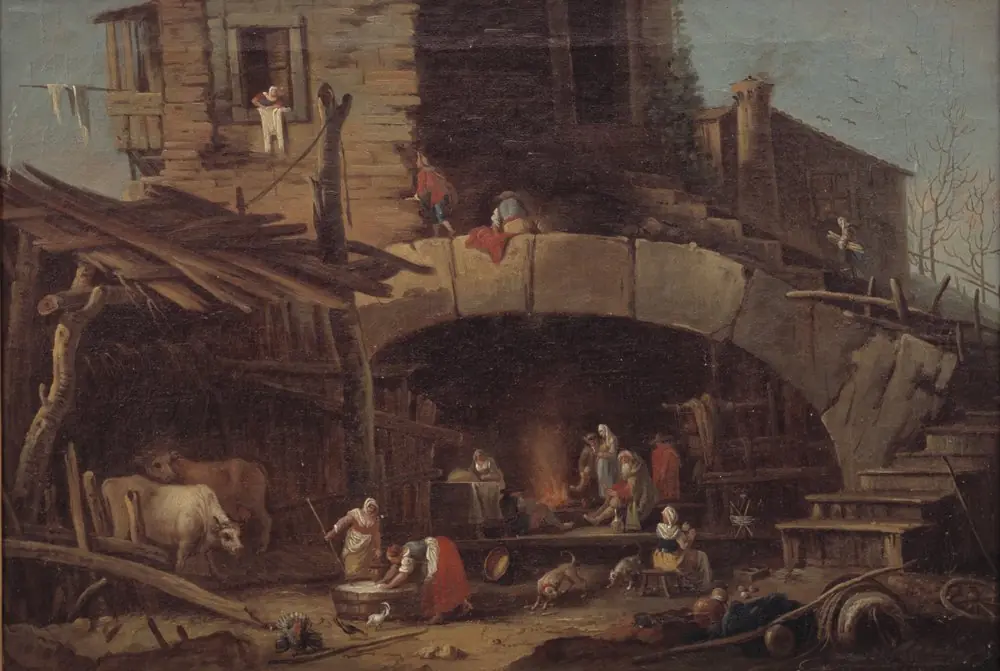 Rustic Scene