Artwork
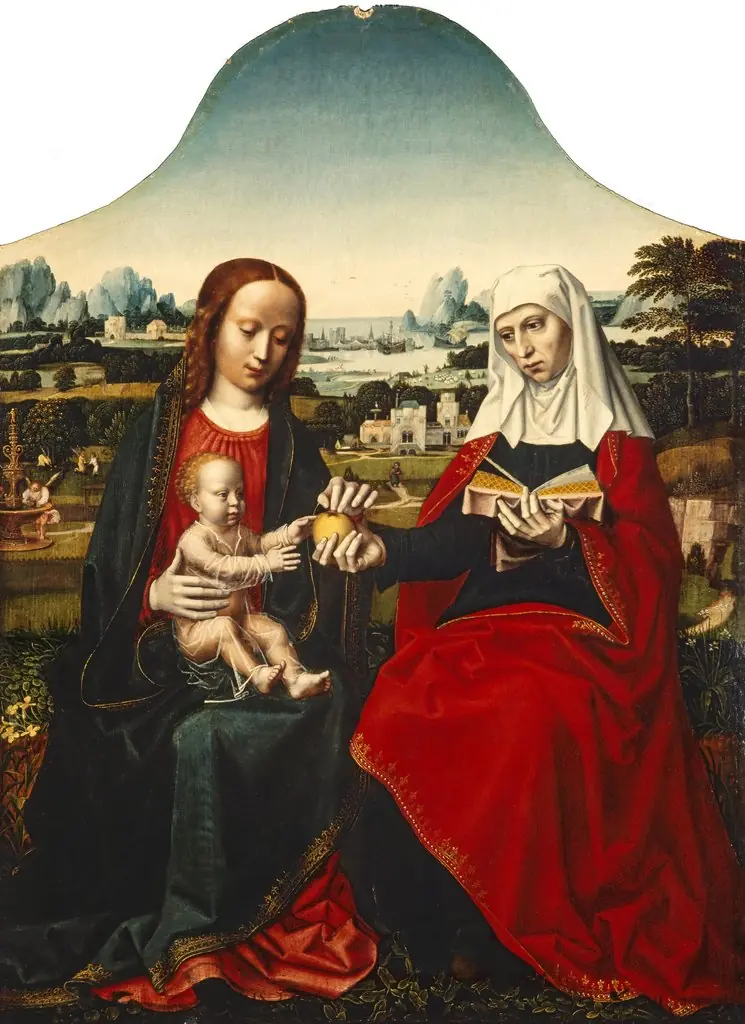
Virgin and Child with St. Anne
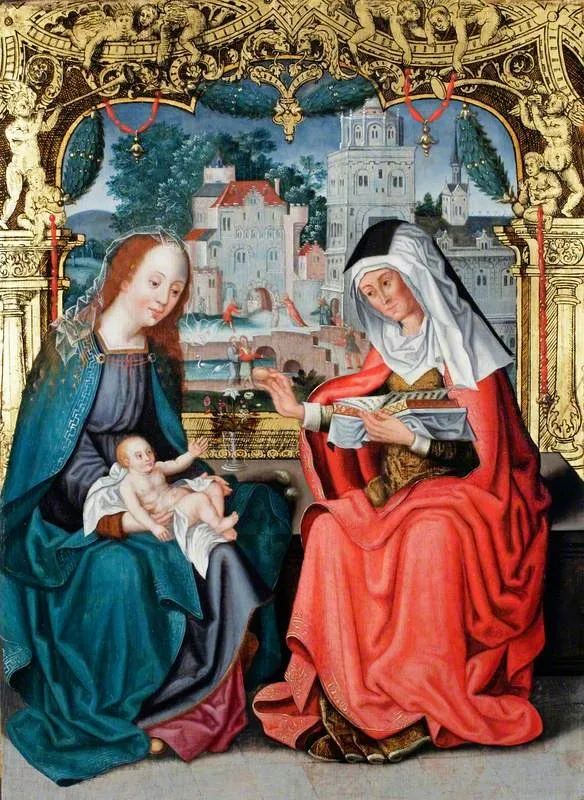
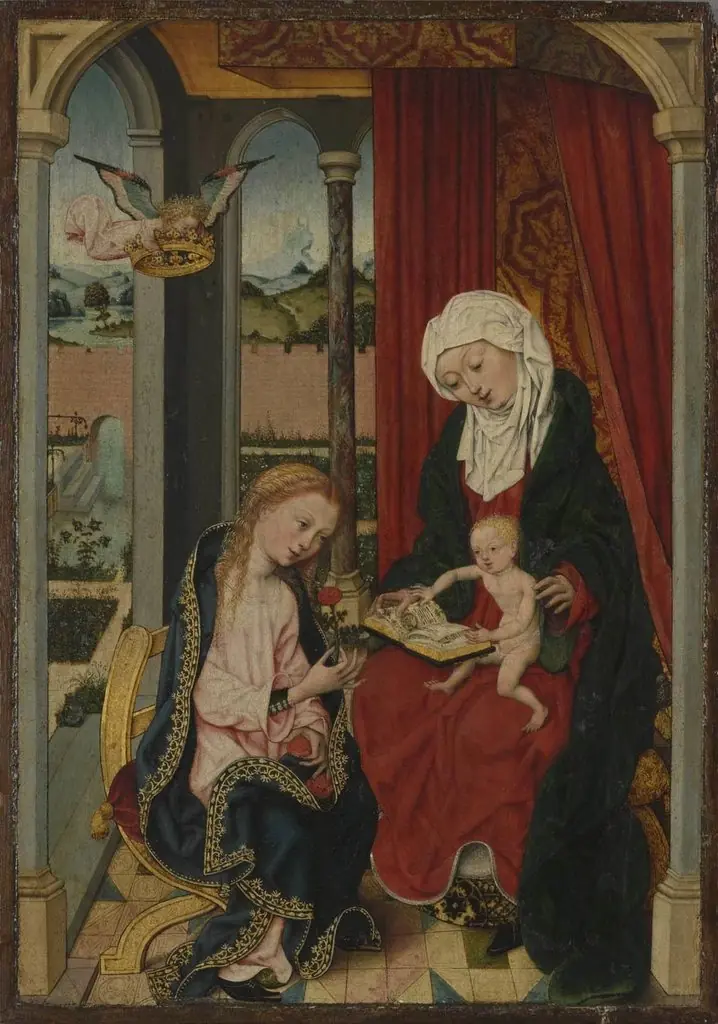
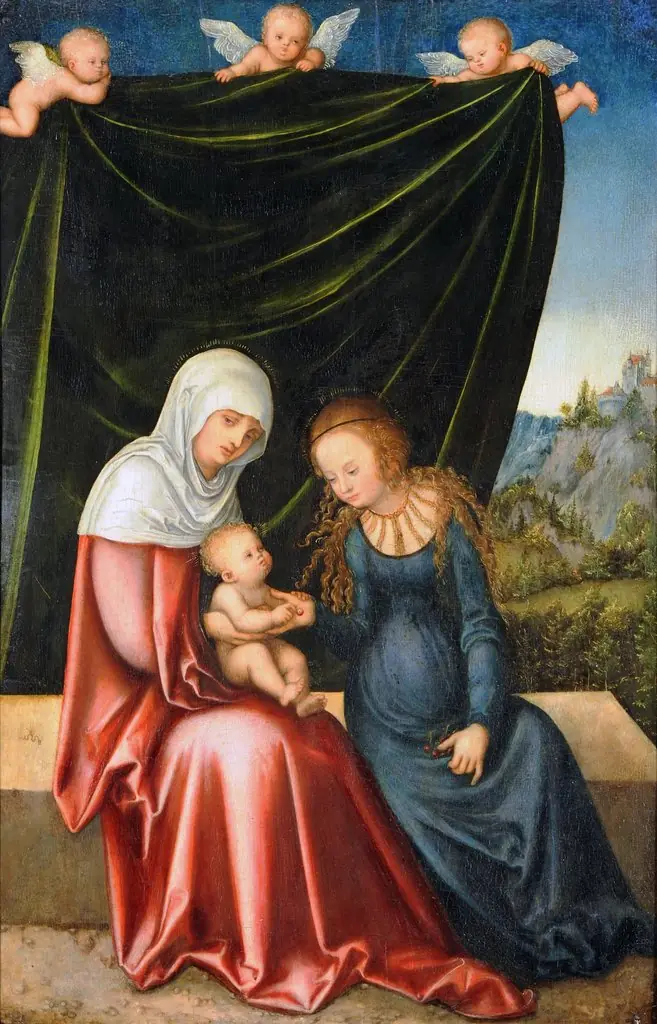
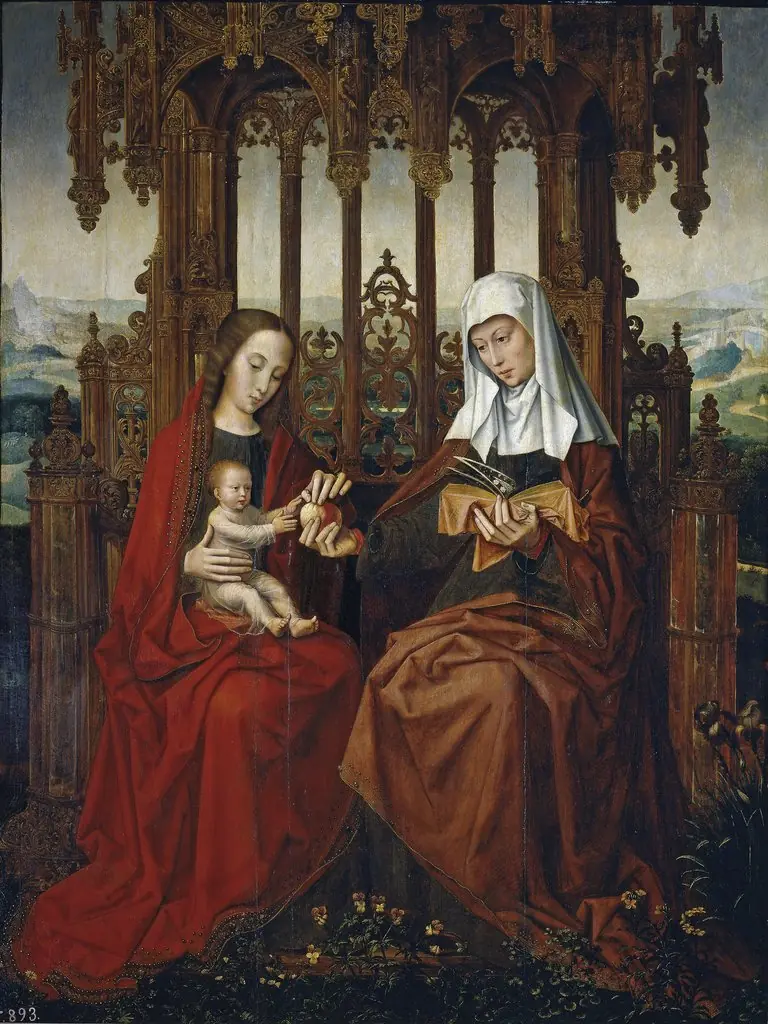
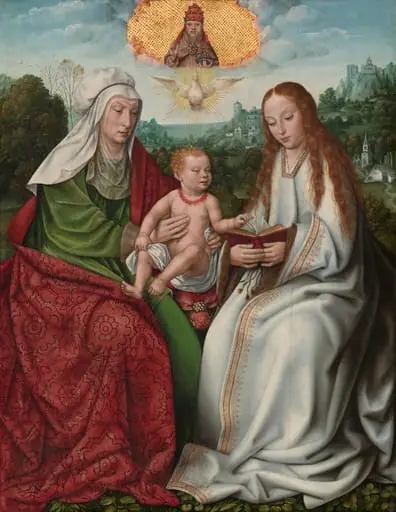
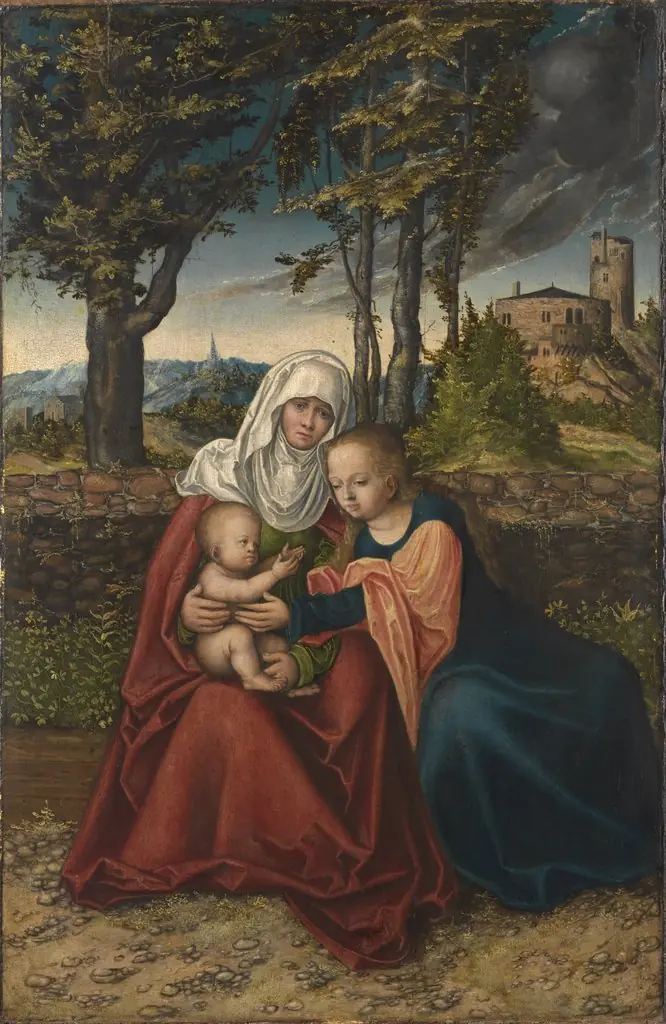
Virgin and Child with St. Anne is an oil painting by the Northern Renaissance artist Lancelot Blondeel. It dates from 1549 and is held in the collection of the Fitzwilliam Museum.
About this work
Overview
Active in Bruges during the mid-16th century, Blondeel was a multifaceted artist whose practice extended beyond painting into architecture and design.
Painted in 1549 by Lancelot Blondeel, this oil-on-panel work presents a devotional scene of the Virgin Mary, her mother St. Anne, and the infant Jesus. Active in Bruges during the mid-16th century, Blondeel was a multifaceted artist whose practice extended beyond painting into architecture and design. The piece resides in the Fitzwilliam Museum’s collection, reflecting the enduring interest in Northern Renaissance religious imagery.
Subject & Meaning
The composition centers on a quiet moment of familial tenderness: Mary cradles the Christ child while St. Anne observes with quiet reverence. The arrangement emphasizes generational continuity and maternal care, common themes in Marian devotion of the period. The figures’ close proximity and gentle gestures convey spiritual intimacy, reinforcing the sacred nature of the family unit within Christian theology.
Technique & Style
Blondeel employed soft, layered brushwork to render the figures’ flowing garments and the tranquil landscape behind them. Warm tones dominate the palette, with Mary’s blue mantle and St. Anne’s red robe creating subtle contrast without disruption. The background, rendered with delicate detail, includes architectural elements and foliage that frame the figures without distracting from their stillness, enhancing the painting’s meditative quality.
History & Provenance
Commissioned during the height of the Northern Renaissance, the painting reflects the devotional tastes of Bruges’ merchant class. It remained in regional collections before entering the Fitzwilliam Museum’s holdings, where it has been preserved as an example of mid-16th-century Flemish religious art. Its documented history is modest, but its stylistic consistency with Blondeel’s other works supports its attribution.
Context
In 1549, Bruges was a city transitioning from medieval piety to early Reformation influences. Despite growing religious tensions, devotional imagery like this remained popular among Catholic patrons. Blondeel’s integration of naturalistic landscape and intimate human interaction aligns with broader Northern Renaissance trends, blending spiritual themes with observed reality.
Legacy
Though not widely known outside regional art circles, the painting exemplifies the quiet refinement of Flemish religious painting in the decades after van Eyck. Its emphasis on domestic serenity over dramatic spectacle distinguishes it from later Counter-Reformation works. It endures as a testament to the enduring appeal of tender, humanized sacred narratives in Northern European art.
Artist & collection
Artist
Lancelot Blondeel, also Lanceloot (1498 – 4 March 1561), was a Flemish artist active in Bruges. He worked as a painter, architect, city planner, surveyor and cartographer, and designed sculptures, tapestries and jewelry.