Artwork
Saint Luke painting the Madonna
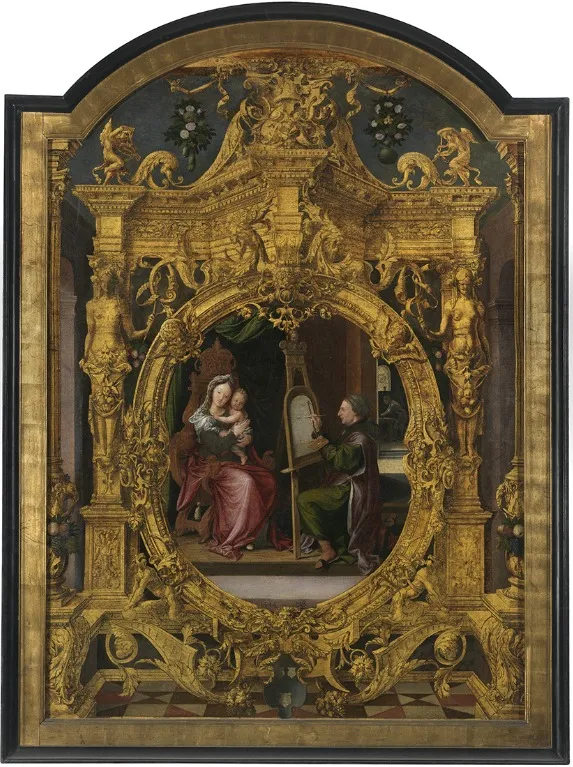
Saint Luke painting the Madonna is an oil painting by the Northern Renaissance artist Lancelot Blondeel. It dates from 1545 and is held in the collection of the Groeningemuseum.
About this work
Overview
Created in 1545 by the Bruges‑based artist Lancelot Blondeel, this oil painting belongs to the Northern Renaissance. It portrays the evangelist Luke at work, his brush poised before an easel as he renders a portrait of the Virgin Mary holding the infant Christ. The composition is framed by an elaborate gilded border that mimics carved wood, enhancing the sense of a richly appointed interior.
Subject & Meaning
The scene visualises the traditional legend that Luke, one of the four Gospel writers, was also a painter. By showing him capturing the Madonna and Child, the work underscores the sanctity of artistic representation and links the act of painting to divine inspiration. The presence of the reflective mirror and palette emphasizes the artist’s careful observation and fidelity to the holy figures.
Technique & Style
His handling of light creates a subtle chiaroscuro that models the figures against a dark, vaulted backdrop.
Blondeel employs oil on panel with the fine detailing characteristic of Flemish painters of the period. His handling of light creates a subtle chiaroscuro that models the figures against a dark, vaulted backdrop. The gilded frame, rendered with meticulous brushwork, imitates actual carved ornamentation, complete with lions, floral motifs and scrolls, blurring the line between painted surface and architectural décor.
History & Provenance
Since its completion, the painting has remained in the region of its creation. It entered the collection of the Groeningemuseum in Ghent, where it is displayed among other works by Flemish masters. The museum’s acquisition records trace the piece back to local patrons who valued Blondeel’s contributions to both civic and religious art.
Context
Blondeel’s career spanned painting, architecture and urban planning, reflecting the multidisciplinary nature of many Renaissance artists. The work aligns with the Northern Renaissance’s interest in devotional subjects rendered with naturalistic detail. Its elaborate frame mirrors contemporary trends in ecclesiastical and civic commissions, where painted panels were often surrounded by actual carved frames to integrate visual art with interior space.
Artist & collection
Artist
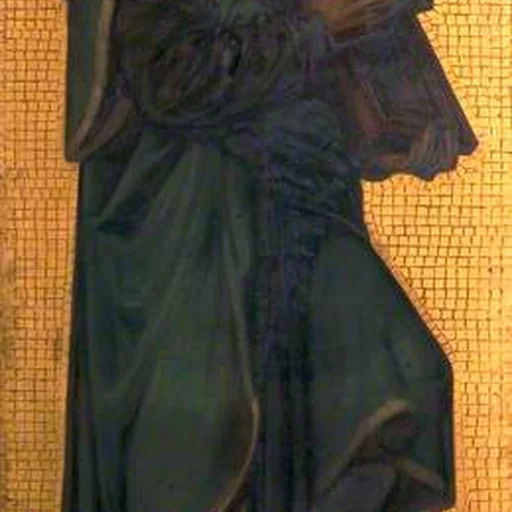
Lancelot Blondeel, also Lanceloot (1498 – 4 March 1561), was a Flemish artist active in Bruges. He worked as a painter, architect, city planner, surveyor and cartographer, and designed sculptures, tapestries and jewelry.

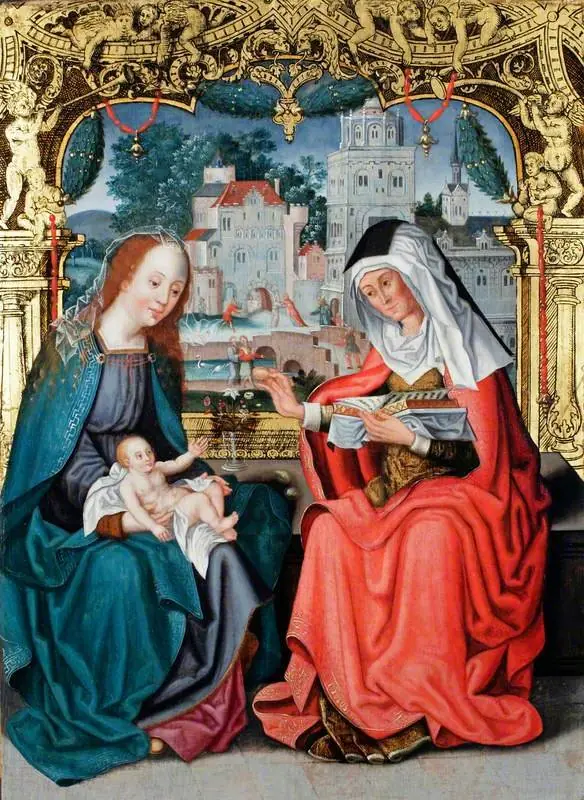
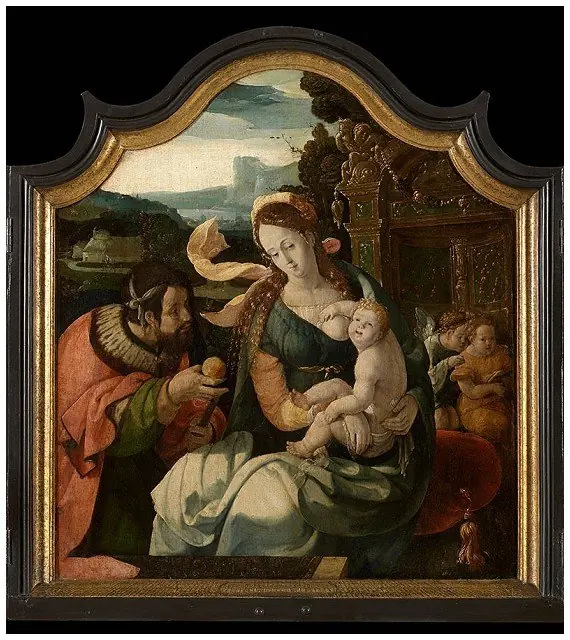 Holy Family
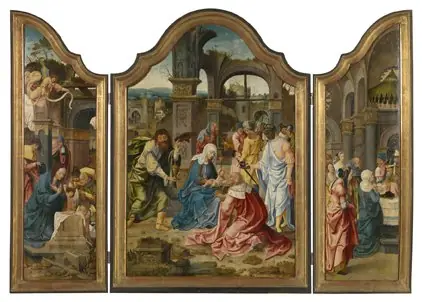 Triptych with the adoration of the magi
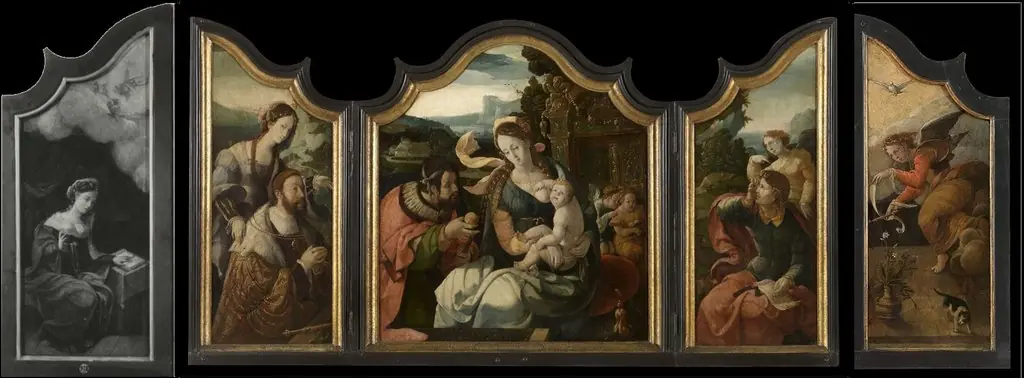 Triptych of Count Henry III of Nassau
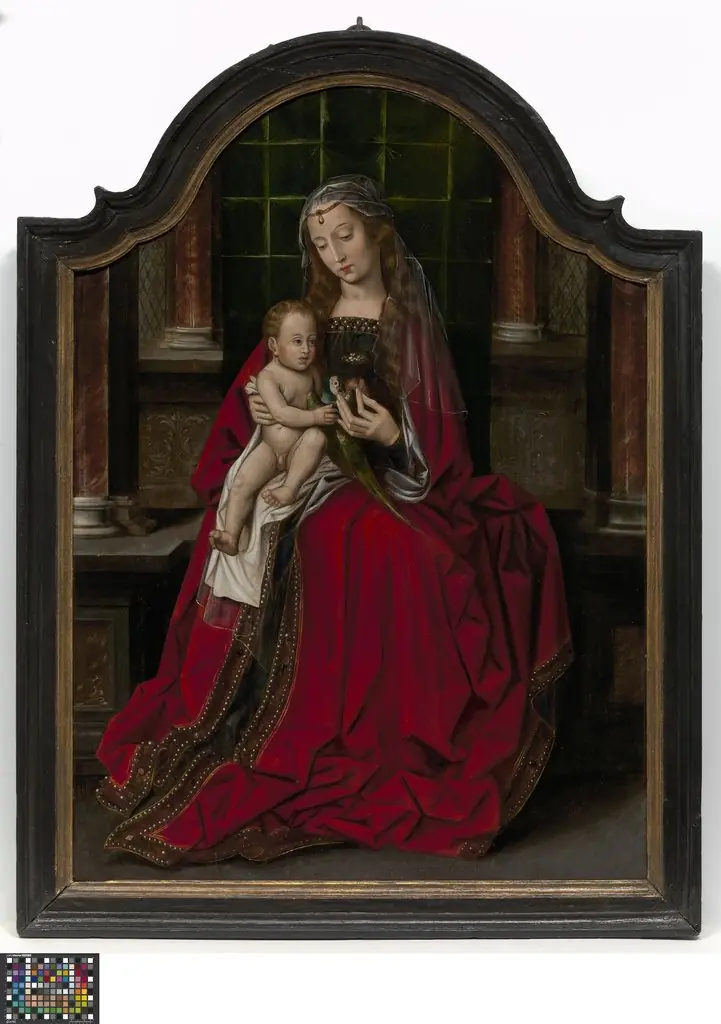 Madonna
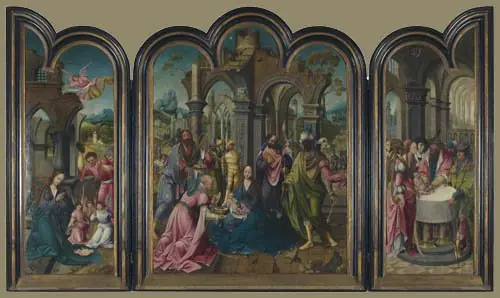 Triptych with adoration by the Magi
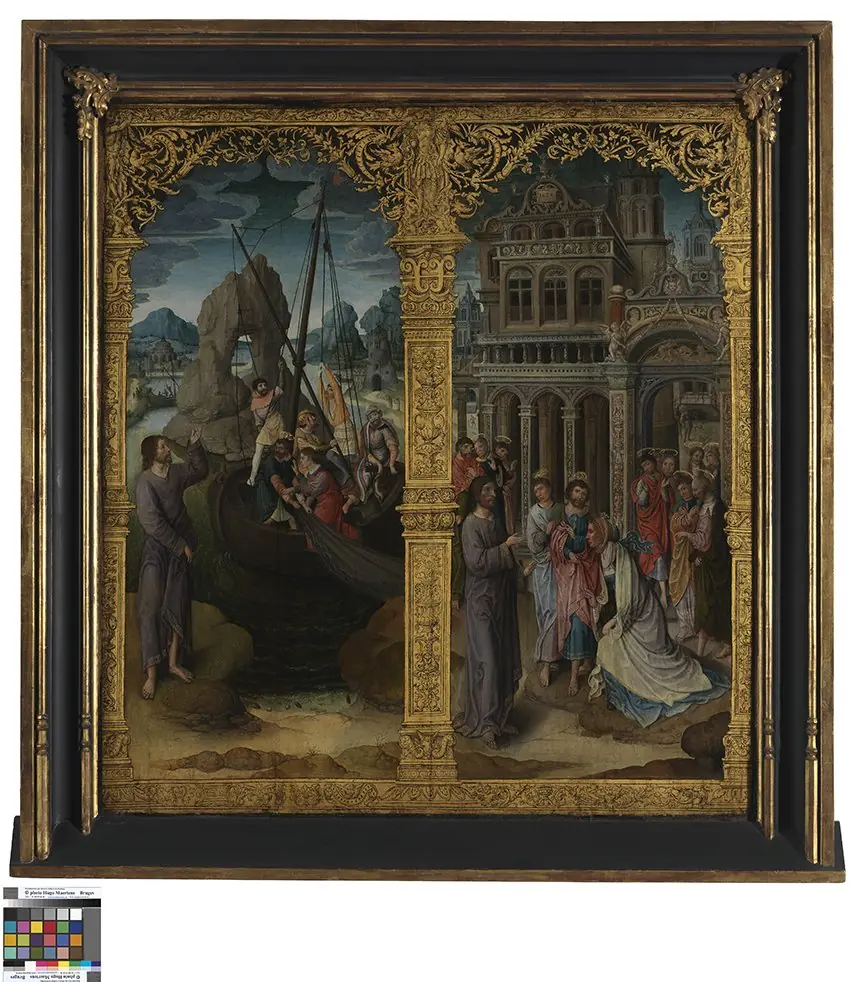 The Calling of James and John
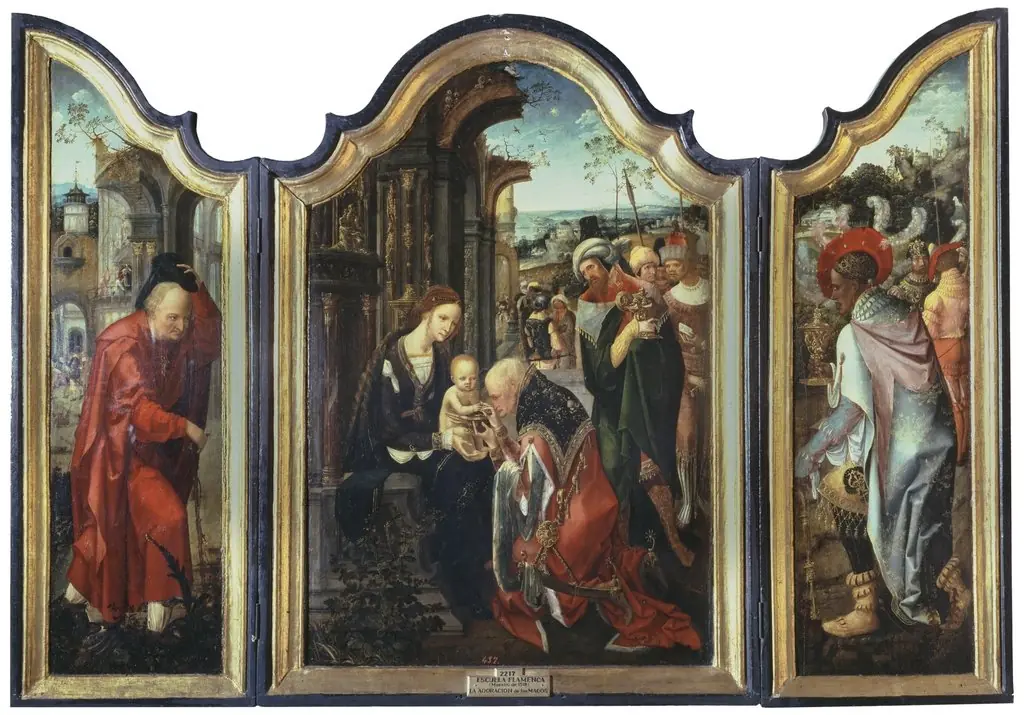 Adoration of the Magi
![Altarpiece showing scenes from the Infancy of Christ: The Adoration of the Magi [center]; The Annunciation; The Presentation of Christ in the Temple; The Flight into Egypt; The Nativity [clockwise from upper left], by Master of Hoogstraeten](https://artifactworldgallery.com/img/master-of-hoogstraeten--altarpiece-showing-scenes-from-the-infancy-of-christ-the-ado--6a236bfea3373486-w320.webp) Altarpiece showing scenes from the Infancy of Christ: The Adoration of the Magi [center]; The Annunciation; The Presentation of Christ in the Temple; The Flight into Egypt; The Nativity [clockwise from upper left]
Altarpiece showing scenes from the Infancy of Christ: The Adoration of the Magi [center]; The Annunciation; The Presentation of Christ in the Temple; The Flight into Egypt; The Nativity [clockwise from upper left]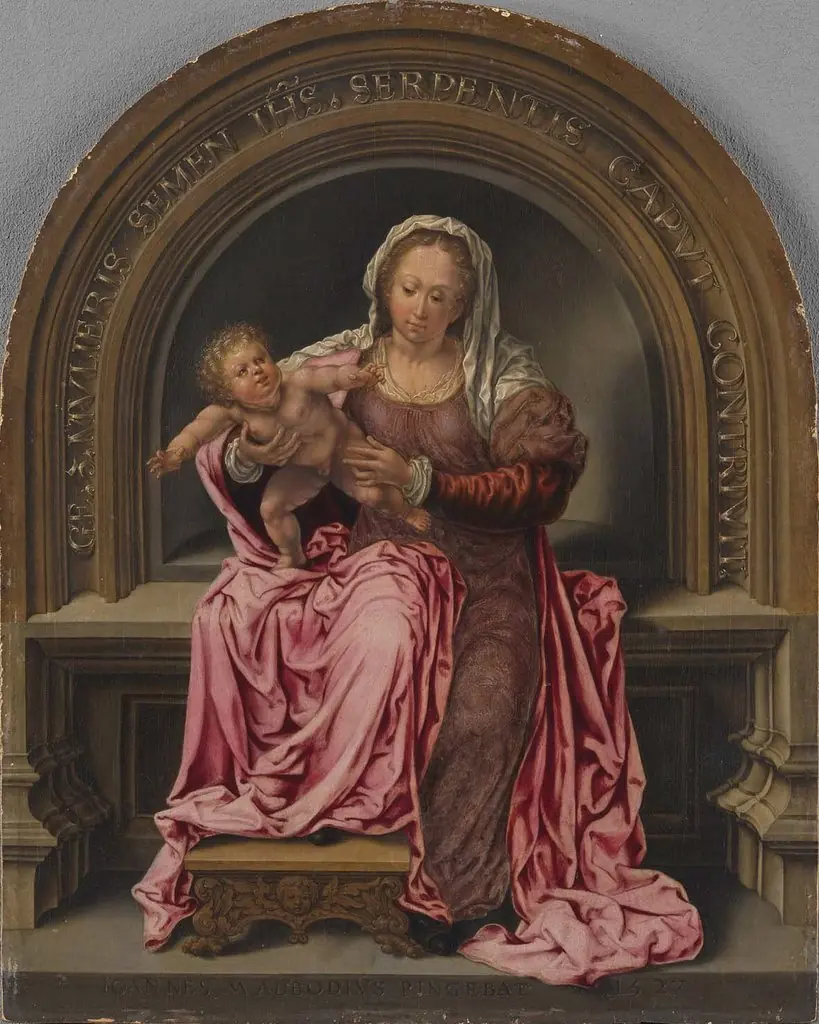 Madonna and child
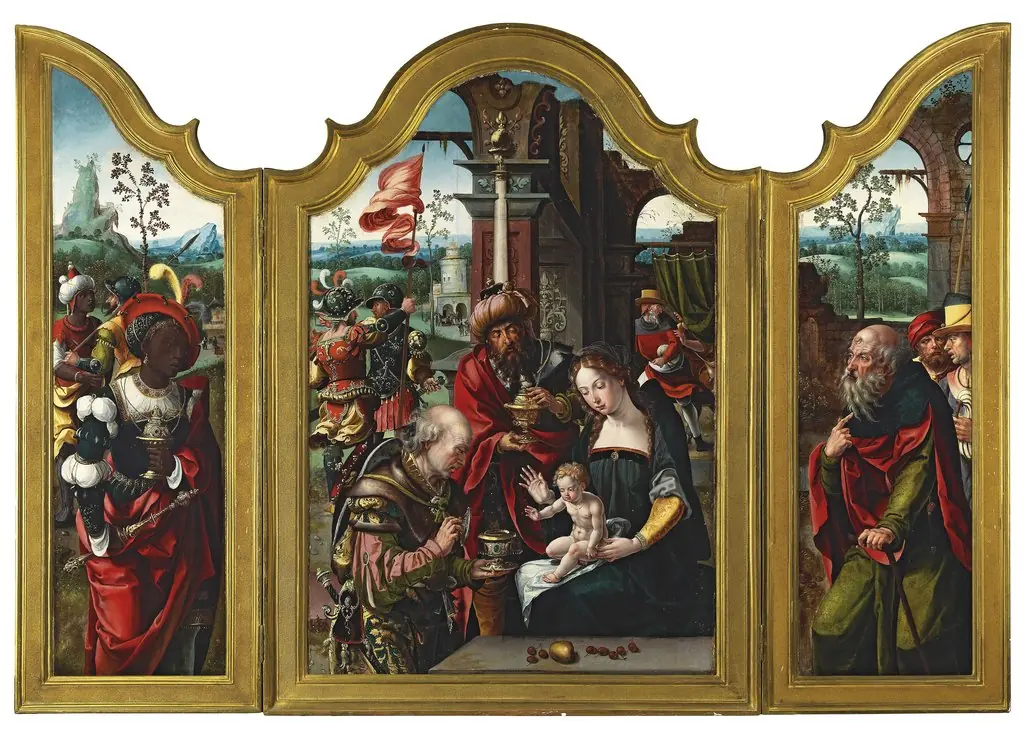 Adoration of the Magi
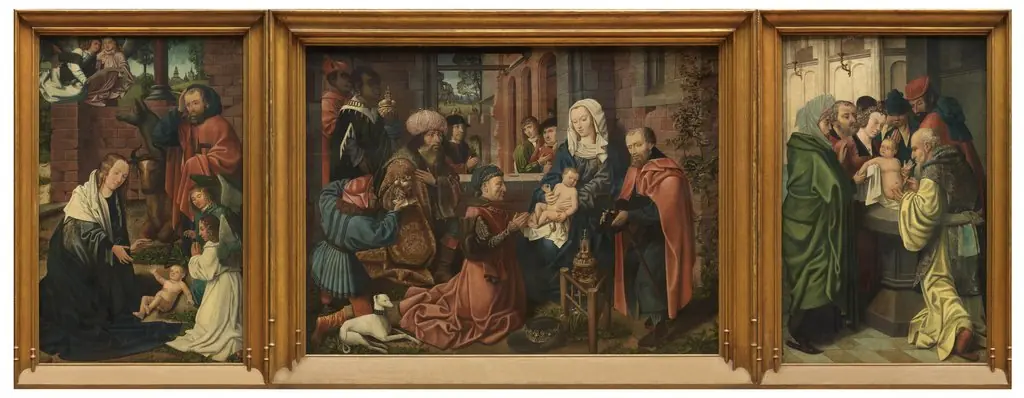 Epiphany Triptych
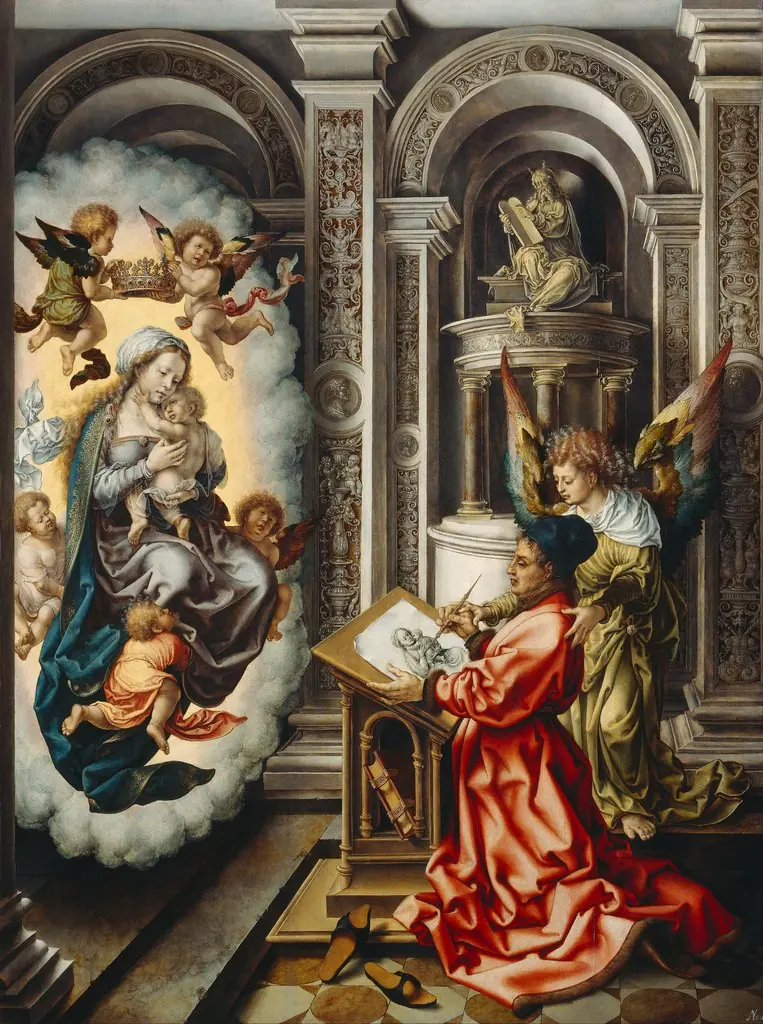 Saint Luke painting the Virgin