Artwork
J.-B. A. Vignerod
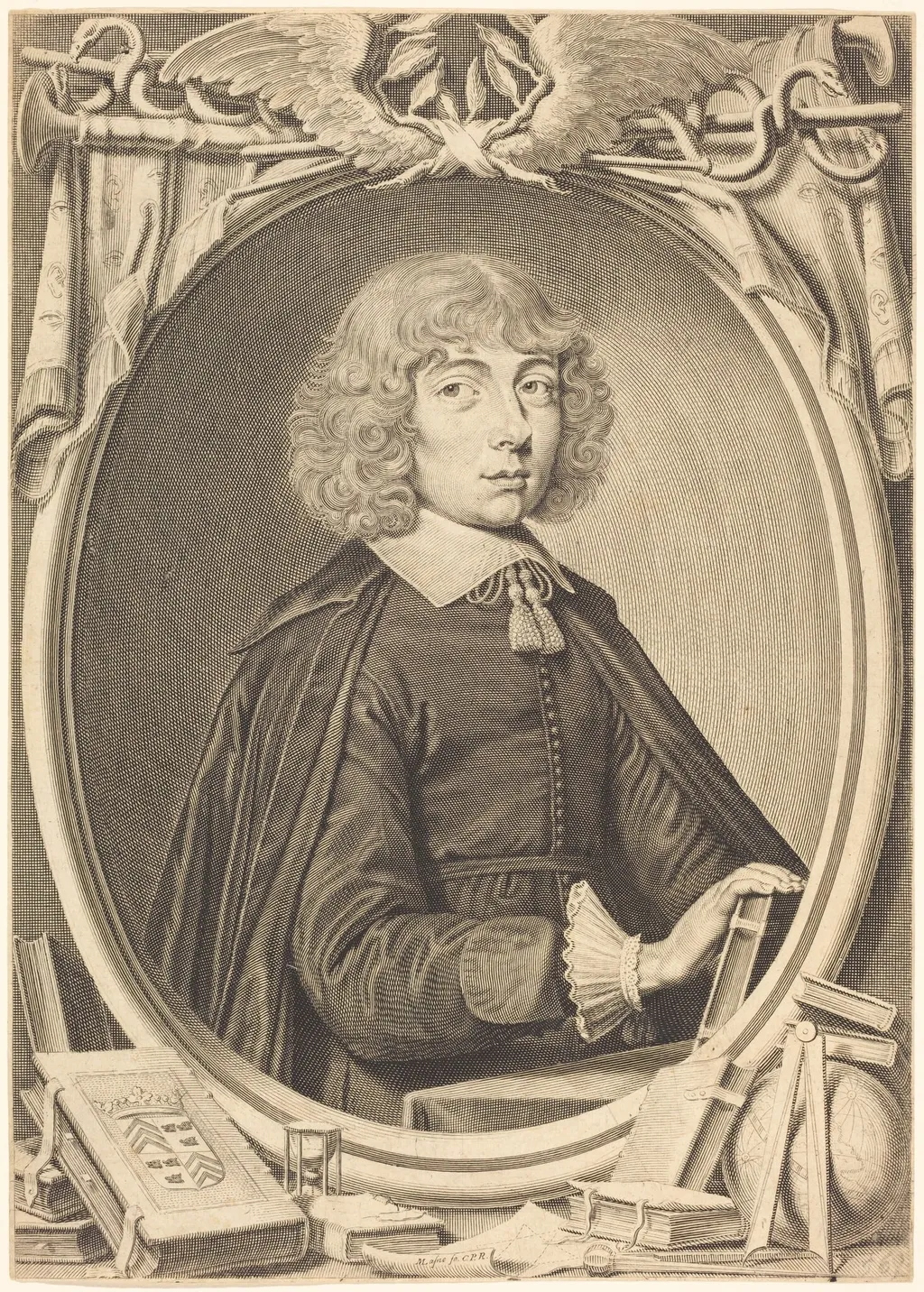
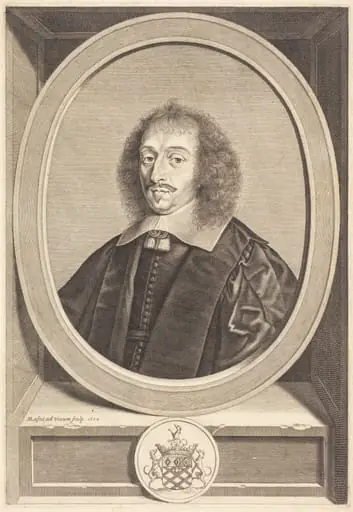
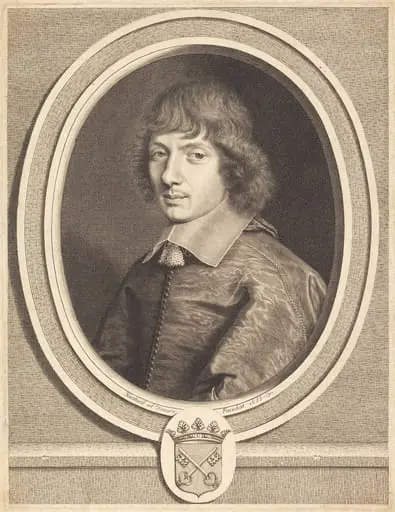
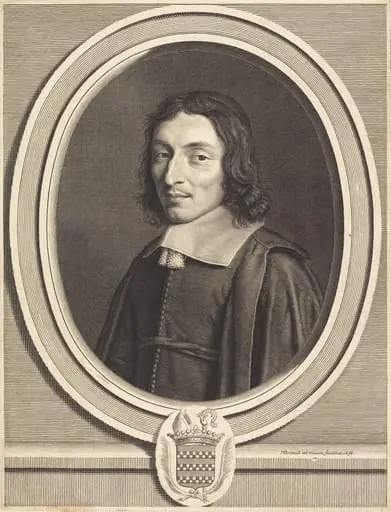
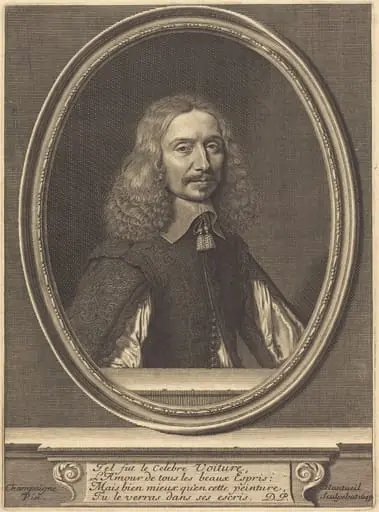
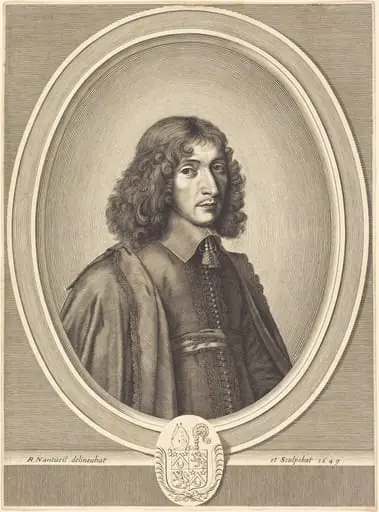
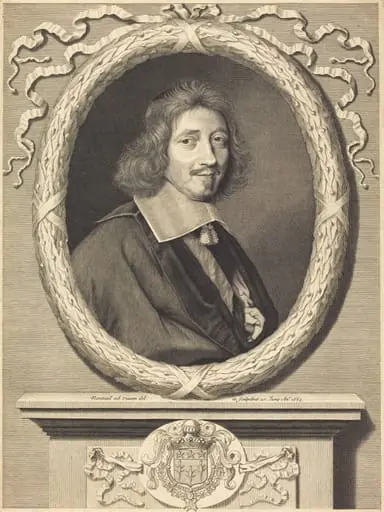
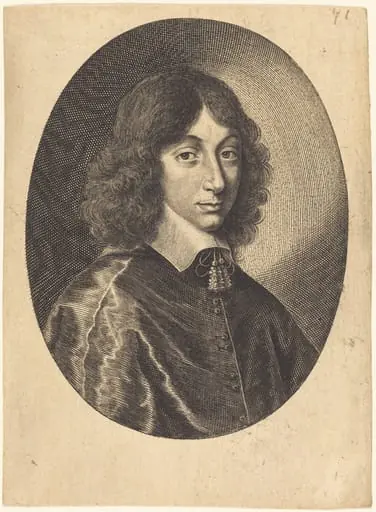
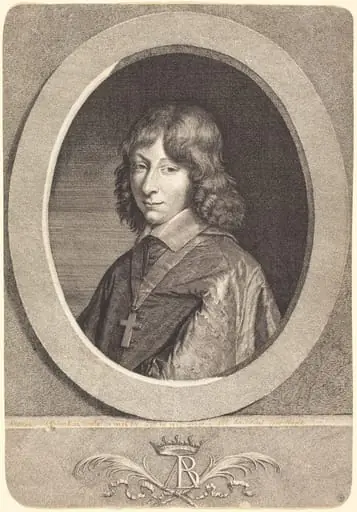
J.-B. A. Vignerod is an ink print by the Renaissance artist Michel Lasne. It dates from 1628 and is held in the collection of the National Gallery of Art.
About this work
Overview
Lasne, trained in Antwerp and active in Paris by the early 1620s, specialized in portraiture through the intaglio technique.
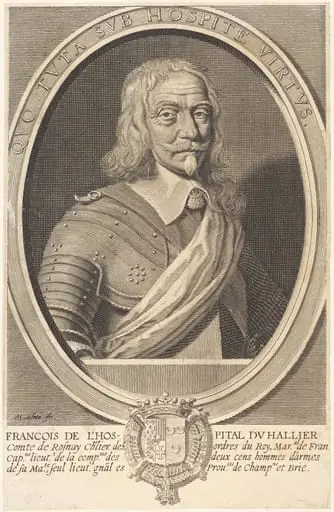
This 1628 engraving by Michel Lasne depicts J.-B. A. Vignerod, a French courtier, rendered in monochrome on laid paper. Lasne, trained in Antwerp and active in Paris by the early 1620s, specialized in portraiture through the intaglio technique. The print exemplifies his precision in translating likenesses into fine-line impressions, a skill that would later earn him the title of official engraver to King Louis XIII.
Subject & Meaning
The sitter, J.-B. A. Vignerod, is portrayed with formal composure, his gaze direct and expression restrained. He holds a document, suggesting his role in administrative or diplomatic affairs. The absence of overt symbols of rank emphasizes personal presence over institutional identity, aligning with early 17th-century French portraiture that valued dignity and quiet authority.
Technique & Style
Lasne employed fine, controlled etching lines to model the sitter’s face and textured fabrics, using cross-hatching to suggest volume and shadow. The background features faint architectural elements and a diminutive figure, adding depth without distracting from the central portrait. The use of laid paper, with its subtle chain lines, enhances the tactile quality of the impression, typical of high-quality prints of the period.
History & Provenance
Created in 1628, the engraving emerged during Lasne’s formative years in Paris, before his appointment as royal engraver in 1633. It likely served as a private or semi-official portrait, circulated among court circles. No definitive early ownership records are known, but its technical refinement suggests it was produced for a discerning audience familiar with Flemish and French print traditions.
Context
In early 17th-century France, engraved portraits were vital for disseminating the likenesses of nobility and officials beyond painted originals. Lasne’s training under Rubens and van Dyck in Antwerp brought Northern precision to French portraiture. His work reflects a broader trend of cross-cultural exchange, blending Flemish draftsmanship with French courtly aesthetics.
Legacy
Lasne’s engravings, including this portrait, helped define the visual language of French court portraiture in the decades before the rise of the Académie. His technical mastery influenced a generation of printmakers, and his official role under Louis XIII cemented engraving’s status as a legitimate medium for recording elite identity in early modern France.
Artist & collection
Artist
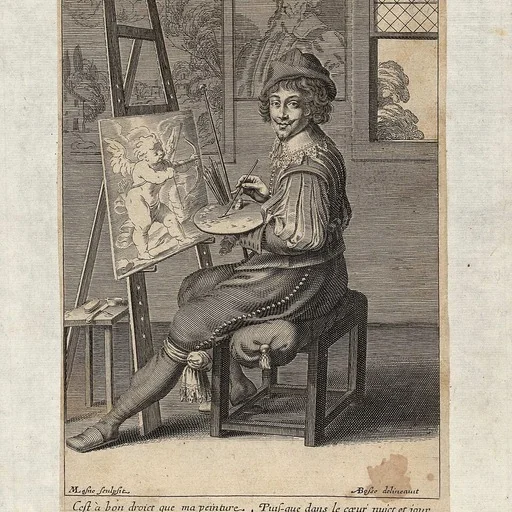
Michel Lasne (Caen, ca. 1590–4 December 1667, Paris), was a French engraver, draughtsman and collector. Lasne was born in Caen and was the son of a goldsmith. He was a member of the Guild of Saint Luke in Antwerp for…