Artwork
Mathieu Mole
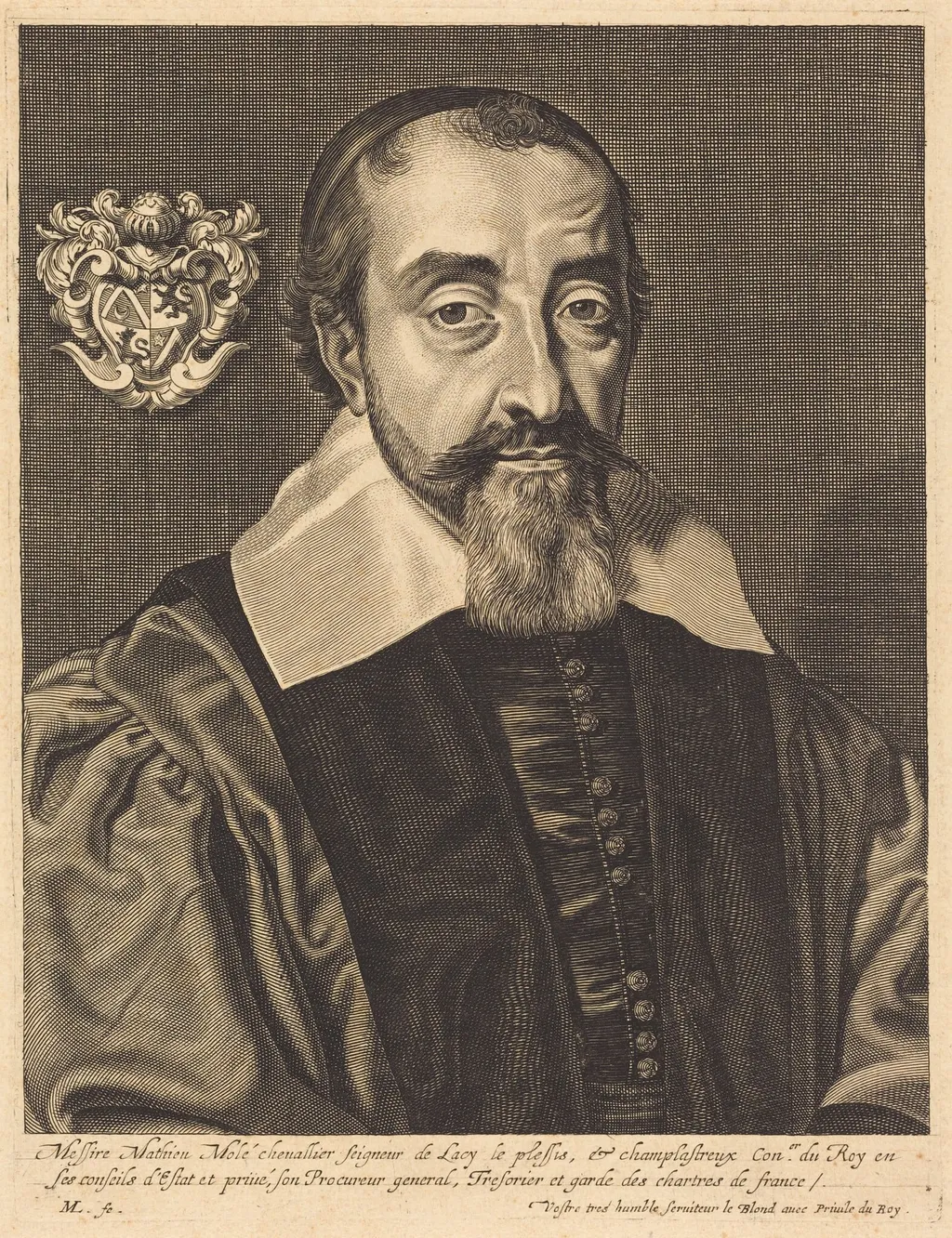
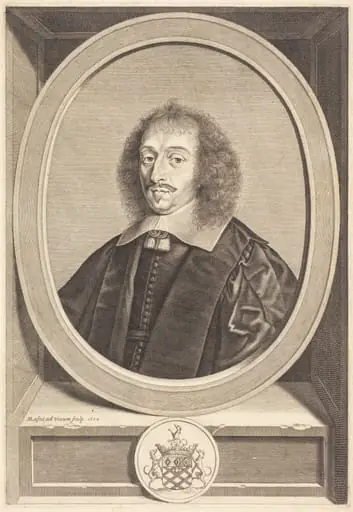
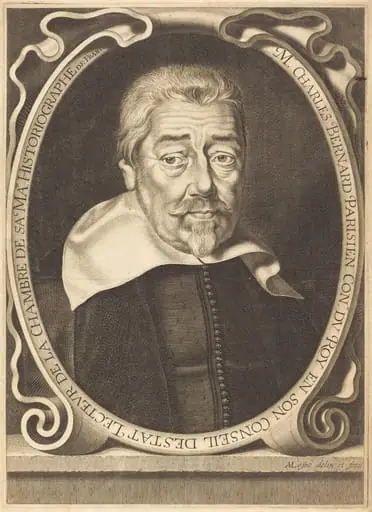
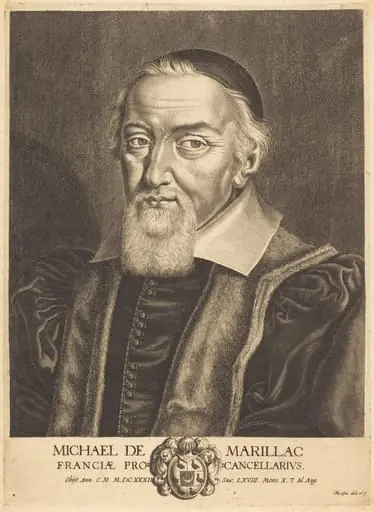
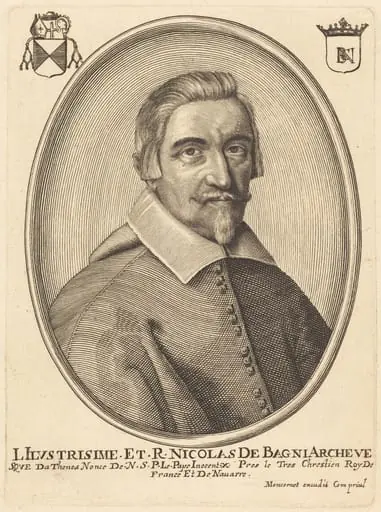
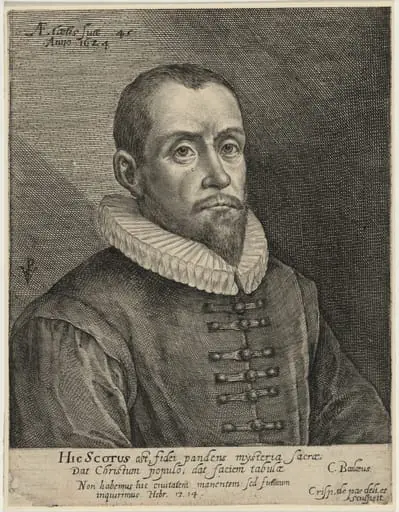
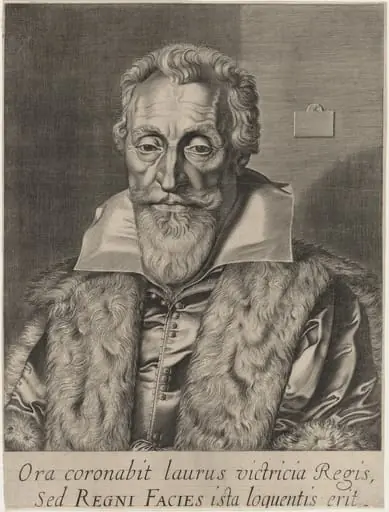
Mathieu Mole is an ink print by the Renaissance artist Michel Lasne. It dates from 1628 and is held in the collection of the National Gallery of Art.
About this work
Overview
Mathieu Mole is a 1628 engraving on laid paper by French artist Michel Lasne, representing the French printmaking tradition of the early 17th century.
Subject & Meaning
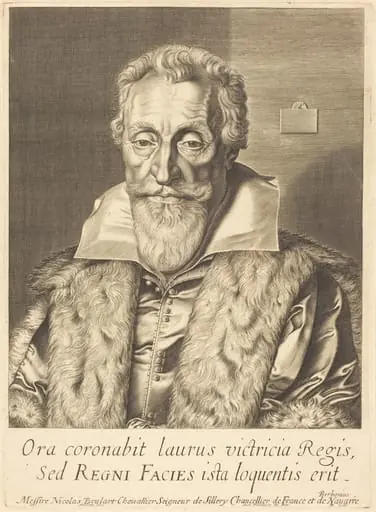
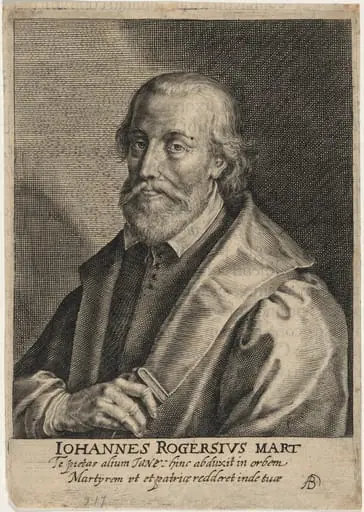
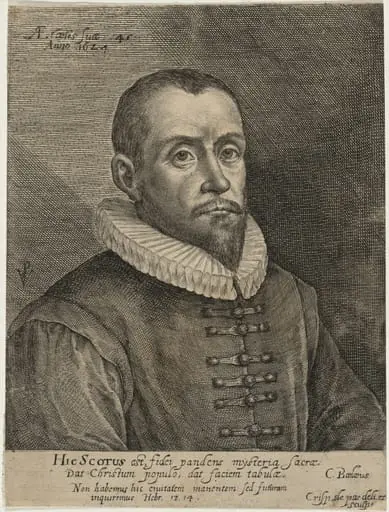
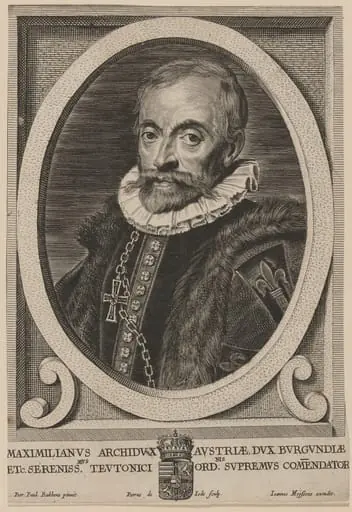
The engraving portrays a man identified as Mathieu Mole, whose specific identity and context remain unspecified. His serious expression and direct gaze engage the viewer, while his attire—a dark jacket with buttons and a white, upright collar—suggests a figure of some gravity or distinction.
Technique & Style
Lasne's detailed technique is evident in the intricate lines and textures that impart depth and dimension to the image. The dark background, accented by a small ornate design in the top left corner, contrasts with the subject's finely rendered beard, mustache, and clothing.
History & Provenance
Michel Lasne, born circa 1590 in Caen, trained under prominent artists in Antwerp, including Peter Paul Rubens and Anthony van Dyck, before establishing his practice in Paris by 1621. This work reflects his skill honed during these formative years.
Context
Created during the early 17th century, Mathieu Mole exemplifies the Renaissance's emphasis on realistic portraiture, characterized by meticulous detail and realism.
Legacy
As a work by Lasne, it contributes to the broader legacy of French 17th-century printmaking, though its specific impact or influence on subsequent artistic movements is not detailed in the available information.
Artist & collection
Artist
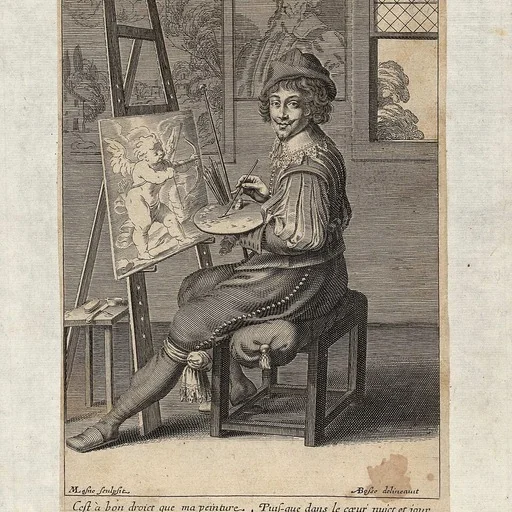
Michel Lasne (Caen, ca. 1590–4 December 1667, Paris), was a French engraver, draughtsman and collector. Lasne was born in Caen and was the son of a goldsmith. He was a member of the Guild of Saint Luke in Antwerp for…