Artwork
Jean-François Bagni
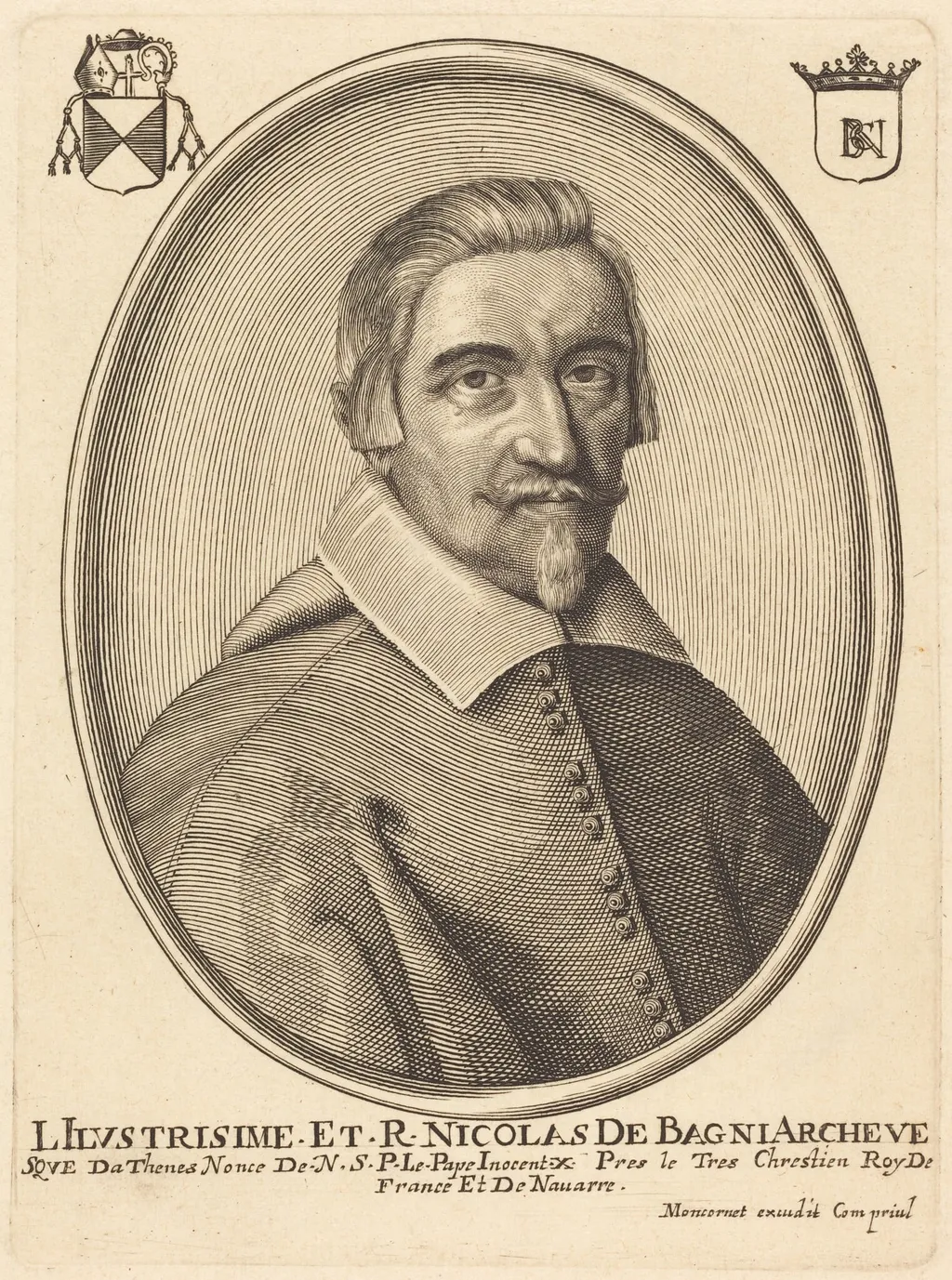
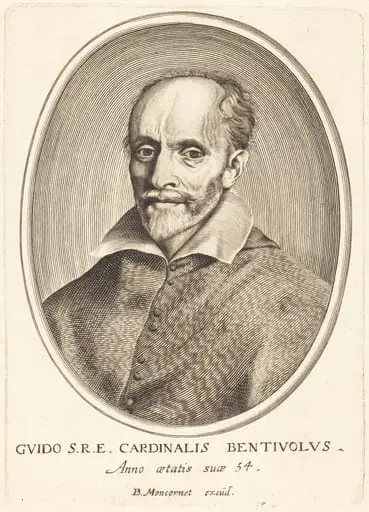
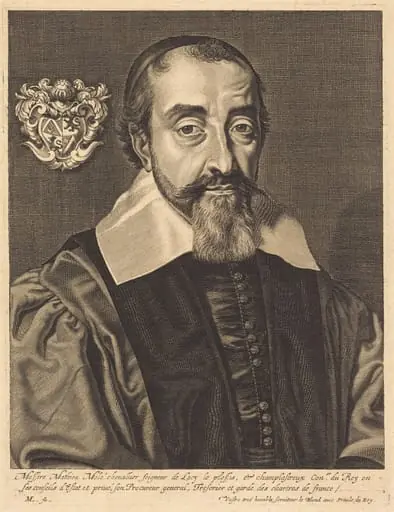
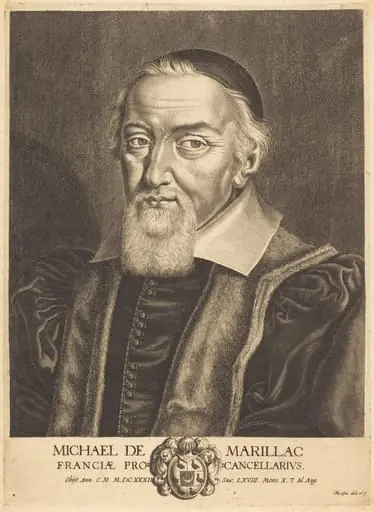
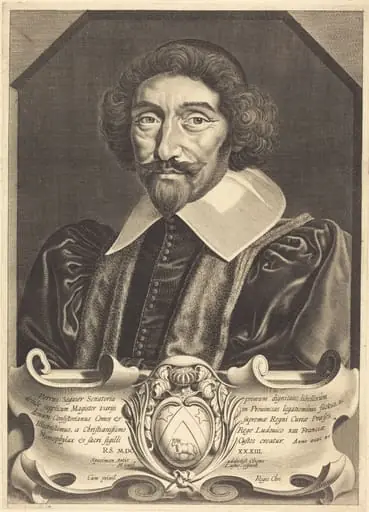
Jean-François Bagni is an ink print by the Baroque artist Balthasar Moncornet. It dates from 1634 and is held in the collection of the National Gallery of Art.
About this work
Overview
The plate bears the artist’s mark, *Moncornet excudit Compruli*, indicating his direct involvement in the printing process.
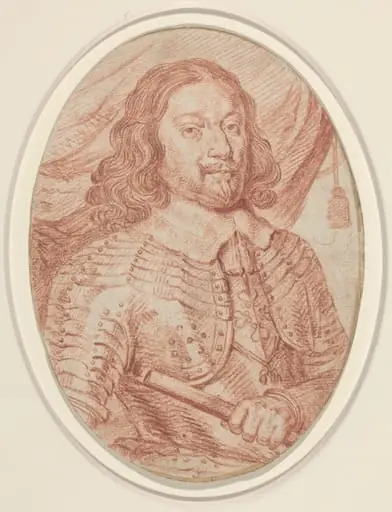
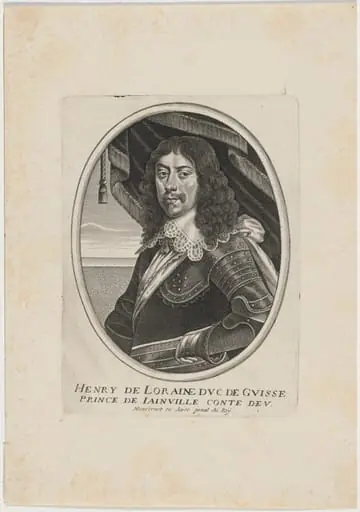
This 1634 engraving by Balthasar Moncornet portrays Jean-François Bagni, a French physician and royal official, rendered in fine black-and-white lines on laid paper. One of roughly forty-five portrait engravings Moncornet produced during his career, the work exemplifies his practice of documenting contemporary figures of influence through print. The plate bears the artist’s mark, *Moncornet excudit Compruli*, indicating his direct involvement in the printing process.
Subject & Meaning
Jean-François Bagni is depicted as both a medical practitioner and a high-ranking servant of the French crown. The heraldic symbols above his head—a bishop’s mitre and a royal crown with inscribed letters—signal his dual ecclesiastical and administrative status. His serious expression and formal attire reinforce his authority, aligning the portrait with the tradition of honoring public figures through visual representation.
Technique & Style
Moncornet employed precise burin work to render fine details: the texture of Bagni’s curly hair, the layered folds of his high-collared robe, and the subtle shading of his beard. The engraving’s clarity and controlled line quality reflect the meticulous craftsmanship typical of 17th-century portrait prints. The composition is tightly framed, focusing attention on the sitter’s face and insignia without extraneous elements.
History & Provenance
Created during Moncornet’s active years in Paris, the engraving emerged from a broader project to chronicle notable individuals of the era. While specific early ownership records are sparse, the work’s survival in institutional collections suggests it was valued for its documentary purpose. The inclusion of heraldic identifiers implies it may have been commissioned or circulated among elite circles familiar with Bagni’s roles.
Context
In early 17th-century France, portrait engravings served as tools of social and professional recognition, especially for those without noble titles. Bagni’s depiction as both bishop and royal official reflects the intertwining of church and state authority under Louis XIII. Moncornet’s series contributed to a growing visual archive of merit-based prominence, distinct from aristocratic lineage.
Legacy
Moncornet’s portrait of Bagni remains a representative example of French printmaking’s documentary function in the Baroque period. Though not widely exhibited today, such works provide insight into how professional identity was visually constructed and disseminated. The engraving preserves the likeness and status of a figure otherwise little remembered, anchoring historical memory in material form.
Artist & collection
Artist
Balthasar Moncornet (1600, Rouen – 1668, Paris) was a French painter, engraver, and tapissier revered for his depictions of around 45 different prominent figures of the 17th century.