Artwork
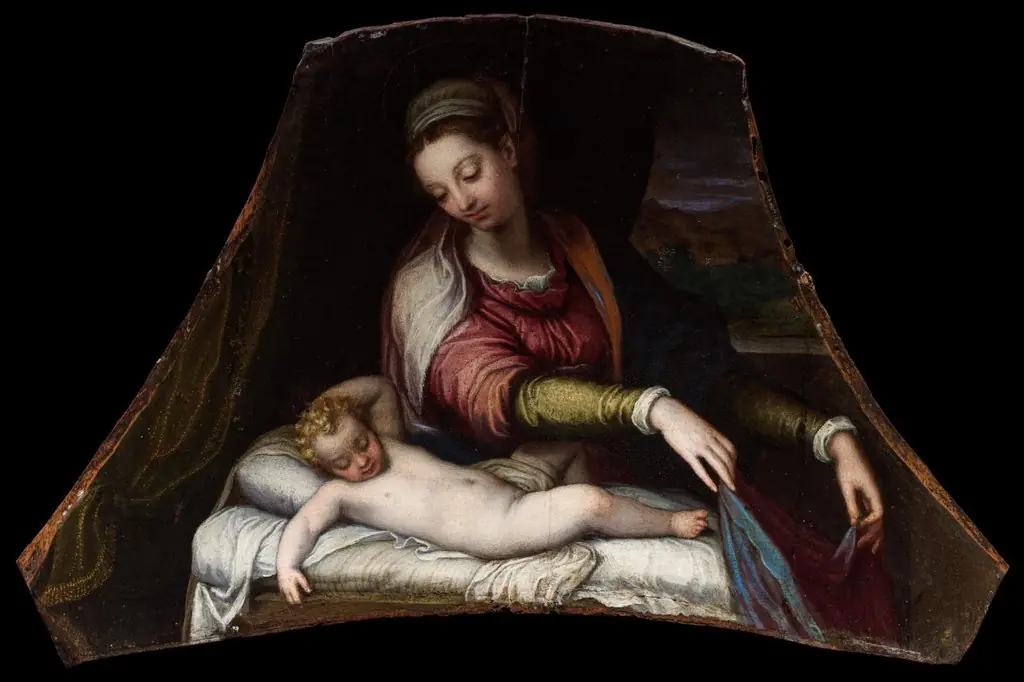
Le Sommeil de Jésus
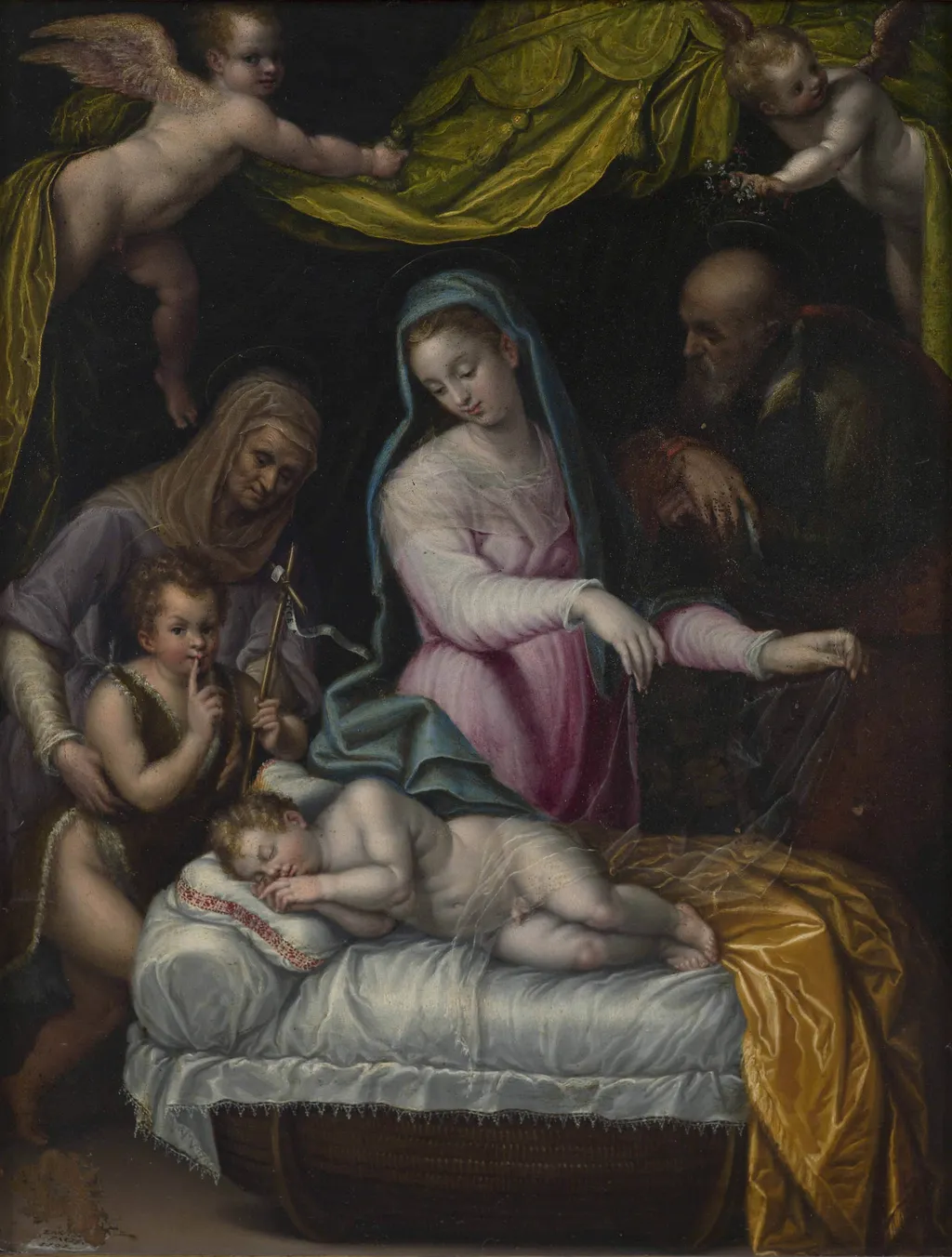
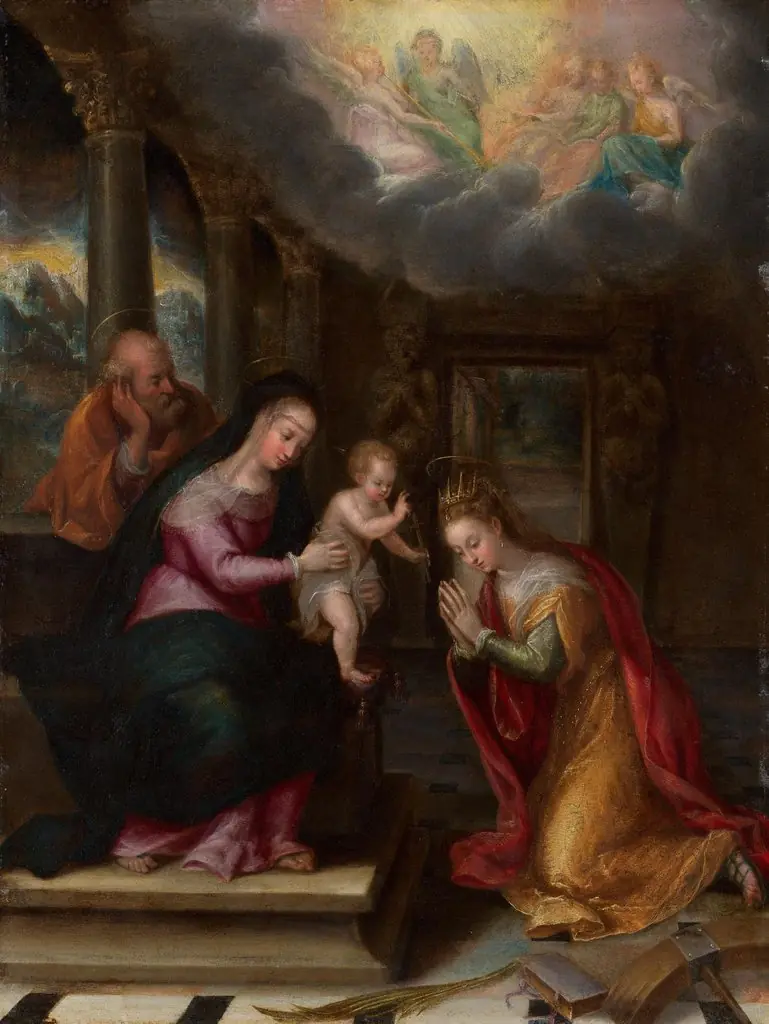
Le Sommeil de Jésus is an oil painting by the Early Baroque Italian artist Lavinia Fontana. It dates from 1596 and is held in the collection of the Galleria Borghese.
About this work
Overview
Painted in 1596 on copper, *Le Sommeil de Jésus* is a devotional work by Lavinia Fontana, an Italian artist active in Bologna and Rome.
Painted in 1596 on copper, *Le Sommeil de Jésus* is a devotional work by Lavinia Fontana, an Italian artist active in Bologna and Rome. Executed during the transition from Mannerism to the early Baroque, the piece reflects Fontana’s skill in religious subjects and her rare position as a professional female painter of her time. It is now held in the Galleria Borghese, Rome, among other works commissioned by elite patrons.
Subject & Meaning
The painting portrays the infant Jesus asleep in a quiet, dimly lit chamber, surrounded by the Virgin Mary and celestial figures. Mary, depicted in contemplative stillness, gazes downward, emphasizing maternal tenderness and spiritual vigilance. The presence of angels and a figure offering a flower suggests reverence and symbolic devotion, framing the Child’s rest as both human vulnerability and divine mystery.
Technique & Style
Fontana employed copper as a support for its smooth, luminous surface, enhancing fine detail and subtle tonal shifts. She used chiaroscuro to model forms with soft contrasts, directing attention to the central figures against a shadowed interior. The delicate rendering of fabrics, skin, and angelic wings reveals a refined hand, rooted in Mannerist precision yet anticipating Baroque naturalism in emotional stillness.
History & Provenance
Commissioned during Fontana’s mature period, the work entered the Borghese collection in the early 17th century, likely through Cardinal Scipione Borghese’s patronage. Its preservation within this distinguished assemblage underscores its early recognition among Roman collectors. Fontana’s reputation as a successful female artist, supported by family commissions and noble patrons, enabled such high-profile acquisitions.
Context
In late 16th-century Italy, women painters were rare in professional circles, yet Fontana sustained a career through portraiture and religious commissions. Her access to elite patrons in Bologna and Rome allowed her to navigate artistic networks typically closed to women. This painting reflects the Counter-Reformation’s emphasis on intimate, emotionally resonant religious imagery suited to private devotion.
Legacy
Fontana’s career paved the way for later female artists by demonstrating that women could sustain professional artistic practices. *Le Sommeil de Jésus* remains a testament to her technical command and spiritual sensitivity. Though not widely exhibited today, its inclusion in the Borghese collection ensures its place in the historical record of early modern women in art.
Own this work as a print
Artist & collection
Artist
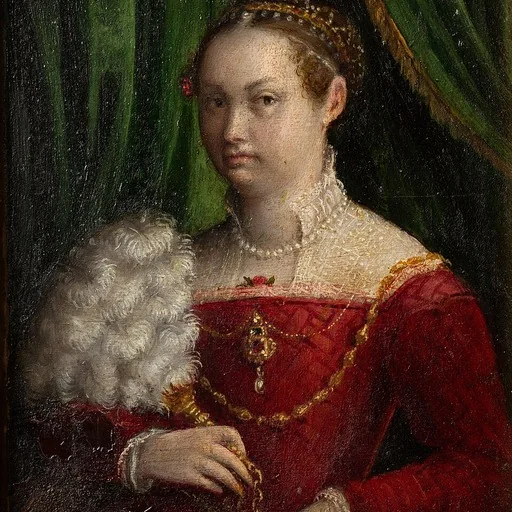
Lavinia Fontana (24 August 1552 – 11 August 1614) was an Italian Mannerist painter active in Bologna and Rome.

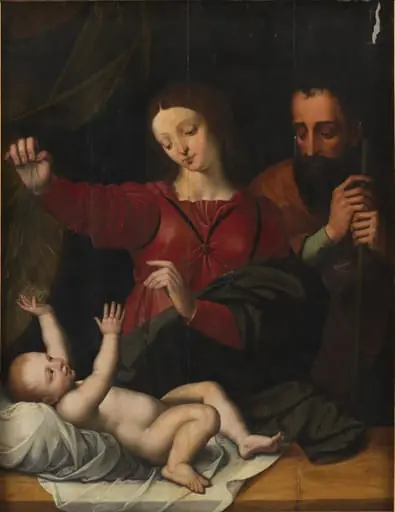 The Holy Family
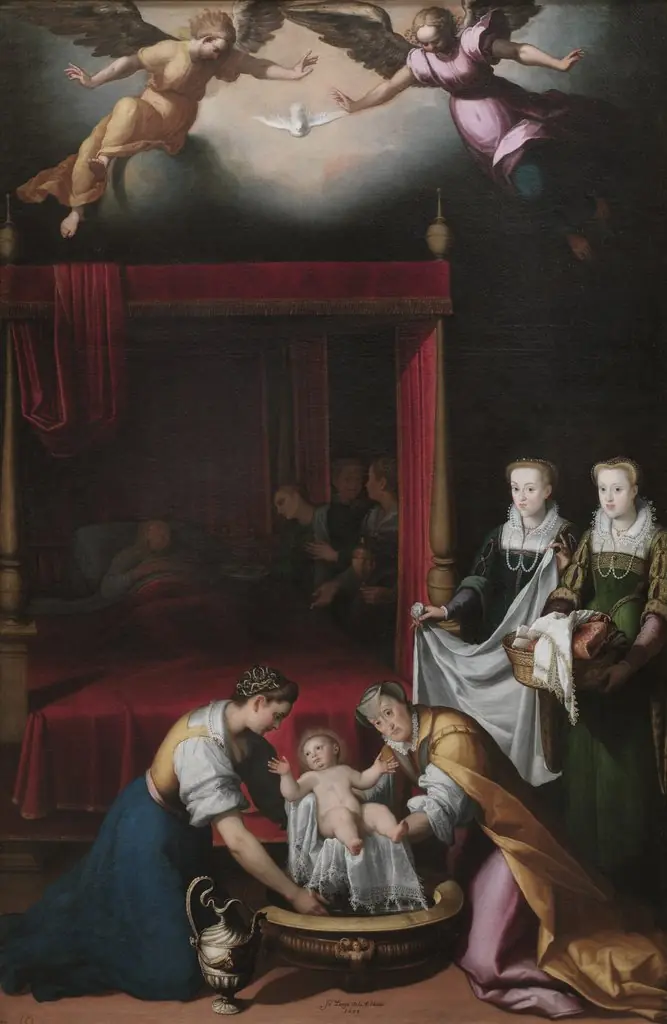 The Birth of the Virgin
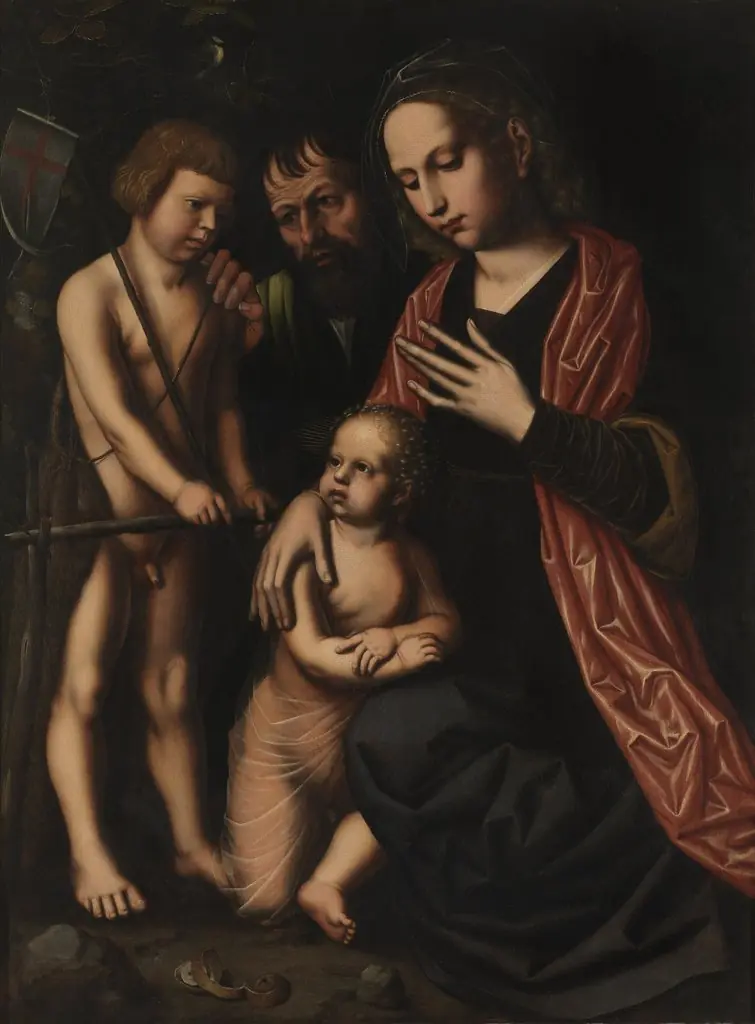 The Holy Family with St. John the Baptist
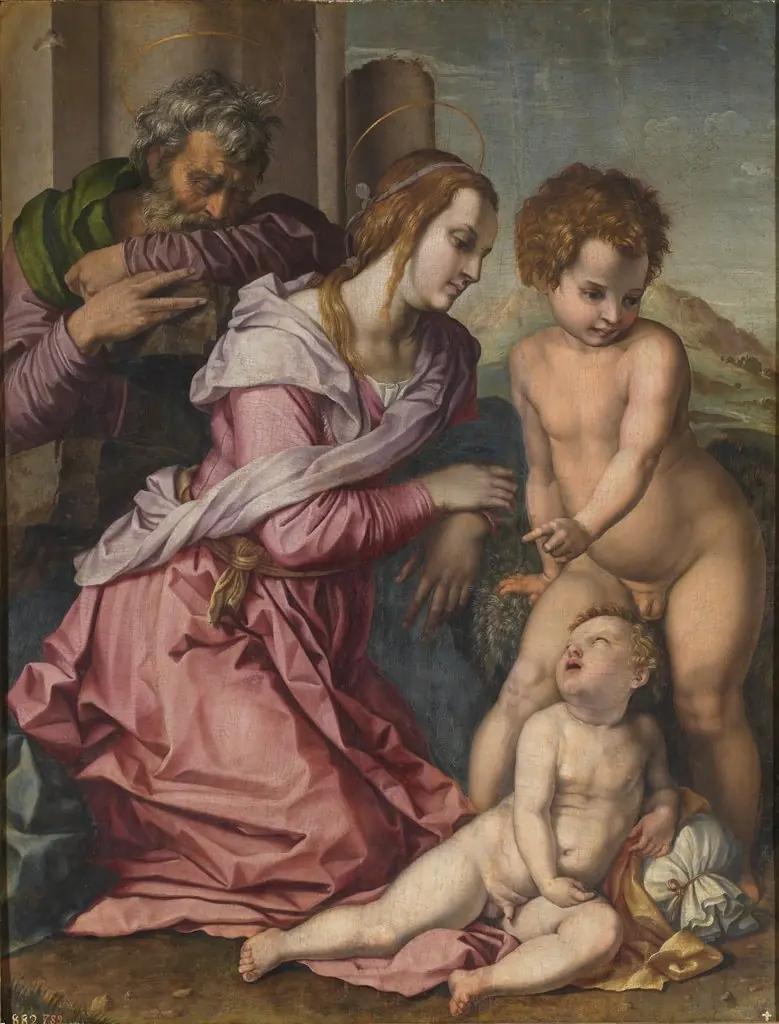 The Holy Family with the Infant Saint John the Baptist
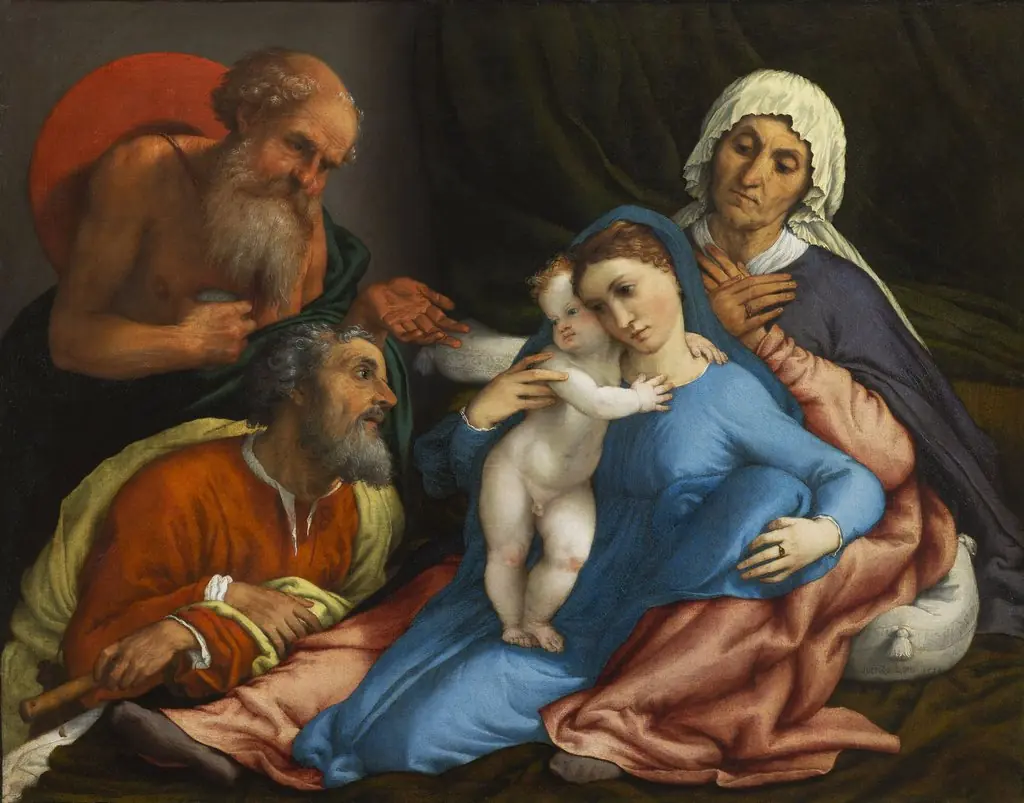 Madonna and Child with Saints
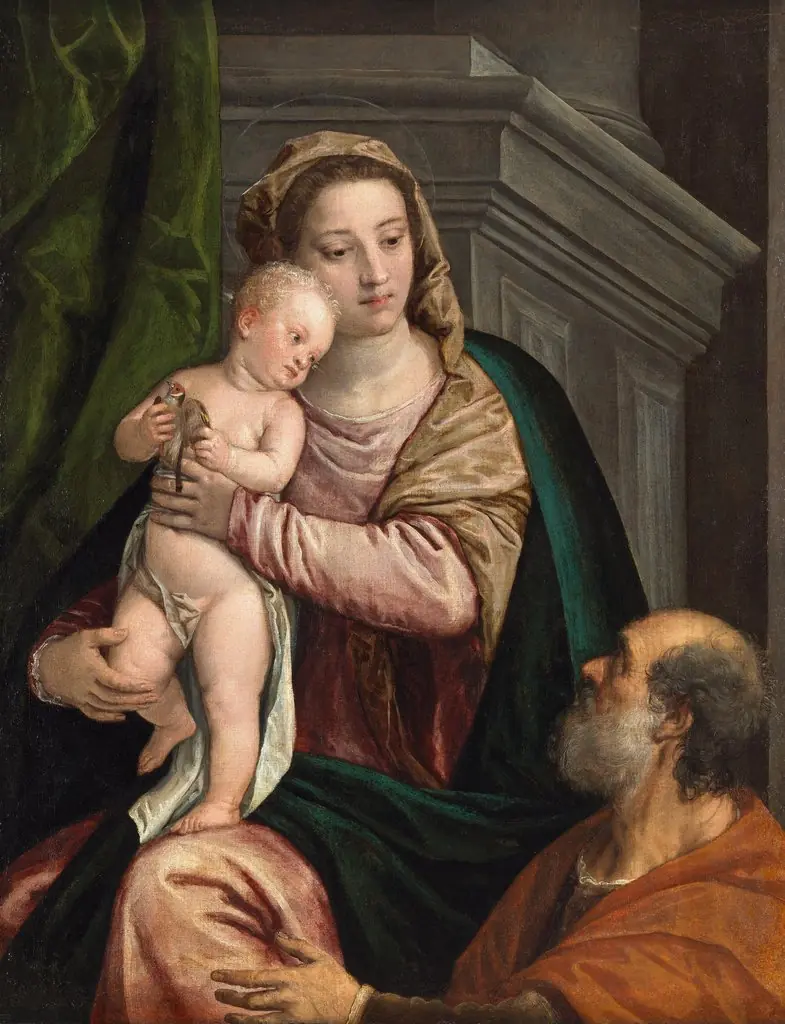 Die Heilige Familie
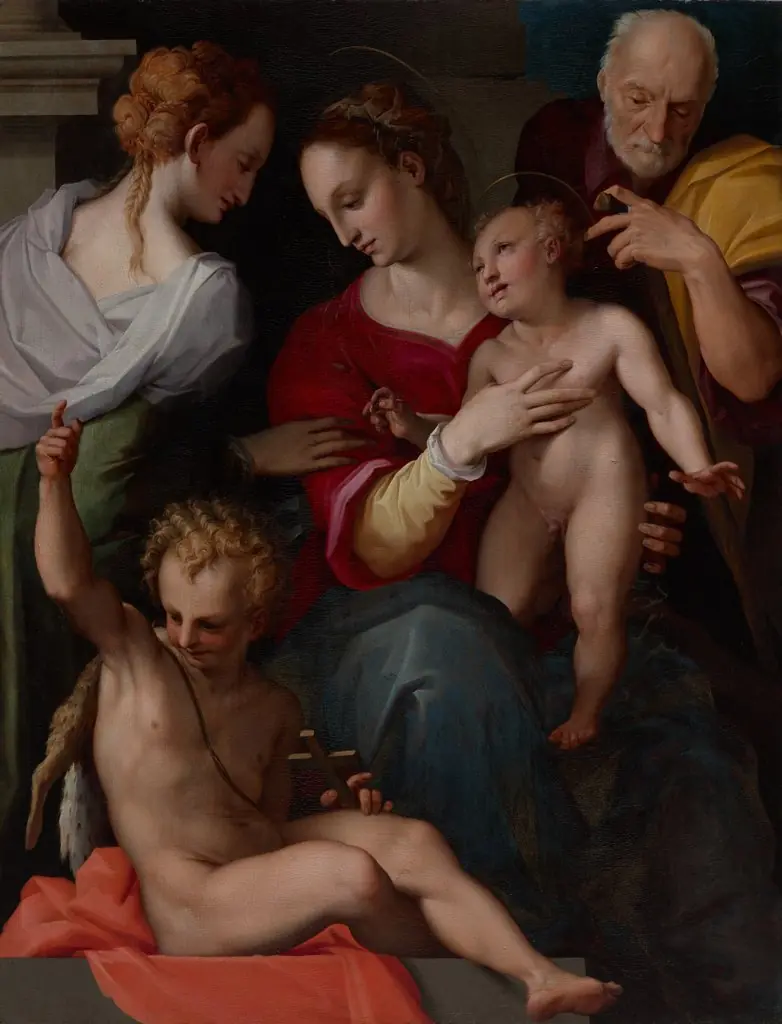 Holy Family with the Mystic Marriage of Saint Catherine
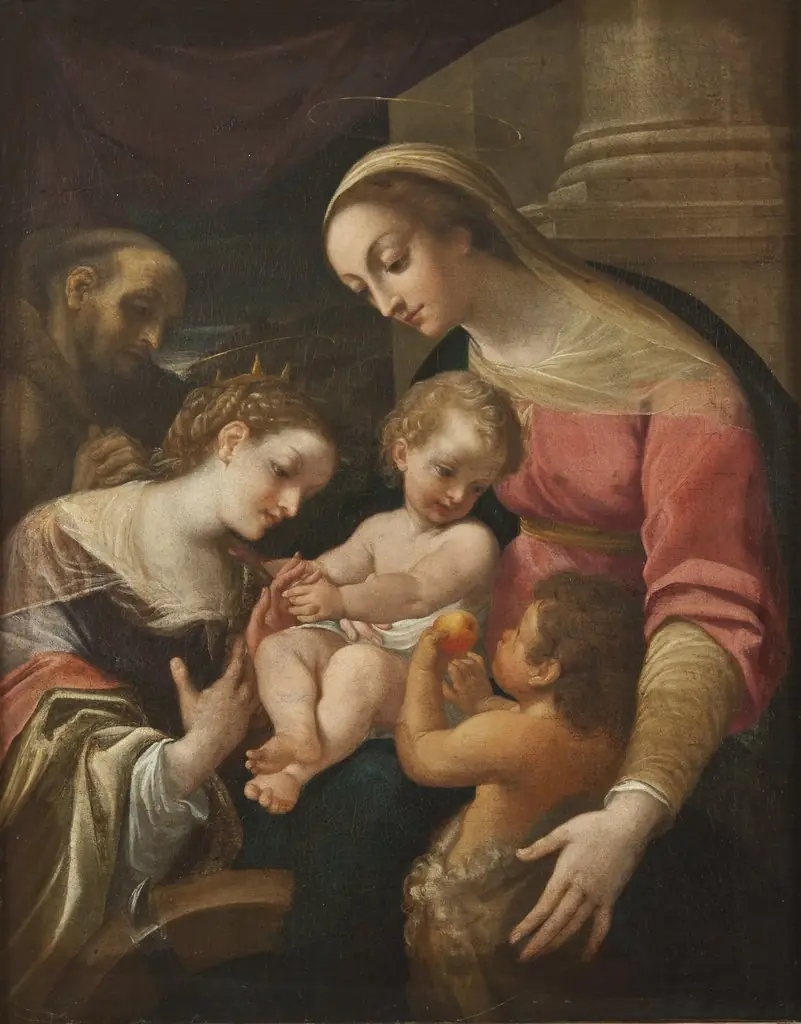 The Mystic Marriage of St Catherine
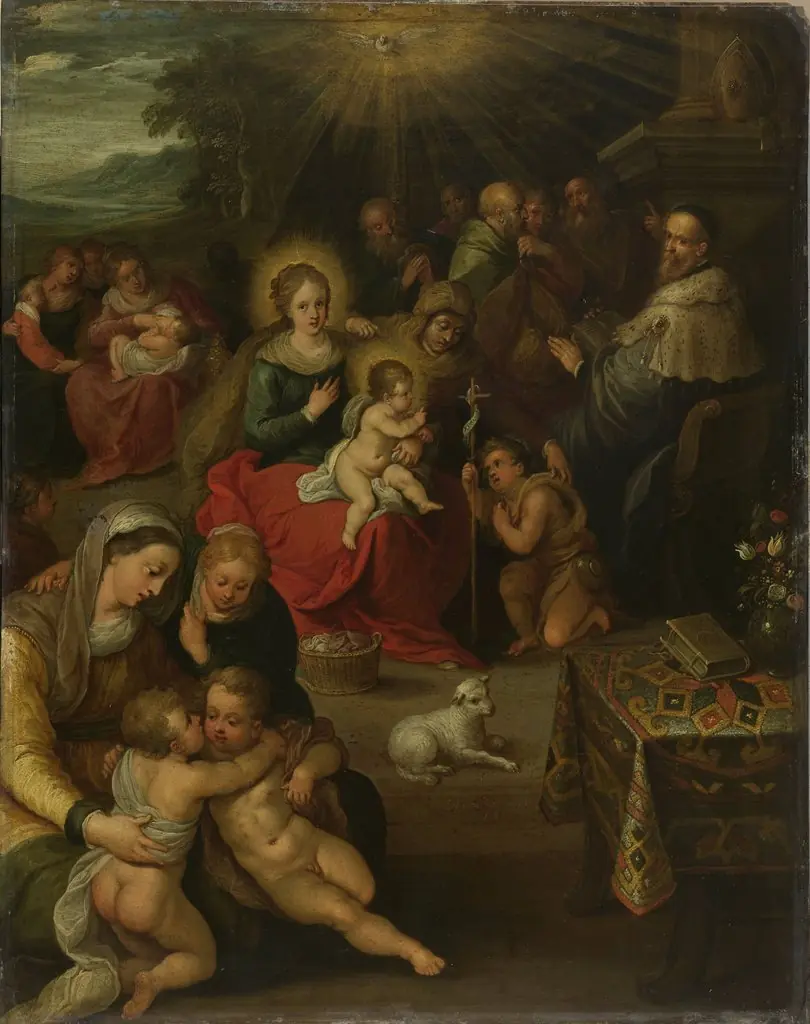 Allegory on the Christ child as the lamb of God
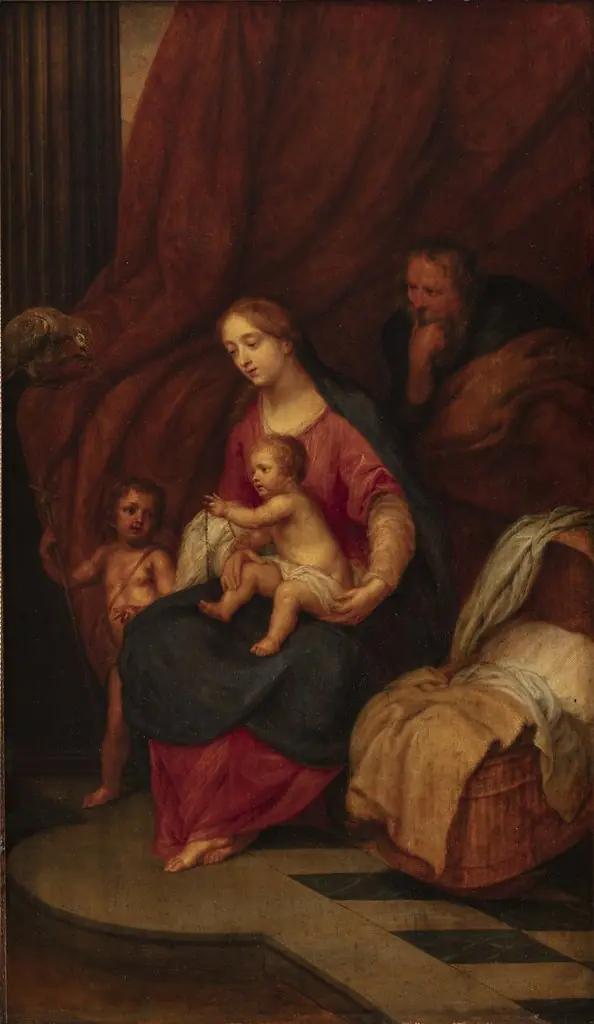 The Holy Family
 Mariage mystique de sainte Catherine