Artwork
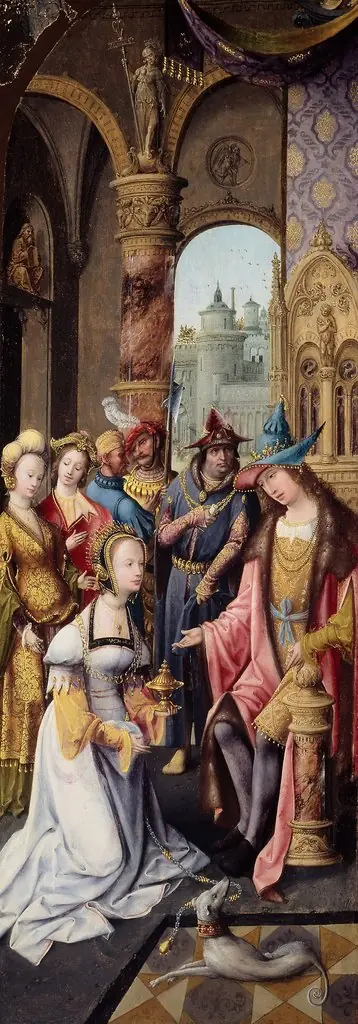
Visit of the Queen of Sheba
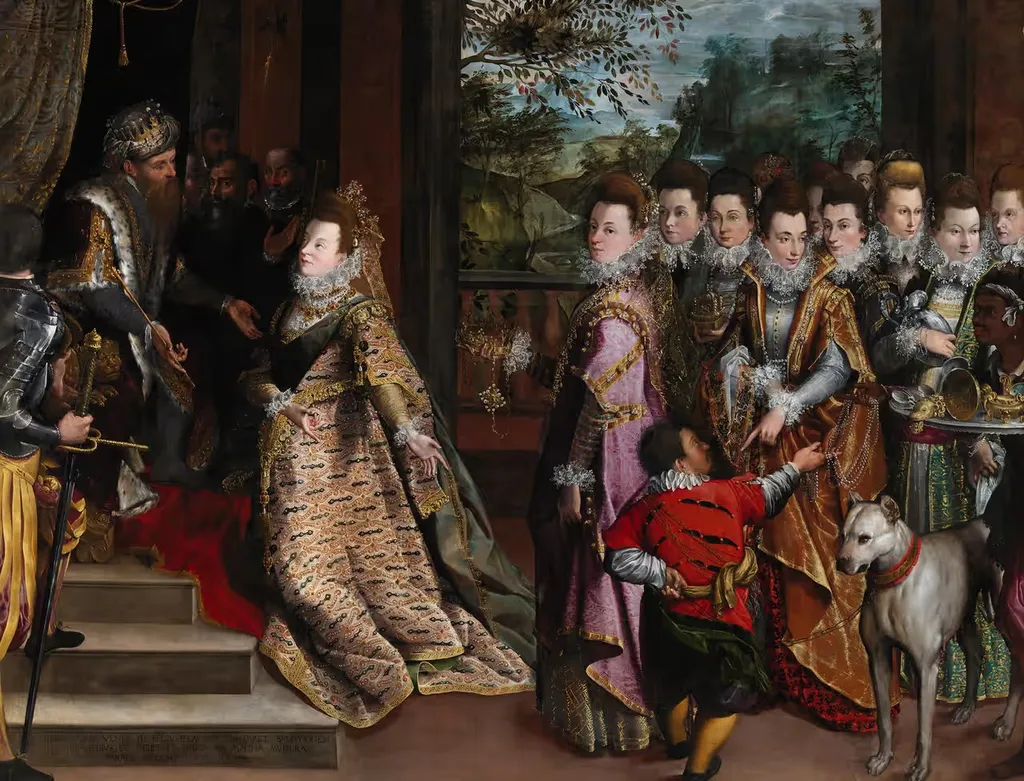
Visit of the Queen of Sheba is an oil painting by the Mannerist artist Lavinia Fontana. It dates from 1600 and is held in the collection of the National Gallery of Ireland.
About this work
Overview
Lavinia Fontana's *Visit of the Queen of Sheba* (1600) is a Mannerist-period oil painting depicting a biblical scene. Created by one of Western Europe's first successful female career artists, the work combines Fontana's expertise in portraiture, religious, and mythological themes.
Subject & Meaning
The painting illustrates a moment from the biblical account of the Queen of Sheba's visit, emphasizing royal grandeur and hierarchy. The queen, adorned with a crown and scepter, stands central amidst attendants and dignitaries, conveying power and status through symbolic attire and accessories.
Technique & Style
Fontana employs oil paint to achieve intricate details, evident in the queen's ornate, gold-accented dress and the formal attire of the surrounding figures. A dark background subtly hints at a landscape, contrasting with the luminous, detailed foreground.
History & Provenance
Painted in 1600, *Visit of the Queen of Sheba* is now part of the National Gallery of Ireland's collection, reflecting Fontana's established career as a female artist in a predominantly male-dominated field during the Mannerist period.
Context
As a Mannerist work, the painting's attention to detail, use of symbolism, and composition reflect the artistic trends of late 16th-century Italy, where Fontana, trained by her father Prospero Fontana, carved out a notable career.
Legacy
This work contributes to Fontana's legacy as a pioneering female artist, showcasing her ability to execute complex, themed paintings that appealed to contemporary patrons, and continuing to represent her artistic prowess in modern museum collections.
Artist & collection
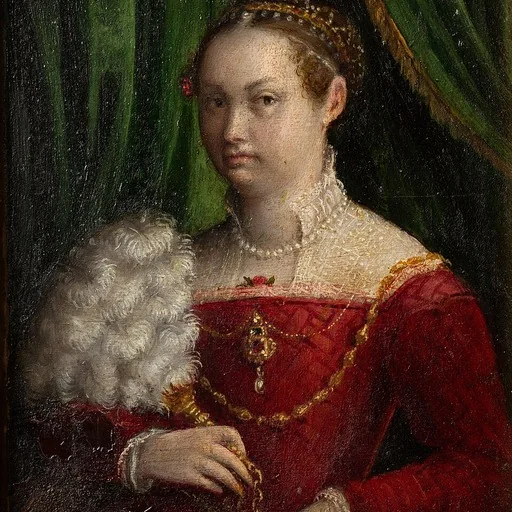
Artist
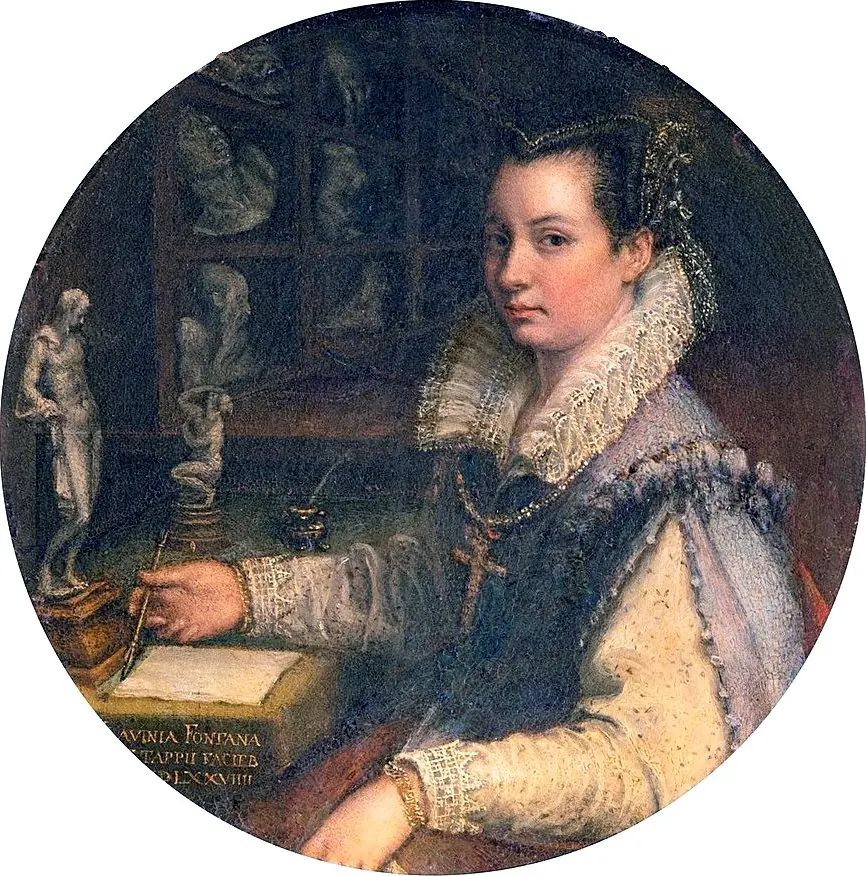
Lavinia Fontana (24 August 1552 – 11 August 1614) was an Italian Mannerist painter active in Bologna and Rome.

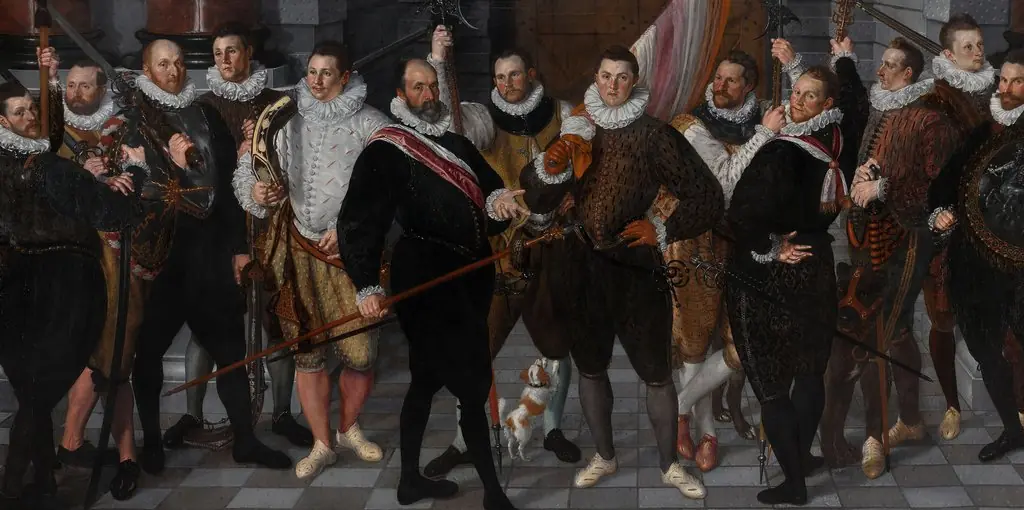 The Company of Captain Dirck Jacobsz Rosecrans and Lieutenant Pauw
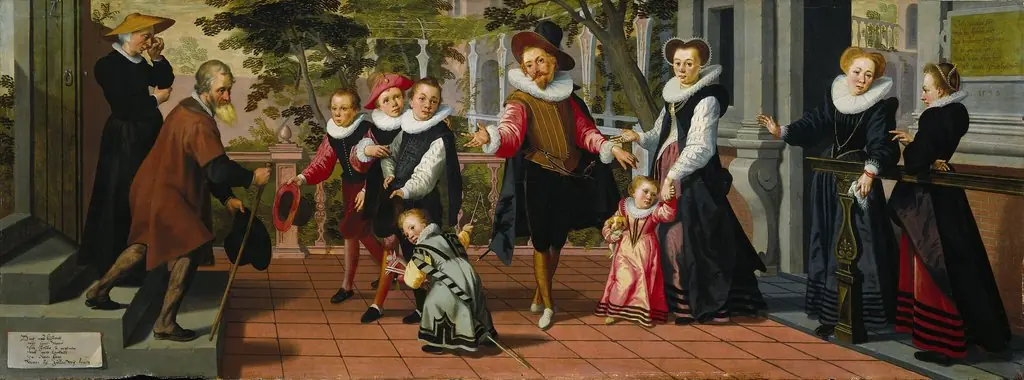 Rich Children, Poor Parents
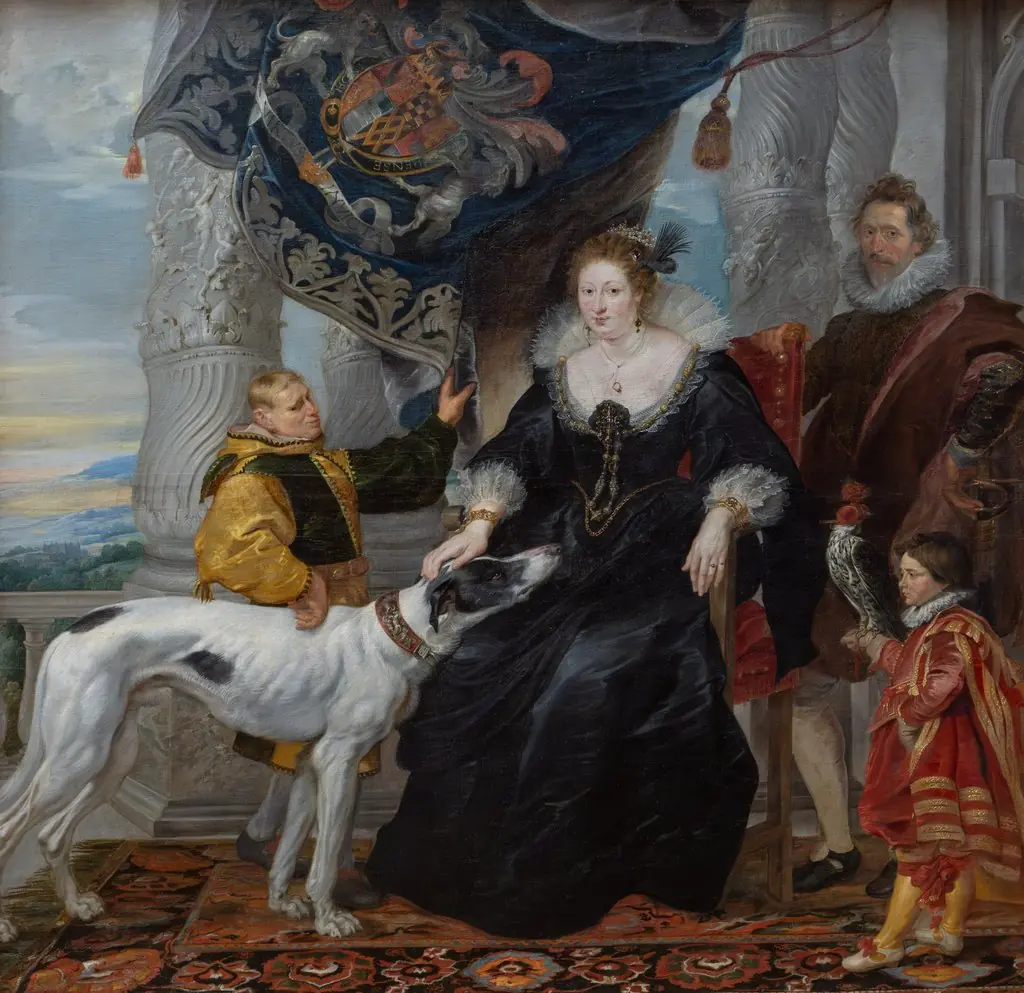 Double portrait of Alethea Talbot (1585-1654), Countess of Arundel and Sir Dudley Carleton (1573-1632), with two servants
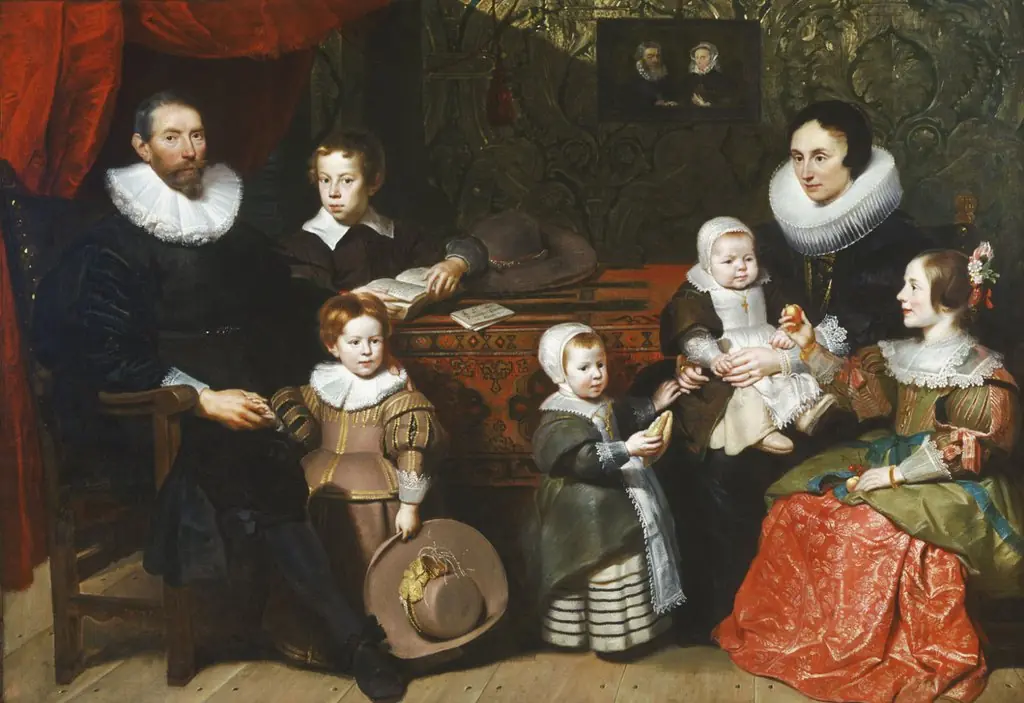 Portrait of Anthony Reyniers and His Family
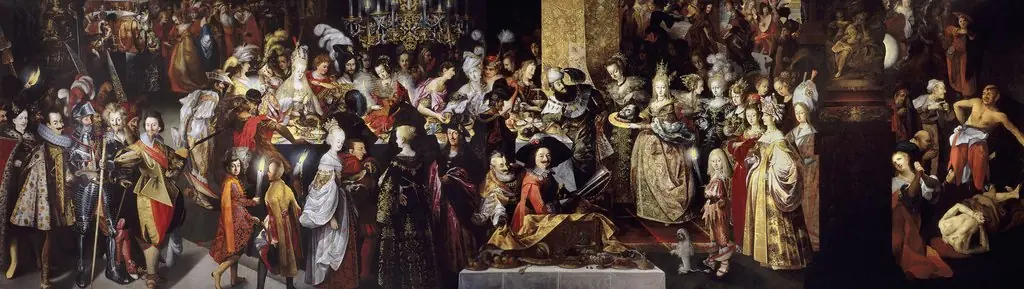 Feast of Herod with the Beheading of St John the Baptist
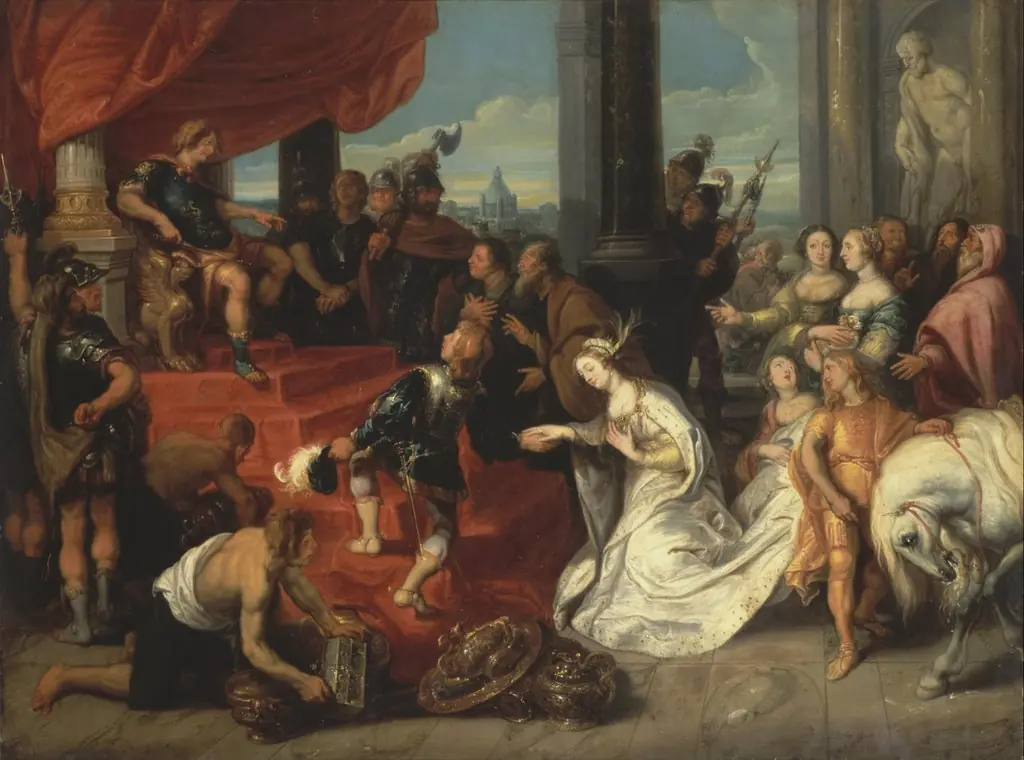 The Magnanimity of Scipio Africanus
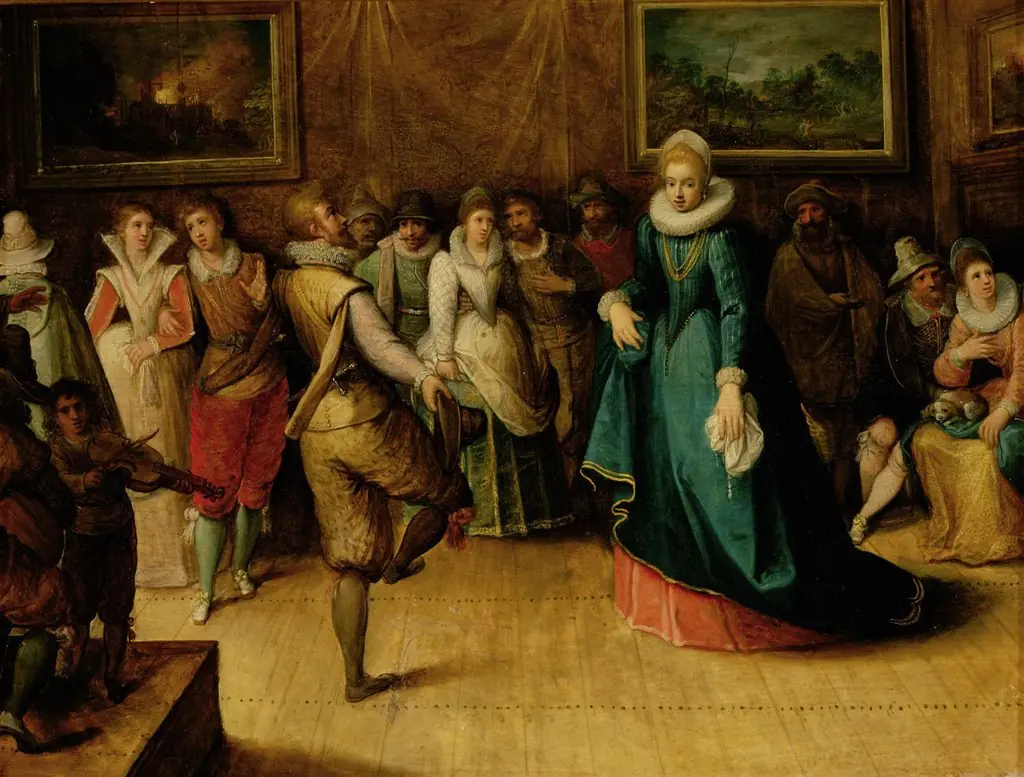 Tanzgesellschaft
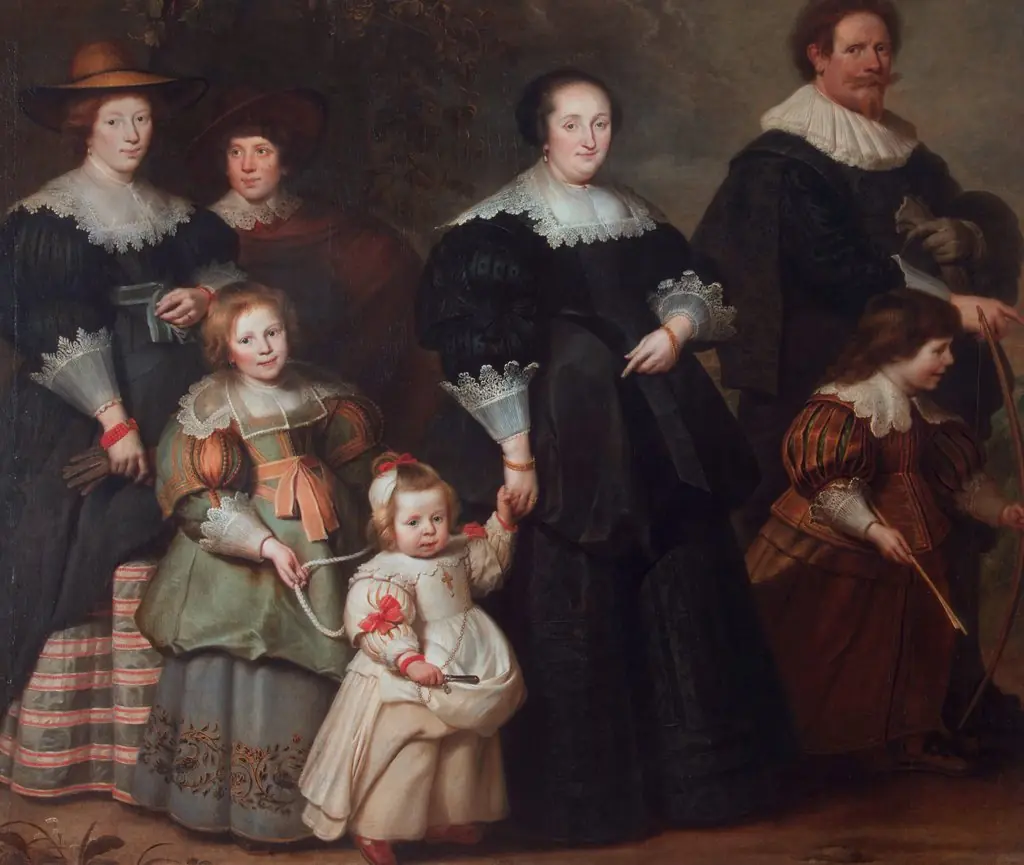 Self-Portrait of the Artist with his Wife Suzanne Cock and their Children
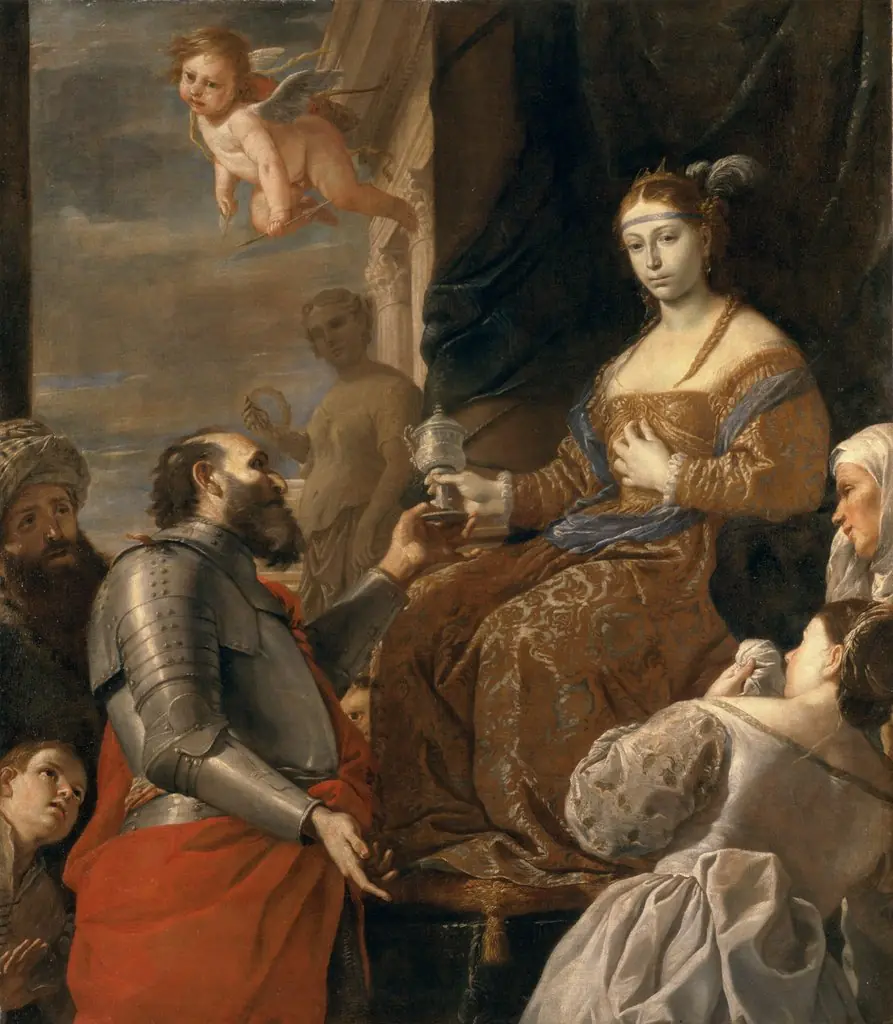 Death of Sophonisbe
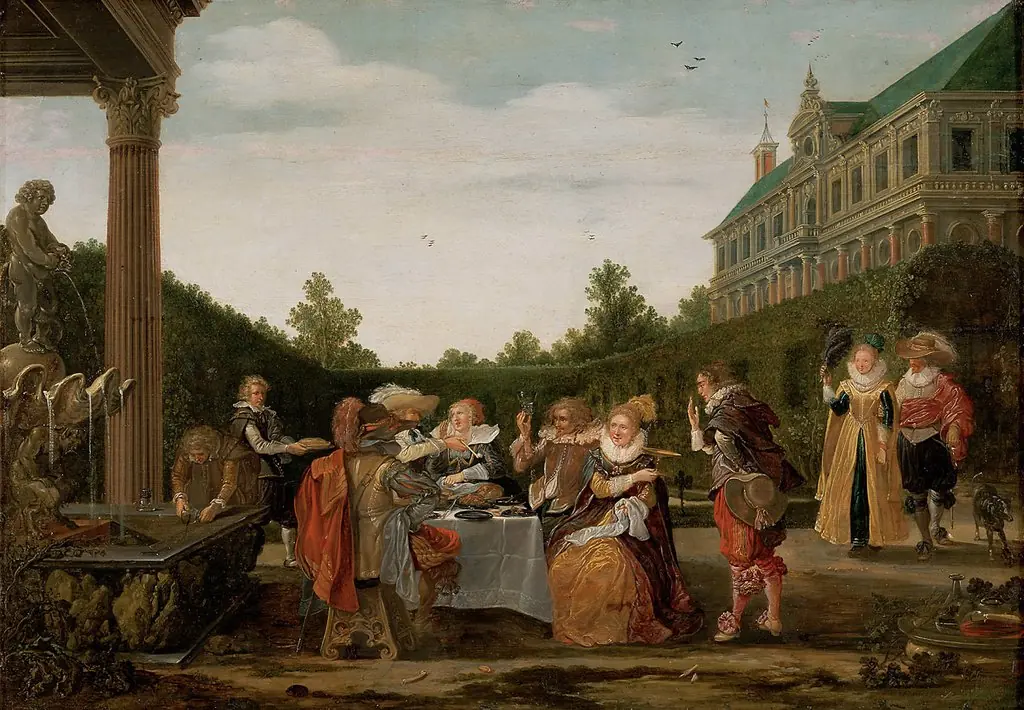 Banquet in a palatial garden, with an elegant company drinking and in conversation
 Three Figures Dressed for a Masquerade
 King Solomon Receiving the Queen of Sheba