Artwork
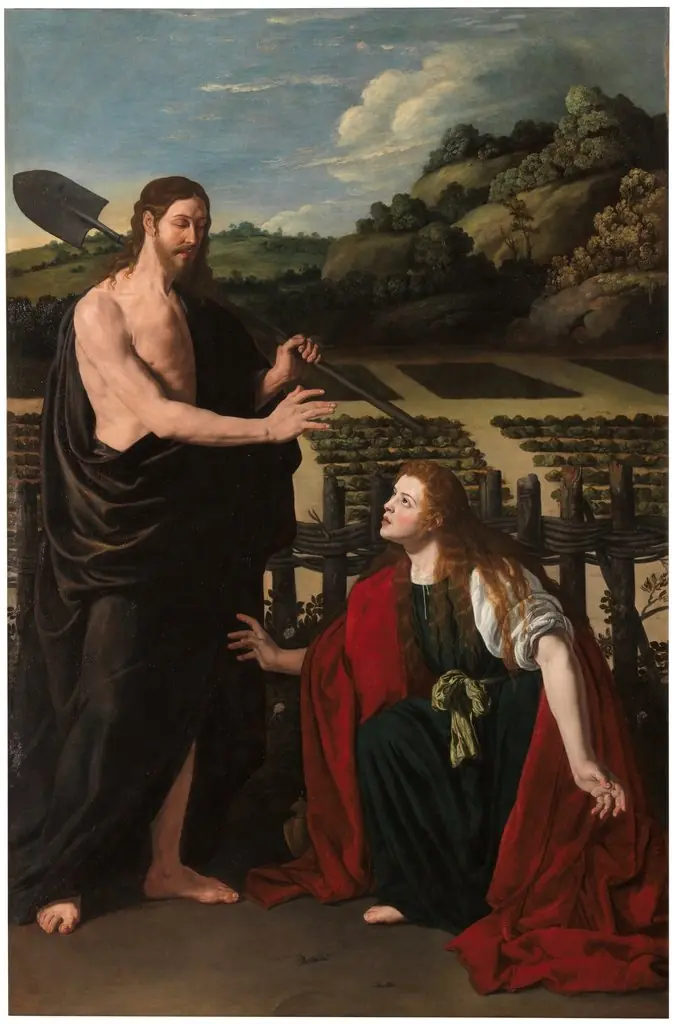
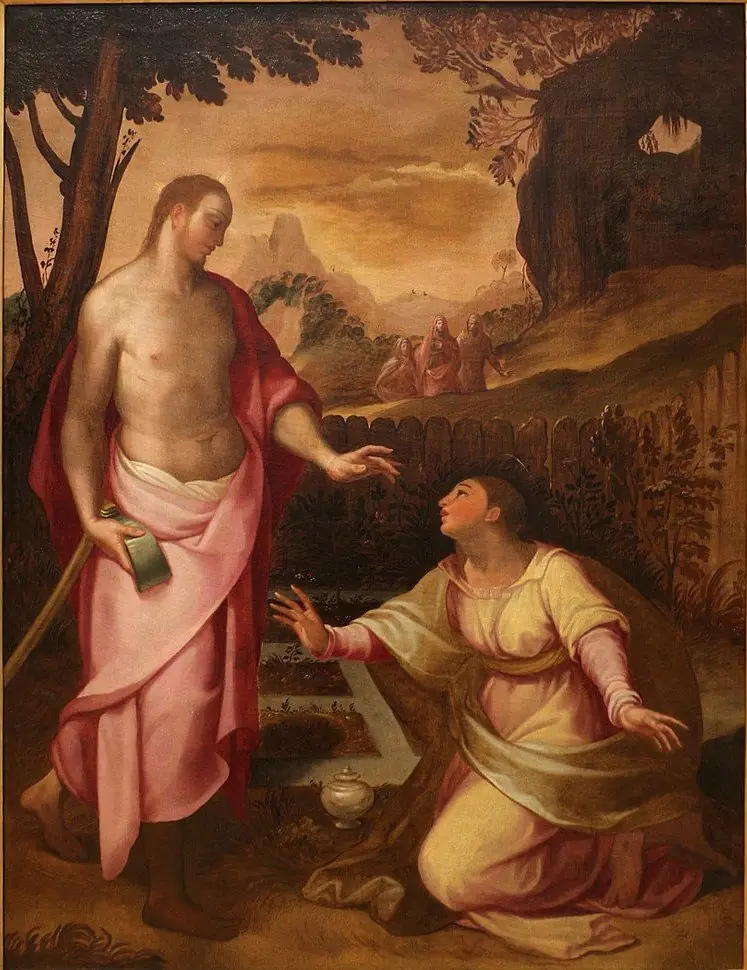
Christ appears to Mary Magdalen
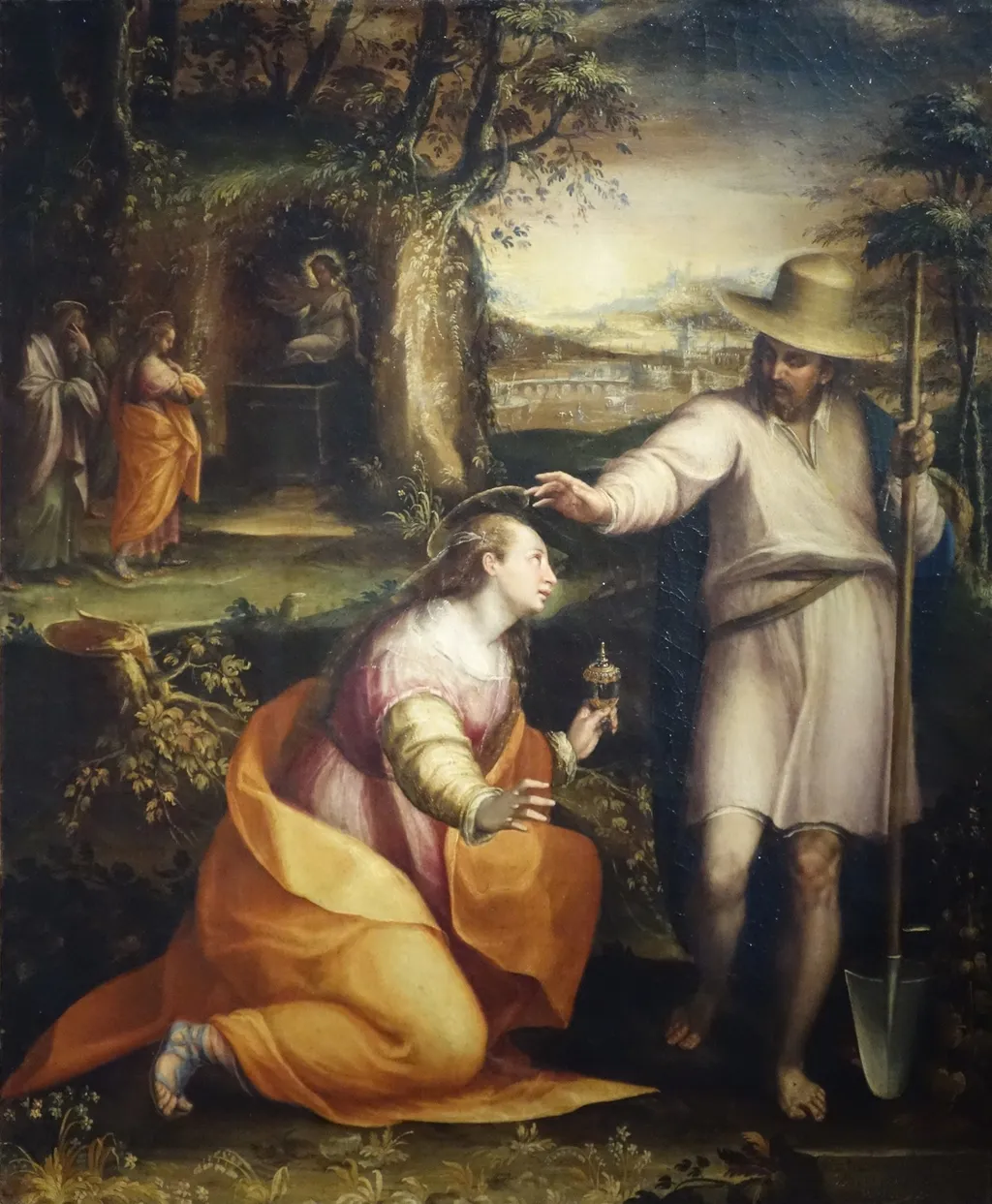
Christ appears to Mary Magdalen is an oil painting by the Early Baroque Italian artist Lavinia Fontana. It dates from 1591 and is held in the collection of the Uffizi Gallery.
About this work
Overview
Christ appears to Mary Magdalen is a 1591 oil painting by Lavinia Fontana, depicting the biblical scene of Jesus Christ's post-resurrection appearance to Mary Magdalene. The work is now part of the Uffizi Gallery's collection.
Subject & Meaning
The painting illustrates a pivotal New Testament moment, where Jesus appears to Mary Magdalene after his resurrection. The serene composition conveys the emotional and spiritual intimacy of this encounter.
Technique & Style
Fontana employed warm colors and soft brushstrokes to create a sense of calm and intimacy. The contrast between the foreground figures and the distant, lush landscape adds depth, reflecting her Mannerist training and the transitional stylistic period.
History & Provenance
Created in 1591, the painting was part of Fontana's output during her successful career as the first female professional artist in Western Europe. Her husband managed her commissions, supporting their household.
Context
Painted during the transition from Mannerism to early Baroque in Italy, the work contributes to both religious and portrait genres, characteristic of Fontana's versatile output.
Legacy
As a pioneering female artist, Fontana's work, including *Christ appears to Mary Magdalen*, highlights her technical skill and the challenges of balancing artistic career and domestic responsibilities in her time.
Own this work as a print
Artist & collection
Artist
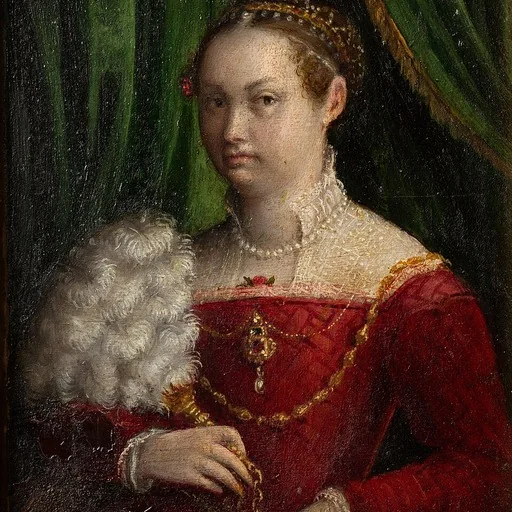
Lavinia Fontana (24 August 1552 – 11 August 1614) was an Italian Mannerist painter active in Bologna and Rome.

 Botezul sfintei Ecaterina
 Noli me Tangere
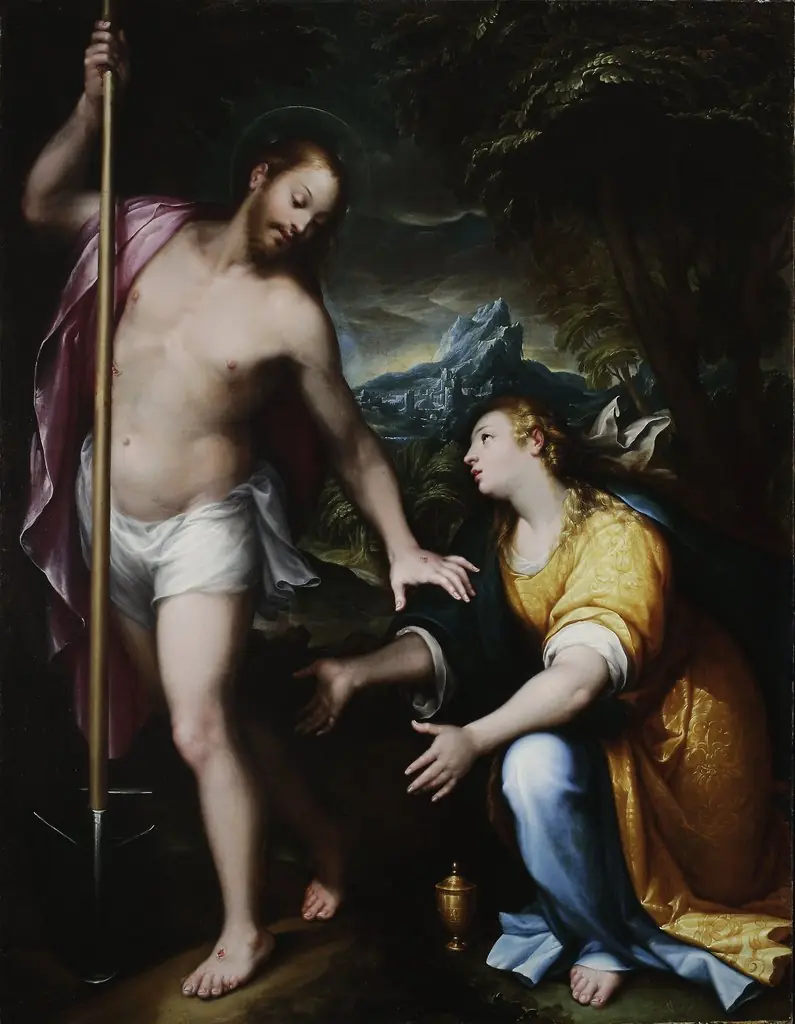 “Noli me tangere” – Resurrected Christ appearing to Mary Magdalene (John 20:14-17)
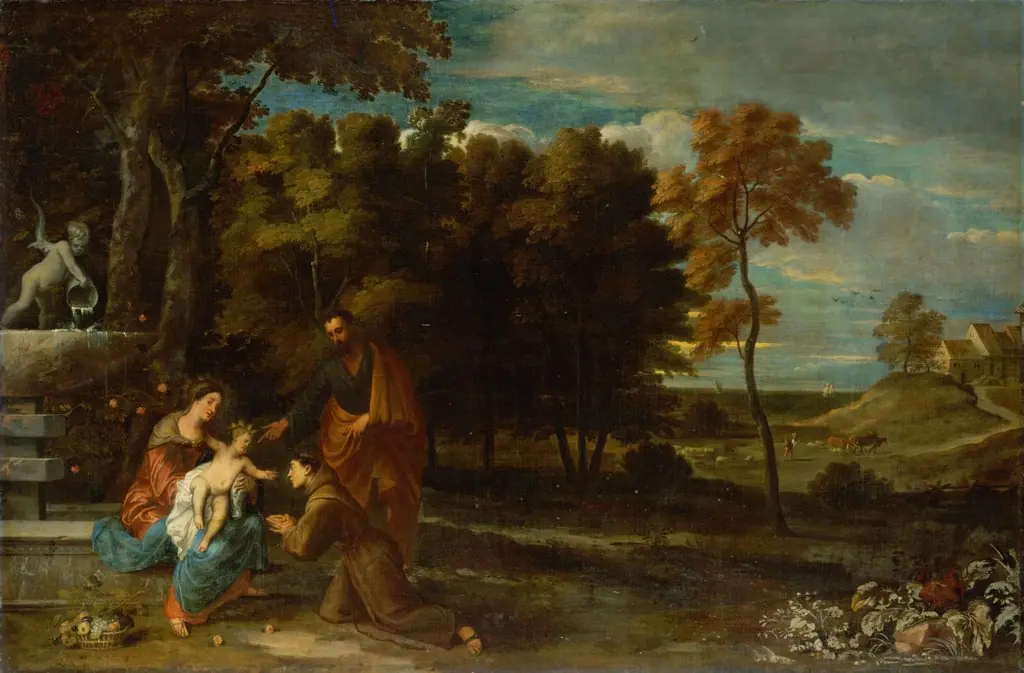 Landscape with the Holy Family and St. Anthony of Padua
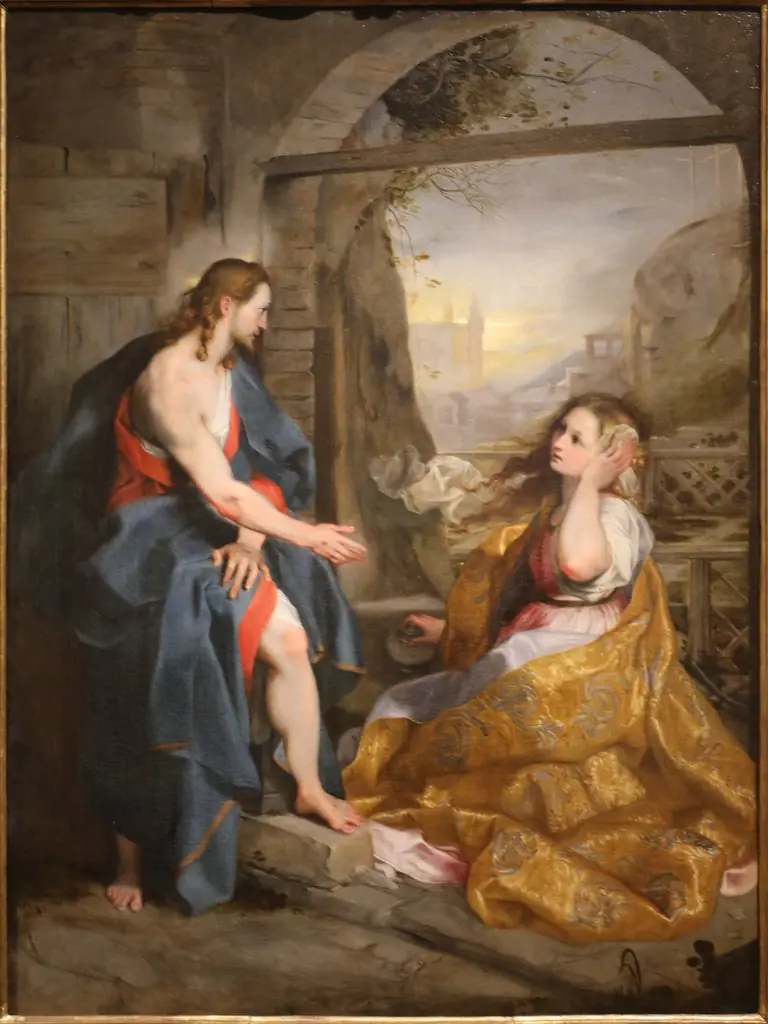 Noli me tangere
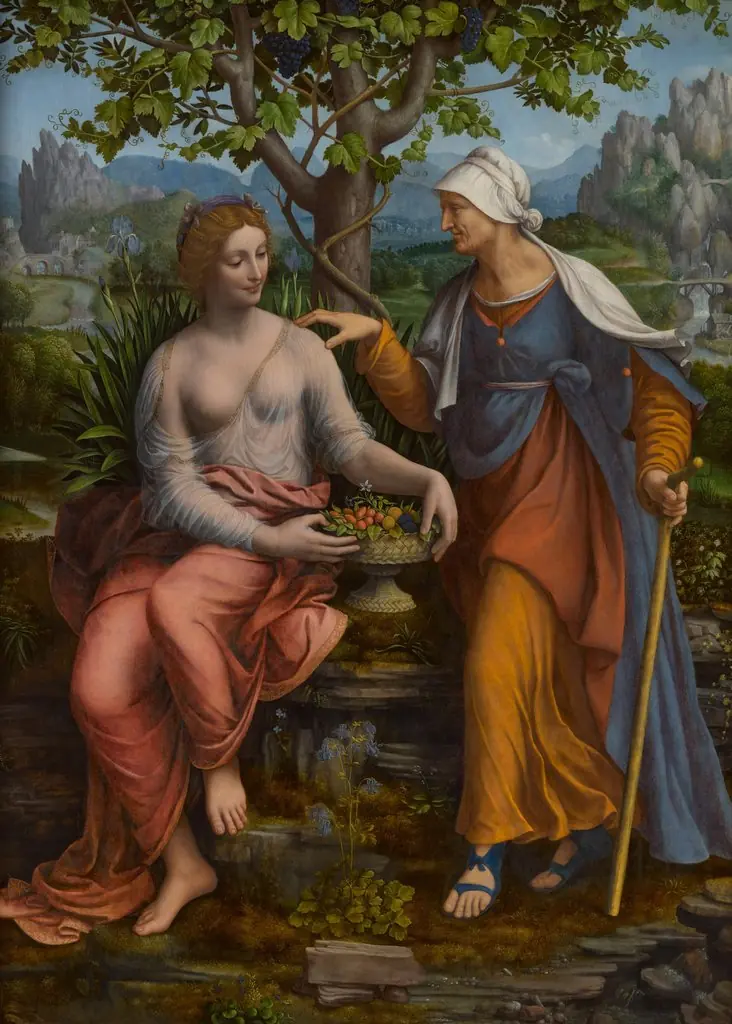 Vertumnus and Pomona
 Noli me tangere
 Johannes Kastaja kerää kukkia vanhemmilleen
 Christ and the Woman of Samaria
 Susanna and the Elders