Artwork
Paulina, First Wife of Sir Codrington Edmund Carrington
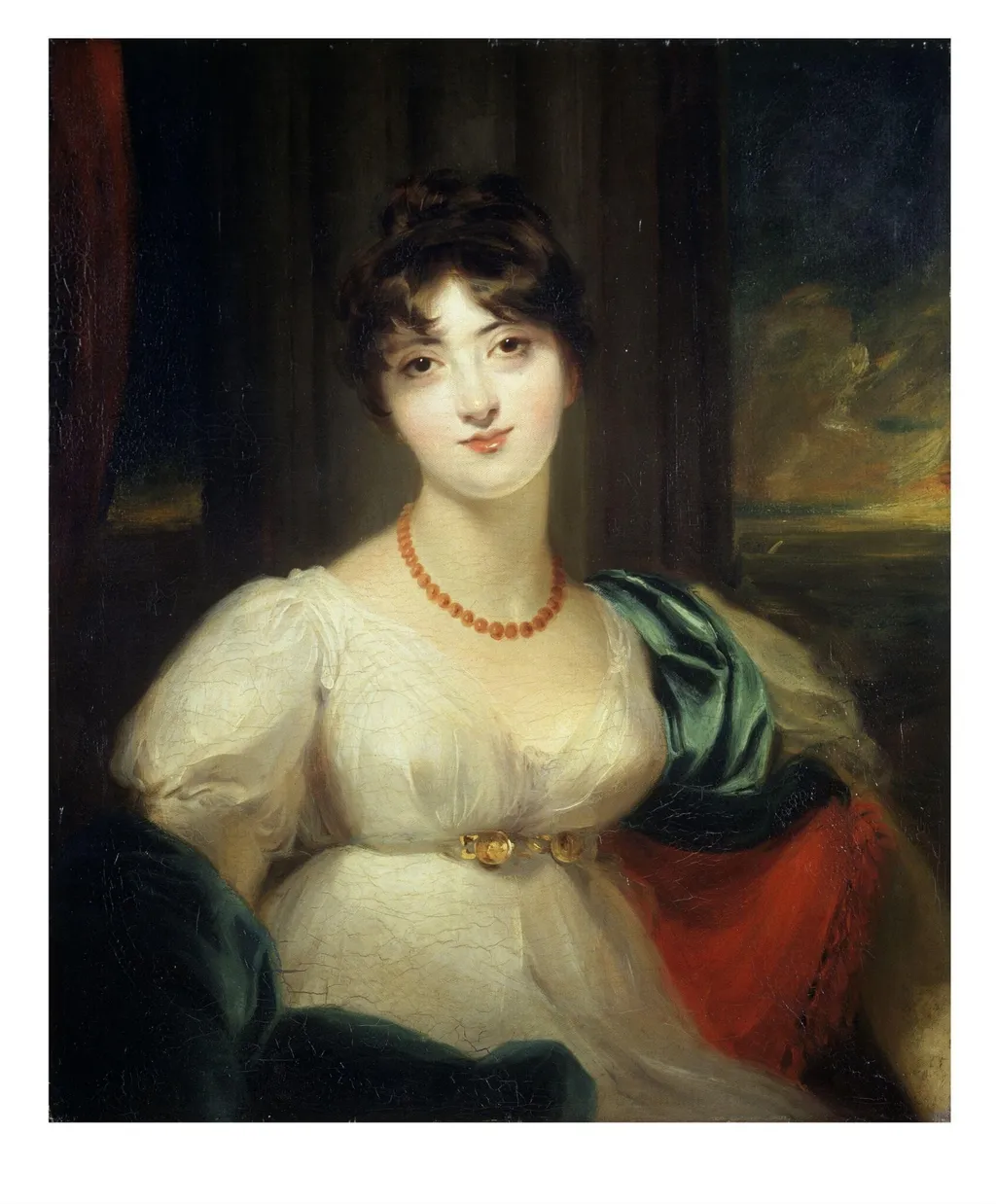
Paulina, First Wife of Sir Codrington Edmund Carrington is an oil painting by the Romanticist artist Thomas PRA Lawrence. It dates from 1806 and is held in the collection of the Victoria and Albert Museum. This oil painting is a formal portrait of Paulina Carrington, created around 1806 by the prominent British portrait painter Thomas Lawrence.
About this work
Paulina married Sir Codrington Edmund Carrington, a wealthy lawyer and Chief Justice of Ceylon.
This is a formal portrait of Paulina, painted around 1806. She was the daughter of John Belli, who worked for India’s first Governor-General. Paulina married Sir Codrington Edmund Carrington, a wealthy lawyer and Chief Justice of Ceylon.
Lawrence was Britain’s top portrait painter then. He charged about £42 for portraits like this. The couple had just returned to England when this was painted.
Look up the Victoria and Albert Museum next.
Overview
This oil painting is a formal portrait of Paulina Carrington, created around 1806 by the prominent British portrait painter Thomas Lawrence.
Subject & Meaning
The sitter, Paulina, was the daughter of John Belli, private secretary to Warren Hastings, India's first Governor-General. She married Sir Codrington Edmund Carrington, a wealthy plantation owner and lawyer, in 1801.
Technique & Style
Lawrence's portrait of Paulina is a characteristic example of his work, capturing the subject in a formal pose. A companion portrait of her husband, stylistically earlier, is held by the Victoria and Albert Museum.
History & Provenance
The portrait was painted upon the couple's return to England in 1806, following Sir Codrington's tenure as Chief Justice of Ceylon from 1800 to 1806.
Own this work as a print
Artist & collection
Artist
Thomas PRA Lawrence made prints and oil portraits in late 18th- and early 19th-century Britain.

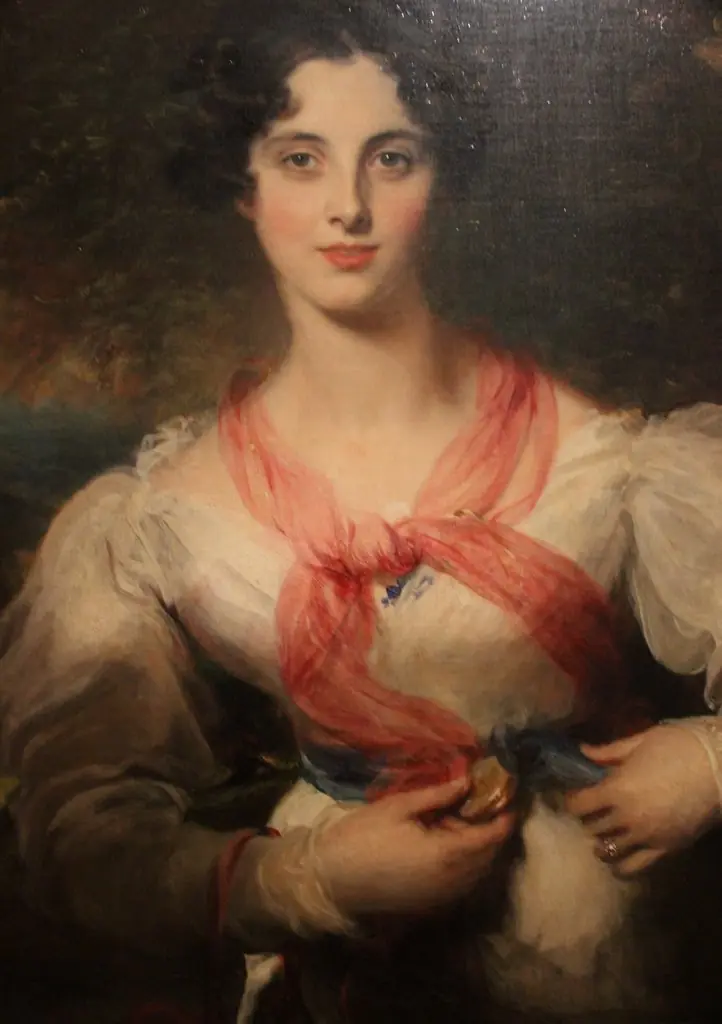 Portrait of Harriott West (Later Mrs. William Woodgate)
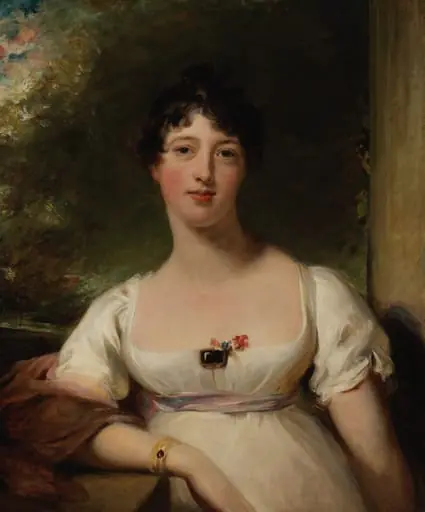 Anna Maria Dashwood, later Marchioness of Ely
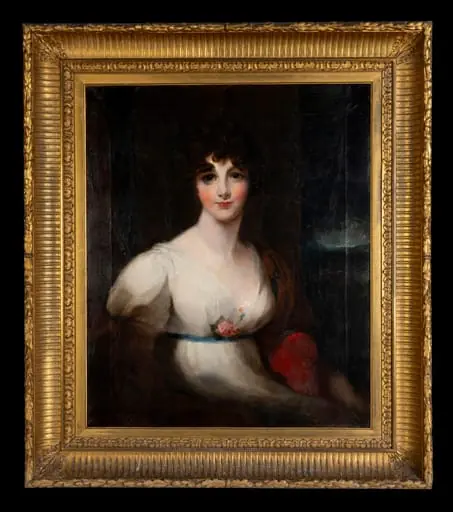 Louisa Jane Allen
 Naisen muotokuva
 Fearne Gardiner, Mrs George Kinnear (1771 - 1846)
 Portrait of Mary Anne Bloxam (later Mrs. Frederick H. Hemming)
 Miss Lamont of Greenock
 Mrs. Robert Blencowe
 Viscountess Dungannon (d.1880)
 H Beard Print Collection