Artwork
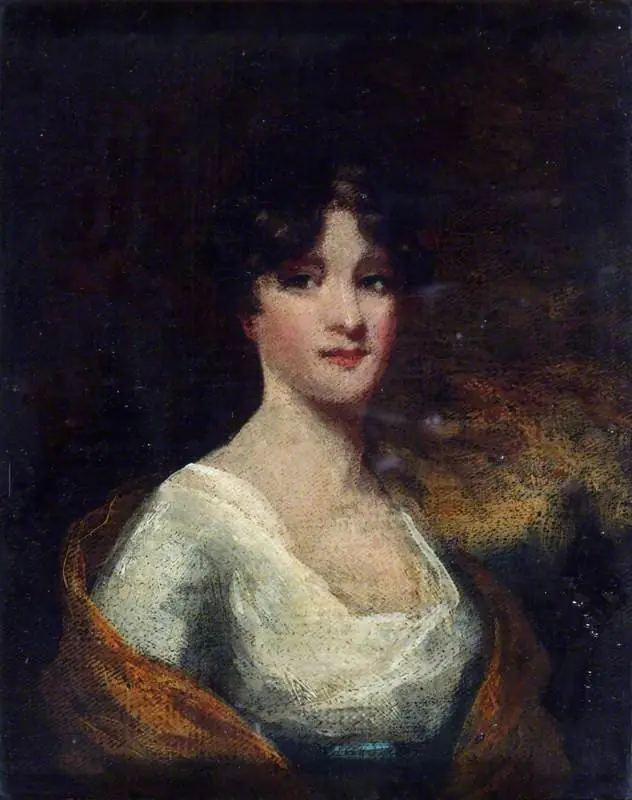
Portrait of Lady Lea
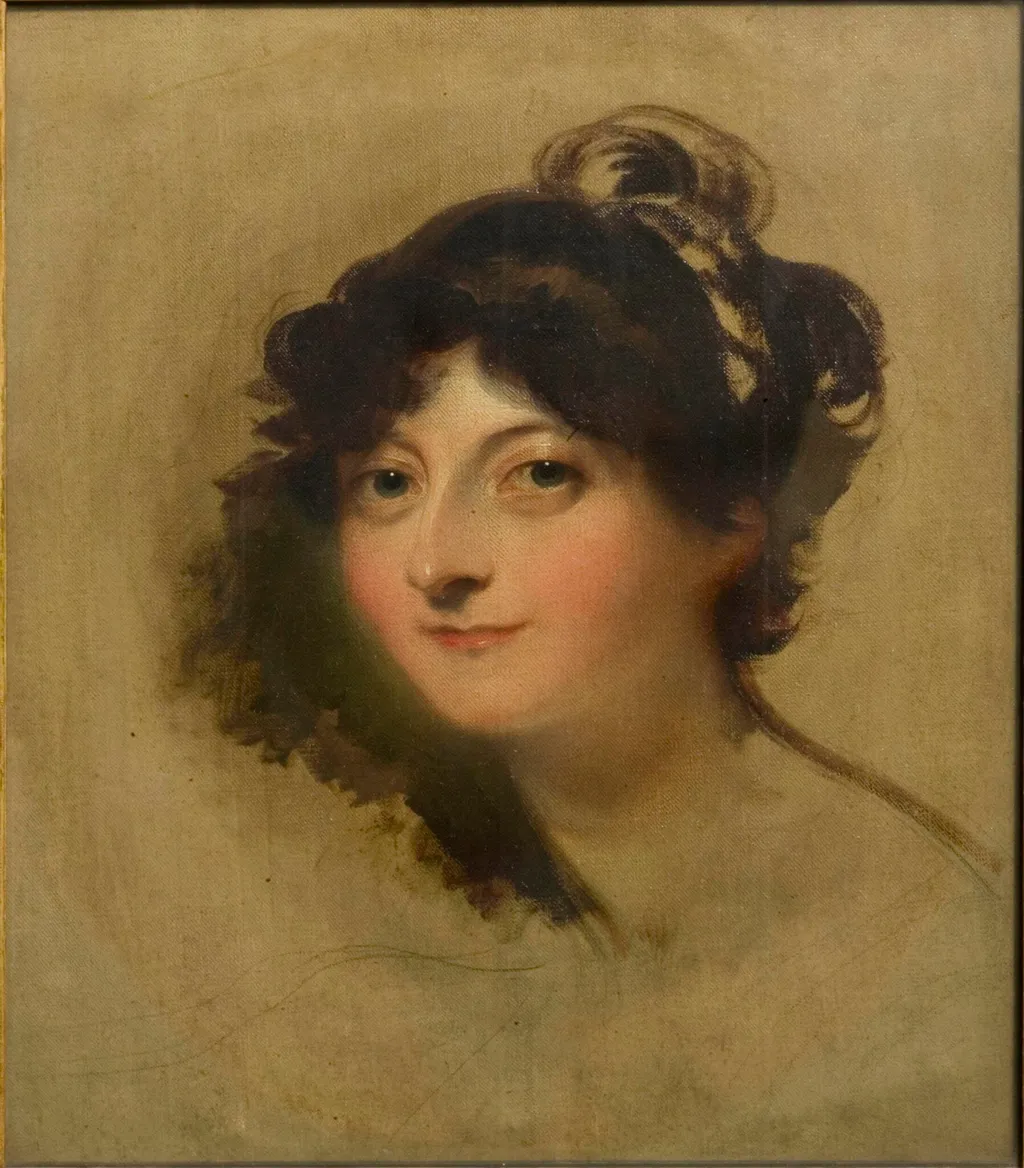
Portrait of Lady Lea is an oil painting by the Rococo painting artist Thomas PRA Lawrence. It dates from 1750 and is held in the collection of the Victoria and Albert Museum.
About this work
Overview
The background is a deep, unmodulated brown, isolating the head and emphasizing its modeling.
This oil painting presents a partial portrait of a woman, identified only as Lady Lea, with her face rendered in fine detail while the rest of the figure remains loosely sketched. The background is a deep, unmodulated brown, isolating the head and emphasizing its modeling. The work’s incomplete state suggests it may have served as a preparatory study rather than a finished commission, offering insight into the artist’s procedural approach.
Subject & Meaning
The identity of the sitter remains unconfirmed, though the title associates her with the Lea family. Her expression is calm and composed, typical of portraiture from this period, but the lack of full context—clothing, posture, or attributes—prevents definitive interpretation. The focus on the face alone suggests an emphasis on individual presence rather than social status or narrative, possibly reflecting the artist’s interest in psychological presence over formal display.
Technique & Style
The artist employed a controlled chiaroscuro effect, using rich dark tones to frame the illuminated face. The head is built with layered oil glazes, achieving subtle transitions in skin tone and texture, while the surrounding areas are executed with rapid, visible brushwork. This contrast between refined detail and provisional sketching reveals a working method in which the face was prioritized as the core element of likeness, with the rest of the composition deferred.
History & Provenance
The painting’s early ownership is undocumented, and its status as a study or independent work remains unresolved. It is grouped with other similar oil sketches by the artist, many of which were retained in his studio rather than delivered to patrons. These works were not intended for public display but served as practical tools in the development of larger commissions, preserved now as records of his creative process.
Context
During the late 18th and early 19th centuries, portraitists often produced preparatory studies to refine composition and likeness before final execution. Lawrence, as a leading portraitist of the British elite, frequently worked from life and relied on such studies to manage the demands of high-profile commissions. This piece reflects a common studio practice among contemporaries, where efficiency and accuracy were balanced through incremental development.
Legacy
Though not a finished portrait, this work contributes to understanding Lawrence’s methodology and the evolution of his sitters’ likenesses. It stands as an example of how major artists of the period used incomplete forms to explore expression and form, offering modern viewers a rare glimpse into the private, experimental phase of portraiture—beyond the polished final versions displayed in aristocratic collections.
Artist & collection
Artist
Thomas PRA Lawrence made prints and oil portraits in late 18th- and early 19th-century Britain.

 Portrait of a Lady
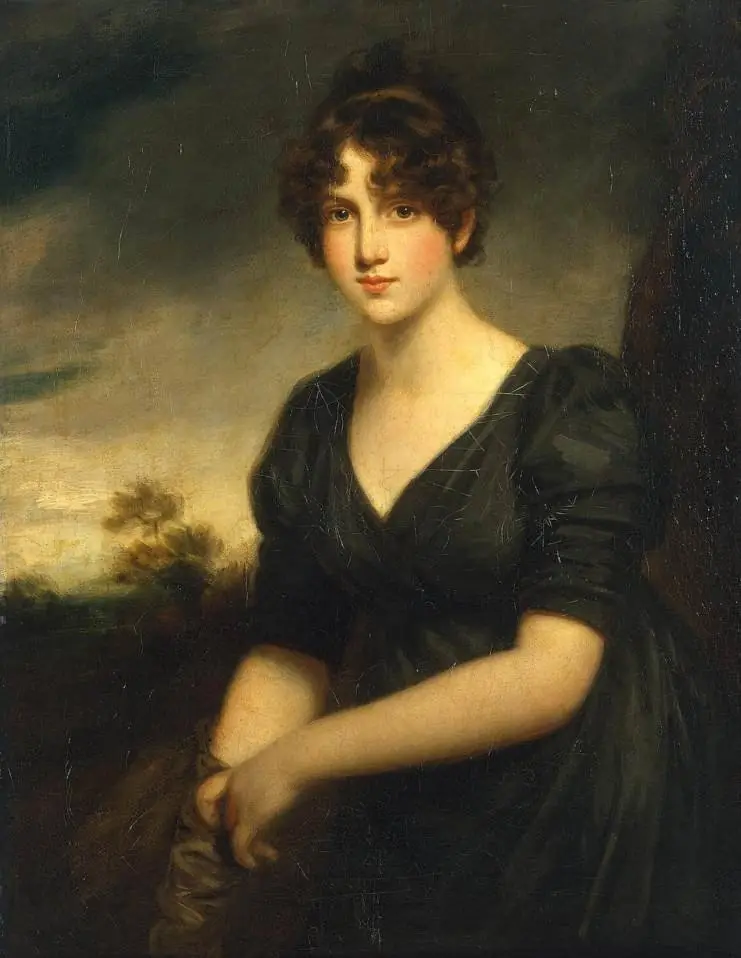 Portrait of a Woman (Miss Frances Winnicobe ?)
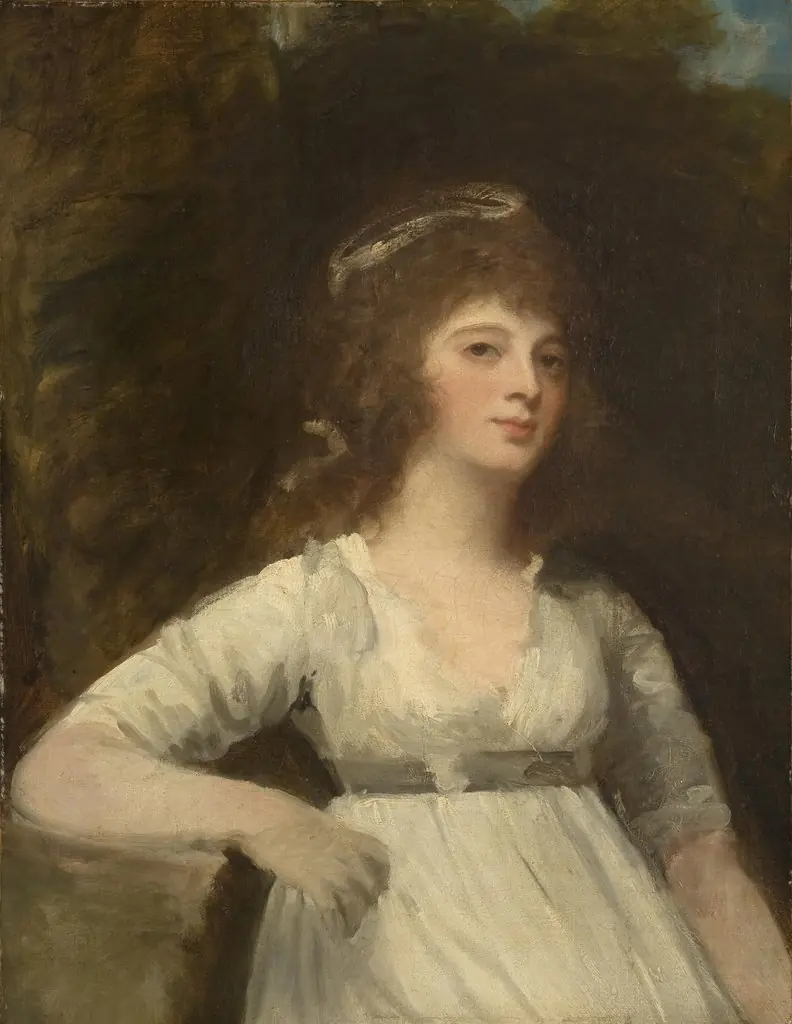 Portrait of Mrs. Finch
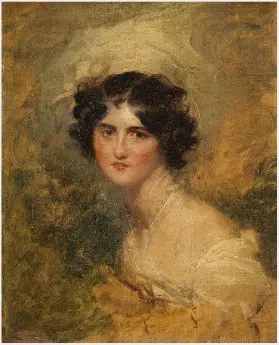 Portrait of Miss Boaden, Singer
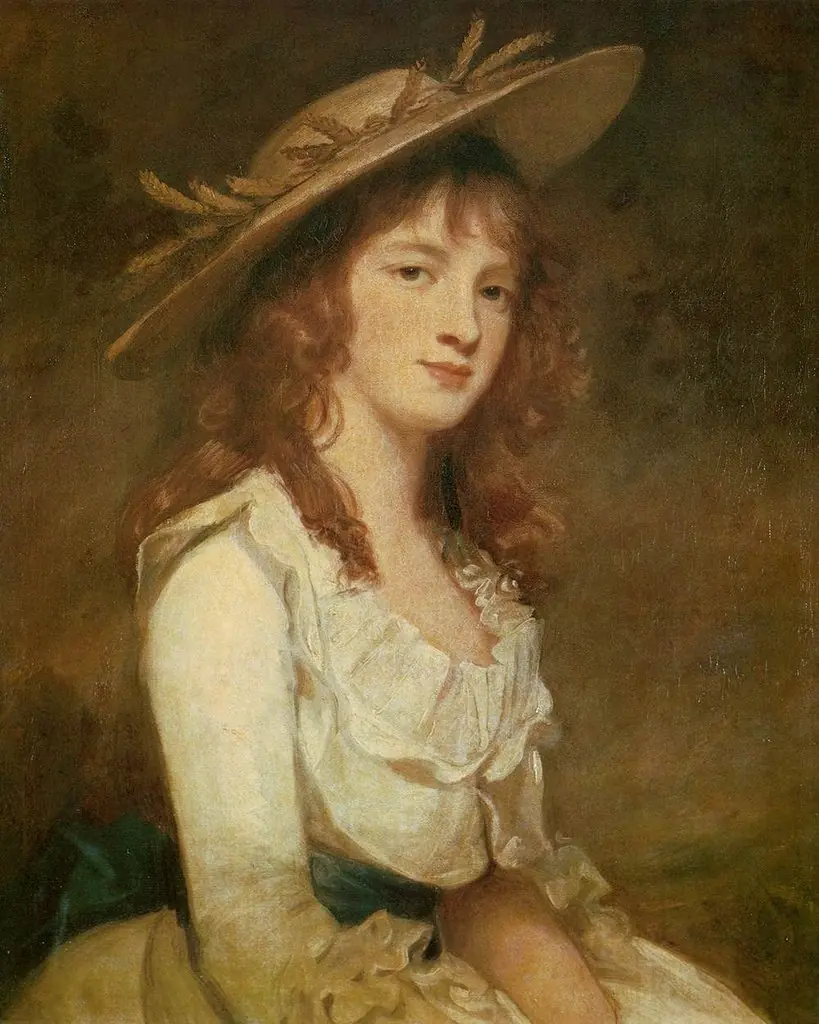 Miss Constable
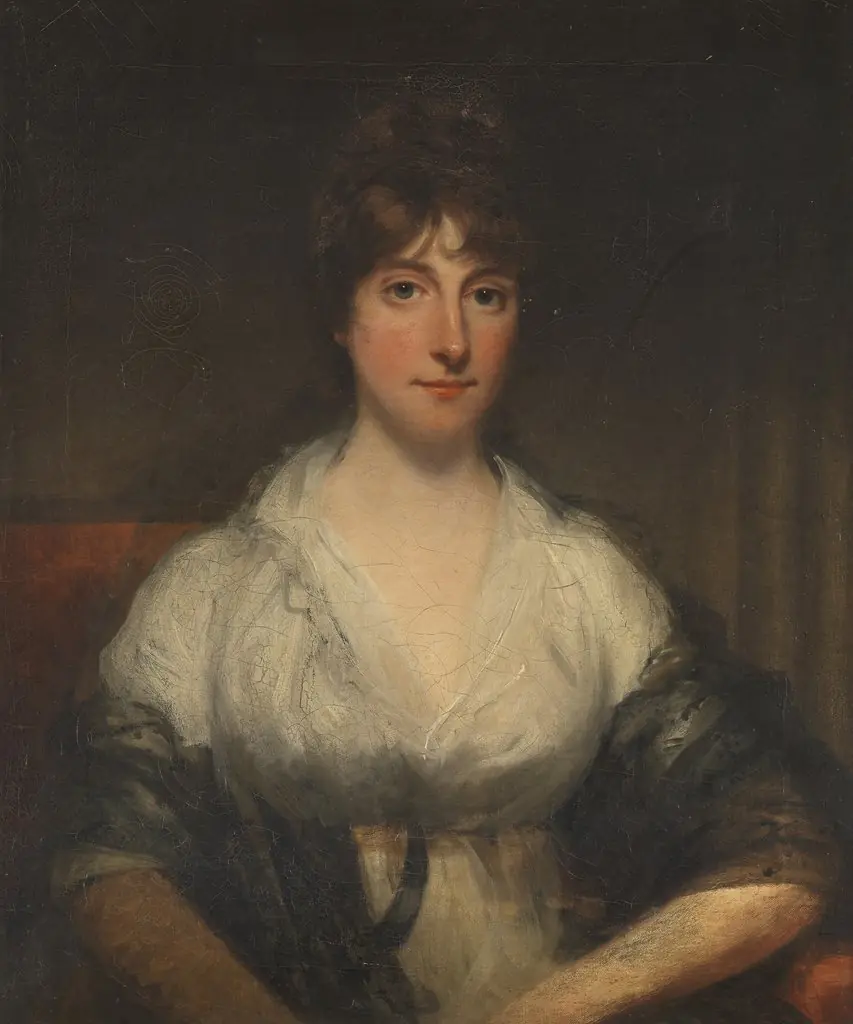 Mrs. Thornton
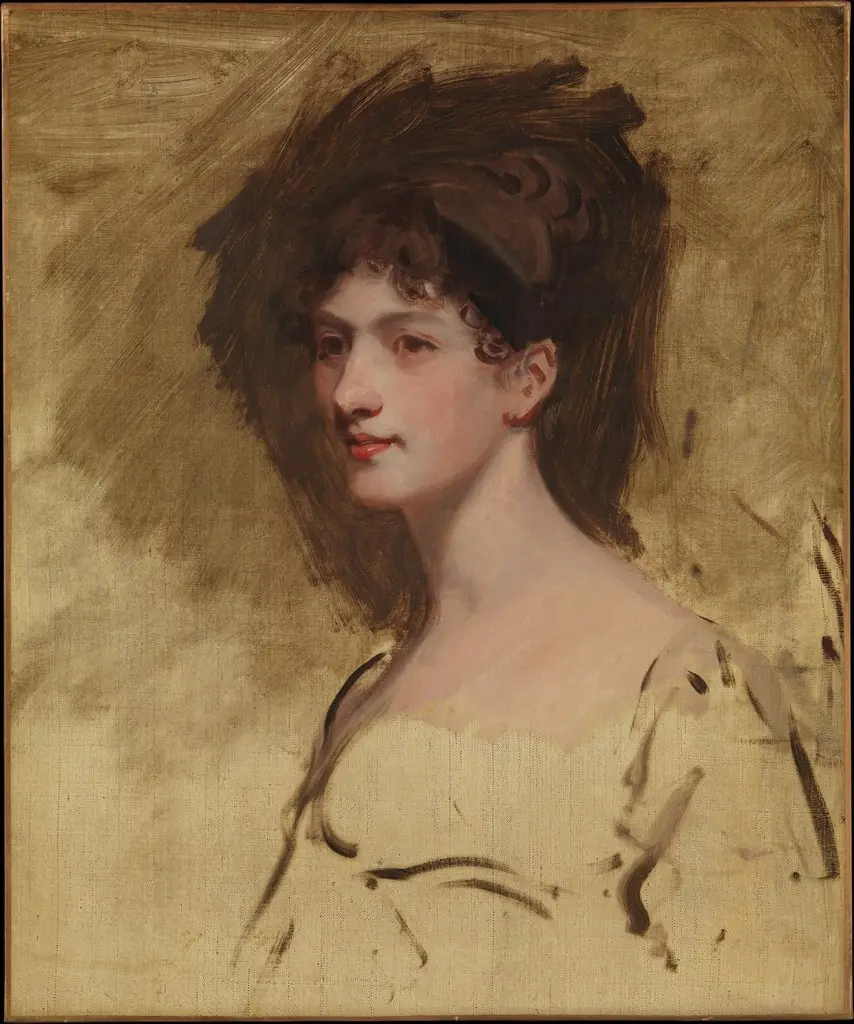 Lady Hester King (died 1873)
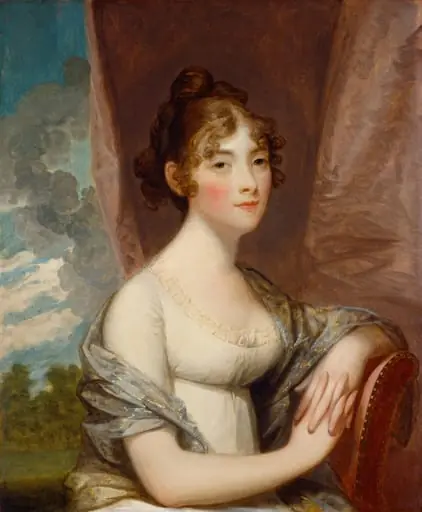 Ann Barry
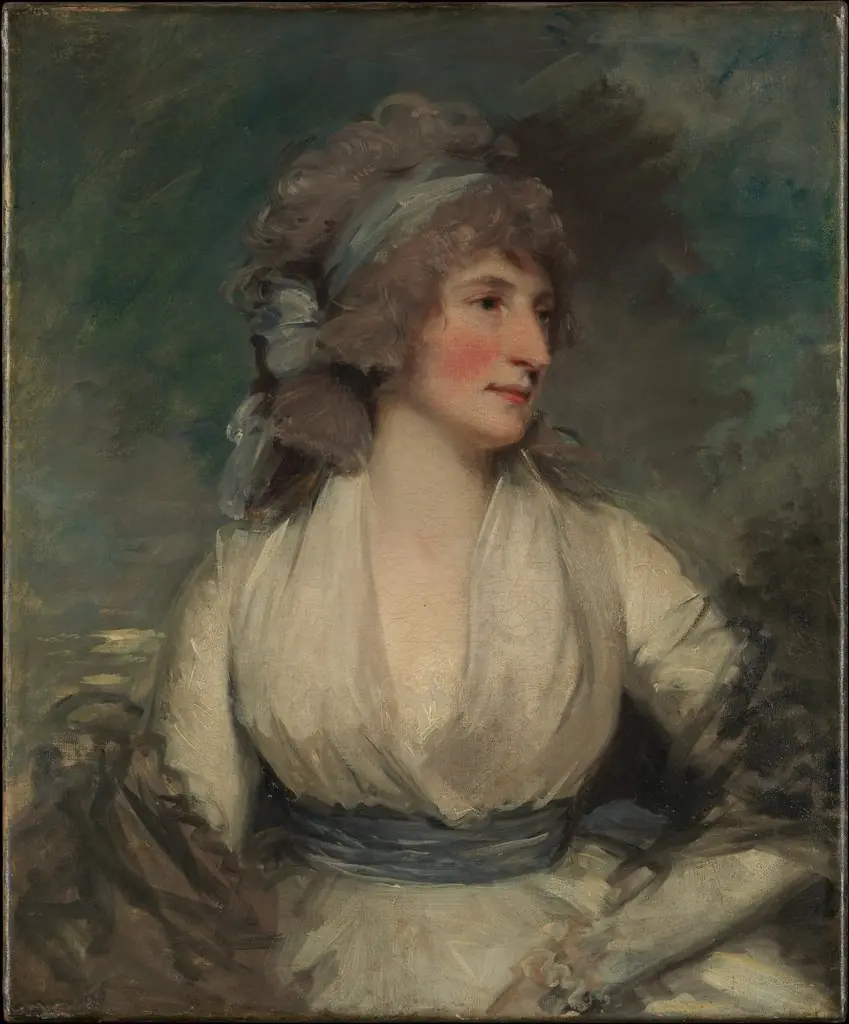 Portrait of a Woman; (reverse, now covered by relining canvas) Study of a Child's Head
![Portrait of Miss Elizabeth Linley [later Mrs. Richard Brinsley Sheridan], by Thomas Gainsborough](https://artifactworldgallery.com/img/thomas-gainsborough--portrait-of-miss-elizabeth-linley-later-mrs-richard-brinsley--f6700966431aaba8-w320.webp) Portrait of Miss Elizabeth Linley [later Mrs. Richard Brinsley Sheridan]
Portrait of Miss Elizabeth Linley [later Mrs. Richard Brinsley Sheridan]