Artwork
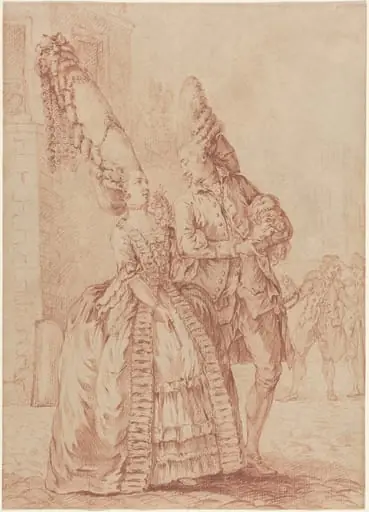
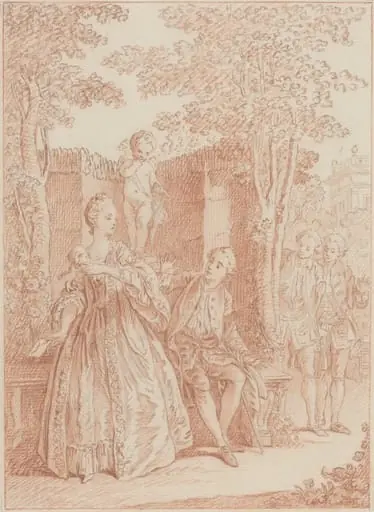
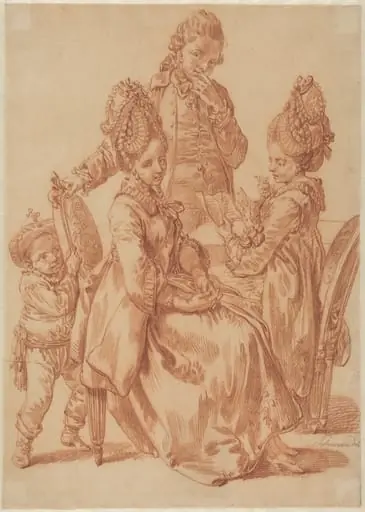
A Cleric Accompanying a Lady on Her Morning Walk
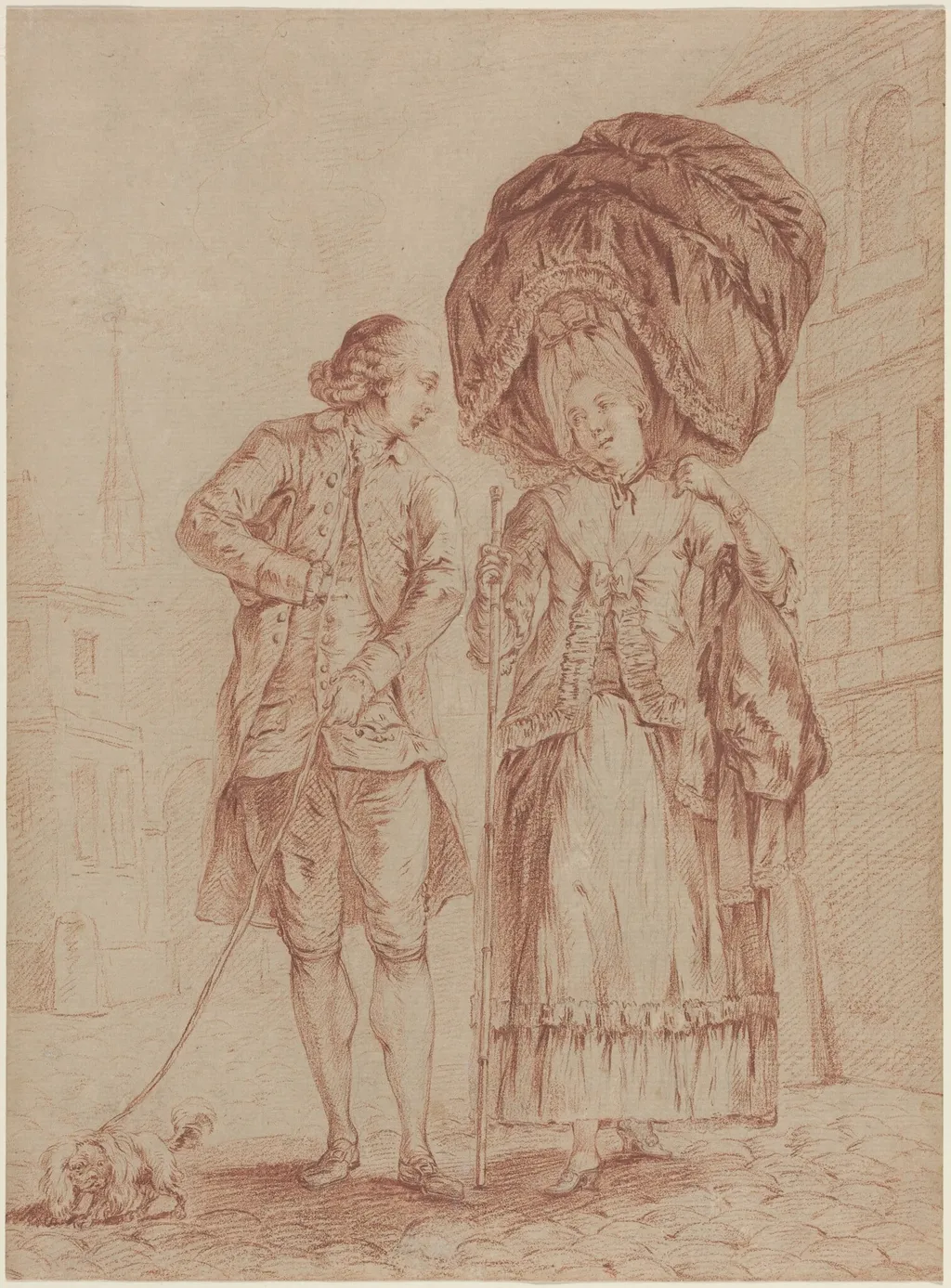
A Cleric Accompanying a Lady on Her Morning Walk is a graphite drawing by the Romanticist artist Pierre Thomas Le Clerc. It dates from 1779 and is held in the collection of the National Gallery of Art.
About this work
The painting is called A Cleric Accompanying a Lady on Her Morning Walk.
It was made by Pierre Thomas Le Clerc between 1778 and 1780.
The artist used red chalk and graphite on paper to create this work, which is now part of the National Gallery of Art, Washington, and to learn more about similar artworks, check out the movement: Romanticism.
Overview
Pierre Thomas Le Clerc’s drawing titled *A Cleric Accompanying a Lady on Her Morning Walk* dates from the late 1770s, most commonly recorded as 1779. Executed in red chalk and graphite on a beige sheet of laid paper, the work depicts a gentle encounter between a religious figure and a lady strolling in the early day.
Technique & Style
The drawing’s compositional balance and emotive atmosphere align it with the emerging Romantic sensibility that favored intimate, narrative scenes.
Le Clerc employed the soft tonal qualities of red chalk to model the figures’ flesh and clothing, while graphite provided sharper outlines and hatching for depth. The laid‑paper support, with its faint ribbed texture, contributes a subtle grounding effect. The drawing’s compositional balance and emotive atmosphere align it with the emerging Romantic sensibility that favored intimate, narrative scenes.
History & Provenance
The drawing entered the collection of the National Gallery of Art in Washington, D.C., where it remains on view. Its acquisition history traces back to early 20th‑century European collectors before being transferred to the museum, confirming its status as a preserved example of Le Clerc’s late‑career output.
Context
Created during a period when French artists were increasingly exploring personal and sentimental subjects, the work reflects the broader Romantic movement’s fascination with everyday encounters and emotional nuance. The juxtaposition of a cleric and a lady on a morning walk hints at themes of piety, social interaction, and the gentle pleasures of daily life prevalent in the era’s visual culture.
Artist & collection