Artwork
Untitled
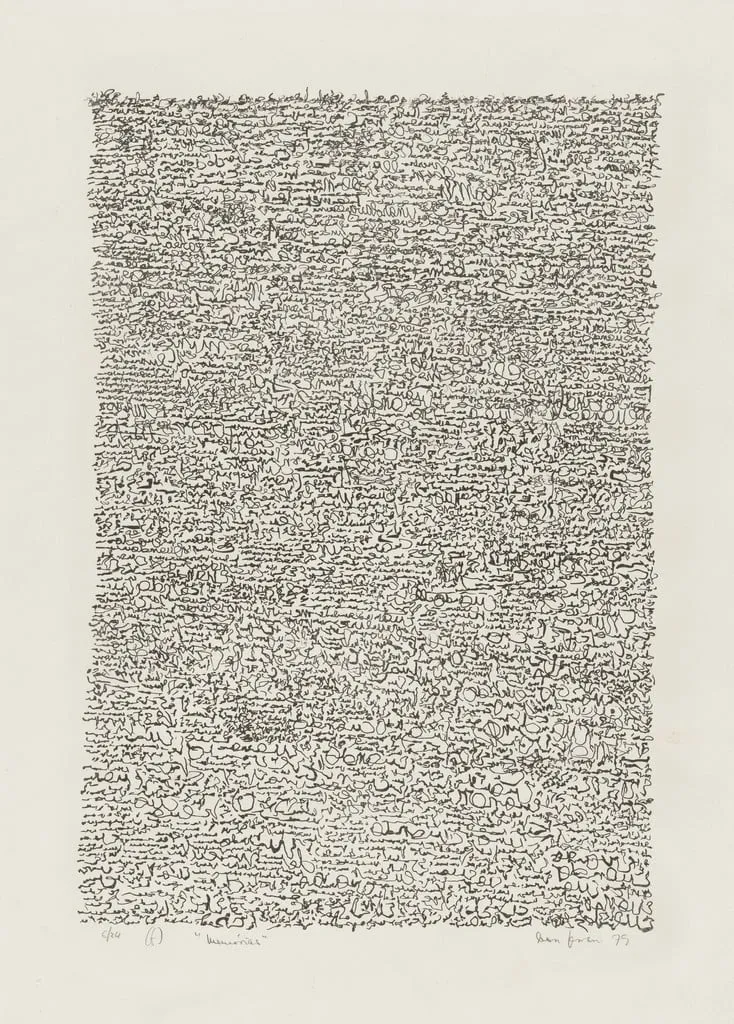
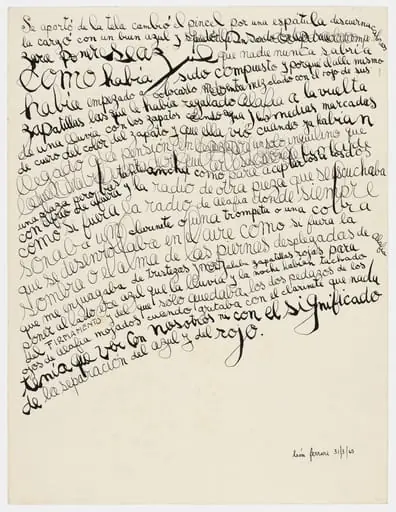
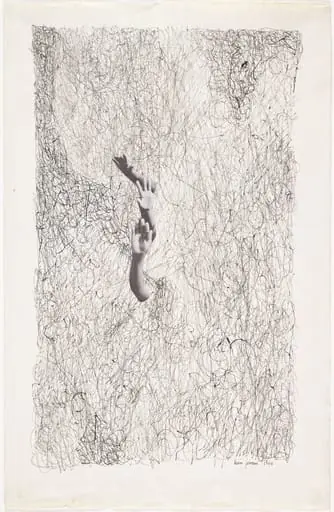
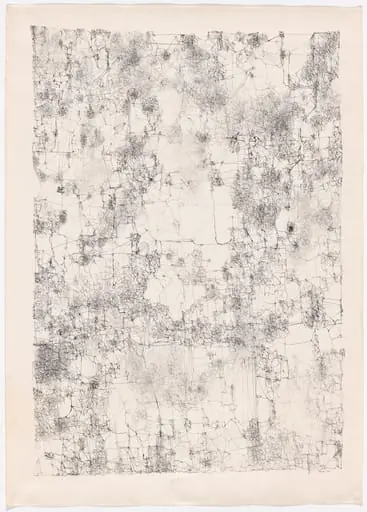
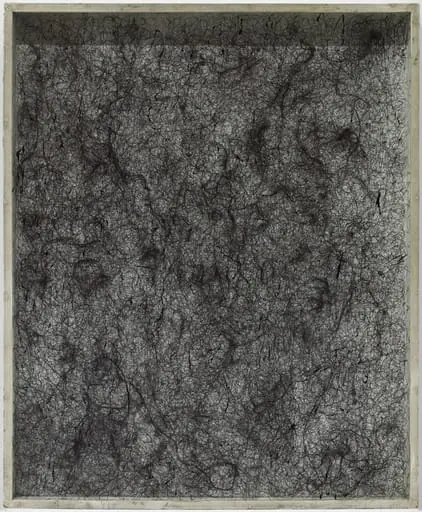
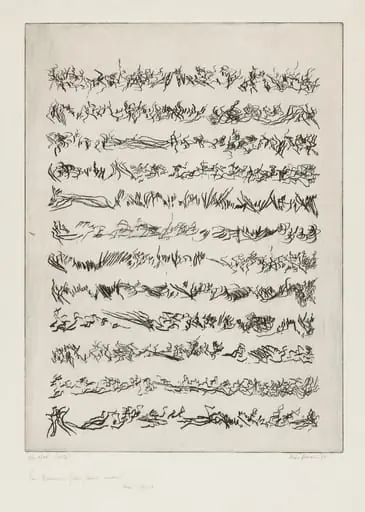
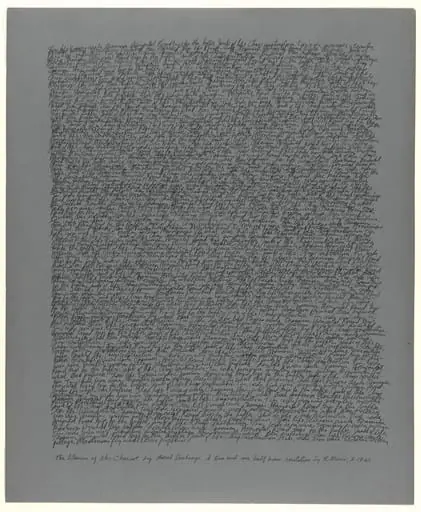
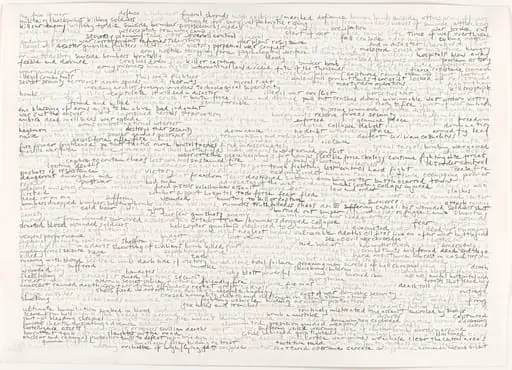
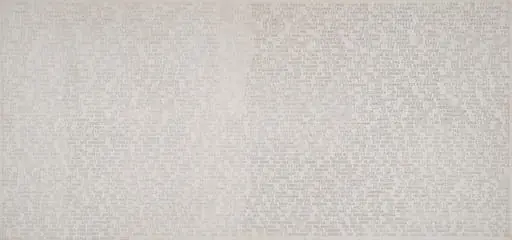
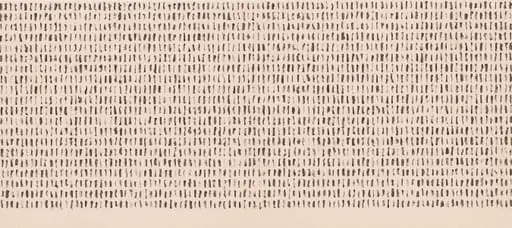
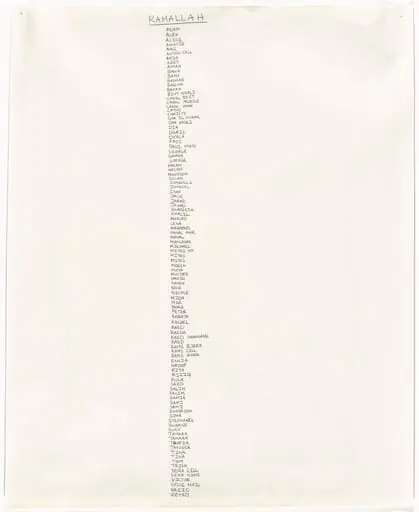
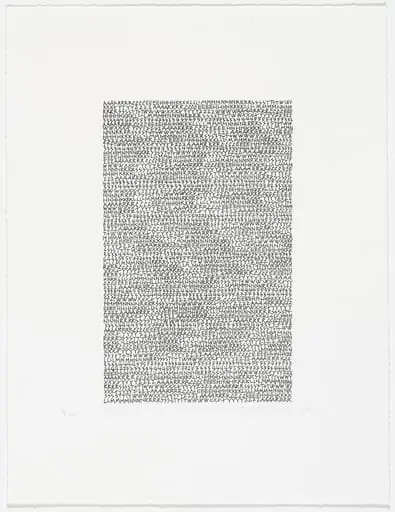
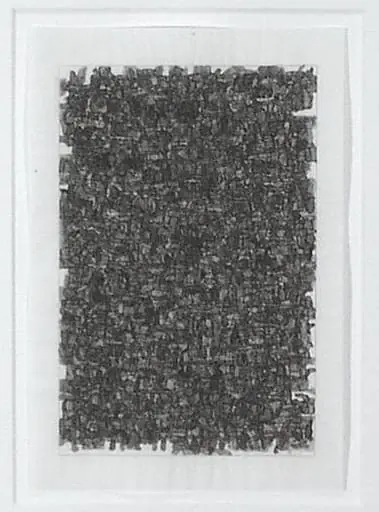
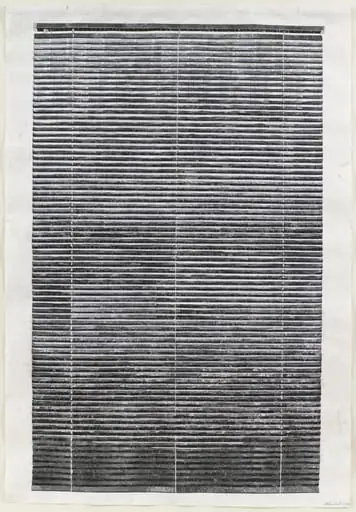
Untitled is an ink print by León Ferrari. It dates from 1975 and is held in the collection of the Museum of Modern Art.
About this work
He wanted to make people think about what is important in a piece of art.
This painting is a lithograph with a simple composition.
It has a lot of empty space and a few lines.
The interesting thing about this work is that it was made by an Argentine artist, which is not very common, and it's from 1975, a time of big change in Argentina.
The artist was experimenting with different ways to create art.
He wanted to make people think about what is important in a piece of art.
This lithograph is a good example of that.
You can learn more about this technique by looking into lithography.
Overview
Created in 1975, this lithograph by Argentine artist León Ferrari is part of a broader body of work that interrogates power structures through minimal visual language. As a printmaker, Ferrari used the lithographic process to produce works that were accessible yet conceptually dense. The piece belongs to The Museum of Modern Art’s collection, reflecting its significance within international modernist discourse despite its restrained appearance.
Subject & Meaning
The work avoids figurative representation, instead relying on sparse lines and vast negative space to evoke silence, absence, or erasure. These formal choices function as a quiet protest against the repression and censorship prevalent in Argentina under military rule. By stripping away conventional imagery, Ferrari challenges viewers to confront what is omitted—political voices, historical truth, and institutional authority.
Technique & Style
Ferrari employed lithography, a printmaking method that allows for subtle tonal variations and direct hand-drawn marks on stone. The composition’s austerity—few lines, abundant white space—reflects his interest in reducing art to its essential elements. This minimalism was not an aesthetic preference alone but a strategic act: it resisted the ornamental traditions of both state propaganda and commercial art.
History & Provenance
Produced during a period of intense political violence in Argentina, the lithograph emerged from Ferrari’s personal resistance to authoritarianism. He had previously faced persecution for his anti-war and anti-clerical works. The piece entered MoMA’s collection in the late 20th century, where it was recognized as part of a global shift toward conceptual art that prioritized idea over ornament.
Context
In mid-1970s Argentina, state censorship and disappearances made overt political art dangerous. Ferrari’s abstract approach allowed him to circumvent direct repression while still communicating dissent. His work aligned with international conceptual movements but remained rooted in local trauma. The lithograph’s silence speaks to a climate where speech was suppressed, and art became a vessel for unspoken resistance.
Legacy
Ferrari’s *Untitled* exemplifies how minimal forms can carry heavy political weight. It influenced later generations of Latin American artists who used abstraction to navigate censorship. The work remains a reference point in discussions about art’s role under dictatorship, demonstrating that restraint can be as potent as confrontation in the face of oppression.
Artist & collection
Artist
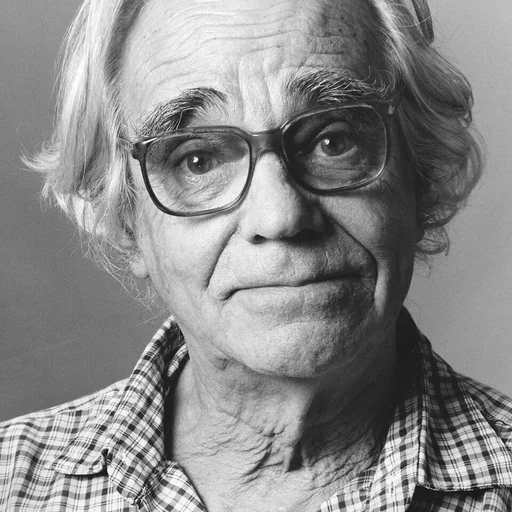
León Ferrari (September 3, 1920 – July 25, 2013) was an Argentine contemporary conceptual artist.