Artwork
Untitled
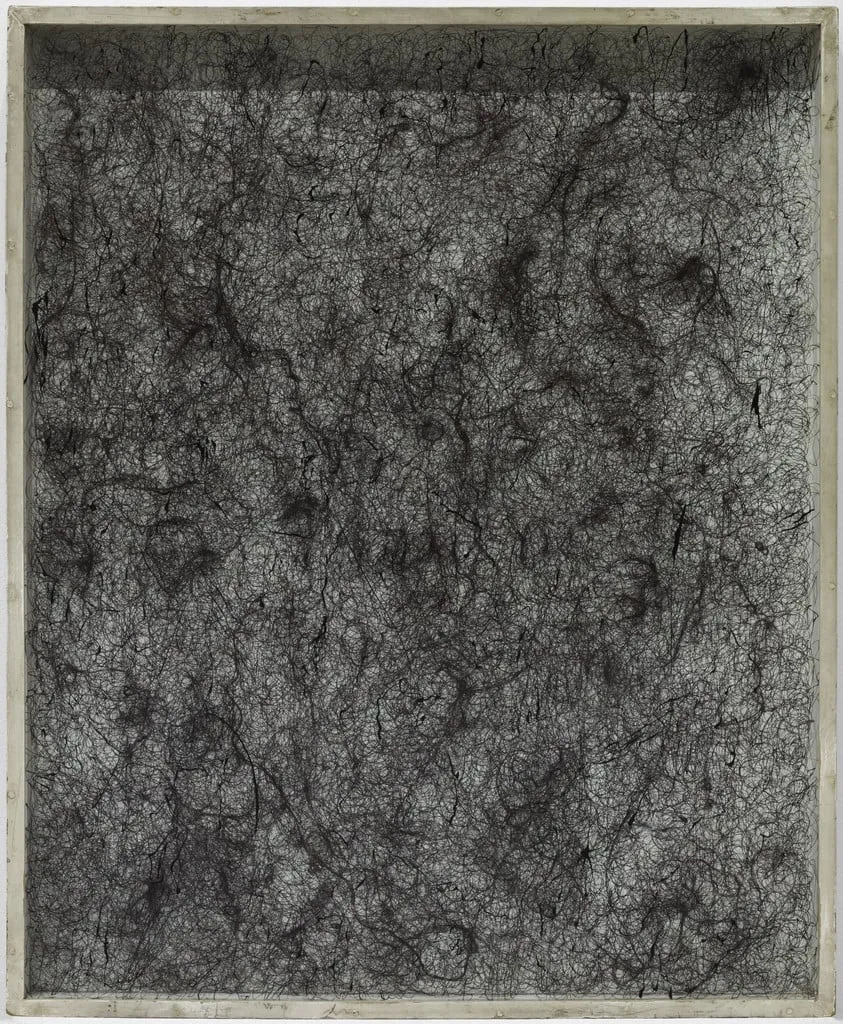
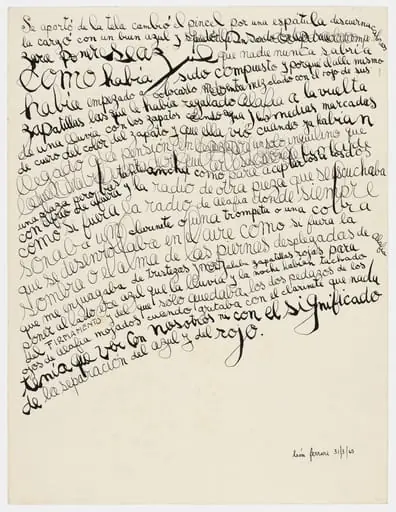
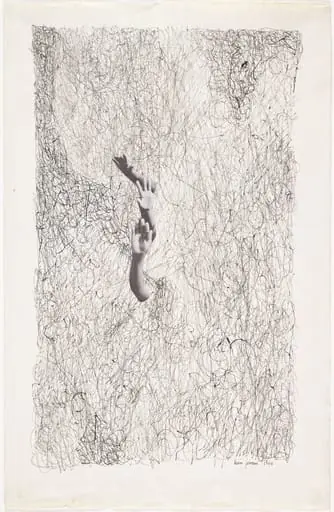
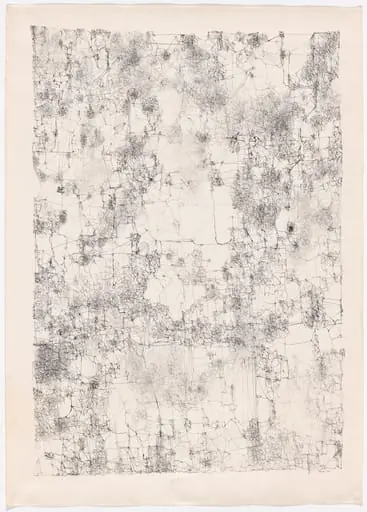
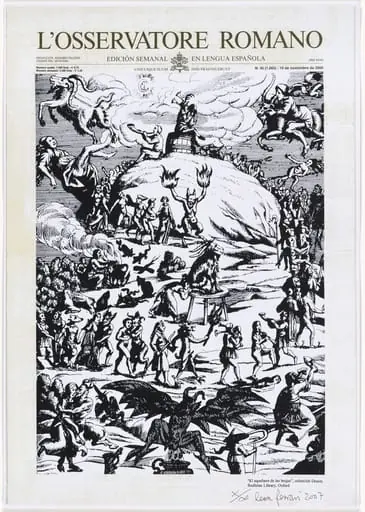
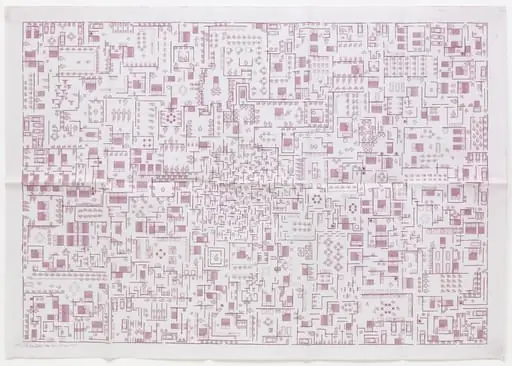
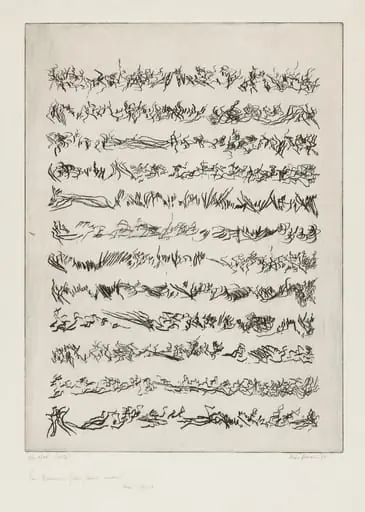
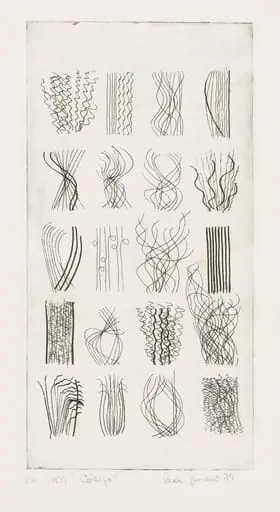
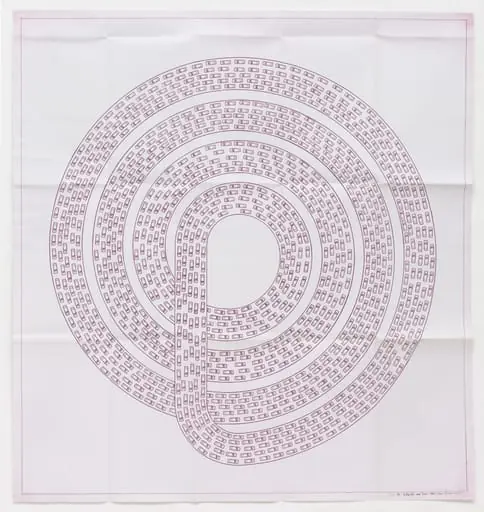
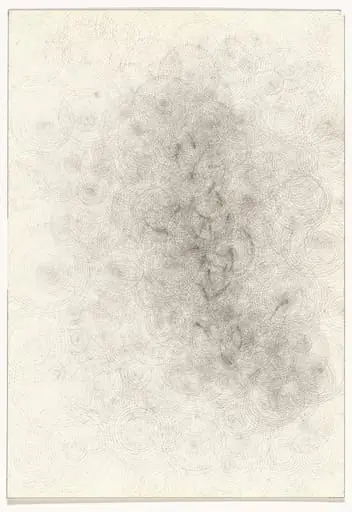
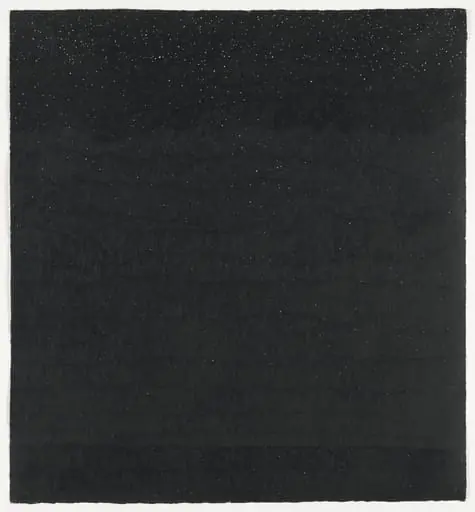
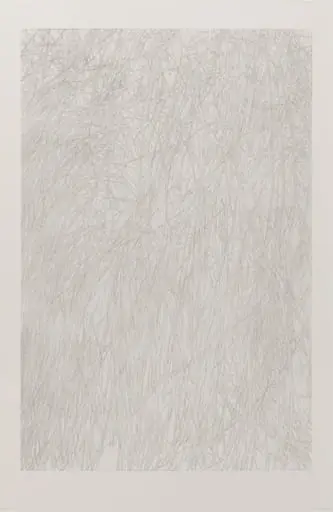
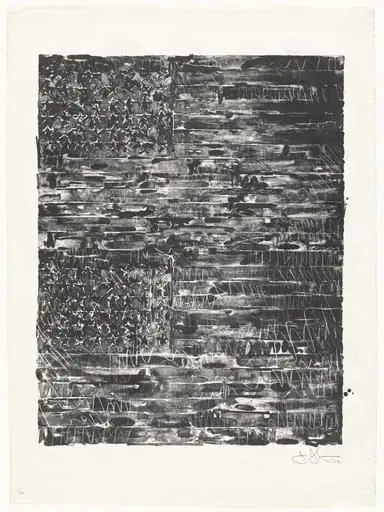
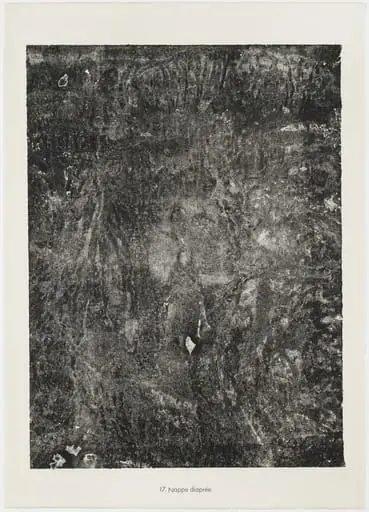
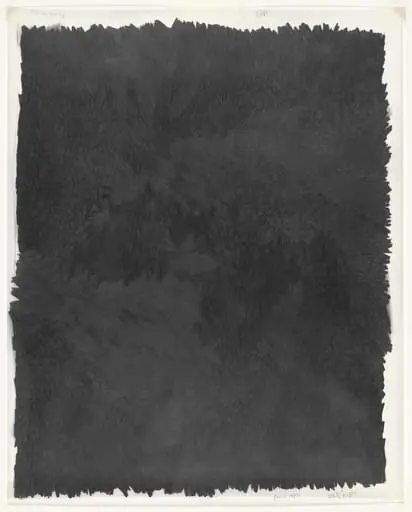
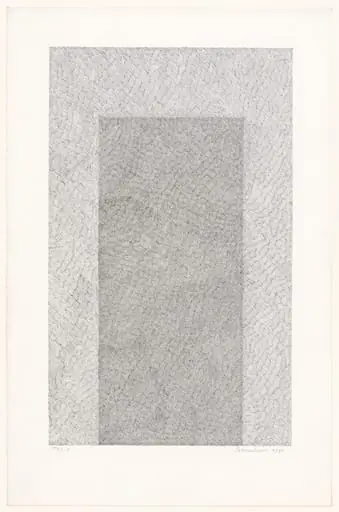
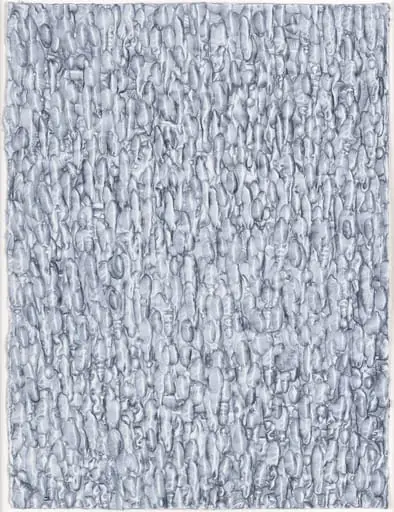
Untitled is an ink drawing by León Ferrari. It dates from 1964 and is held in the collection of the Museum of Modern Art.
About this work
Overview
The materials are arranged without clear representational intent, emphasizing texture and materiality over figuration.
Created in 1964 by Argentine artist León Ferrari, this work combines ink on gessoed wood, copper wire, and ink on glass, all contained within a hand-painted wooden frame. The materials are arranged without clear representational intent, emphasizing texture and materiality over figuration. Its physical construction—rough, layered, and irregular—reflects a deliberate rejection of conventional aesthetic polish, aligning with Ferrari’s broader conceptual approach to art as a vehicle for dissent.
Subject & Meaning
The work resists literal interpretation, instead evoking disruption and fragmentation. Its dense, tangled lines and abrupt material shifts suggest chaos, censorship, or the entanglement of power structures. Ferrari often used abstraction to critique institutional authority, and here, the absence of recognizable forms may symbolize the erosion of clarity under political repression or religious dogma, inviting viewers to confront discomfort rather than seek resolution.
Technique & Style
Ferrari layered ink on gessoed wood to create uneven, absorbent surfaces, then embedded copper wire to introduce physical tension and metallic contrast. A thin horizontal strip of glass, lightly marked with ink, floats above the main composition, introducing transparency amid obscurity. The frame, painted but unevenly finished, reinforces the handmade, unrefined character of the piece, aligning with a post-avant-garde sensibility that valued process over perfection.
History & Provenance
Made during a period of rising political tension in Argentina, the work predates the military dictatorship but anticipates its repressive climate. Ferrari’s early experiments with non-traditional materials gained recognition in the 1960s, and this piece entered The Museum of Modern Art’s collection as part of a broader reassessment of Latin American conceptual practices. Its preservation reflects its significance within the global expansion of non-Western conceptual art.
Context
In the mid-1960s, Ferrari was part of a generation of Latin American artists using abstraction and assemblage to respond to authoritarianism and cultural imperialism. While European and American artists explored formalism, Ferrari turned to material disorder as a political statement. His work resonated with contemporaries in Brazil and Argentina who saw art not as decoration but as a site of resistance against state violence and institutional hypocrisy.
Legacy
This work contributed to the redefinition of drawing as an expansive, material-based practice beyond paper and pencil. Its inclusion in major institutions helped legitimize non-traditional forms of protest art within global modernism. Ferrari’s use of industrial and domestic materials influenced later generations of artists who sought to embed political critique directly into the physical substance of their work.
Artist & collection
Artist
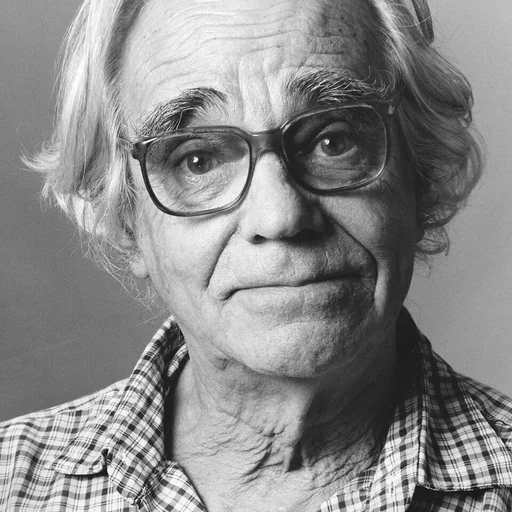
León Ferrari (September 3, 1920 – July 25, 2013) was an Argentine contemporary conceptual artist.