Artwork
Vintage Scene
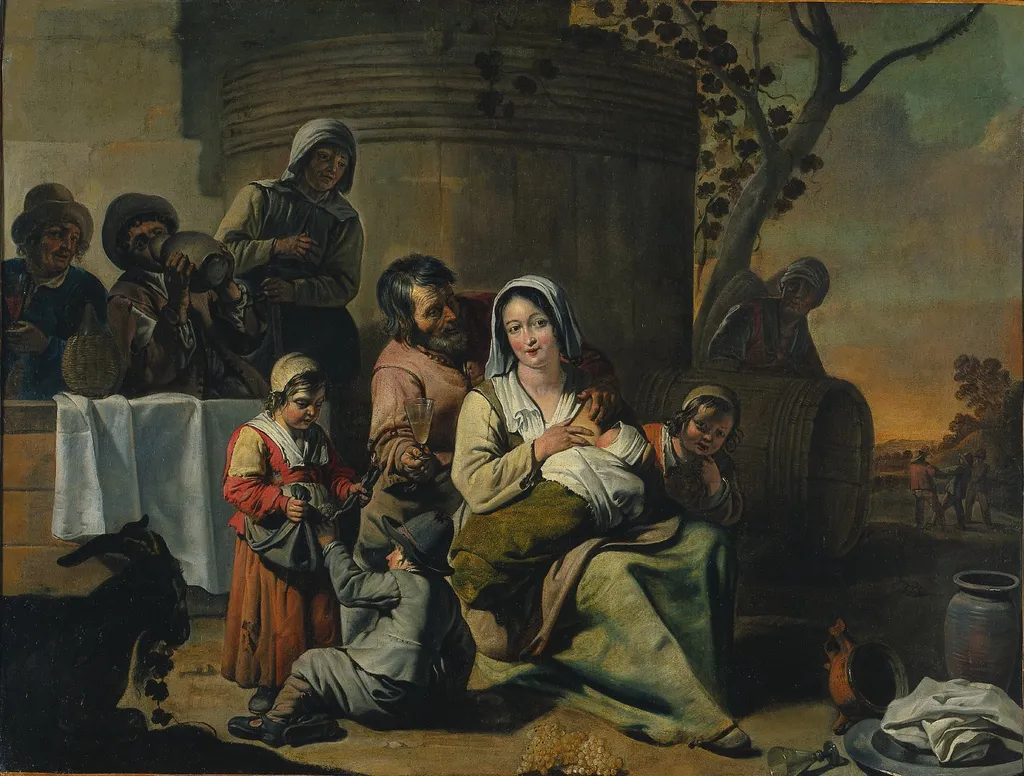
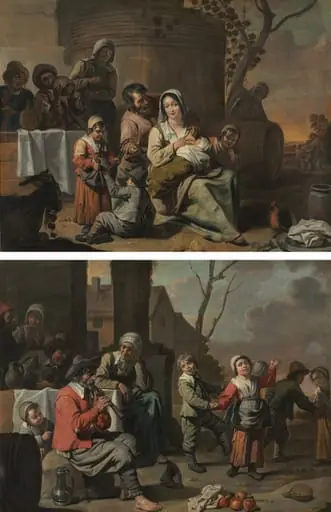
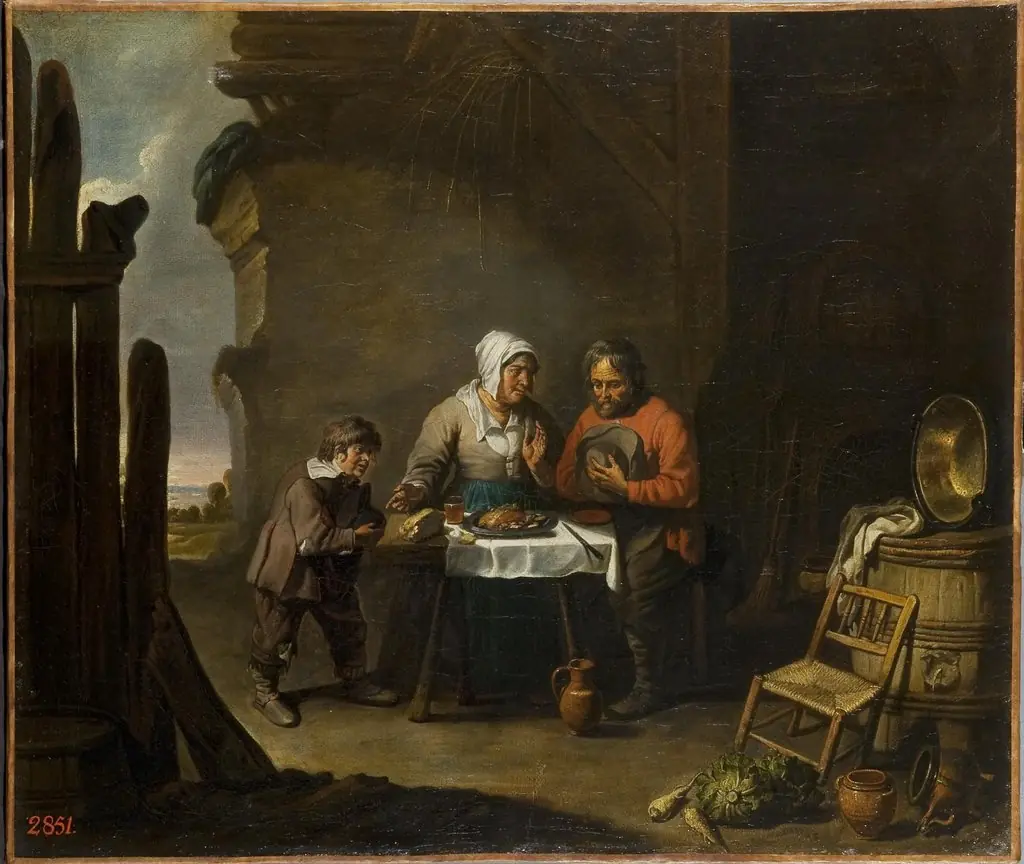
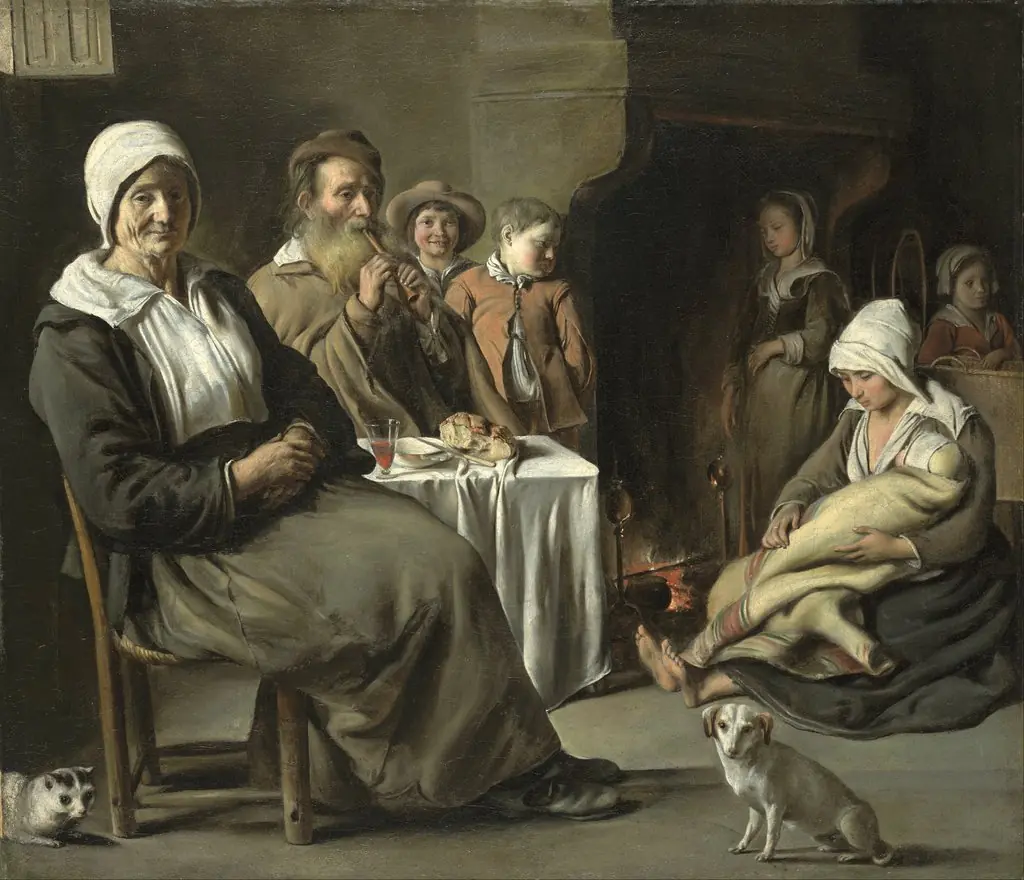
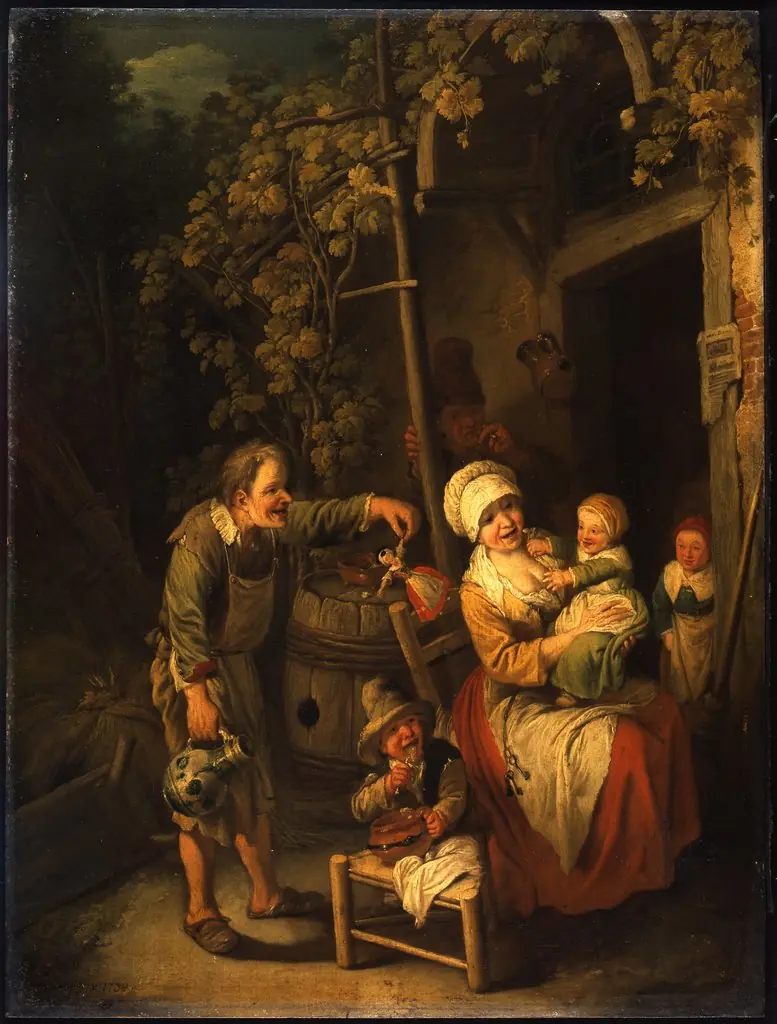
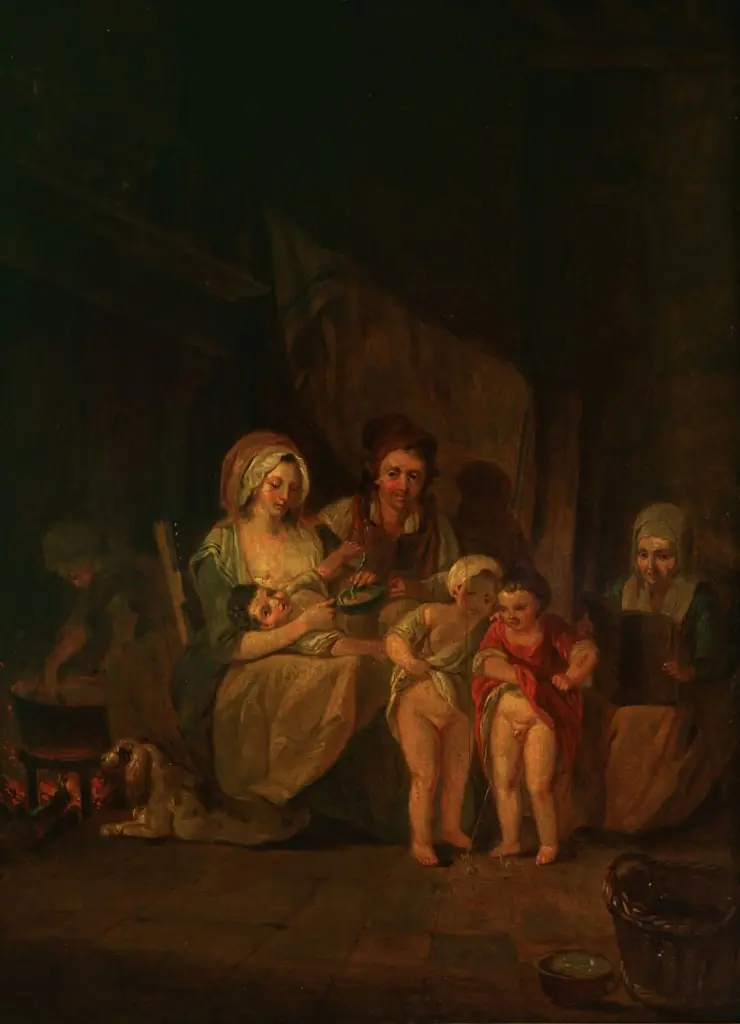
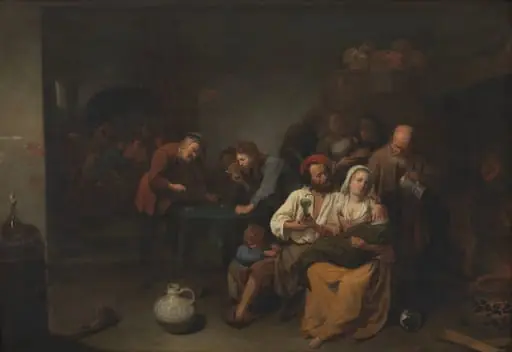
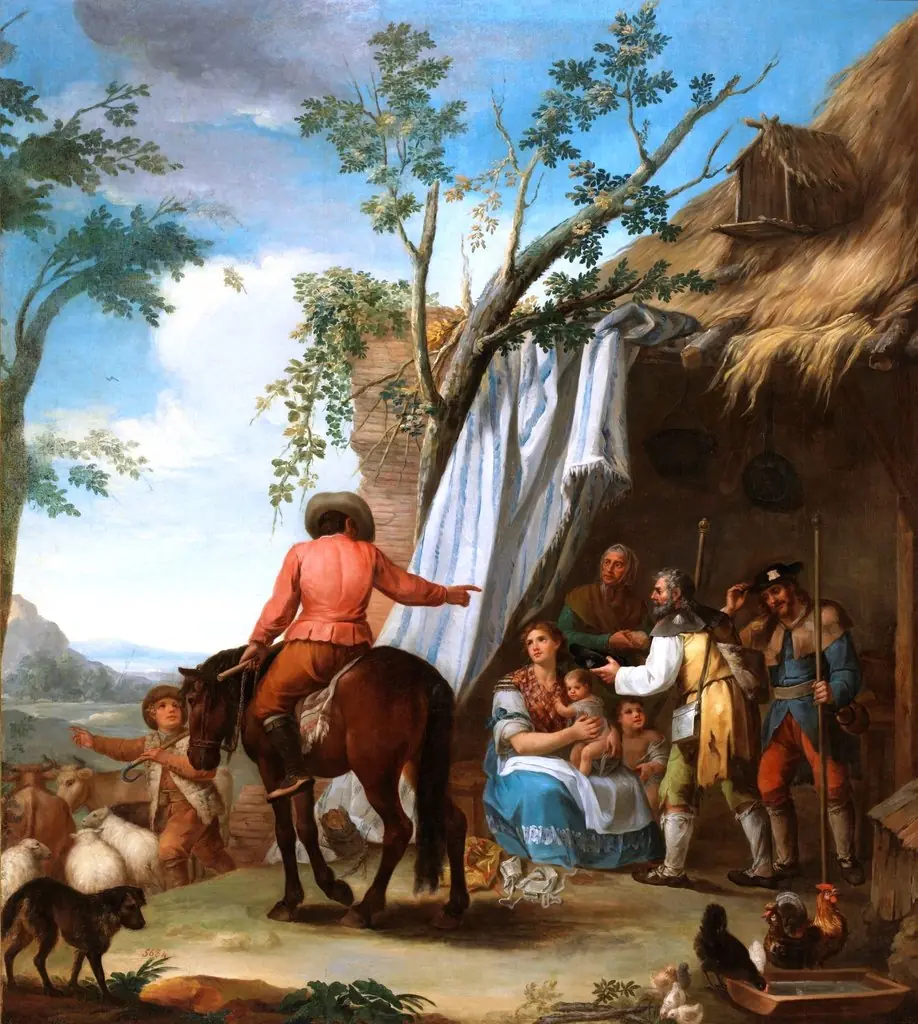
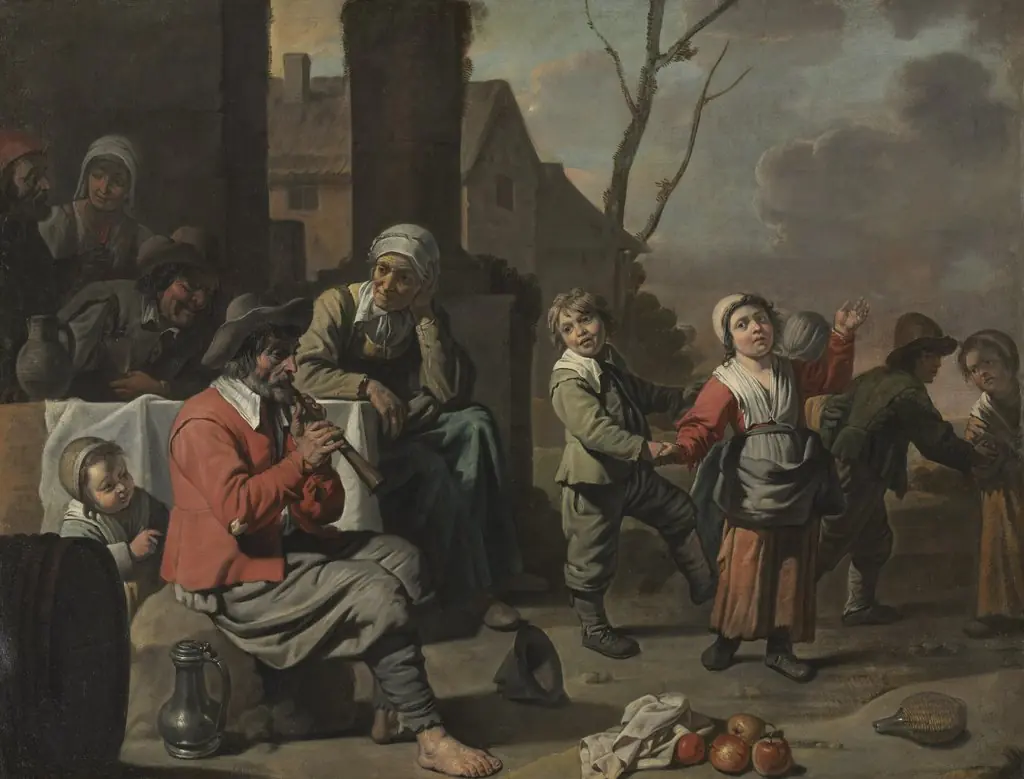
Vintage Scene is an unspecified painting by the Baroque artist Mathieu Le Nain. It dates from 1654 and is held in the collection of the Cleveland Museum of Art. This mid-17th century painting depicts a rural grape harvest, capturing laborers engaged in quiet, everyday tasks.
About this work
You see a scene of people harvesting grapes in a village.
The painting shows ordinary country folk doing their daily work. This was a common theme in the mid-17th century, when artists started to focus on the lower classes.
Check out the technique of chiaroscuro to learn more about how artists like Le Nain used light and dark to create depth in their paintings.
Overview
It reflects a broader trend in European art toward portraying peasant life with dignity, moving away from idealized pastoral scenes.
This mid-17th century painting depicts a rural grape harvest, capturing laborers engaged in quiet, everyday tasks. It reflects a broader trend in European art toward portraying peasant life with dignity, moving away from idealized pastoral scenes. The composition emphasizes naturalism and subdued emotion, aligning with the visual language developed by French artists like the Le Nain brothers, though its authorship remains debated among scholars.
Subject & Meaning
The scene centers on workers harvesting grapes under a shaded canopy, with figures distributed in a relaxed, unforced arrangement. A young woman, partially turned toward the viewer, exchanges a knowing glance with a man reaching toward her, suggesting subtle social tension. The presence of children and drinkers in the background grounds the image in domestic reality, linking the labor of the vineyard to cycles of community life and seasonal abundance.
Technique & Style
The artist employs a restrained palette and soft chiaroscuro to model forms with quiet precision, avoiding dramatic contrasts in favor of muted, earthy tones. Brushwork is deliberate but unobtrusive, prioritizing texture and spatial coherence over flourish. The figures are rendered with a sense of weight and stillness, echoing the Le Nain brothers’ approach to depicting rural subjects with psychological gravity rather than sentimentality.
History & Provenance
Though long associated with the Le Nain circle, the painting’s authorship has been tentatively attributed to the so-called Master of the Béguins, a Flemish painter active in Paris. This attribution stems from stylistic affinities with the Le Nains, particularly in composition and subject matter, suggesting the artist absorbed their approach while maintaining a distinct regional sensibility. Its early 20th-century provenance traces to private collections in northern Europe.
Context
In mid-17th century France and the Low Countries, depictions of peasant life gained traction as urban audiences sought authentic portrayals of rural existence. Unlike earlier allegorical treatments, these works avoided moralizing, instead presenting labor as a quiet, enduring rhythm. The grape harvest, a familiar motif in both French and Flemish art, served as a neutral vehicle for exploring community, time, and human presence.
Legacy
The painting contributes to a broader shift in European art toward the dignified representation of the working class. Its stylistic hybridity—Flemish technique meeting French subject matter—highlights cross-regional artistic exchange during a period of growing interest in realism. While not widely exhibited, it remains a significant example of how regional traditions were adapted and reinterpreted in the service of a new visual language.
Own this work as a print
Artist & collection