Artwork
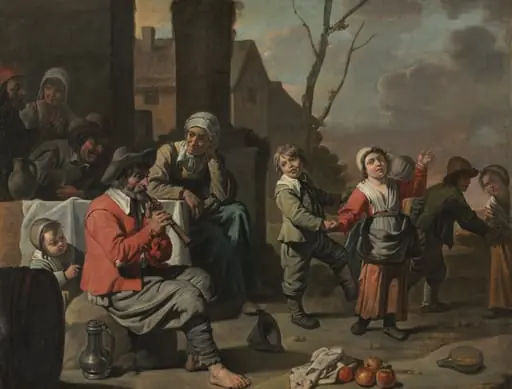
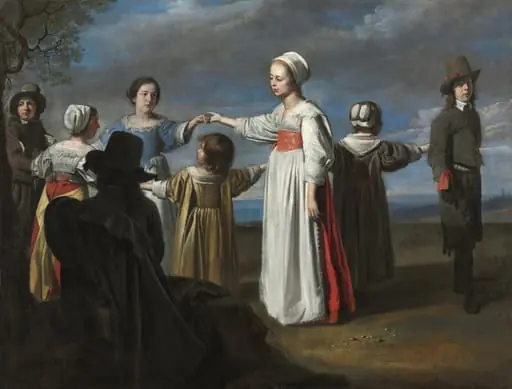
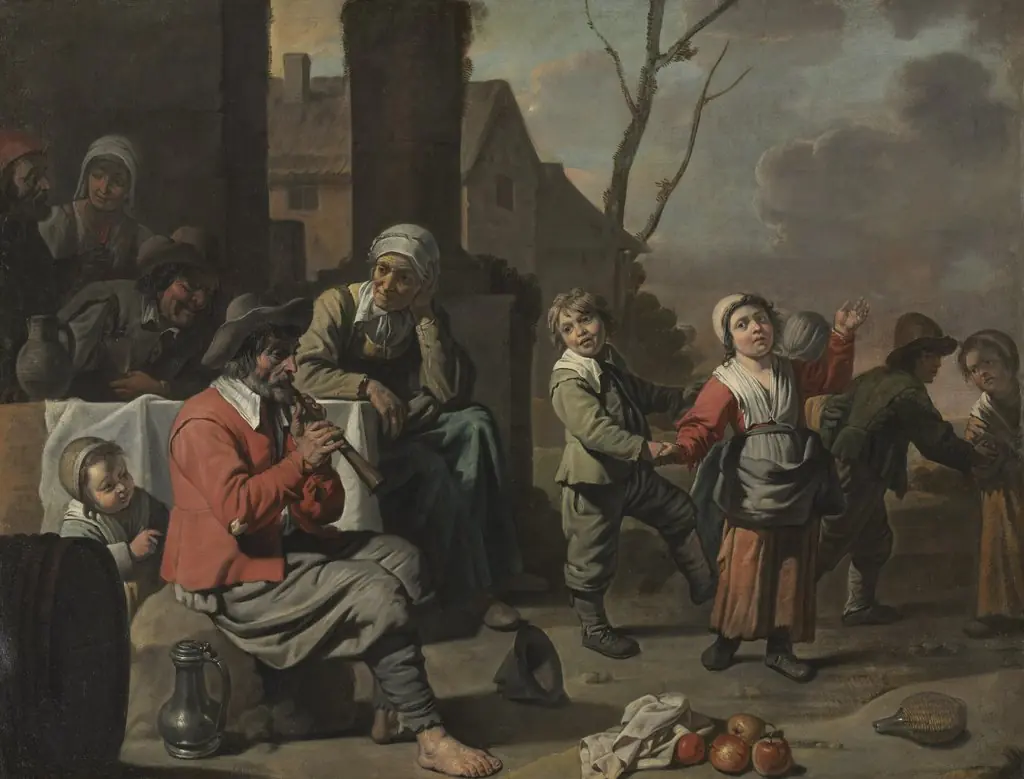
Vintage Scene and Peasant Children Dancing (painting pair)
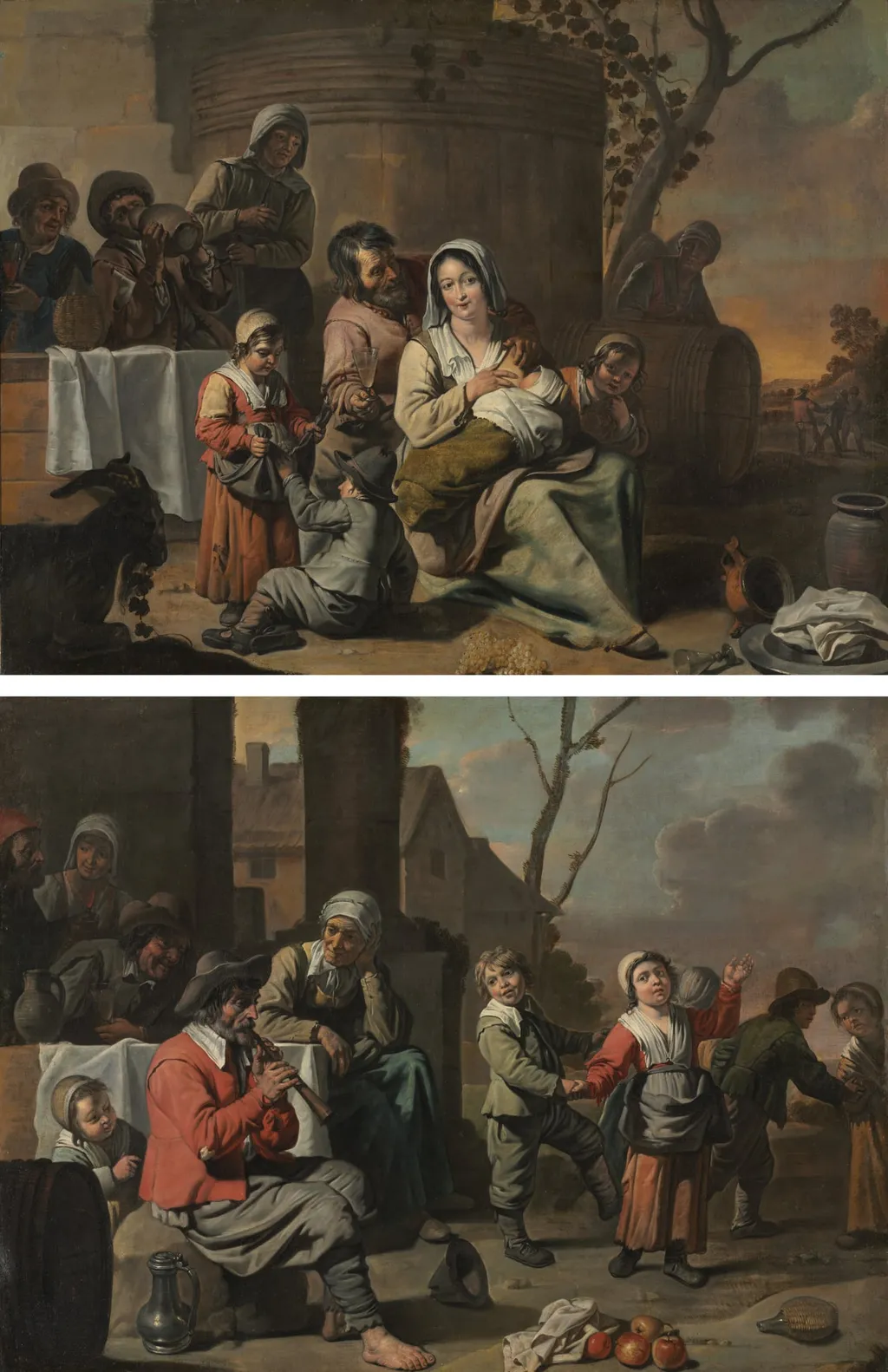
Vintage Scene and Peasant Children Dancing (painting pair) is an unspecified painting by the Baroque artist Mathieu Le Nain. It dates from 1654 and is held in the collection of the Cleveland Museum of Art. Created in the mid‑1600s, this paired canvas presents a tranquil rural vignette typical of the period’s renewed focus on peasant life.
About this work
Overview
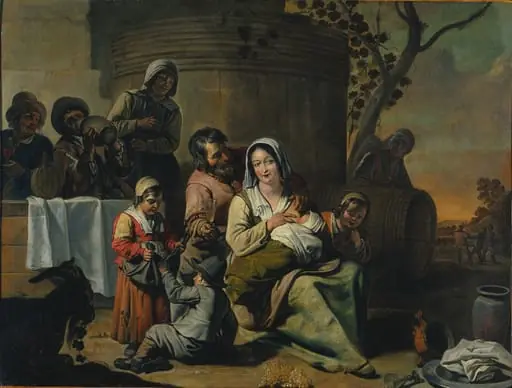
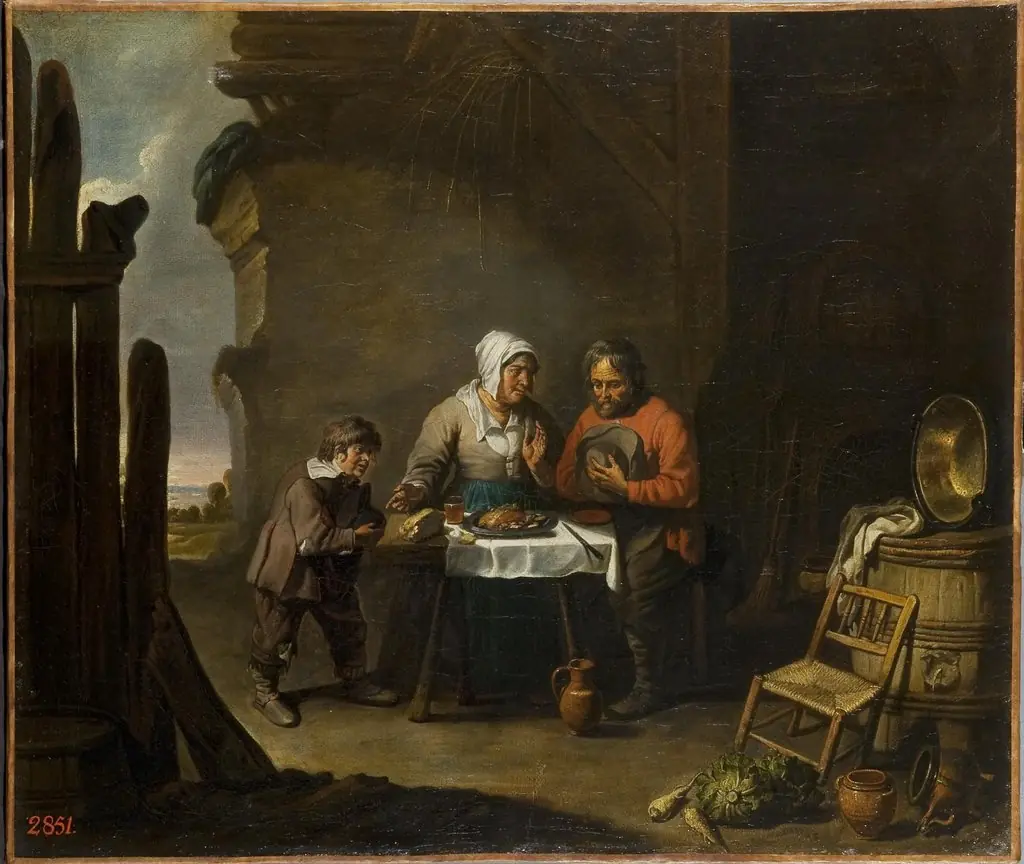
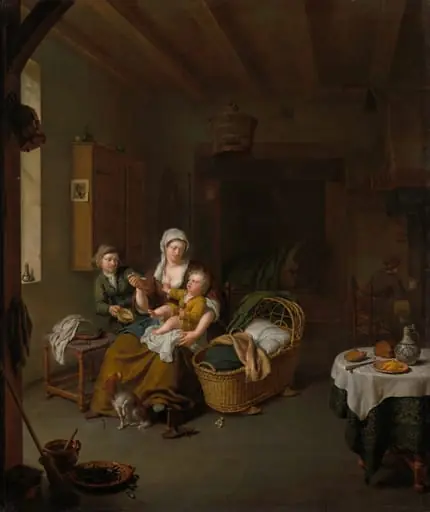
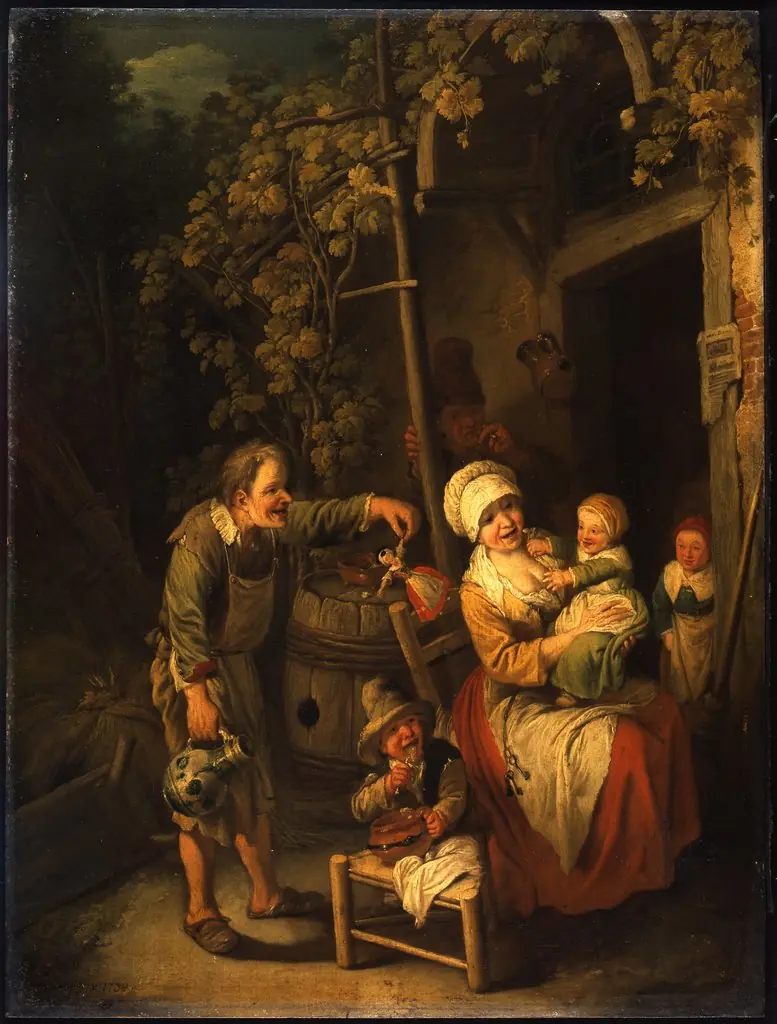
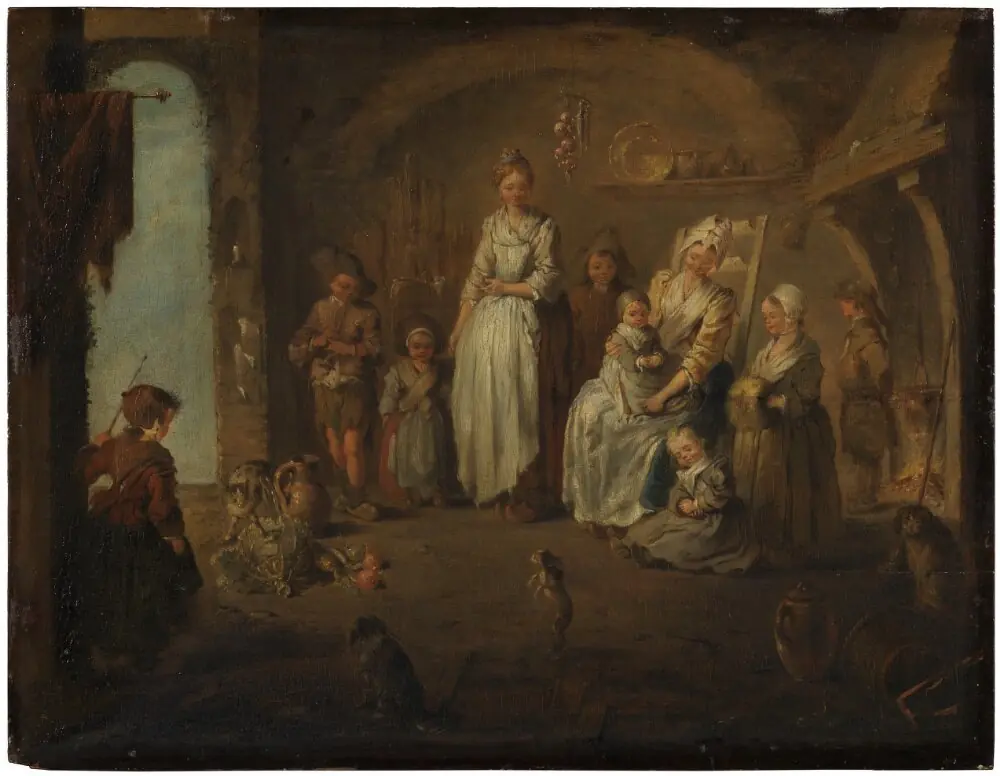
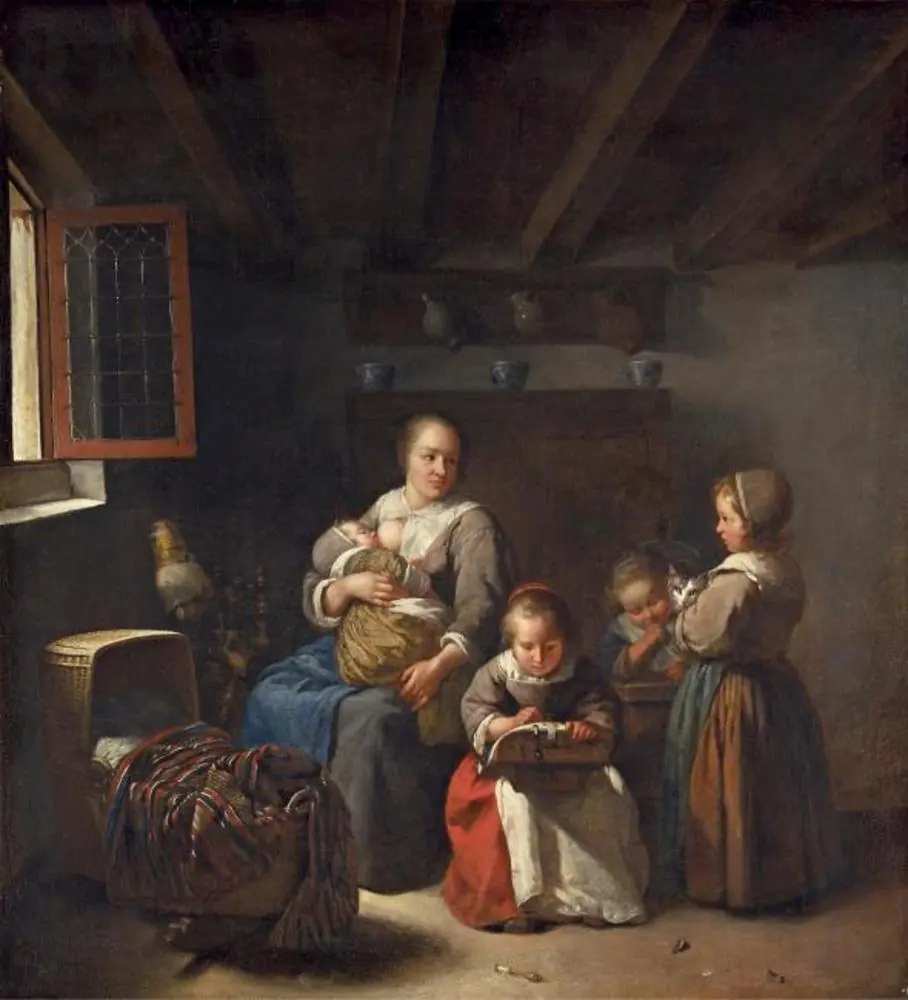
Created in the mid‑1600s, this paired canvas presents a tranquil rural vignette typical of the period’s renewed focus on peasant life. The composition shows two boys in breeches standing amid a vineyard, a basket in one hand, scattered grapes on the ground, and a woman in a white cap passing by. Soft shadows and a pale sky give the scene a calm, everyday atmosphere.
Subject & Meaning
The work depicts ordinary country figures engaged in a moment of leisure during the grape harvest, a motif that links the act of drinking to agricultural labor. A young woman offers a modest smile, suggesting awareness of a nearby, inebriated companion, while the boys’ attentive stance underscores the routine of rural work and play.
Technique & Style
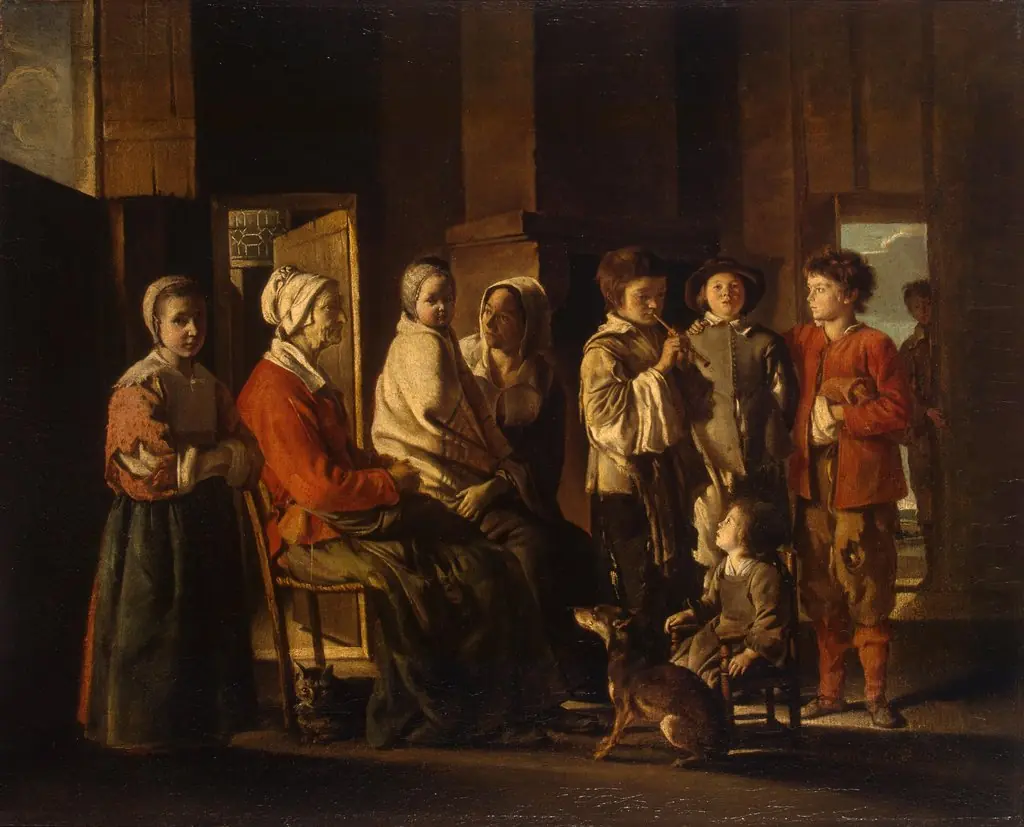
Executed with a restrained palette and delicate modeling, the painting reflects the influence of French pastoral traditions while incorporating Flemish compositional habits. The handling of light creates gentle chiaroscuro, and the figures are rendered with a naturalistic attention to clothing texture and bodily proportion, echoing the style of the Le Nain brothers.
History & Provenance
Long attributed to the Master of the Béguins, a Flemish painter active in Paris who emulated the Le Nain brothers, the canvas has been paired with a companion piece titled *Peasant Children Dancing* (catalogue number 1958.175.2). Both works entered the Cleveland Museum of Art’s collection in the mid‑20th century, where they remain on view.
Context
During the 17th century, French and Flemish artists increasingly turned to scenes of lower‑class life, reviving Renaissance pastoral themes. The Le Nain brothers popularized depictions of rural laborers drawn from their own upbringing in Laon, a model that the Master of the Béguins adapted for a Parisian audience, merging French subject matter with Flemish technique.
Artist & collection