Artwork
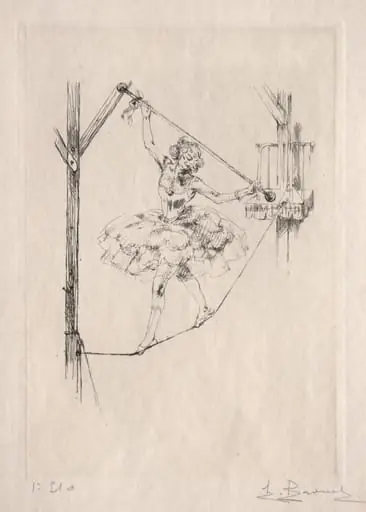
Hanging card advertising the ten-year old El Nino Eddie on the tightrope
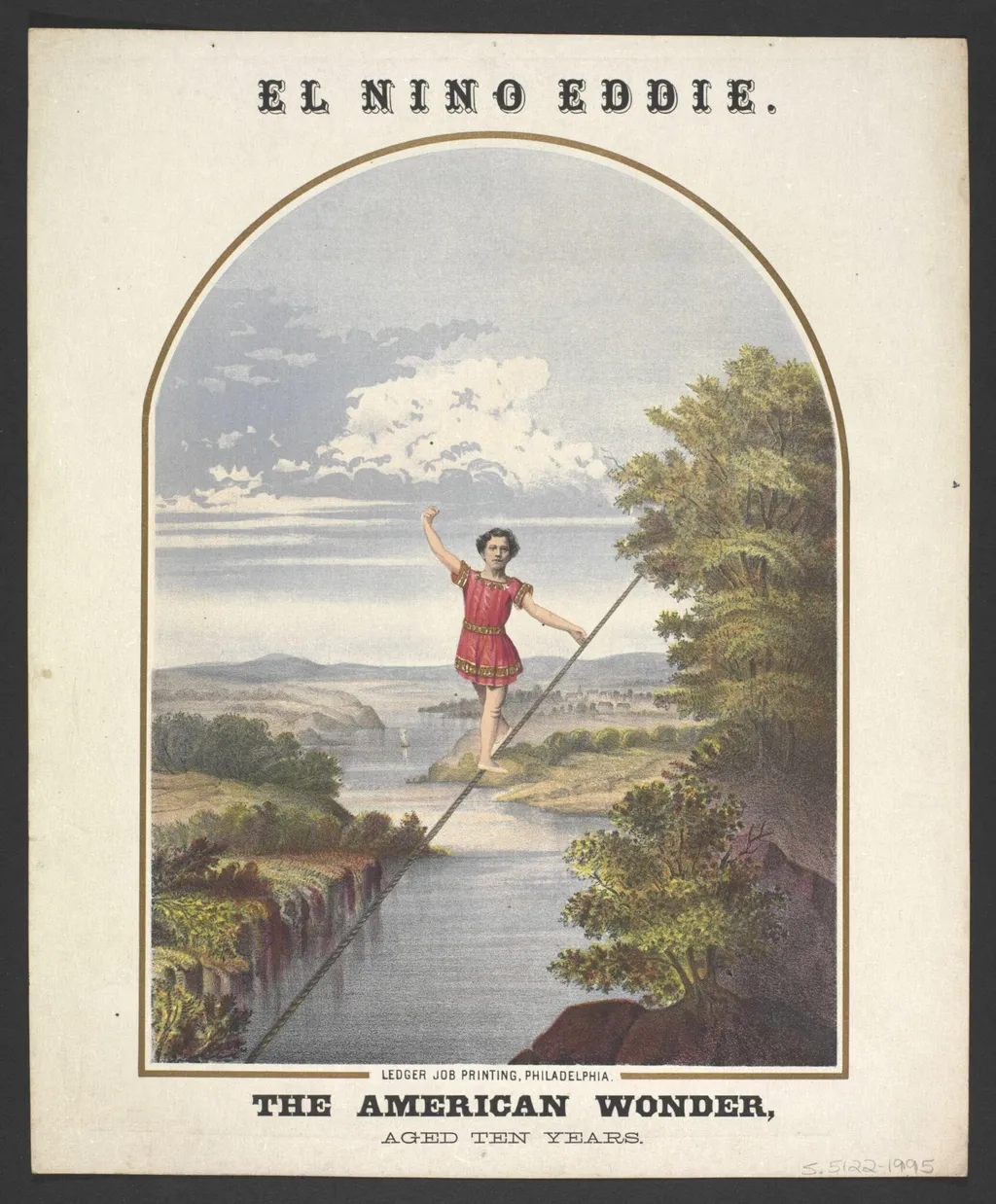
Hanging card advertising the ten-year old El Nino Eddie on the tightrope is a poster by the Impressionist artist Ledger Job Printing. It dates from 1865 and is held in the collection of the Victoria and Albert Museum. This 1865 poster promotes El Nino Eddie, a ten-year-old tightrope performer, as a touring attraction in England.
About this work
This 1865 poster advertises a kid tightrope walker named El Nino Eddie. It was made by Ledger Job Printing, a company that made show ads back then.
Ten-year-old Eddie was already famous. His dad used ads to make him look like a mini version of a famous tightrope star.
Read about the Victoria and Albert Museum to see this poster.
Overview
This 1865 poster promotes El Nino Eddie, a ten-year-old tightrope performer, as a touring attraction in England. Printed by Ledger Job Printing, it reflects the commercial strategies of mid-19th-century circus advertising. The flyer capitalizes on the boy’s youth and existing fame, positioning him as a novelty act for British audiences unfamiliar with American circus traditions.
Subject & Meaning
The name 'El Nino'—Spanish for 'the boy'—reinforced his exoticized youth, enhancing his appeal as a curiosity while distancing him from his American roots.
El Nino Eddie was marketed not merely as a child performer but as a symbolic extension of the legendary tightrope walker Blondin. His father, Richard Eddie, leveraged public fascination with daredevil feats by framing his son as a miniature counterpart to Blondin’s fame. The name 'El Nino'—Spanish for 'the boy'—reinforced his exoticized youth, enhancing his appeal as a curiosity while distancing him from his American roots.
Technique & Style
The poster employs bold, block-lettered text and minimal illustration, typical of commercial printing of the era. Its design prioritizes legibility and sensational claims over artistic detail, using capitalized phrases like 'American Child Wonder' to grab attention. The layout follows standard advertising conventions of the time, relying on repetition and superlatives to convey urgency and prestige.
History & Provenance
Born in New York City in 1855, El Nino Eddie began performing at age eight in Havana. By 1865, he was touring Britain under the management of F. Strange, appearing at venues including Canterbury Hall and the Royal Alhambra Palace. His father, a circus director, managed his career closely, using print media to amplify his son’s reputation. The poster is now held in the Victoria and Albert Museum’s collection.
Context
Mid-19th-century circuses thrived on spectacle and child performers, often marketed as prodigies. The public’s appetite for feats of balance and daring, combined with the rise of mass-printed advertising, created fertile ground for acts like El Nino Eddie’s. His persona mirrored broader cultural trends that romanticized childhood innocence while exploiting it for entertainment profit.
Legacy
El Nino Eddie’s career exemplifies how circus culture blended familial enterprise with media promotion. Though his fame faded after adolescence, his posters remain artifacts of how childhood was commodified in Victorian entertainment. The survival of this flyer offers insight into the mechanics of early performance marketing and the transatlantic circulation of circus acts.
Artist & collection
Artist
Ledger Job Printing made bold, colorful posters in the 1860s that advertised performers like the tightrope-walking child prodigy El Niño Eddie and the pianist Blind Tom.

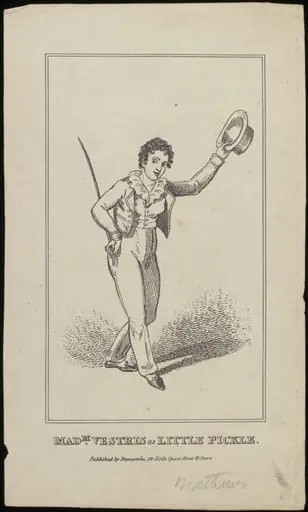 H Beard Print Collection
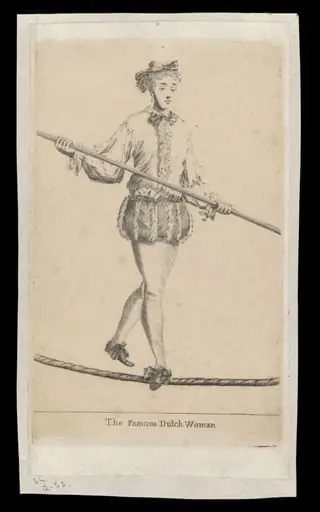 H Beard Print Collection
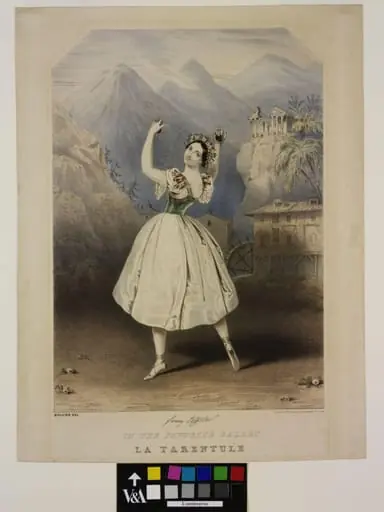 Fanny Elssler in La Tarentule
 H Beard Print Collection
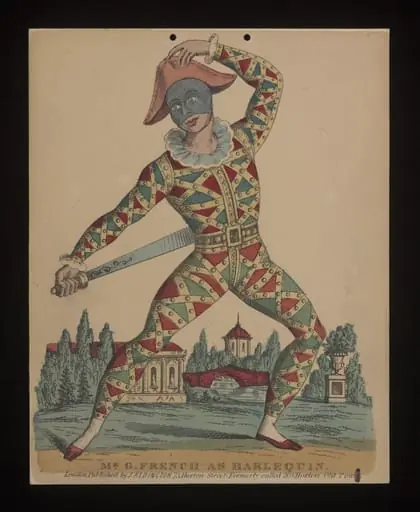 Mr G. French as Harlequin
 H Beard Print Collection
 H Beard Print Collection
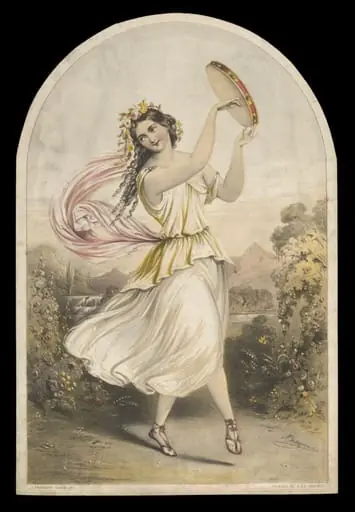 H Beard Print Collection
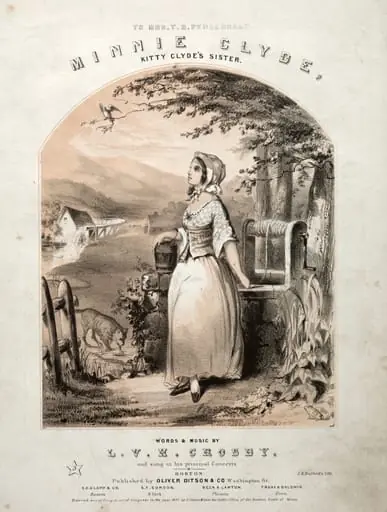 Minnie Clyde - Sheet Music Cover
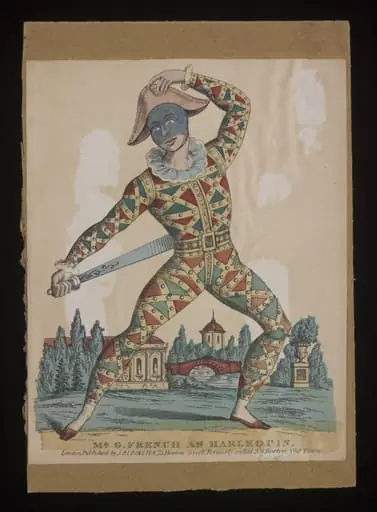 Mr G. French as Harlequin
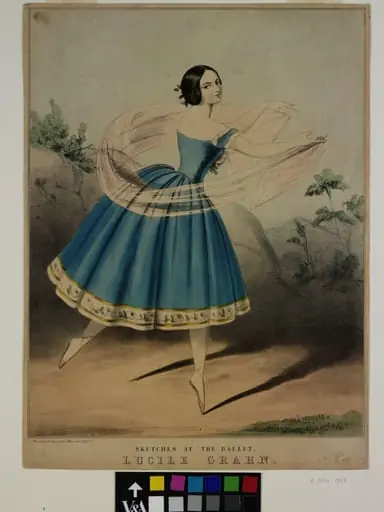 Sketches at the Ballet. Lucile Grahn.
 Tightrope Dancer