Artwork
Tightrope Dancer
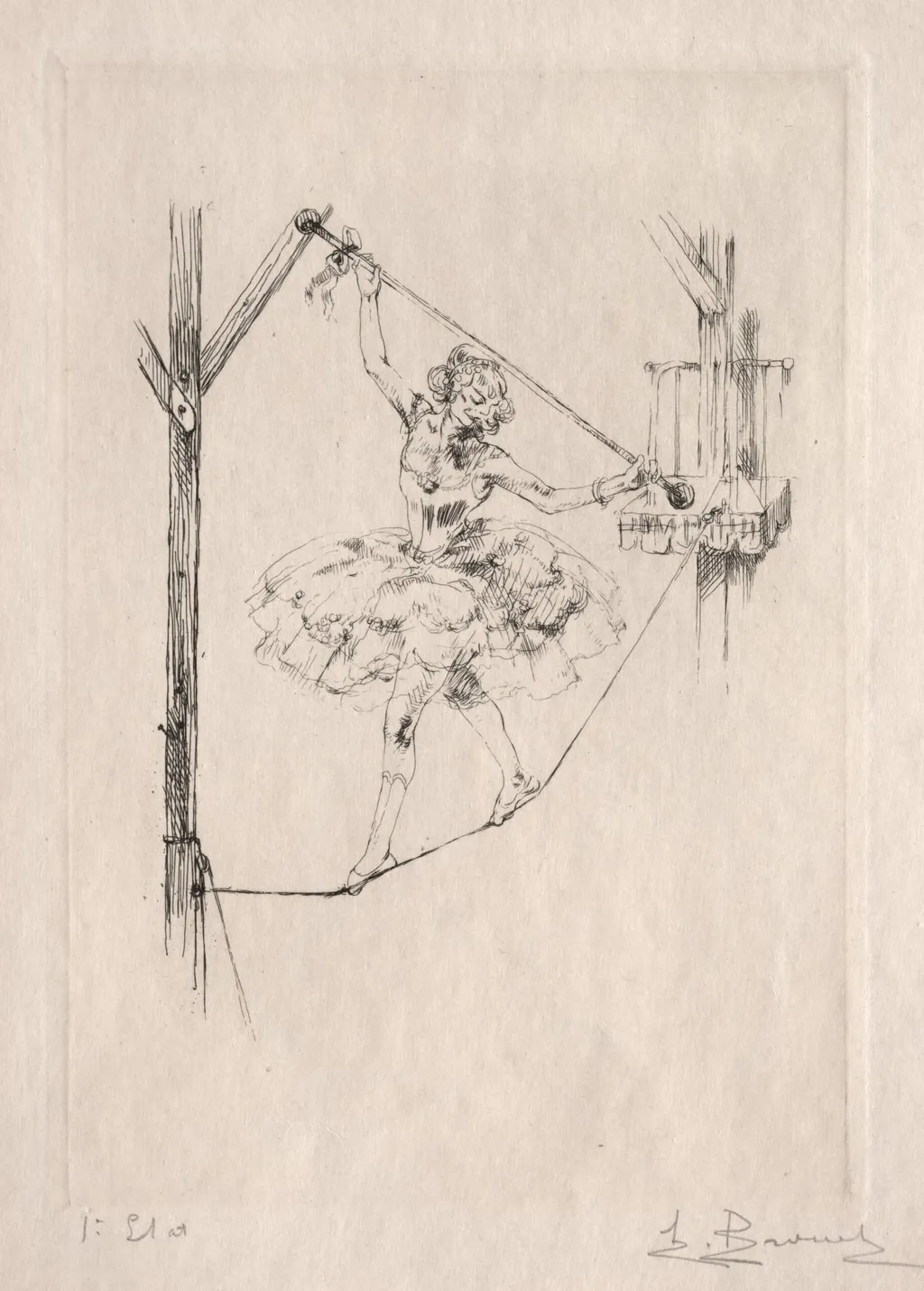
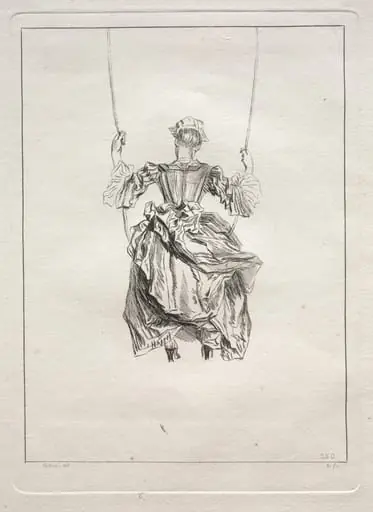
Tightrope Dancer is a print by Auguste Brouet. It dates from 1922 and is held in the collection of the Cleveland Museum of Art.
About this work
Overview
Tightrope Dancer is a 1922 print by French artist Auguste Brouet, currently in the collection of The Cleveland Museum of Art.
Tightrope Dancer is a 1922 print by French artist Auguste Brouet, currently in the collection of The Cleveland Museum of Art. The work captures a performer in mid-balance on a thin rope, rendered with fine linework and tonal contrast. Brouet’s focus on a solitary figure in a moment of precarious equilibrium reflects his interest in human vulnerability and discipline, common themes in his graphic work of the period.
Subject & Meaning
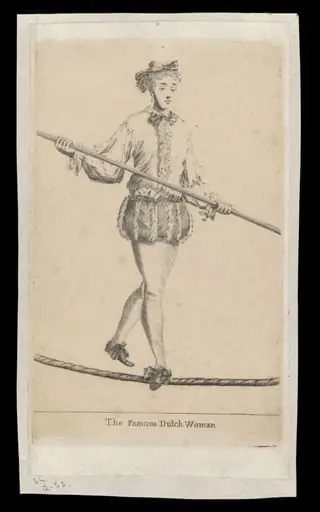
The subject is a female tightrope walker, dressed in a layered tutu, gripping a long balancing pole. Her focused expression and rigid posture suggest intense concentration, emphasizing the physical and psychological strain of her act. The empty beige background isolates her, heightening the sense of solitude and risk. The image evokes themes of control, fragility, and the quiet endurance required in performance.
Technique & Style
Brouet employed etching and drypoint to achieve fine, expressive lines and rich tonal variation. He used chiaroscuro to model the figure’s form, with deep shadows defining the folds of the tutu and the pole’s weight, while highlights accentuate her face and limbs. The contrast between the dark, grounded poles and the lighter, floating figure enhances the illusion of height and instability, characteristic of his graphic precision.
History & Provenance
Created in 1922, the print was produced during Brouet’s mature period, when he focused on intimate, everyday scenes and performers. It entered The Cleveland Museum of Art’s collection through its established print acquisition program, likely in the mid-20th century. The work has been exhibited in several thematic shows on early 20th-century printmaking, though it remains less known than his urban scenes.
Context
In the 1920s, circus and vaudeville performers were frequent subjects in European graphic art, symbolizing modern life’s fragility and spectacle. Brouet, influenced by Japanese prints and French Realism, avoided romanticism, instead portraying performers with quiet dignity. This work aligns with broader postwar artistic interests in human resilience and the unseen labor behind public performance.
Legacy
Tightrope Dancer exemplifies Brouet’s contribution to the revival of etching as a medium for psychological depth. While not widely reproduced, the print is cited in scholarly studies of interwar printmaking for its restrained emotion and technical mastery. It remains a quiet testament to the artist’s ability to convey tension and grace through minimal means.
Artist & collection

![[illisible], by Marie-Louise Carven](https://artifactworldgallery.com/img/marie-louise-carven--illisible--16484d01d88768f4-w320.webp)