Artwork
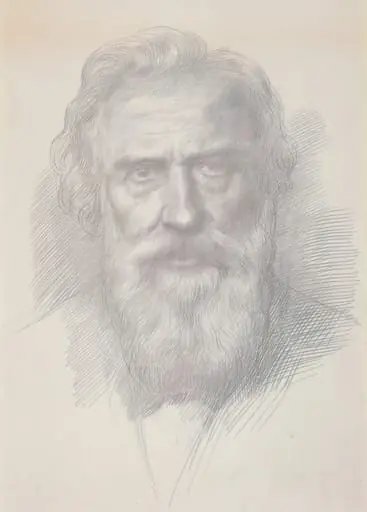
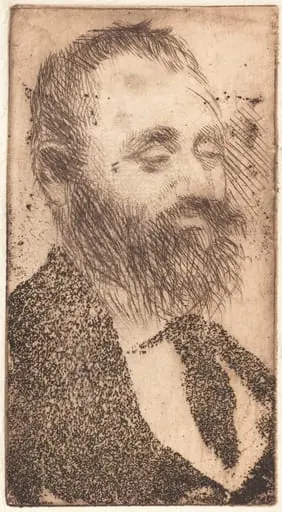
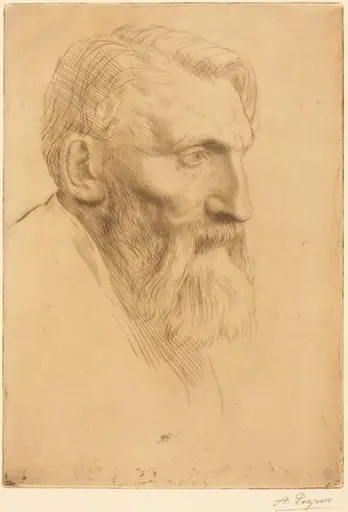
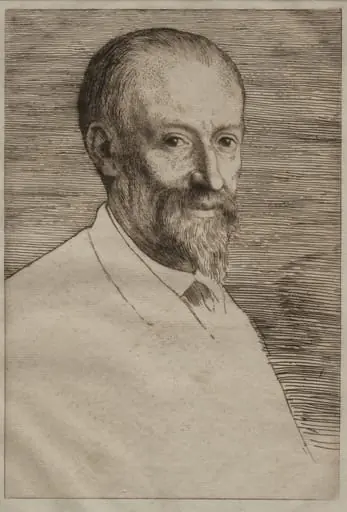
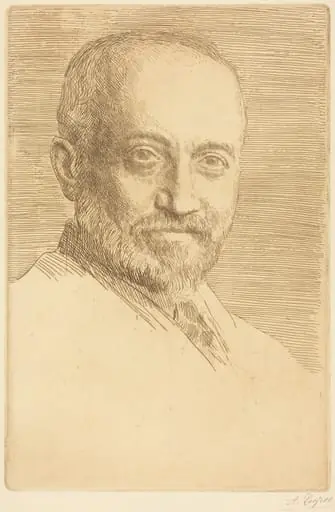
Auguste Poulet-Malassis, 2nd plate
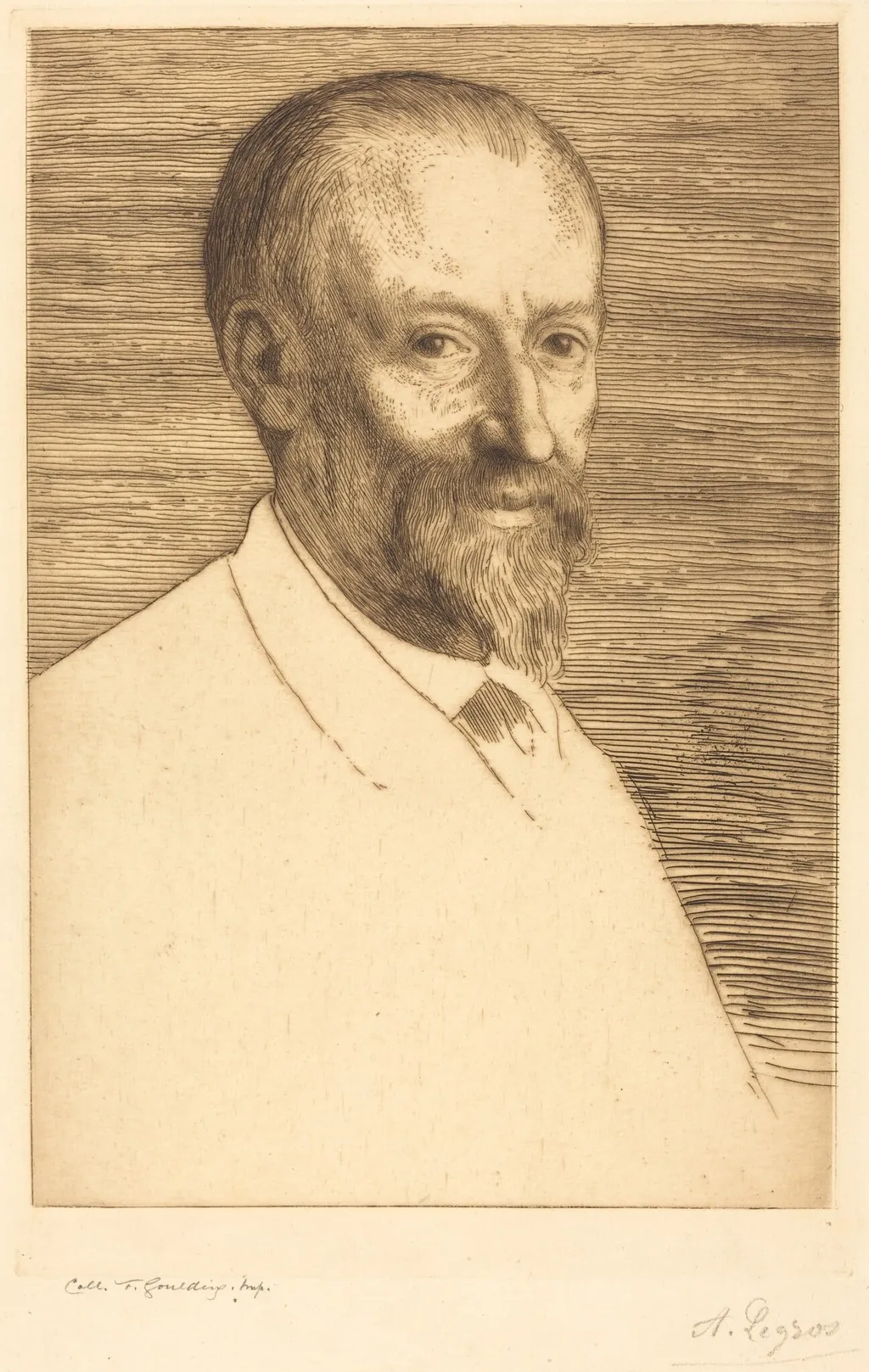
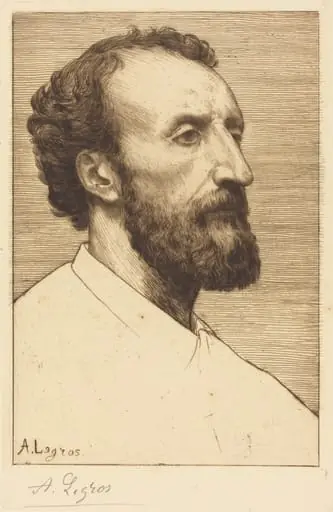
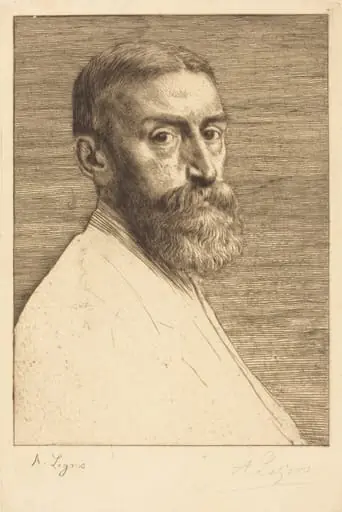
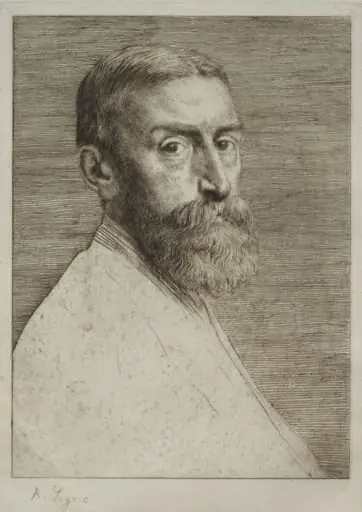
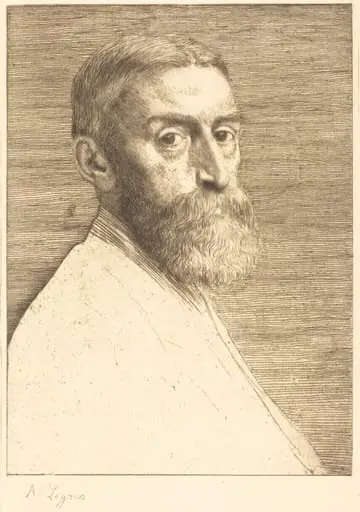
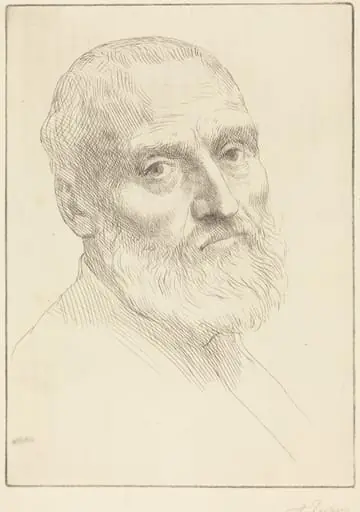
Auguste Poulet-Malassis, 2nd plate is an ink print by the Romanticist artist Alphonse Legros. It dates from 1874 and is held in the collection of the National Gallery of Art.
About this work
Overview
This 1874 etching by Alphonse Legros portrays Auguste Poulet-Malassis, a French publisher connected to literary circles in mid-19th century Paris.
This 1874 etching by Alphonse Legros portrays Auguste Poulet-Malassis, a French publisher connected to literary circles in mid-19th century Paris. Created during Legros’s time in London, the work reflects his engagement with printmaking as both an artistic and intellectual pursuit. The plate is one of two versions made of the same subject, indicating a deliberate exploration of tone and composition.
Subject & Meaning
Auguste Poulet-Malassis was a publisher known for his association with poets and writers, including Charles Baudelaire. Legros captures him with quiet dignity, emphasizing his role as a cultural figure rather than a public personality. The restrained expression and formal attire suggest introspection and intellectual gravitas, aligning the portrait with the values of literary professionalism rather than celebrity.
Technique & Style
Legros employs fine, controlled etching lines to model the face and fabric, using varying densities to suggest volume and texture. The background’s horizontal gradations create spatial depth without distraction, focusing attention on the subject’s features. The thinning hair, beard, and crisp white jacket are rendered with precision, reflecting Legros’s commitment to naturalism and his mastery of linear tonal variation.
History & Provenance
The etching was produced after Legros moved to London in 1863, where he became a central figure in the British etching revival. Though created in England, the portrait of a French publisher underscores his transnational artistic network. The work likely circulated among print collectors and literary circles, though its early ownership records remain undocumented beyond its creation date.
Context
In the 1870s, etching experienced renewed interest in Britain as artists sought alternatives to industrialized reproduction. Legros, trained in Paris and teaching at the Slade, championed the medium’s expressive potential. This portrait reflects the cross-channel cultural exchange between French literary figures and British artists, positioning printmaking as a vehicle for intellectual connection.
Legacy
Legros’s etchings, including this portrait, influenced a generation of British printmakers by emphasizing directness and technical discipline. While not widely exhibited in his lifetime, his works contributed to the reestablishment of etching as a serious artistic medium. The portrait of Poulet-Malassis endures as a quiet testament to the interconnected worlds of publishing and fine art in the late 19th century.
Artist & collection

Artist
Alphonse Legros (French pronunciation: ; 8 May 1837 – 8 December 1911) was a French, later British, painter, etcher, sculptor, and medallist.