Artwork
Chailli Seen in a Storm (Chailli: Effet d'orage)
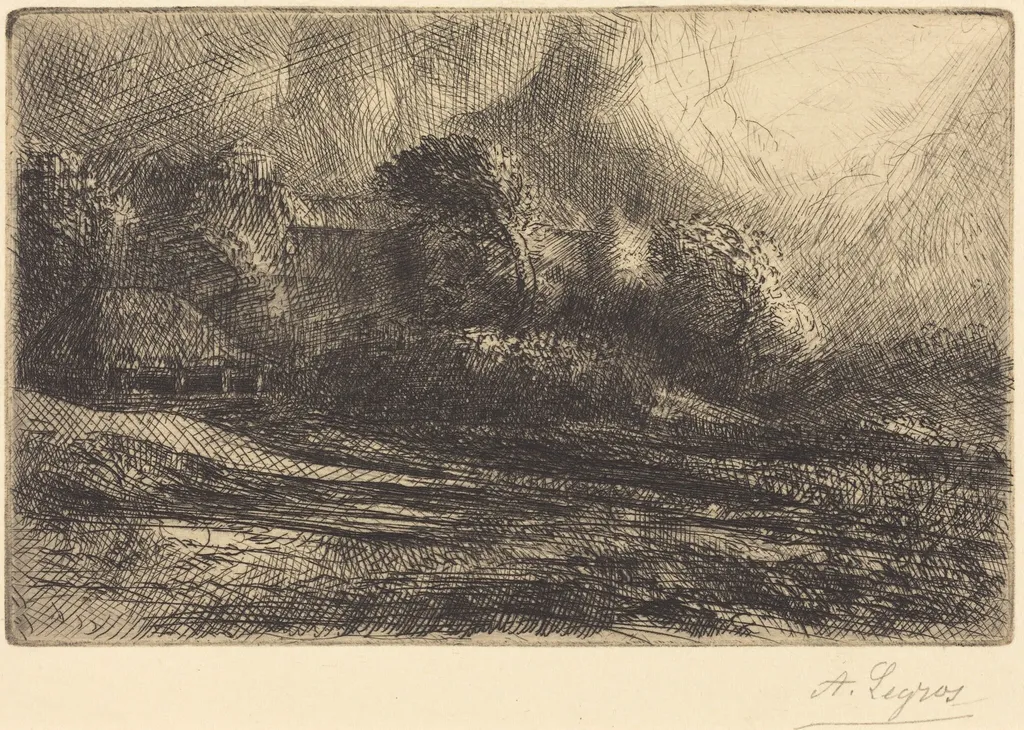
Chailli Seen in a Storm (Chailli: Effet d'orage) is an ink print by the Romanticist artist Alphonse Legros. It dates from 1874 and is held in the collection of the National Gallery of Art.
About this work
Overview
Created in 1874, *Chailli Seen in a Storm* is an etching by Alphonse Legros, a French artist who moved to London in 1863 and later became a British citizen.
Created in 1874, *Chailli Seen in a Storm* is an etching by Alphonse Legros, a French artist who moved to London in 1863 and later became a British citizen. The work belongs to a period when Legros was actively involved in revitalizing printmaking in Britain, particularly through his emphasis on etching as a serious artistic medium. This piece stands as one of his more atmospheric prints, capturing a moment of natural turbulence with minimal figuration.
Subject & Meaning
The figure of Chailli, likely a local resident or model, is rendered as a small, indistinct form within a vast, violent landscape. The subject is not idealized but absorbed into the environment, suggesting human vulnerability against elemental forces. The storm dominates the composition, transforming the scene into a psychological landscape where weather becomes the primary narrative agent, evoking isolation and the sublime power of nature.
Technique & Style
Legros employed aggressive etching techniques—deep biting, cross-hatching, and scraped textures—to generate a sense of chaotic motion. The sky is built from dense, overlapping lines that mimic swirling wind and rain, while the ground dissolves into smudged, granular ink. The paper’s surface retains a tactile roughness, enhancing the feeling of rawness. This method prioritizes emotional intensity over detail, aligning with the expressive potential of etching in the late 19th century.
History & Provenance
The print was made during Legros’s tenure at the Slade School of Fine Art, where he influenced a generation of British printmakers. Though few records detail its early ownership, it was likely circulated among artistic circles in London and Paris. Its survival in institutional collections reflects its significance as an example of Legros’s technical innovation and his role in elevating etching beyond reproductive use.
Context
In the 1870s, British art was undergoing a quiet revolution in printmaking, moving away from commercial reproduction toward personal expression. Legros, trained in France but active in England, bridged these traditions. His storm scenes echoed Romantic precedents but rejected theatricality, favoring somber realism. This work aligns with broader European interests in nature’s indifference and the artist’s role as witness rather than decorator.
Legacy
Legros’s etchings, including this one, helped redefine printmaking as a vehicle for individual vision rather than mere illustration. His emphasis on texture, tone, and emotional weight influenced later British etchers such as James McNeill Whistler and Frank Brangwyn. Though less widely known today, *Chailli Seen in a Storm* remains a quiet testament to the power of restraint and material honesty in graphic art.
Own this work as a print
Artist & collection

Artist
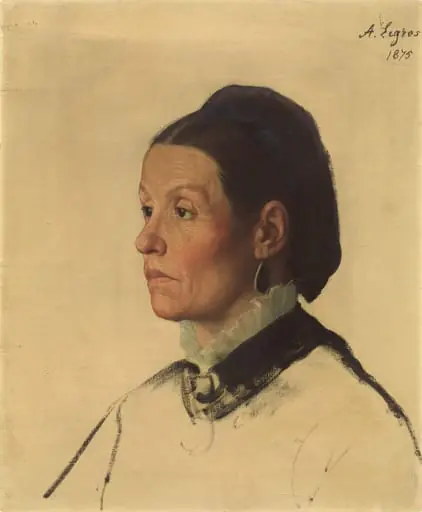
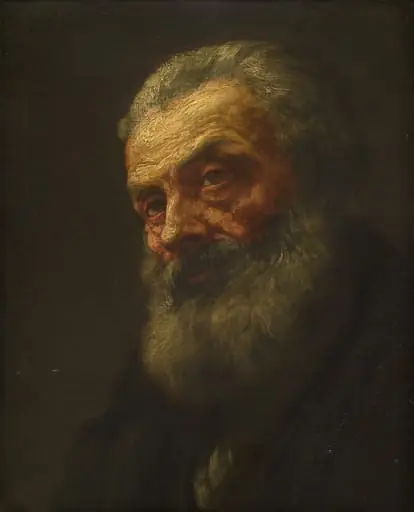
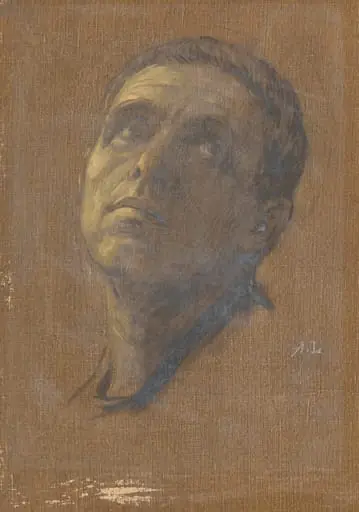
Alphonse Legros (French pronunciation: ; 8 May 1837 – 8 December 1911) was a French, later British, painter, etcher, sculptor, and medallist.

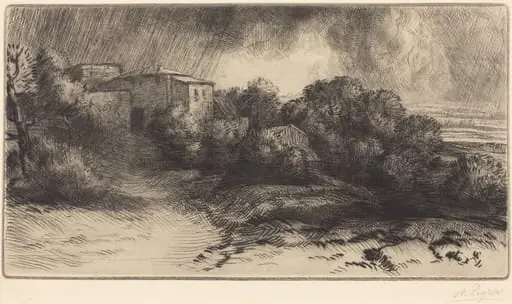 La Ferme de Brieux (Effect d'orage) (Farm at Brieux in a Storm)
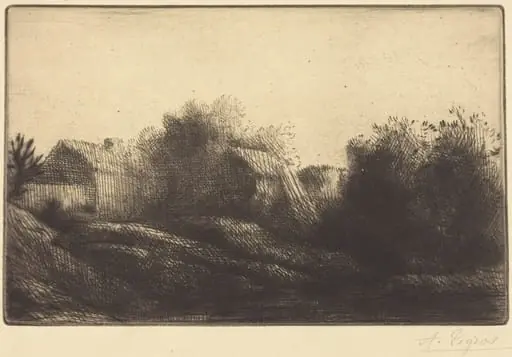 Remembrance of My Village (Souvenir de mon village)
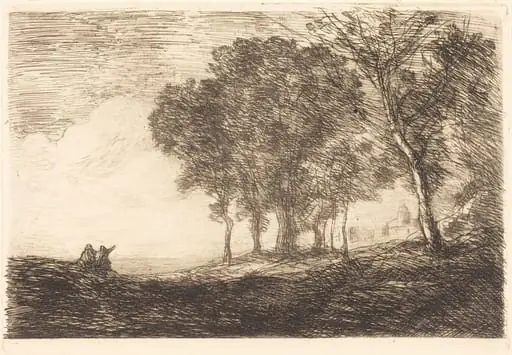 Italian Landscape
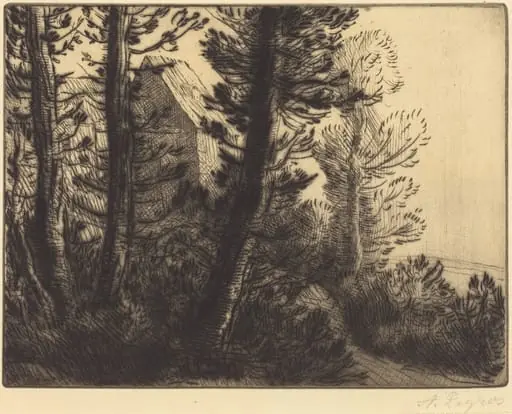 Guardhouse (La maison du garde)
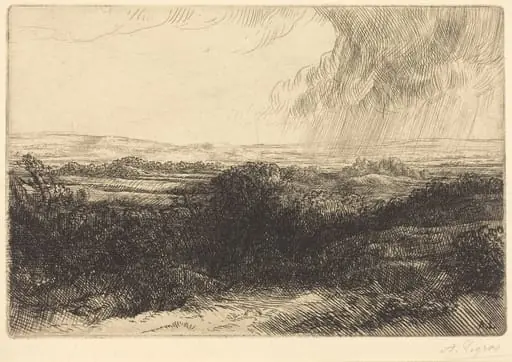 Prospect (Le point de vue)
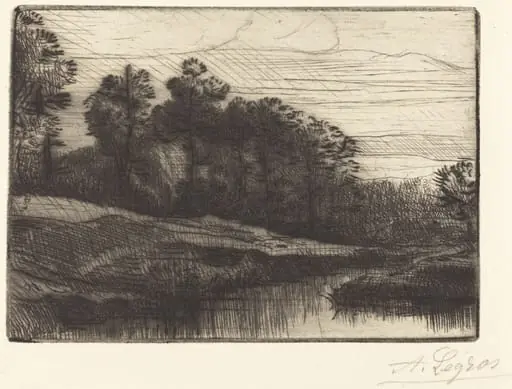 Sunset (Le soir (Coucher de soleil))
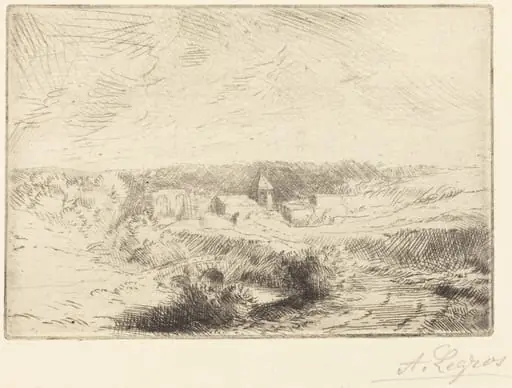 Village of Wimille, near Boulogne (Village de Wimille, pres Boulogne)
 The Gate (L'entree du champ)
 A Souvenir of Ostia