Artwork
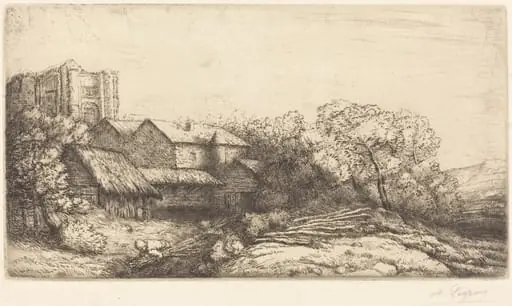
La Ferme de Brieux (Effect d'orage) (Farm at Brieux in a Storm)
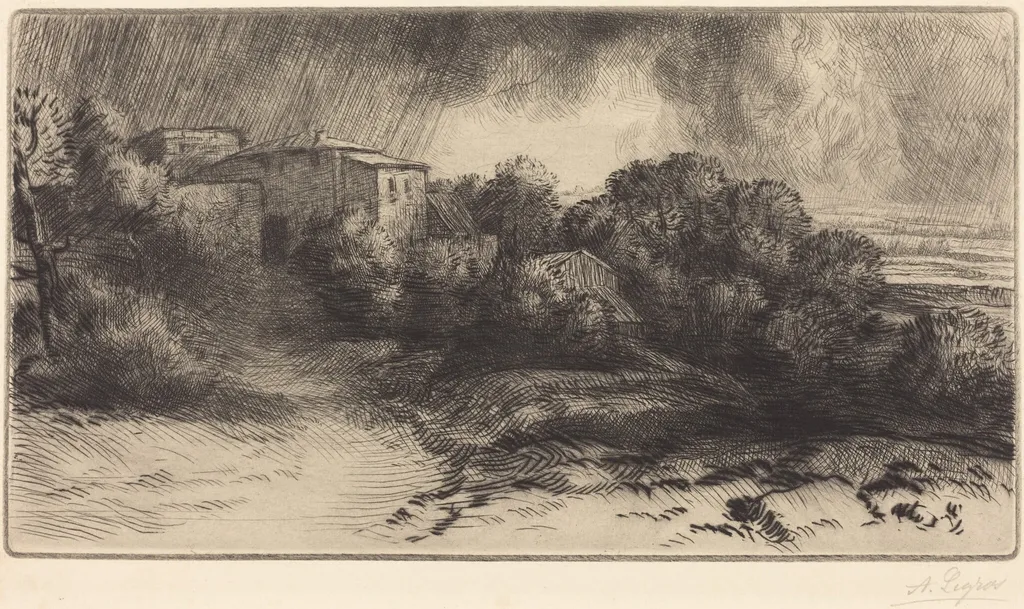
La Ferme de Brieux (Effect d'orage) (Farm at Brieux in a Storm) is an ink print by the Romanticist artist Alphonse Legros. It dates from 1874 and is held in the collection of the National Gallery of Art.
About this work
Overview
Alphonse Legros produced the drypoint print *La Ferme de Brieux (Effect d'orage)* in 1874. Executed on wove paper, the image presents a solitary farmstead set against a turbulent sky, emphasizing the contrast between the modest architecture and the surrounding tempest.
Subject & Meaning
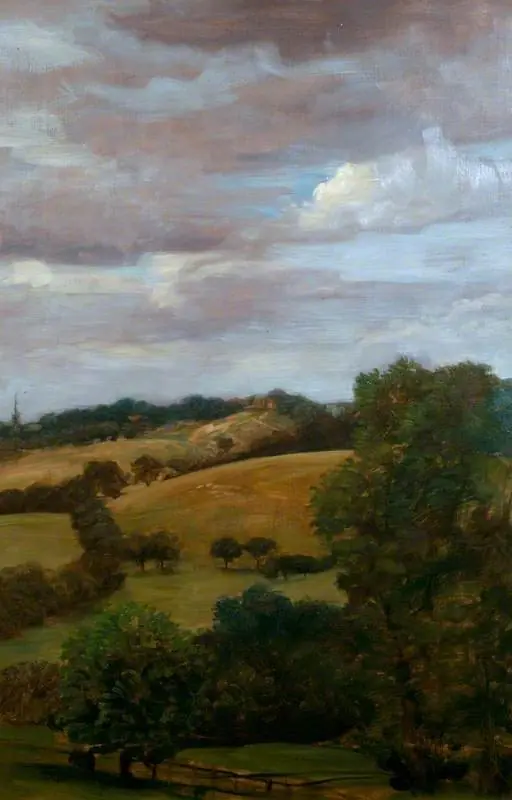
The composition captures a rural farmhouse perched on a hill, surrounded by dense trees and uneven ground. Dark, swirling lines dominate the heavens, suggesting an approaching storm that envelops the landscape, evoking the vulnerability of agrarian life to natural forces.
Technique & Style
Legros employed drypoint, a printmaking method in which a needle incises lines directly into a metal plate. The resulting burr yields soft, velvety edges, giving the sky and foliage a hazy, atmospheric quality that heightens the sense of movement and weather.
History & Provenance
Born in France in 1837, Legros moved to London in 1863, where he became a central figure in the British etching revival and taught at the Slade School of Fine Art. *La Ferme de Brieux* reflects his active engagement with printmaking during this period of his career.
Context
The work aligns with 19th‑century interests in rural subjects and the dramatic effects of light and weather. It also demonstrates the cross‑channel exchange of artistic ideas, as Legros brought French training to the burgeoning British print scene.
Artist & collection

Artist
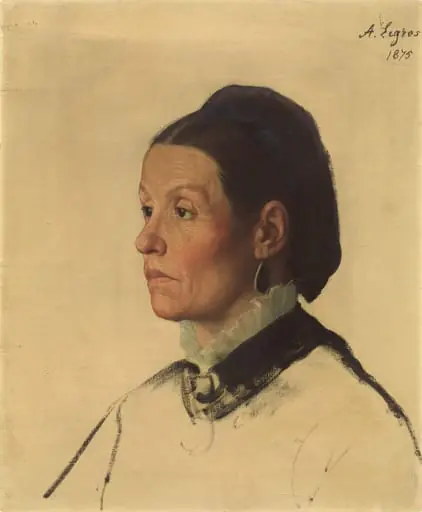
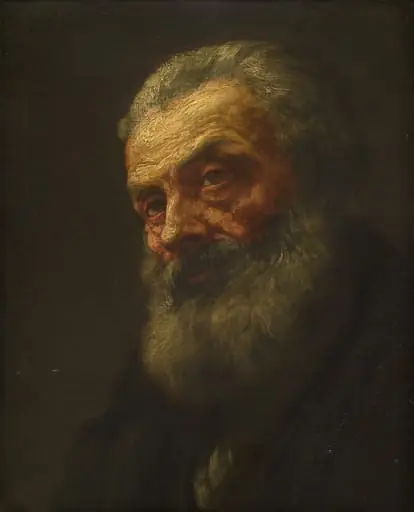
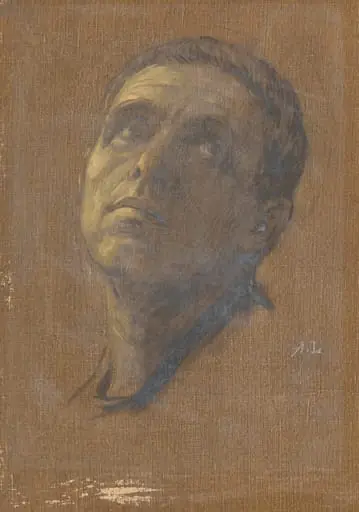
Alphonse Legros (French pronunciation: ; 8 May 1837 – 8 December 1911) was a French, later British, painter, etcher, sculptor, and medallist.

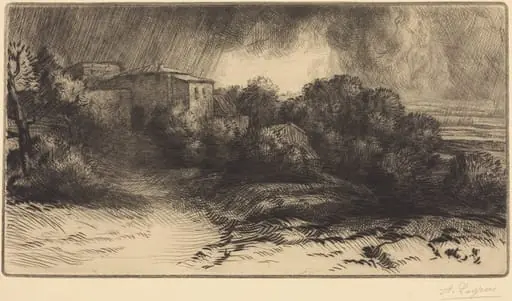 View of a Farm Seen in a Storm (La ferme de Brieux (Effet d'orage))
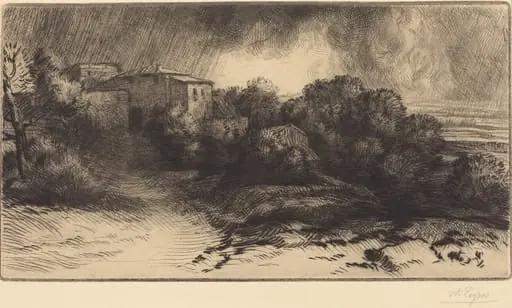 View of a Farm Seen in a Storm (La ferme de Brieux (Effet d'orage))
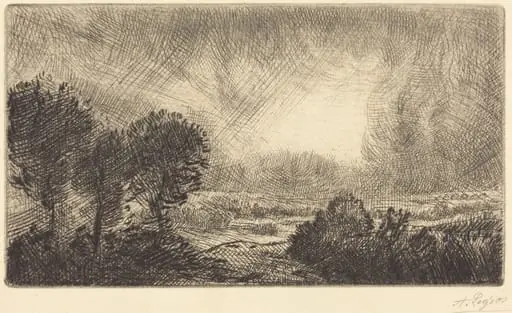 Landscape with Storm (Paysage d'orage)
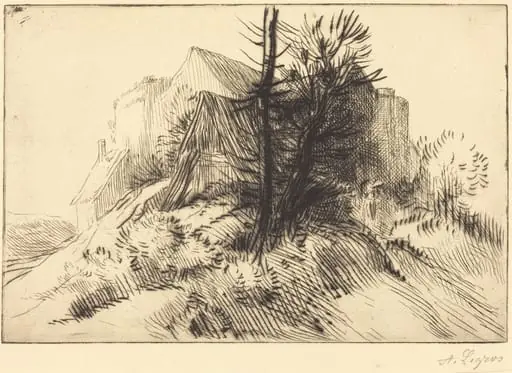 Farm in Winter (Une ferme en hiver)
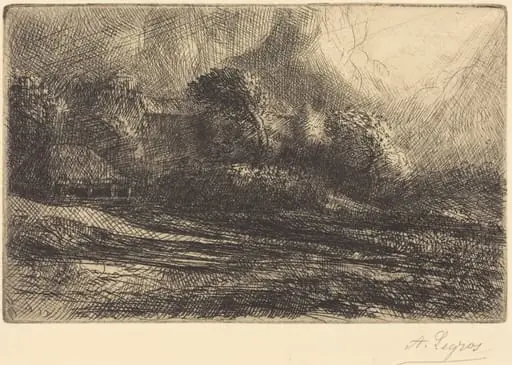 Chailli Seen in a Storm (Chailli: Effet d'orage)
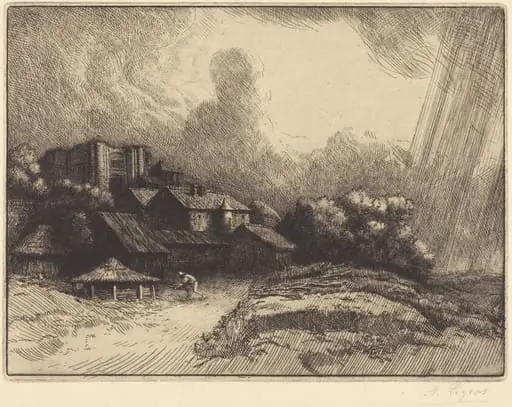 Farm at the Monastery (La ferme de l'abbaye)
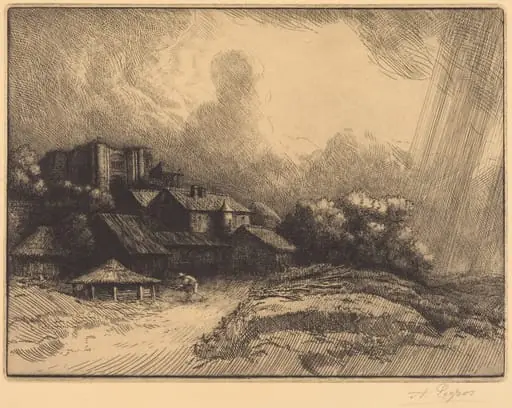 Farm at the Monastery (La ferme de l'abbaye)
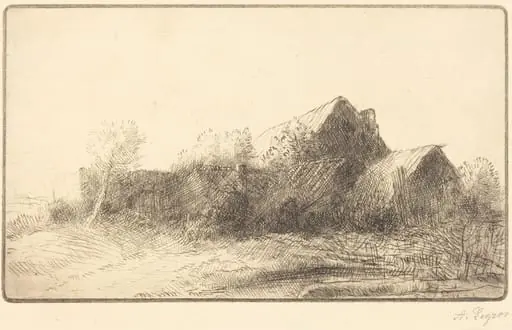 Farm (Une ferme)
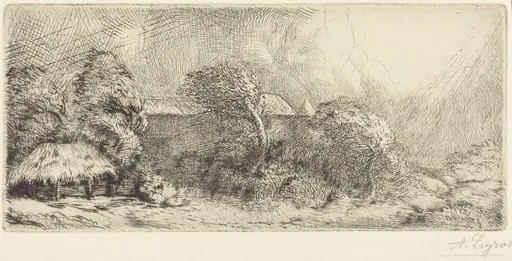 Chailli Seen in a Storm (Chailli: Effet d'orage)
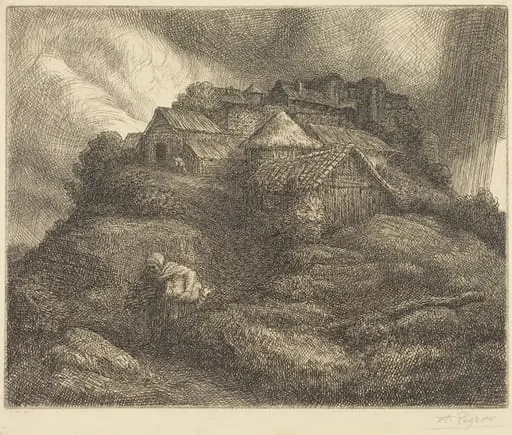 Village of Saint-Pierre during a Storm (Village de Saint-Pierre; Effet d'orage)
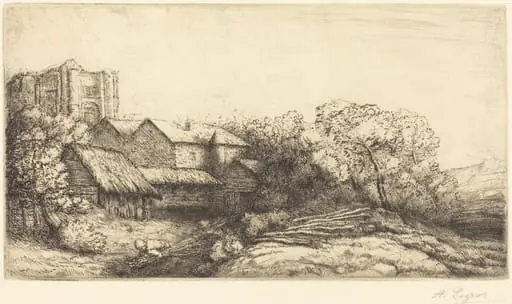 Farm at the Monastery (La ferme de l'abbaye)
 Farm at the Monastery (La ferme de l'abbaye)