Artwork
Craibe Angus
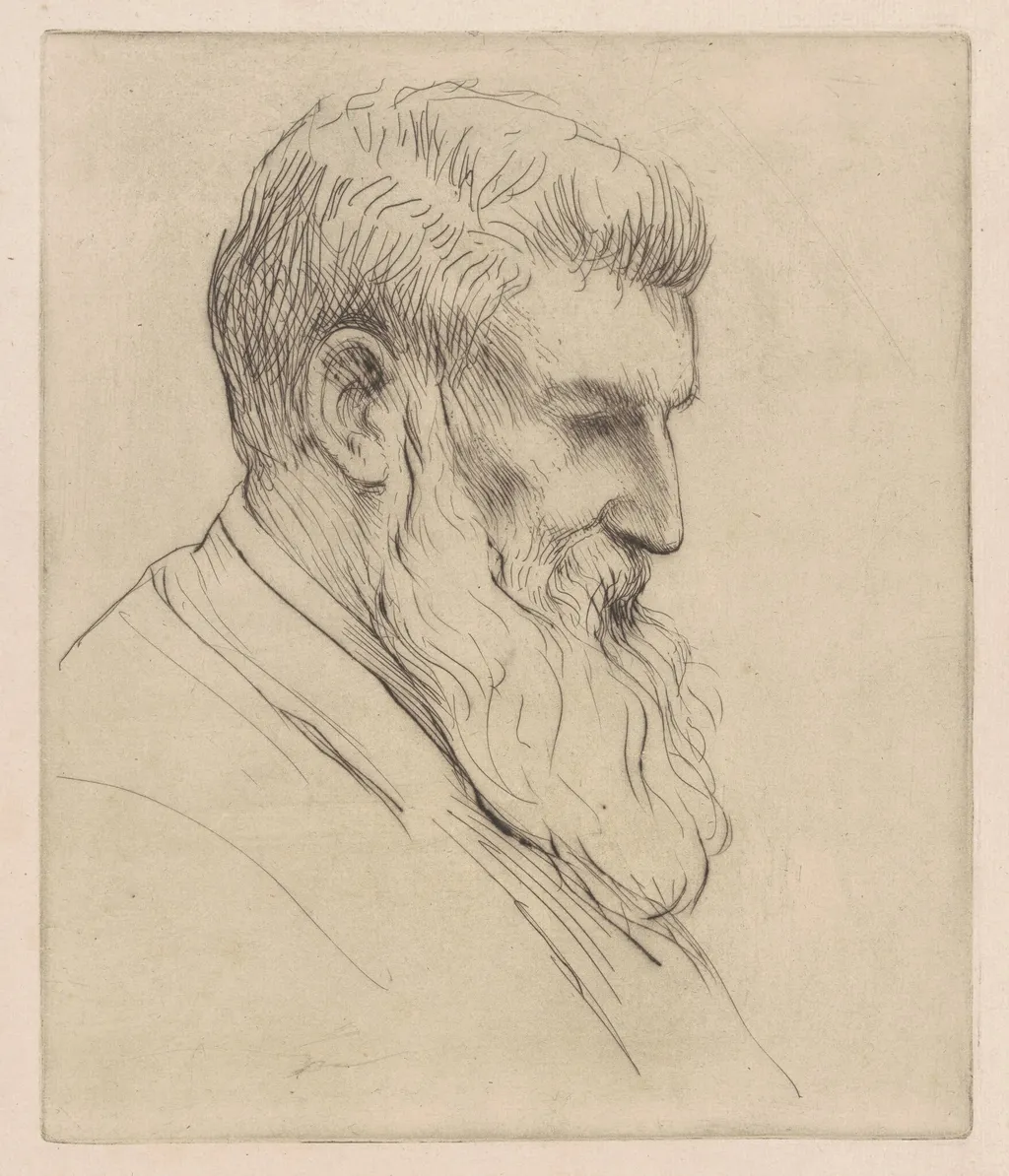
Craibe Angus is an ink print by the Impressionist artist Alphonse Legros. It dates from 1878 and is held in the collection of the National Gallery of Art.
About this work
Overview
Craibe Angus is a drypoint print created by Alphonse Legros in 1878. Born in France, Legros settled in London in 1863 and was instrumental in reviving British printmaking through his teaching and practice in etching and sculpture.
Subject & Meaning
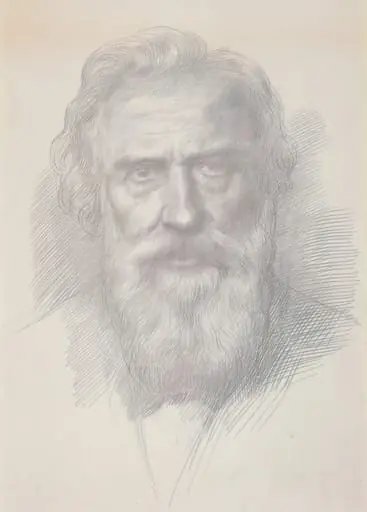
The print depicts a man's side profile, with his head tilted downward. The subject's wavy hair and beard are rendered in loose, expressive lines, conveying a sense of softness and subtlety.
Technique & Style
Legros employed drypoint to incise the plate, achieving fine, fuzzy marks. This technique allowed for varied line darkness and a natural blend of light and dark areas, producing a soft, shadowy effect reminiscent of pencil on paper.
History & Provenance
Created in 1878, Craibe Angus reflects Legros's contribution to the revival of printmaking in Britain during his time in London. Specific provenance details are not provided.
Context
The work's rough-textured paper and expressive, loose lines situate it within the broader 19th-century revival of interest in printmaking techniques that emphasized direct, handmade qualities.
Legacy
While specific legacy details of Craibe Angus are not provided, the work contributes to Legros's overall impact on British printmaking education and practice during the late 19th century.
Artist & collection

Artist
Alphonse Legros (French pronunciation: ; 8 May 1837 – 8 December 1911) was a French, later British, painter, etcher, sculptor, and medallist.

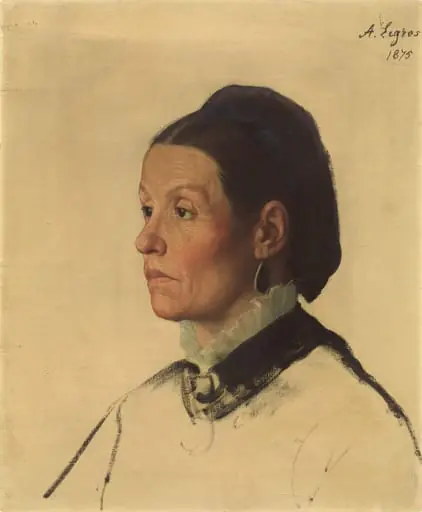
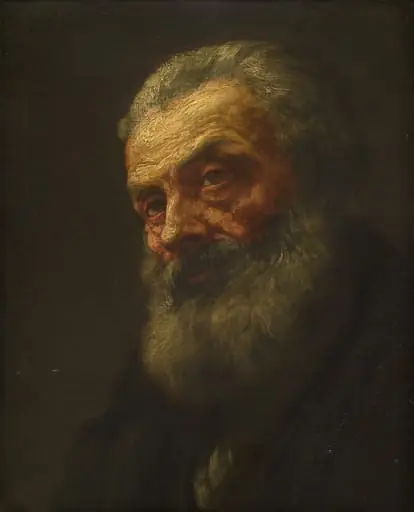
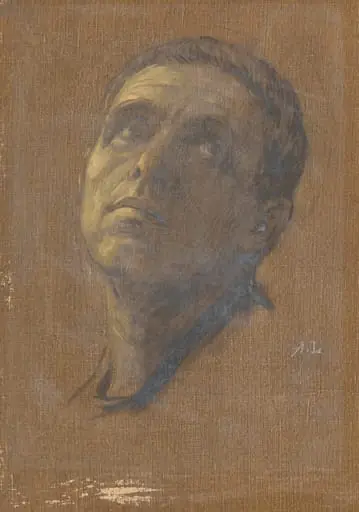
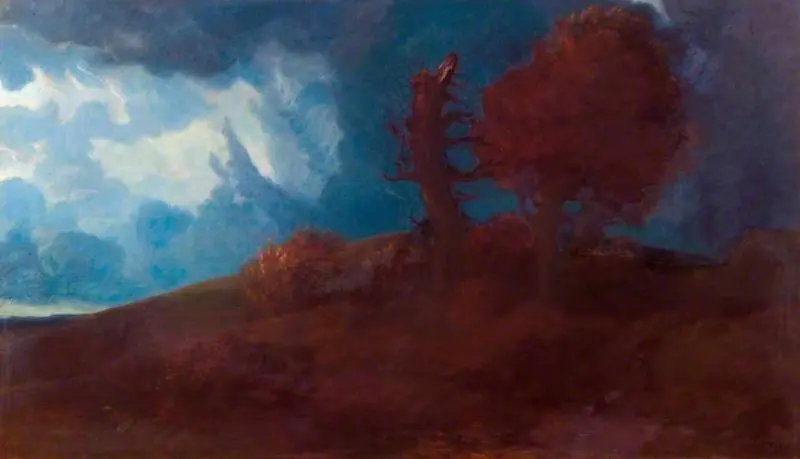
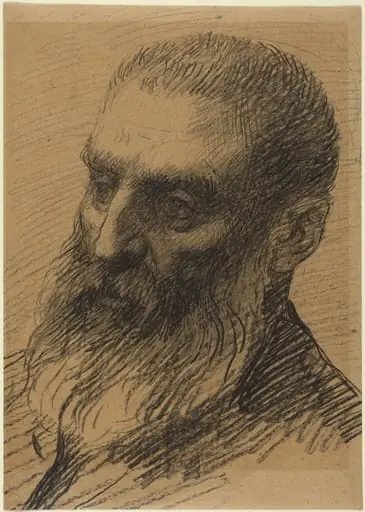 Head of a Man Facing Left
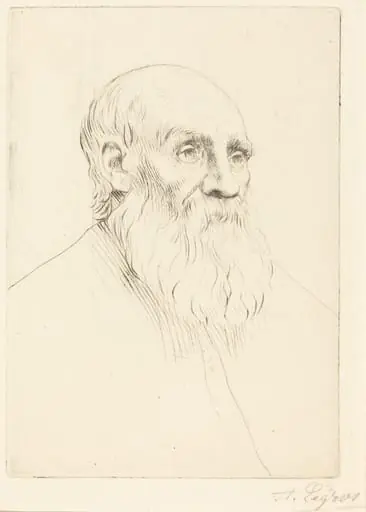 Head of an Old Man (Etude de tete)
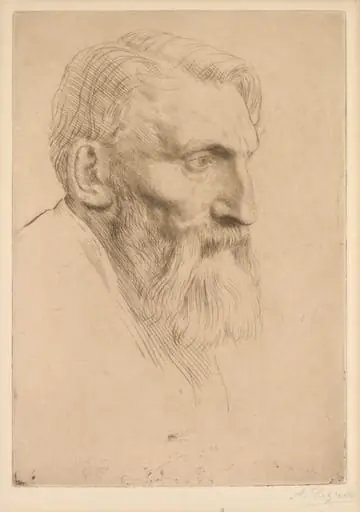 Auguste Rodin
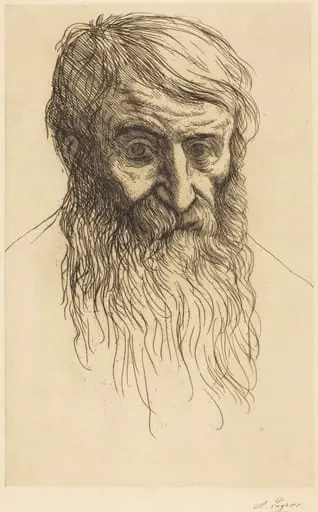 Head of a Philosopher (Tete de philosophe)
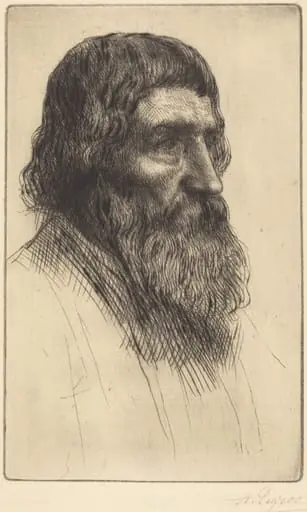 English Peasant (Paysan anglais)
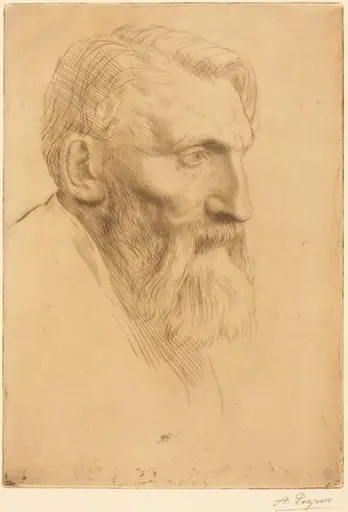 Auguste Rodin
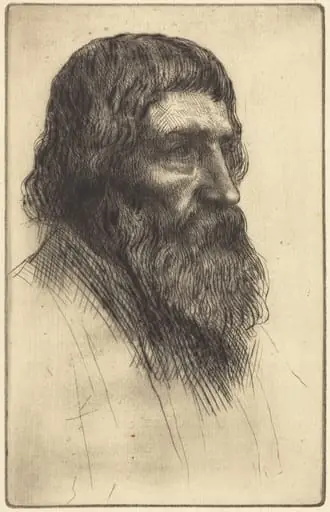 English Peasant (Paysan anglais)
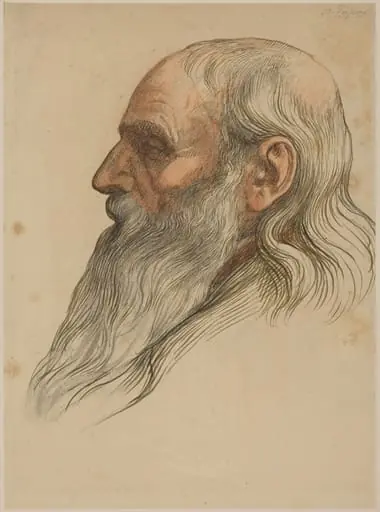 Study of a Man's Head with a Full Beard
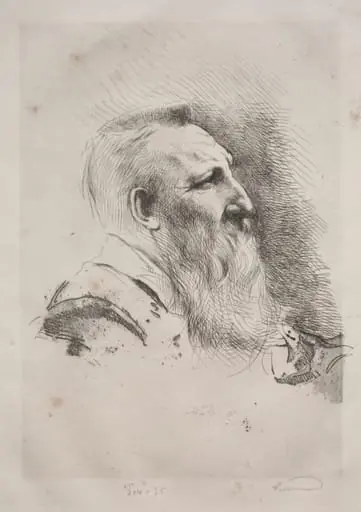 Auguste Rodin
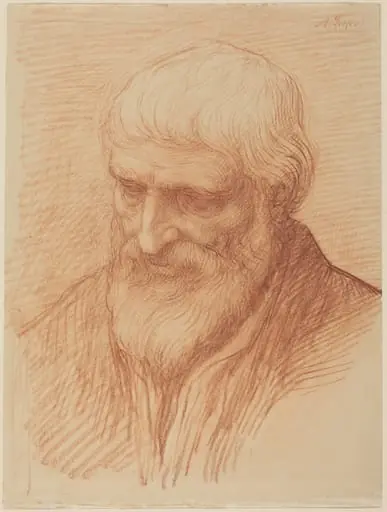 Study of a Philosopher
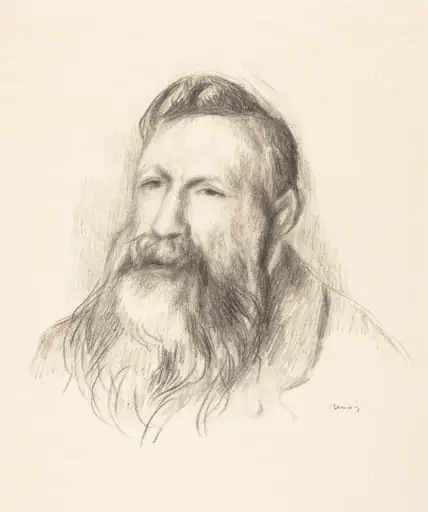 Auguste Rodin
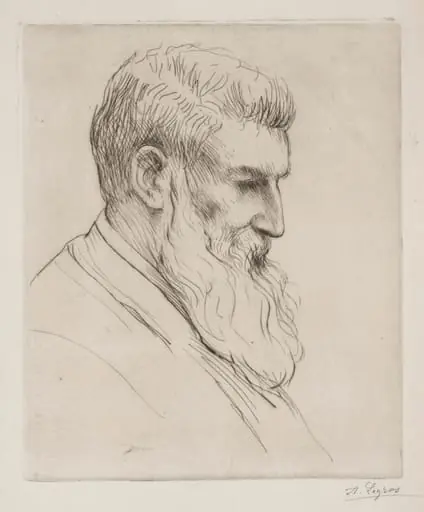 Portrait of Craibe Angus