Artwork
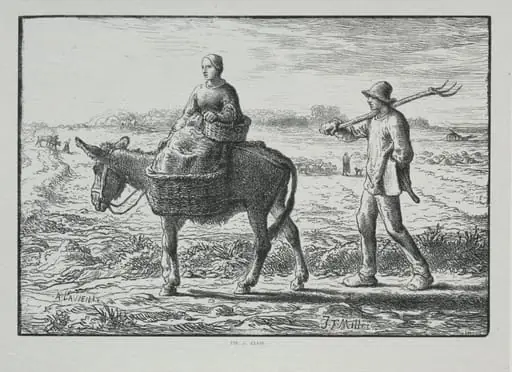
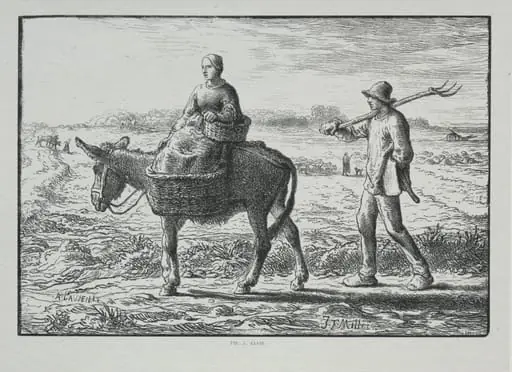
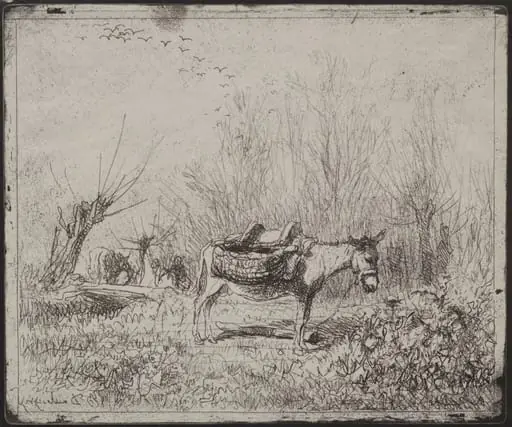
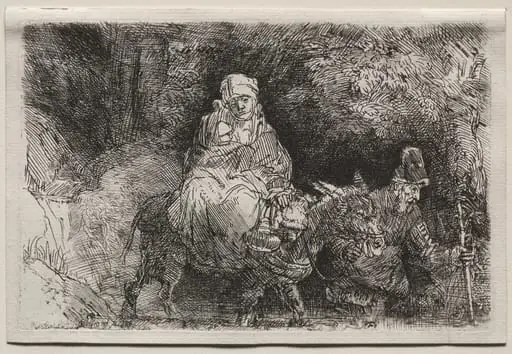
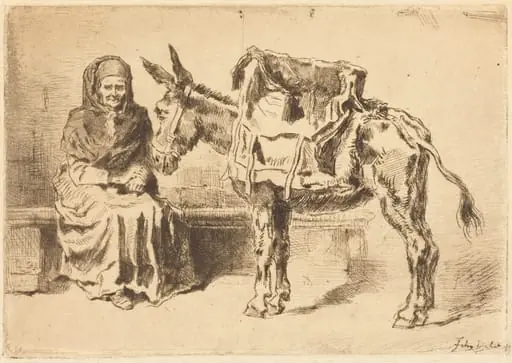
Milkmaid of Boulogne, 3rd plate (Laitiere a Boulogne)
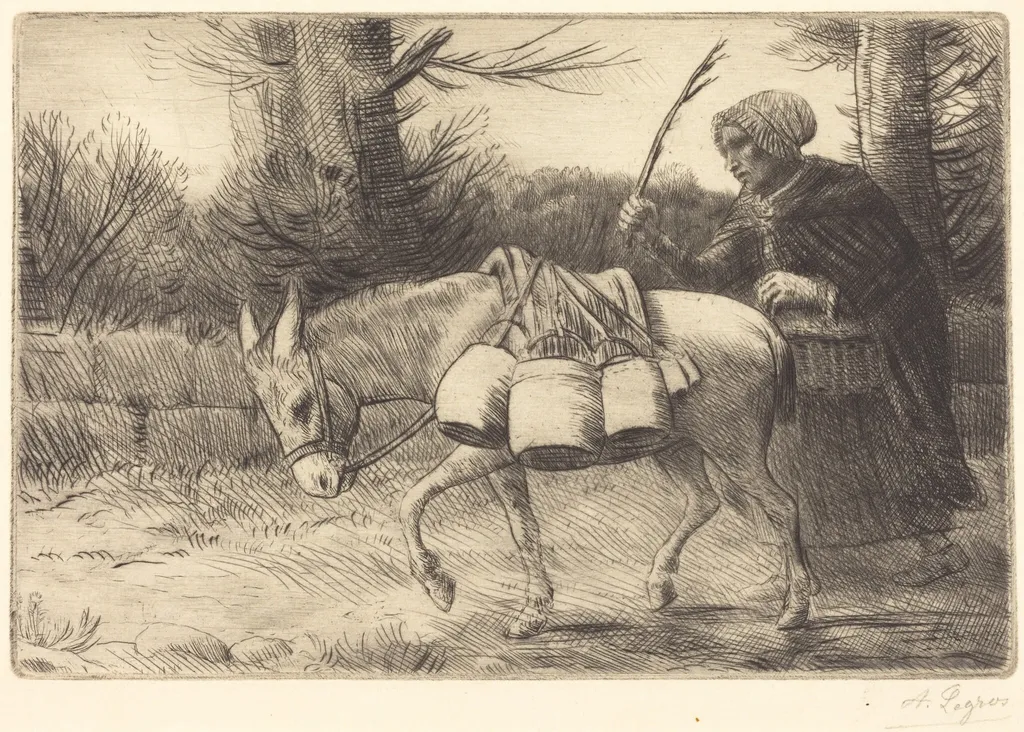
Milkmaid of Boulogne, 3rd plate (Laitiere a Boulogne) is an ink print by the Romanticist artist Alphonse Legros. It dates from 1874 and is held in the collection of the National Gallery of Art.
About this work
Overview
This work belongs to a series exploring rural labor, rendered with a direct, tactile approach that emphasizes the physicality of the subject and medium.
Created in 1874 by Alphonse Legros, *Milkmaid of Boulogne, 3rd plate* is an etching and drypoint print made during his time in England. Though French by birth, Legros became a naturalized British citizen and was influential in revitalizing printmaking traditions in Britain. This work belongs to a series exploring rural labor, rendered with a direct, tactile approach that emphasizes the physicality of the subject and medium.
Subject & Meaning
The image portrays a woman engaged in the quiet, repetitive act of milking a cow in a rural landscape near Boulogne. She stands beside a cart filled with hay, suggesting the rhythm of agricultural life. The scene avoids idealization, focusing instead on the unembellished reality of labor. The figure’s posture and the surrounding environment convey endurance and routine, reflecting Legros’s interest in dignified, untheatrical subjects.
Technique & Style
Legros employed etching and drypoint to build dense, textured surfaces through varied line weight and deliberate scratching. The rough, irregular strokes mimic the grit of earth and fabric, avoiding smoothness in favor of tactile immediacy. Drypoint’s burr creates soft, velvety blacks, while etched lines define structure. The composition relies on contrast and atmospheric depth rather than fine detail, reinforcing the rawness of the moment.
History & Provenance
The print was produced during Legros’s tenure at the Slade School of Fine Art, where he taught printmaking and influenced a generation of British artists. Though the exact early ownership is undocumented, the work aligns with his broader efforts to elevate etching as a serious artistic medium. It was likely circulated among collectors and students familiar with his revivalist agenda in British print culture.
Context
In the 1870s, European artists increasingly turned to everyday rural life as a subject, rejecting academic grandeur. Legros, influenced by French Realism and Dutch genre painting, aligned with this trend while emphasizing the materiality of printmaking. His choice of a milkmaid—a figure common in peasant imagery—reflected a broader cultural interest in authentic labor, distinct from romanticized pastoralism.
Legacy
Legros’s prints, including this one, helped redefine etching as a vehicle for expressive, non-illustrative art in Britain. His technical rigor and focus on laboring subjects inspired later printmakers to value process and texture over polish. Though less widely known today, his pedagogical impact and commitment to the medium left a lasting imprint on British printmaking traditions.
Artist & collection

Artist
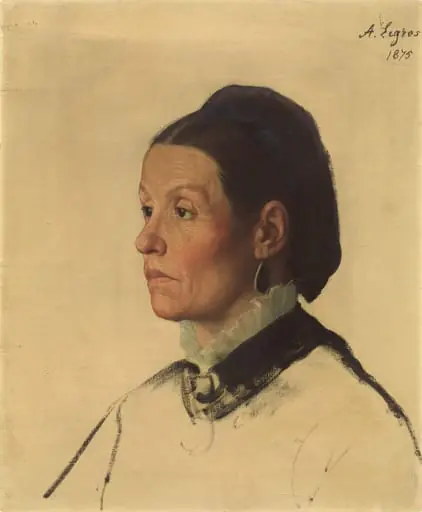
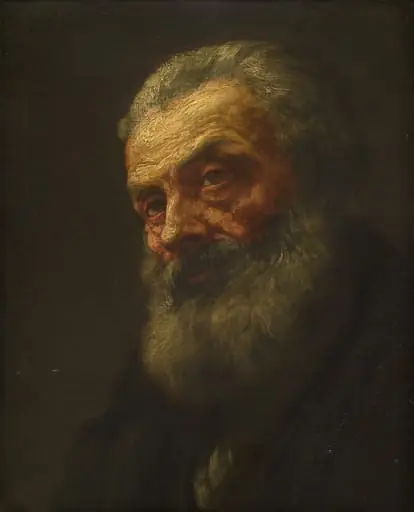
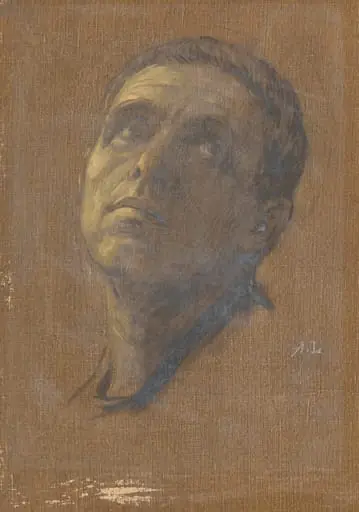
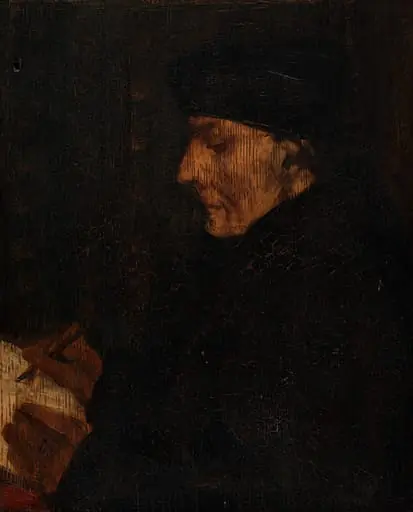
Alphonse Legros (French pronunciation: ; 8 May 1837 – 8 December 1911) was a French, later British, painter, etcher, sculptor, and medallist.