Artwork
H Beard Print Collection
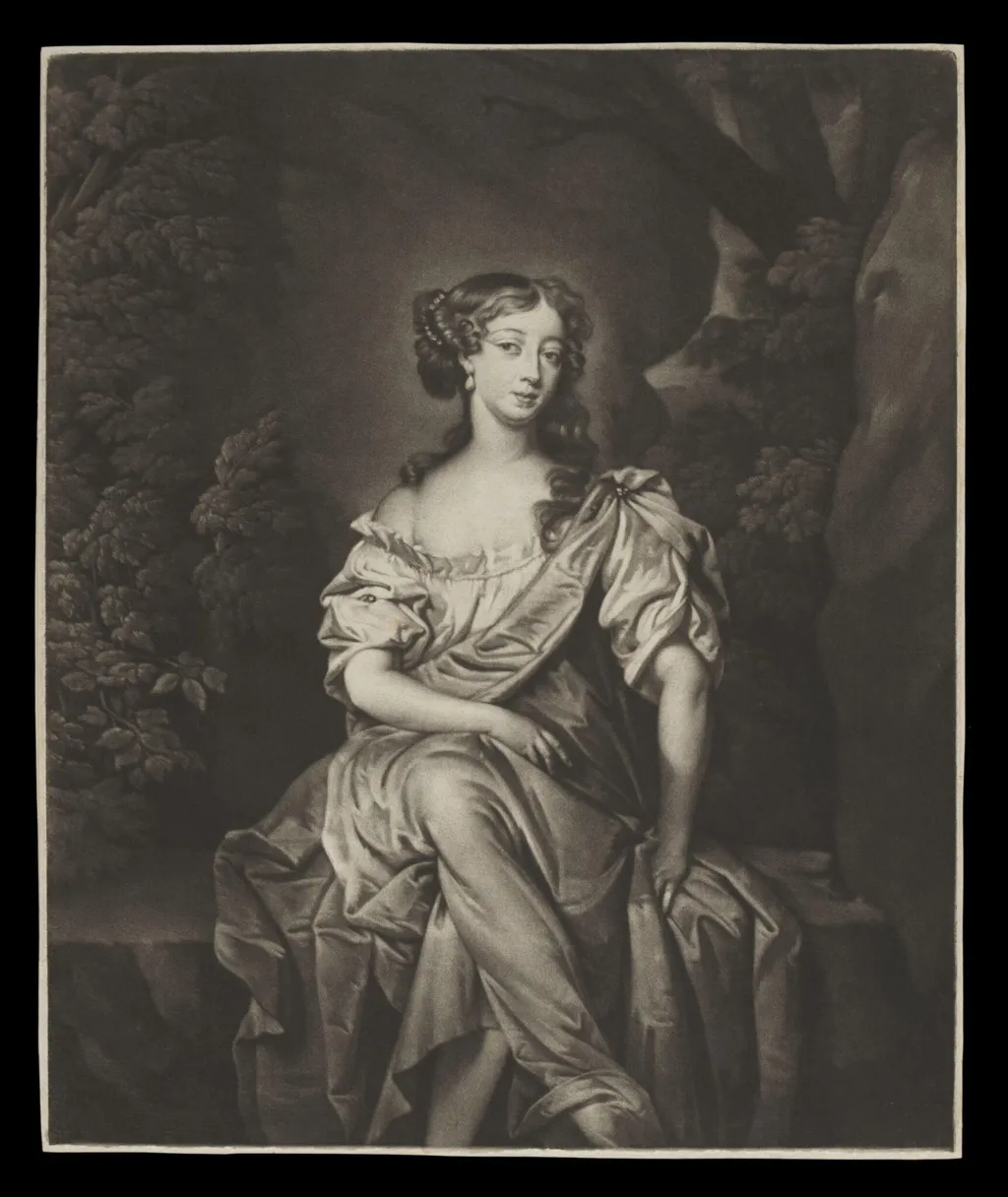
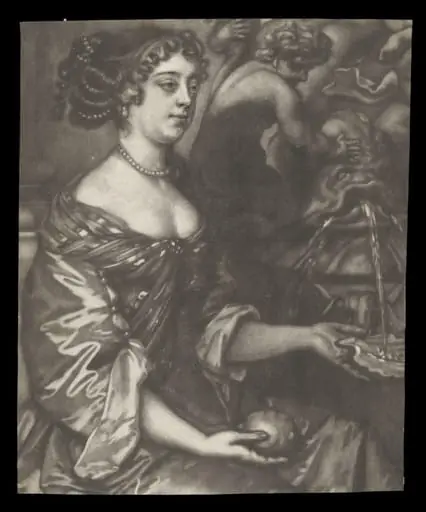
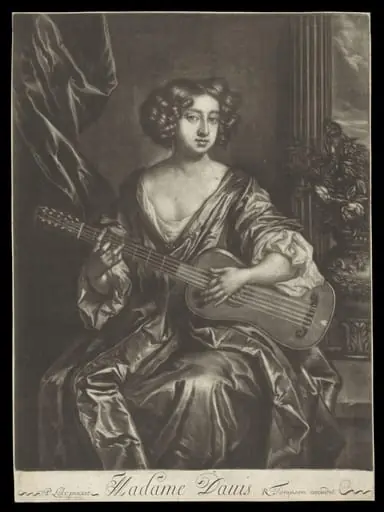
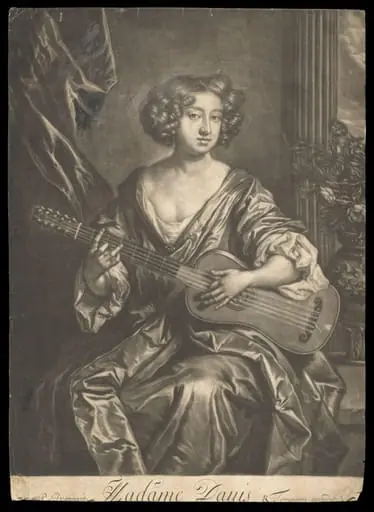
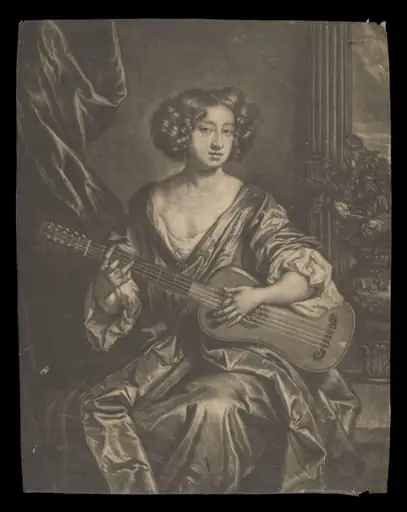
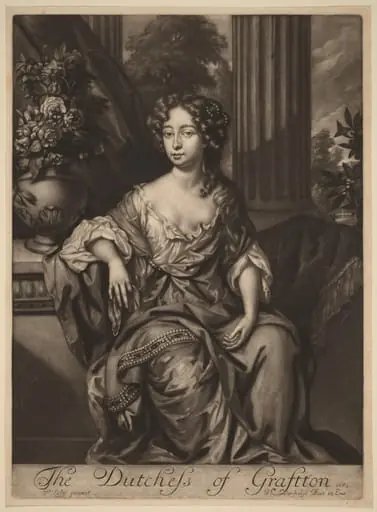
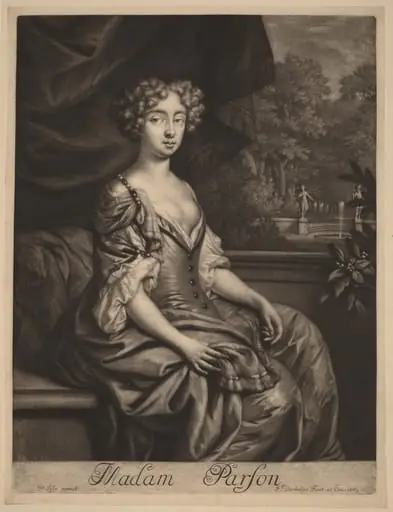
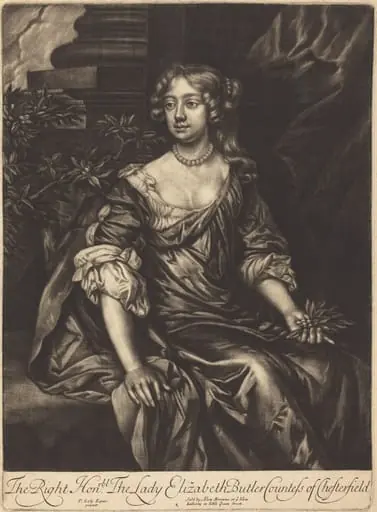
H Beard Print Collection is a print by the Romanticist artist Peter, Sir Lely. It dates from 1751 and is held in the collection of the Victoria and Albert Museum. This print is a portrait of Eleanor Gwyn, an English actress and courtesan of the late 17th century.
About this work
Overview
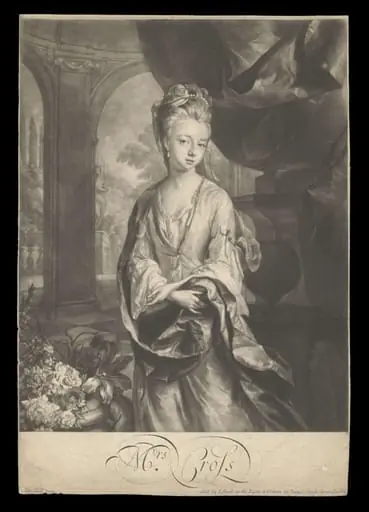
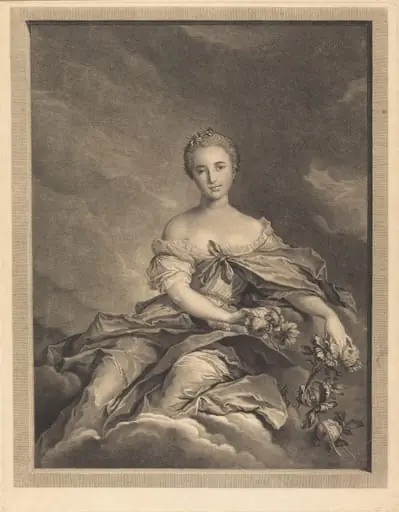
This print is a portrait of Eleanor Gwyn, an English actress and courtesan of the late 17th century. Executed in fine detail, it captures her likeness with formal elegance, reflecting the conventions of portraiture favored in Restoration England. The composition emphasizes her refined attire and composed demeanor, typical of engraved likenesses produced for aristocratic and theatrical circles.
Subject & Meaning
The portrait presents her not as a stage performer but as a figure of social distinction, aligning her with the ideals of gentility.
Eleanor Gwyn was a celebrated performer at the King’s Theatre and a well-known figure in Charles II’s court. The portrait presents her not as a stage performer but as a figure of social distinction, aligning her with the ideals of gentility. Her quiet expression and elaborate dress suggest an effort to elevate her public image beyond her professional status, reflecting the complex social mobility of the era.
Technique & Style
The print employs fine line engraving to render textures of lace, silk, and jewelry with precision. Background elements are minimally suggested, directing focus to the sitter’s face and attire. The style echoes the work of Sir Peter Lely, whose court portraits defined the period’s aesthetic—soft modeling, balanced composition, and an emphasis on luxurious fabrics rendered through controlled engraving.
History & Provenance
The print likely originated as a reproductive engraving made from a painted portrait, possibly after a lost Lely original. Such prints were widely circulated among the middle and upper classes as tokens of cultural capital. Its inclusion in the H. Beard Collection indicates it was valued as a historical document of theatrical and aristocratic life in Restoration England.
Context
During the Restoration, actresses like Gwyn broke new ground by appearing on public stages, a practice previously forbidden. Their visibility in portraiture signaled shifting attitudes toward gender, fame, and class. This print exists within a broader visual culture that sought to legitimize performers through the language of aristocratic representation, blurring lines between theater and court.
Legacy
As a surviving example of 17th-century reproductive printmaking, this image preserves the visual identity of a woman whose influence extended beyond the stage. It contributes to the historical record of how female performers navigated social constraints, using portraiture to craft enduring public personas that outlasted their theatrical careers.
Artist & collection