Artwork
Madam Parson
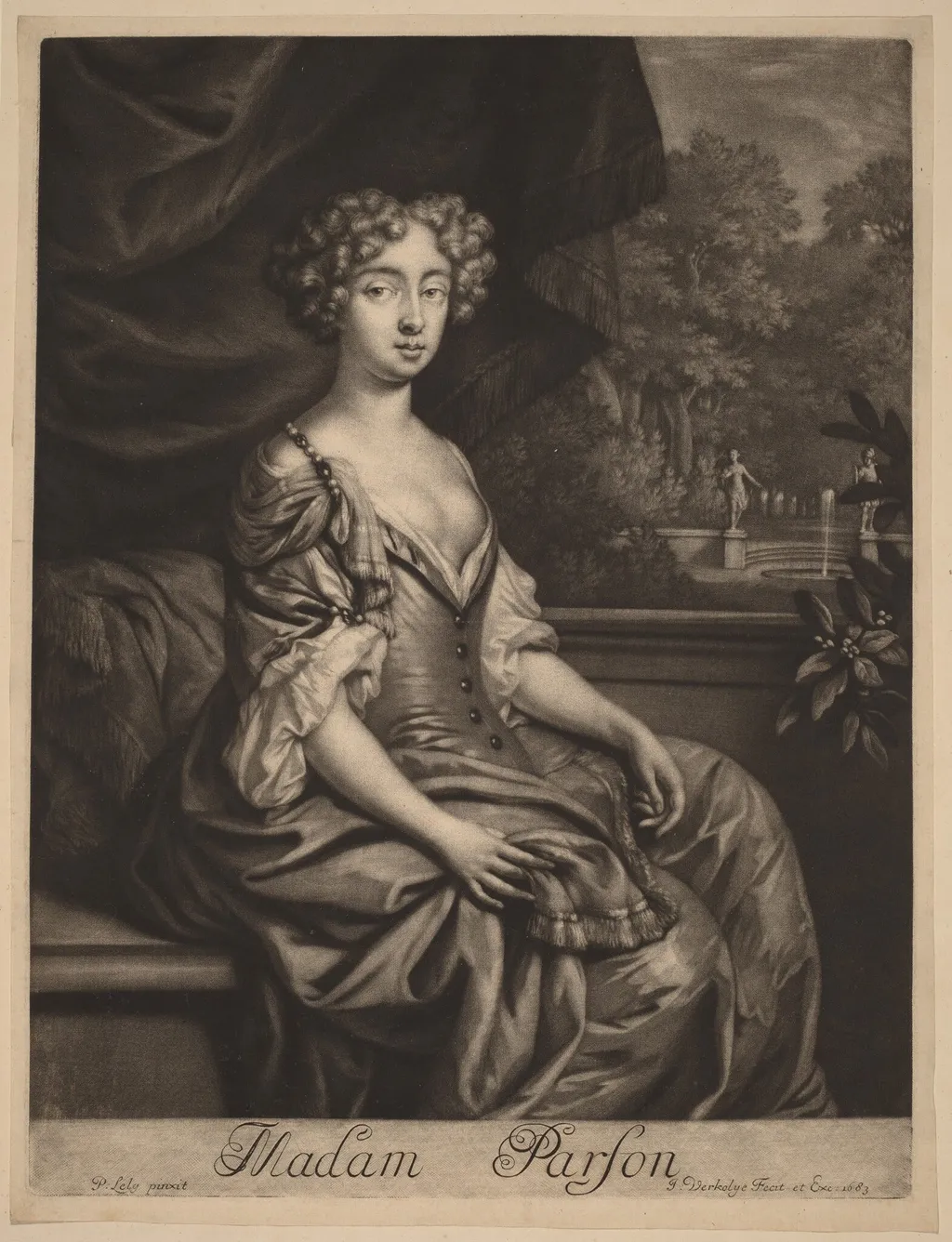
Madam Parson is an ink print by the Baroque artist Jan Verkolje I. It dates from 1683 and is held in the collection of the National Gallery of Art.
About this work
She’s wearing a fancy dress with puffy sleeves and a low neckline, holding a fan in one hand.
This is a black-and-white portrait of a woman sitting in a chair. She’s wearing a fancy dress with puffy sleeves and a low neckline, holding a fan in one hand. Behind her, a garden with statues and a fountain is visible through a window.
The artist used shading to make her face and clothes look three-dimensional. The name "Madam Parson" is written at the bottom, and the print was made in 1683.
Next, check out chiaroscuro to see how light and shadow create depth in art.
Overview
Jan Verkolje I’s mezzotint titled “Madam Parson,” executed in 1683, presents a monochrome portrait of a seated woman. She is shown in an elaborate dress with puffed sleeves and a low neckline, holding a fan, while a garden with statues and a fountain is visible through a window behind her. The artist’s signature and the date appear at the bottom of the print.
Subject & Meaning
The work depicts an unnamed lady, identified only by the inscription “Madam Parson.” Her poised posture, elegant attire, and the inclusion of a domestic garden suggest a portrayal of genteel leisure and status, common themes in late‑17th‑century portraiture. The fan and the window view reinforce notions of refinement and cultivated taste.
Technique & Style
Created with the mezzotint process on laid paper, the image relies on subtle gradations of tone to model the figure’s face and garments. Verkolje manipulates light and shadow to achieve a three‑dimensional effect, employing the medium’s capacity for rich, velvety blacks and delicate highlights that enhance the sense of depth.
History & Provenance
The print bears the date 1683, placing it within Verkolje’s early career in the Dutch Republic. While specific ownership records are scarce, the work reflects the artist’s engagement with portrait commissions and the broader market for engraved likenesses during the late Golden Age.
Artist & collection


 Portrait of a Lady beside a Rose Bush
 The Right Honorable Lady Elizabeth Butler, Countess of Chesterfield
 The Right Honorable Lady Elizabeth Butler, Countess of Chesterfield
 The Right Honorable Lady Elizabeth Butler, Countess of Chesterfield
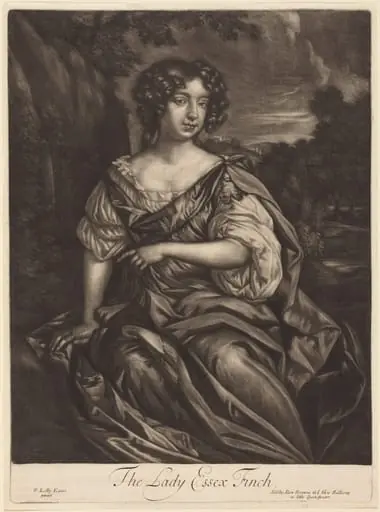 The Lady Essex Finch
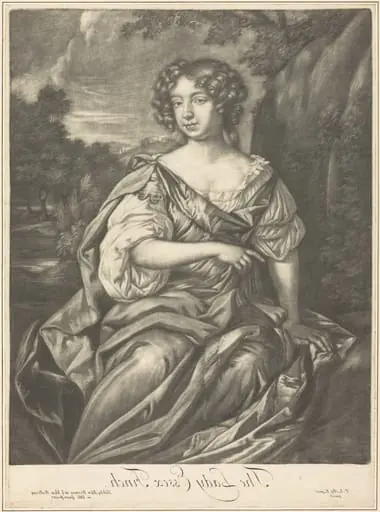 The Lady Essex Finch
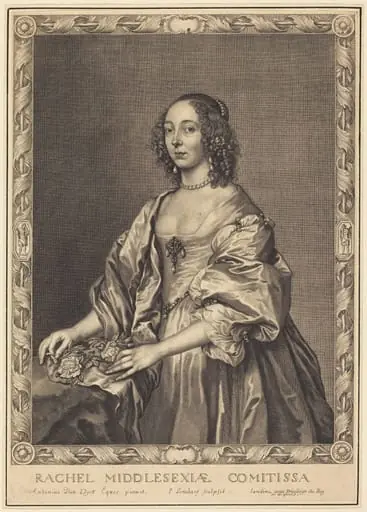 Rachel, Countess of Middlesex
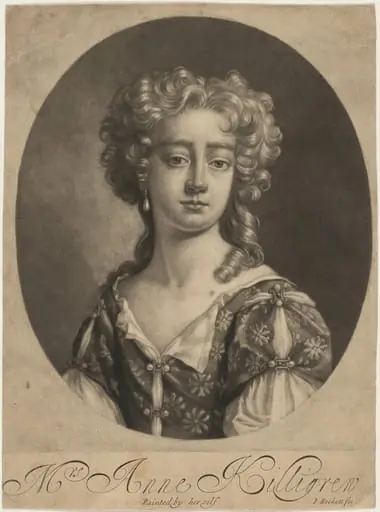 Mrs. Anne Killigrew
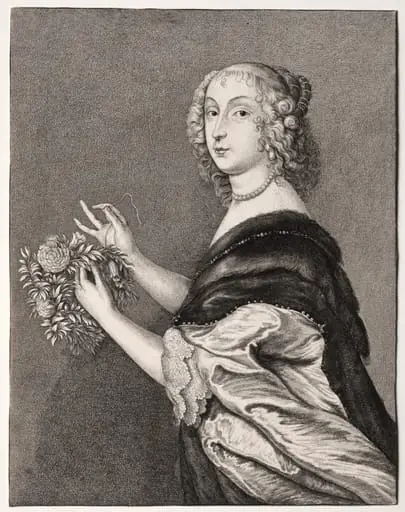 Cecilia, Lady Killigrew
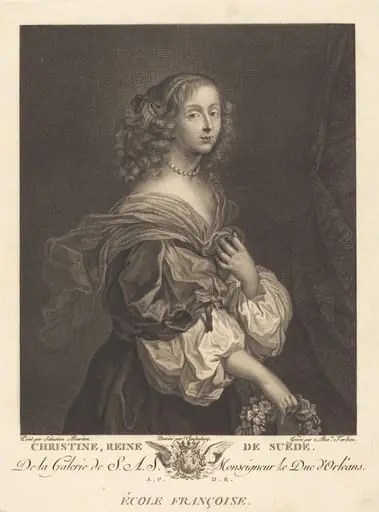 Queen Christina of Sweden
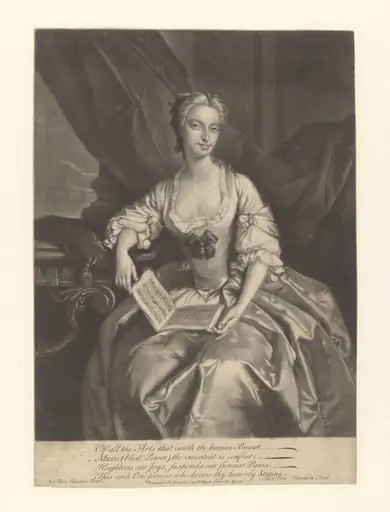 H Beard Print Collection