Artwork
"What a Pity to Lose the Moustache"
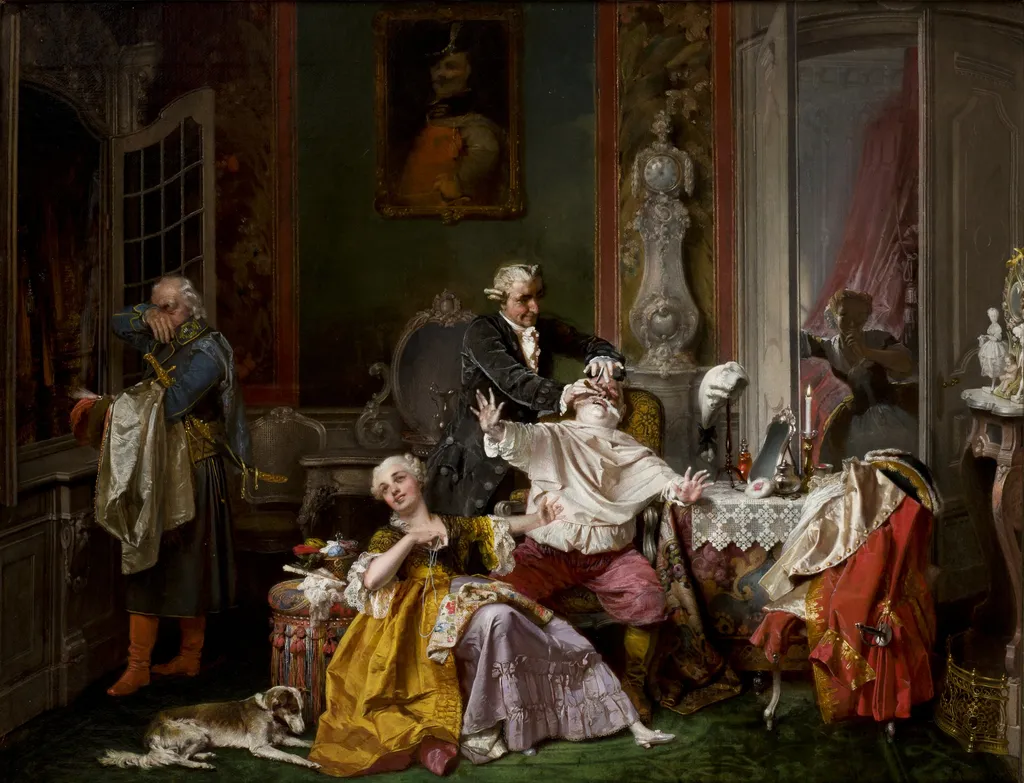
"What a Pity to Lose the Moustache" is an oil painting by Leonard Straszynski. It dates from 1863 and is held in the collection of the National Museum in Kraków.
About this work
Overview
The scene unfolds with three primary figures: a seated man in apparent distress, a man behind him gripping his head, and a woman kneeling nearby in alarm.
Painted around 1863 by Leonard Straszynski, this oil work captures a moment of abrupt physical intervention in an opulent interior. The scene unfolds with three primary figures: a seated man in apparent distress, a man behind him gripping his head, and a woman kneeling nearby in alarm. A fourth figure watches from the doorway, adding to the sense of observation and unease. The composition is tightly framed, emphasizing the tension between the characters.
Subject & Meaning
The title suggests a loss of personal identity, possibly referencing the forced removal of a moustache—a symbol of masculinity or social standing in the 19th century. The physical struggle implies coercion, while the woman’s gaze and the observer in the doorway hint at social complicity or passive witnessing. The scene may reflect a private humiliation or a ritualized act of discipline, though its exact narrative remains ambiguous.
Technique & Style
Straszynski employs chiaroscuro to heighten emotional intensity, directing light toward the central figures and deepening shadows around the edges of the room. Brushwork is precise in rendering textures: the plush upholstery, the man’s crumpled shirt, and the intricate woodwork of the chair. The figures are rendered with naturalistic detail, their expressions subtly exaggerated to convey psychological strain without melodrama.
History & Provenance
The painting has been in the collection of the National Museum in Kraków since at least the late 19th century. Its early ownership is undocumented, but its presence in the museum’s holdings suggests it was acquired during a period of increased interest in Polish genre painting. No records indicate public exhibition prior to the 20th century, and it has remained largely outside scholarly focus.
Context
Created during a time of political upheaval in partitioned Poland, the painting’s domestic setting contrasts with the era’s broader national struggles. While not overtly political, its depiction of power dynamics within a private space may resonate with themes of control and resistance. Similar scenes of domestic tension appeared in European genre painting, often reflecting anxieties about authority and personal autonomy.
Legacy
Though not widely reproduced or studied, the painting offers a quiet example of 19th-century Polish genre art that prioritizes psychological nuance over narrative clarity. Its obscurity may stem from its ambiguous subject and lack of overt national symbolism, yet it remains a compelling study of interpersonal tension rendered with technical restraint and atmospheric depth.
Own this work as a print
Artist & collection

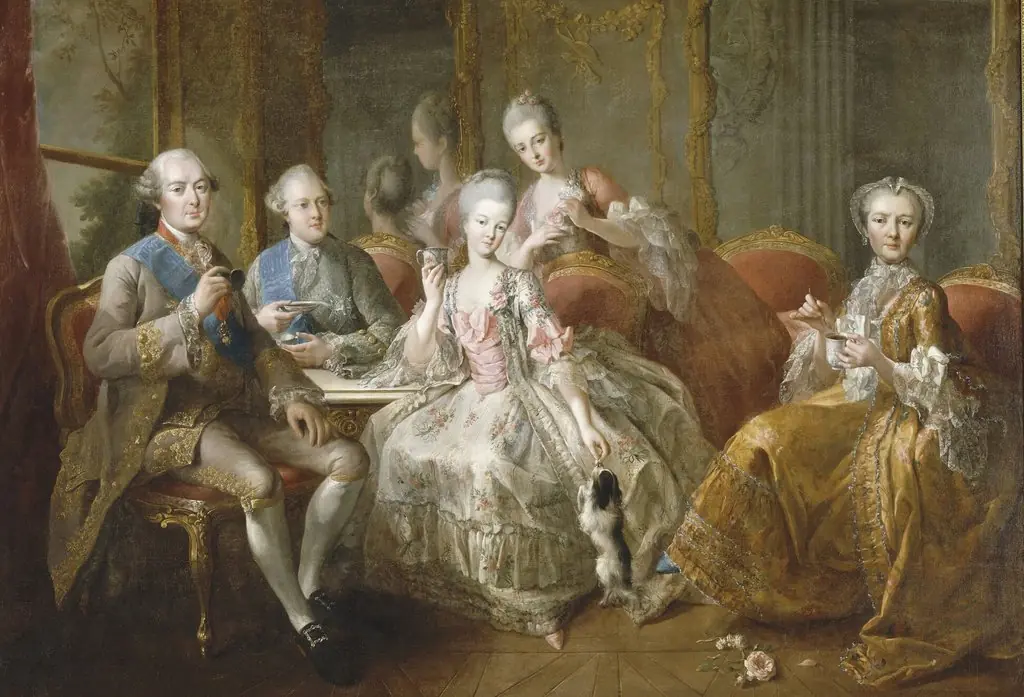 The family of the Duke of Penthièvre called la tasse de chocolat
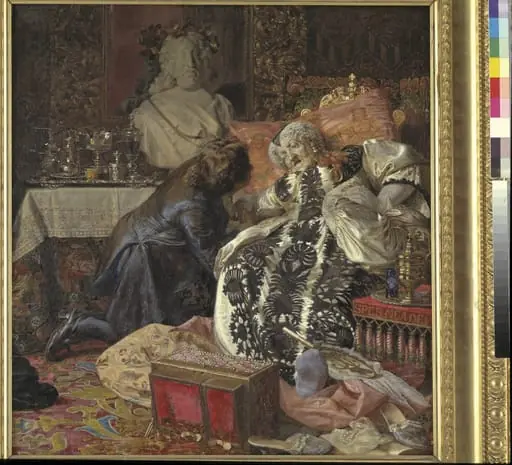 The Death of Queen Sophie Amalie
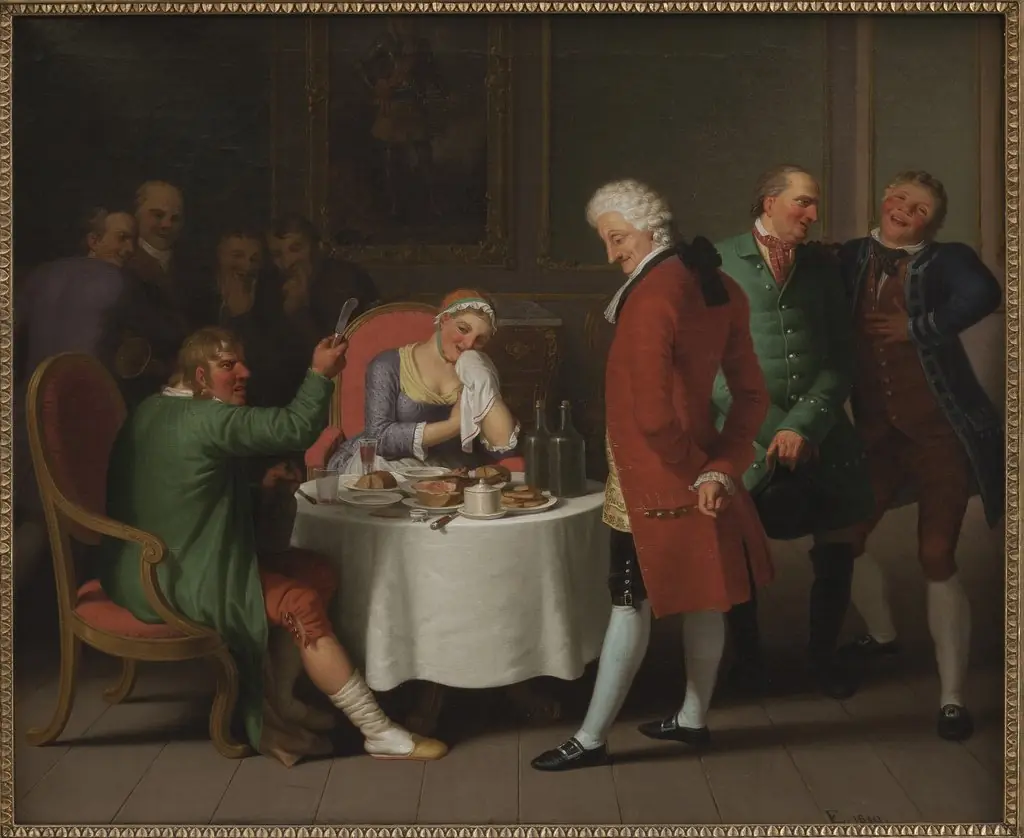 Motiv fra Ludvig Holbergs "Jeppe på Bjerget", III akt, 3. scene
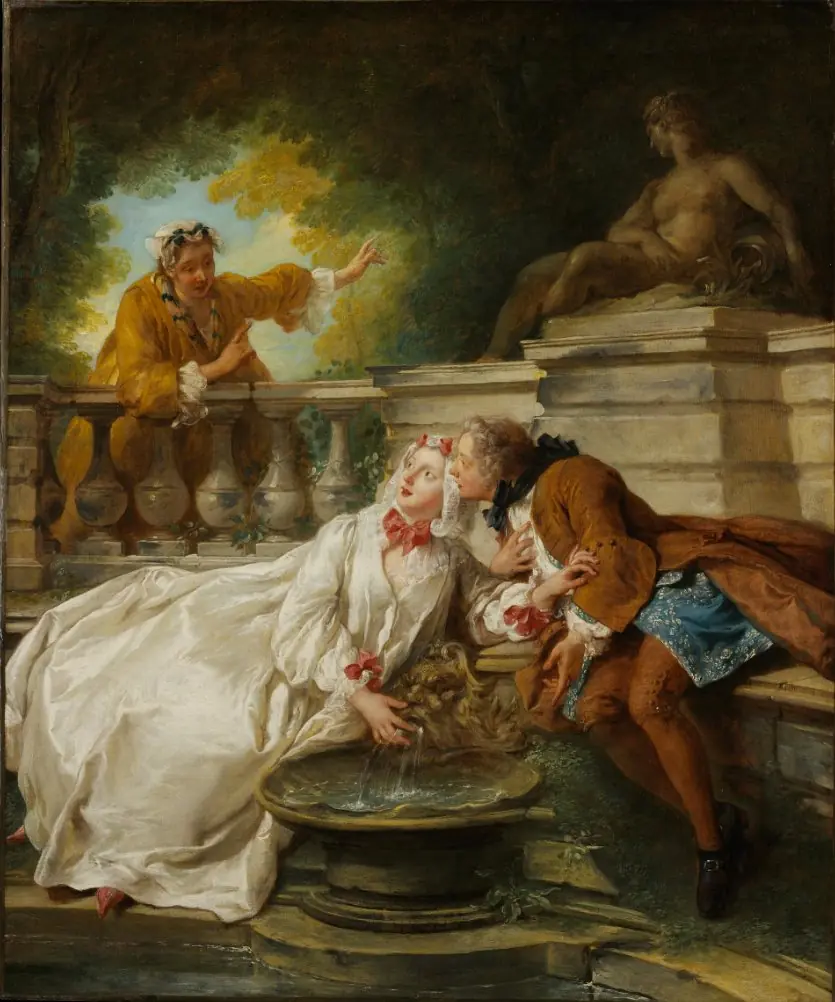 The Alarm
 The Alarm
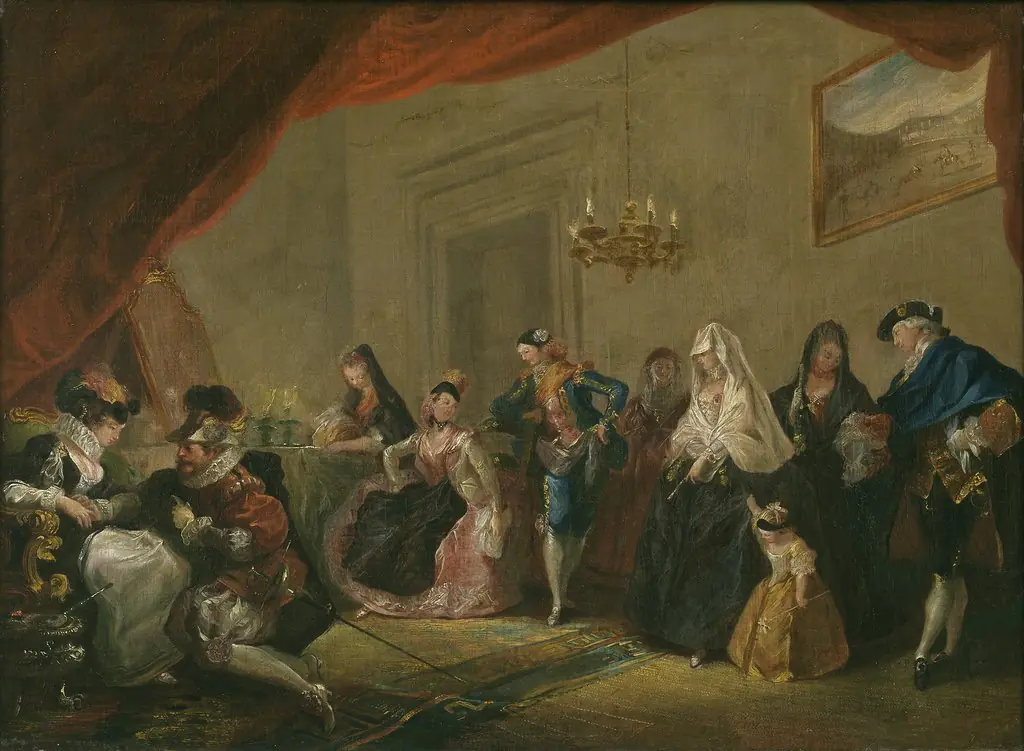 Rehearsal for a Play
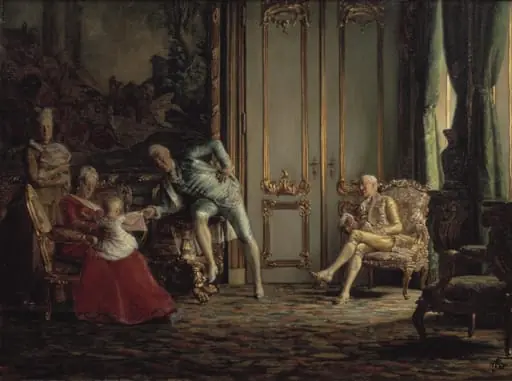 An Interior from the Past Century. Scene from the Court of Christian VII
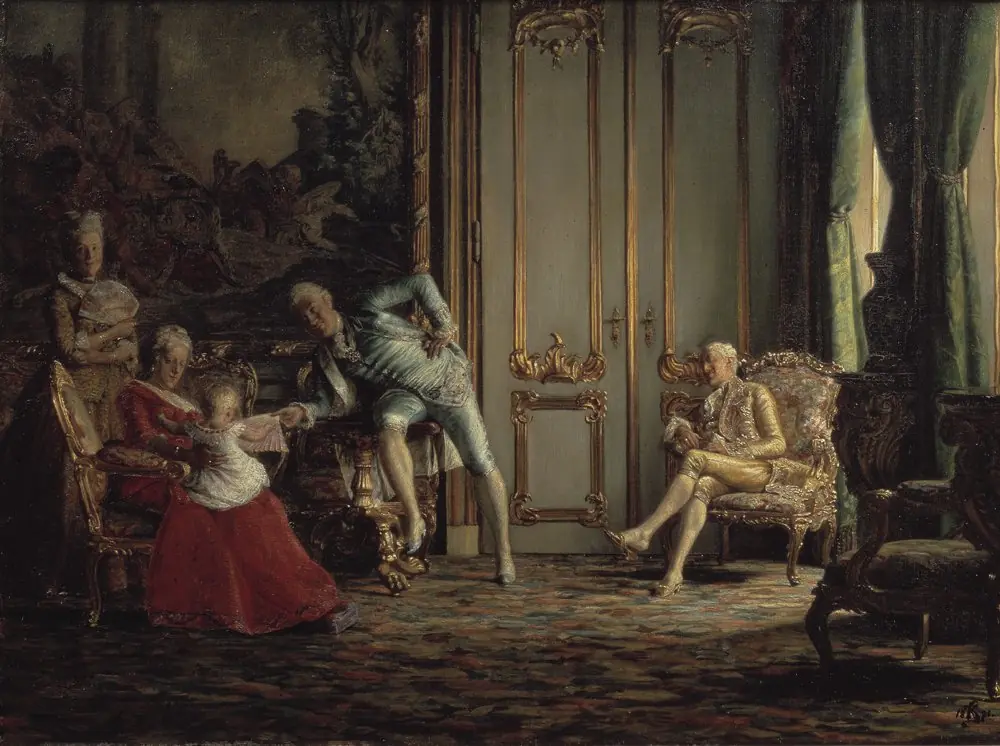 Et interiør fra forrige århundrede
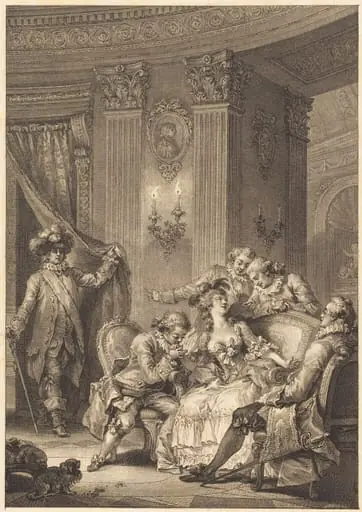 Le mari confesseur
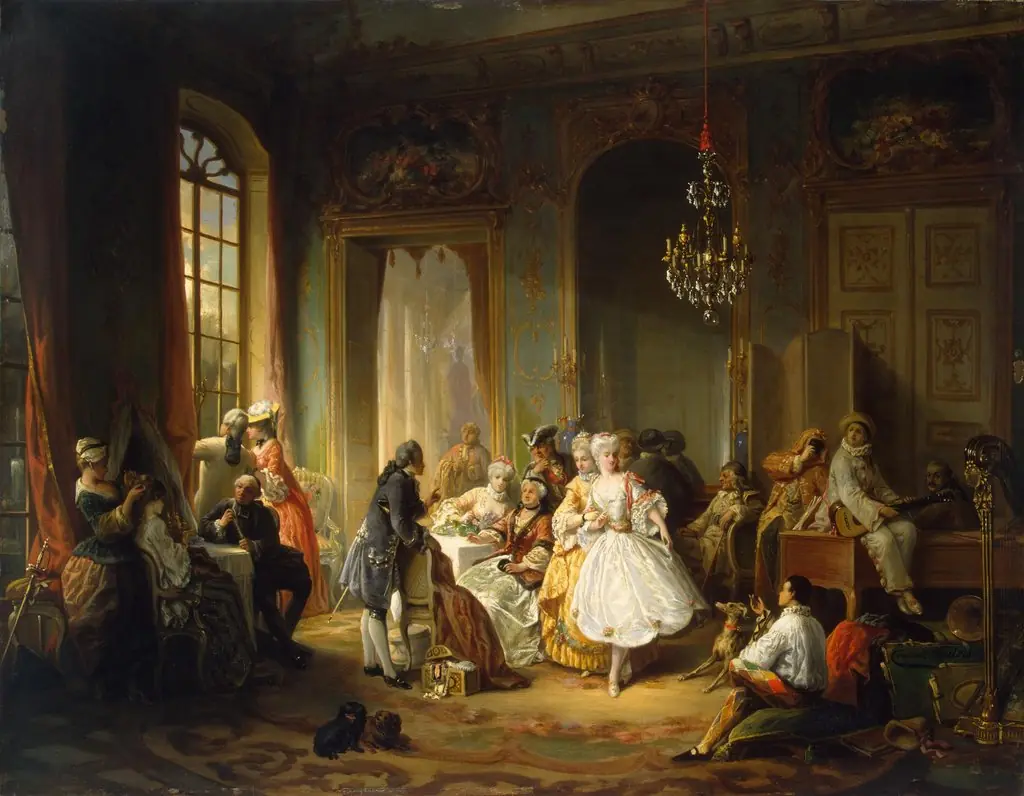 Actors Before a Performance
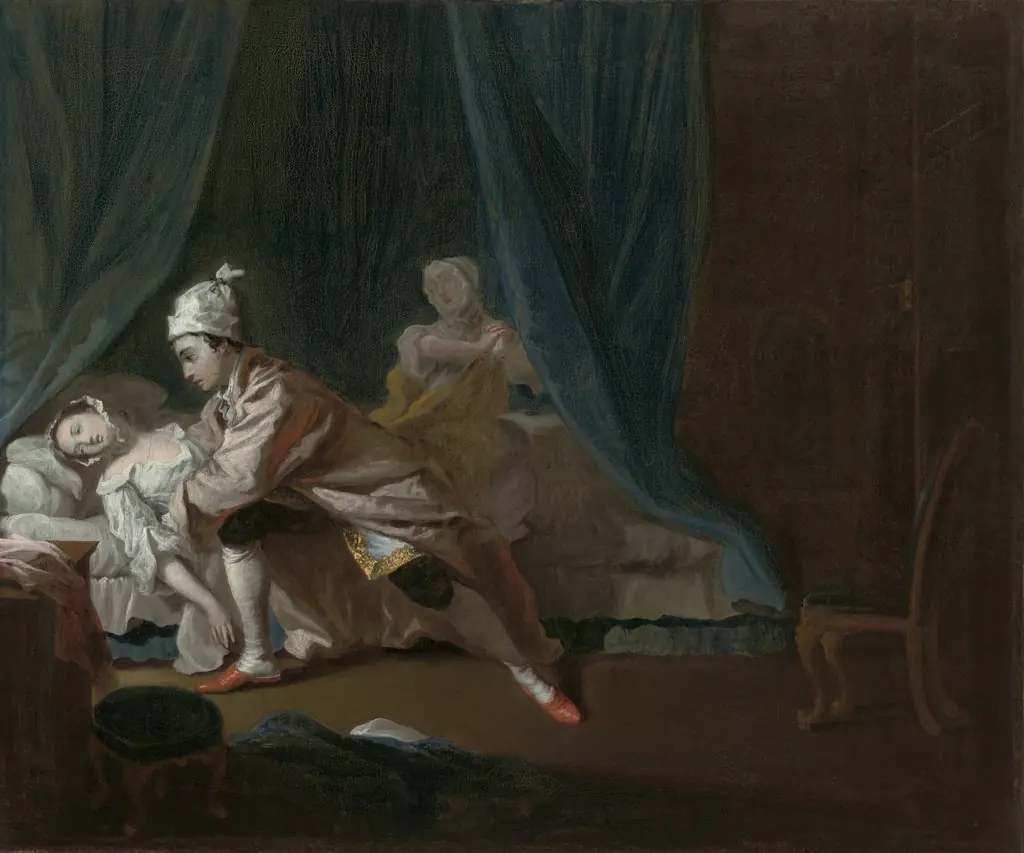 Pamela fainting
 Women Fighting