Artwork
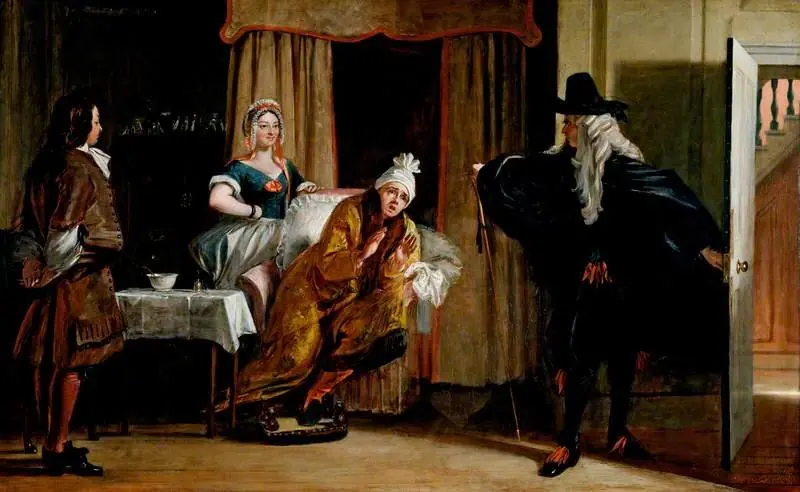
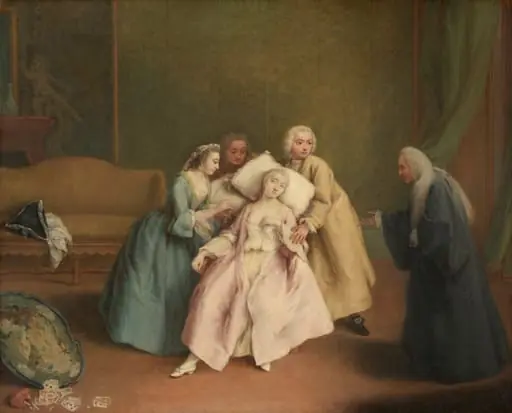
Pamela fainting
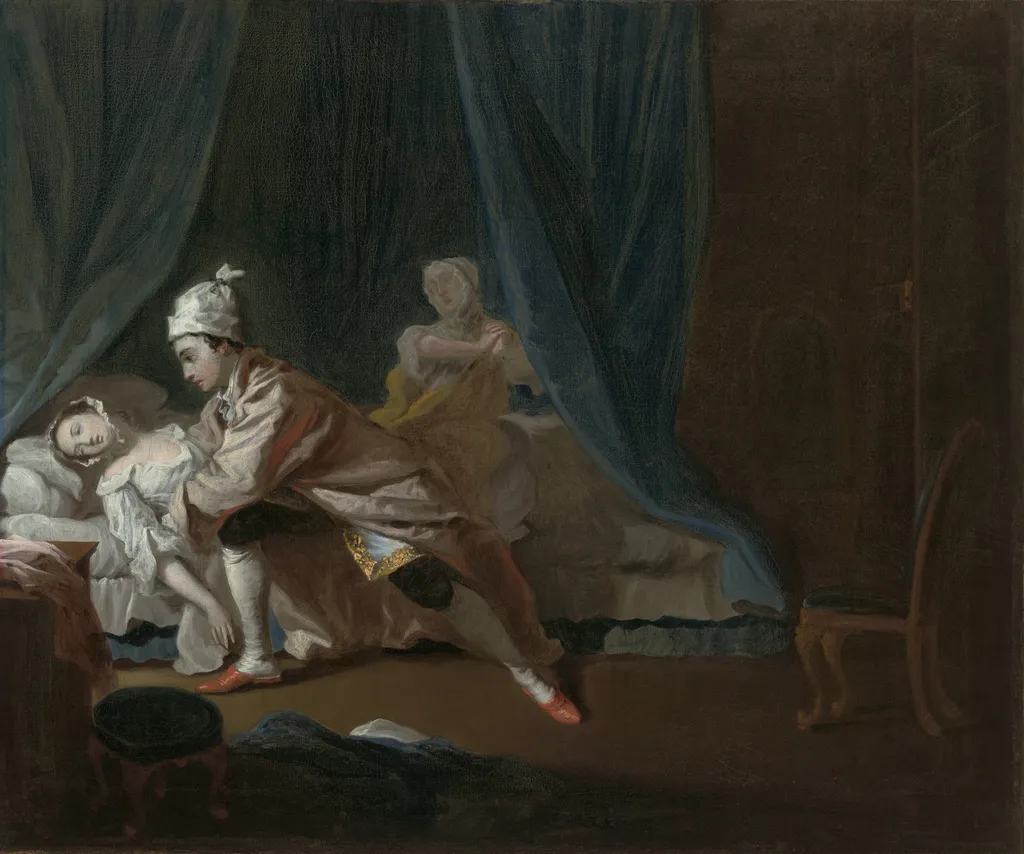
Pamela fainting is an oil painting by the Rococo painting artist Joseph Highmore. It dates from 1743 and is held in the collection of the National Gallery of Victoria.
About this work
Overview
Painted in 1743 by Joseph Highmore, this oil on canvas work captures a moment of emotional collapse. It is part of a series illustrating scenes from Samuel Richardson’s novel Pamela; or, Virtue Rewarded. The painting is currently held in the collection of the National Gallery of Victoria, Melbourne, where it remains one of the few surviving examples of Highmore’s narrative portraiture.
Subject & Meaning
The moment reflects the novel’s moral themes—female vulnerability, social propriety, and the tension between personal integrity and external pressure.
The scene depicts Pamela, the novel’s virtuous heroine, overcome by distress after enduring prolonged emotional strain. Her collapse is met by concerned figures: a man in a brown coat and white hat supports her, while a woman in yellow observes with alarm. The moment reflects the novel’s moral themes—female vulnerability, social propriety, and the tension between personal integrity and external pressure.
Technique & Style
Highmore employs chiaroscuro to isolate the fainting figure, using deep shadows and muted lighting to heighten emotional intensity. The white dress of the central figure contrasts with the dark interior, drawing focus to her form. Brushwork is precise but not overly polished, favoring naturalistic expression over idealization. The composition directs the viewer’s gaze through gesture and light, emphasizing psychological tension over theatrical spectacle.
History & Provenance
The painting was produced as part of a sequence of fifteen scenes commissioned to illustrate Richardson’s popular novel. Highmore completed the series between 1741 and 1743. The works remained in private hands for over two centuries before entering the National Gallery of Victoria’s collection in the mid-20th century, where they are now recognized as significant early examples of British narrative painting.
Context
In the 1740s, Richardson’s Pamela sparked widespread public interest for its focus on domestic morality and class dynamics. Highmore’s series translated the novel’s emotional scenes into visual form, catering to a growing audience interested in literature and moral instruction. The painting reflects a broader trend in British art of the period: using painting to explore psychological depth within everyday, middle-class settings.
Legacy
Highmore’s Pamela series helped establish a precedent for literary illustration in British art. Though less celebrated than contemporaries like Reynolds or Gainsborough, his work influenced later artists seeking to merge narrative fiction with visual storytelling. The series remains a rare, cohesive body of work that documents the intersection of print culture and fine art in 18th-century Britain.
Own this work as a print
Artist & collection

Artist
Joseph Highmore (13 June 1692 – 3 March 1780) was an English painter of portraits, conversation pieces and history subjects, illustrator and writer.