Artwork
Le mari confesseur
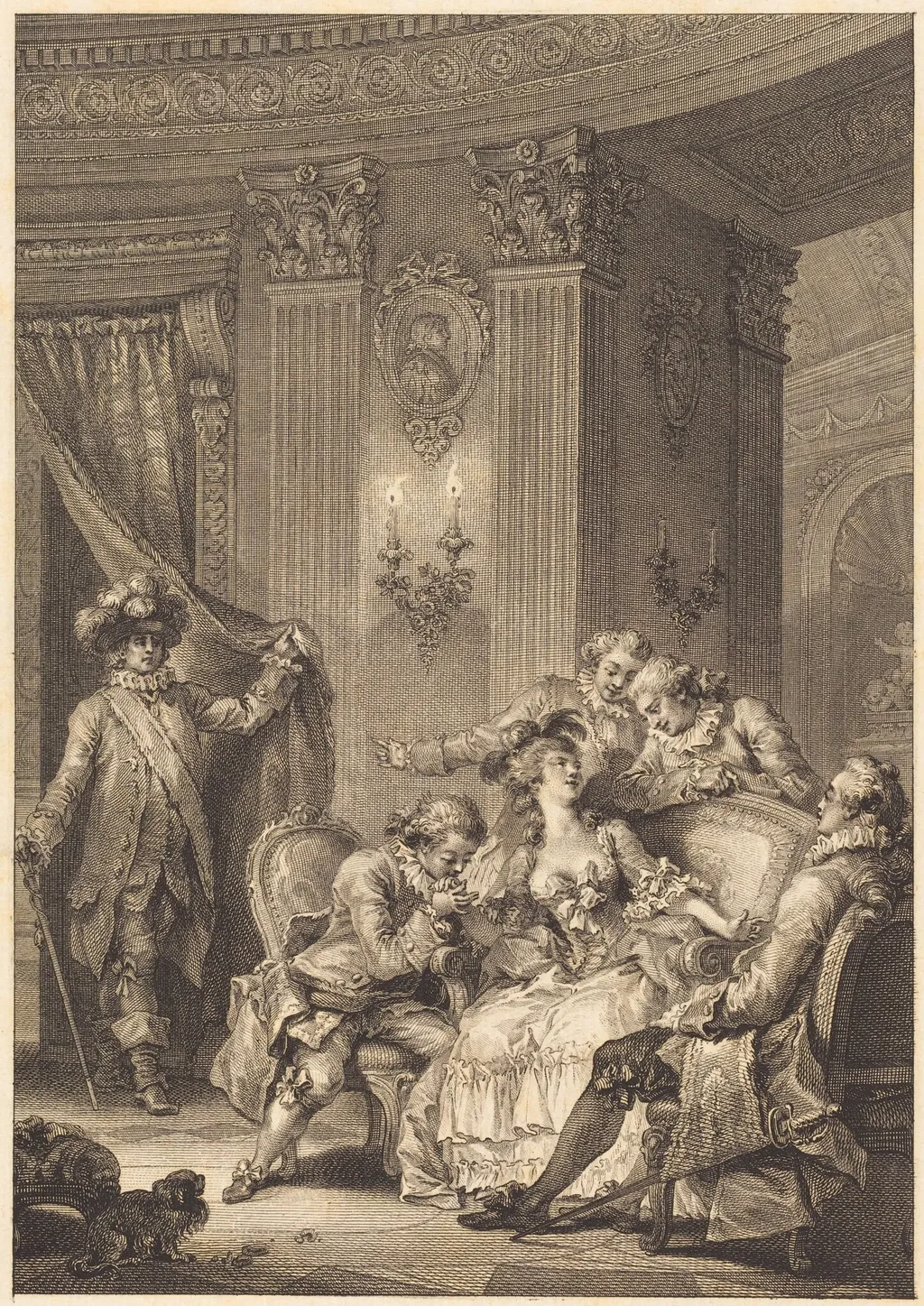
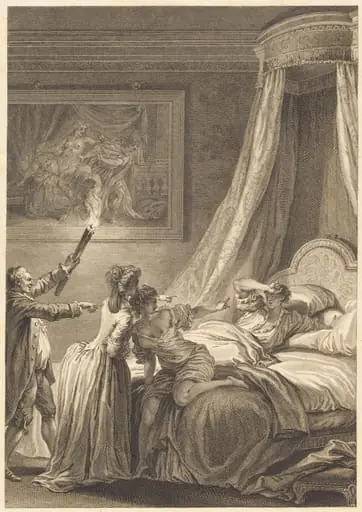
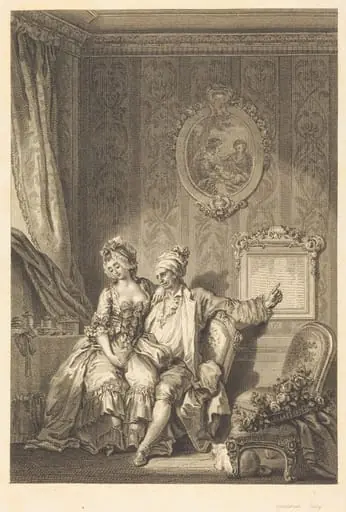
Le mari confesseur is an ink print by the Baroque artist Antoine-Jean Duclos. It dates from 1776 and is held in the collection of the National Gallery of Art.
About this work
Overview
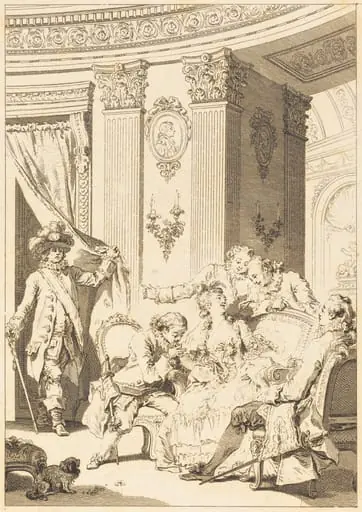
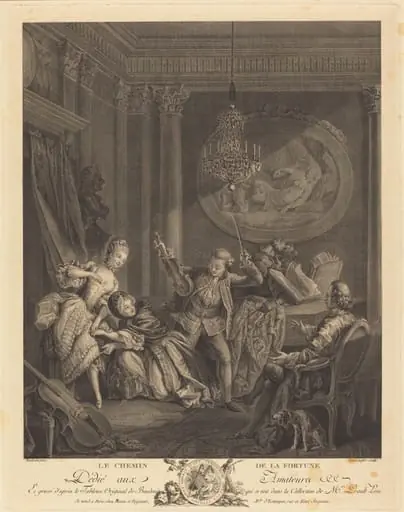
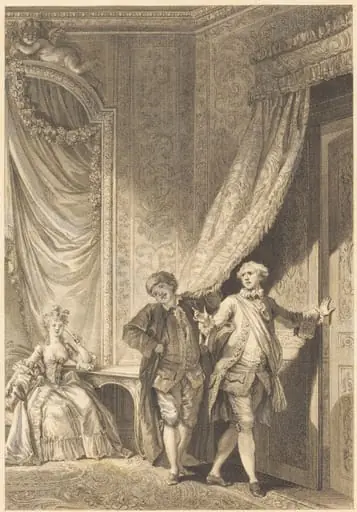
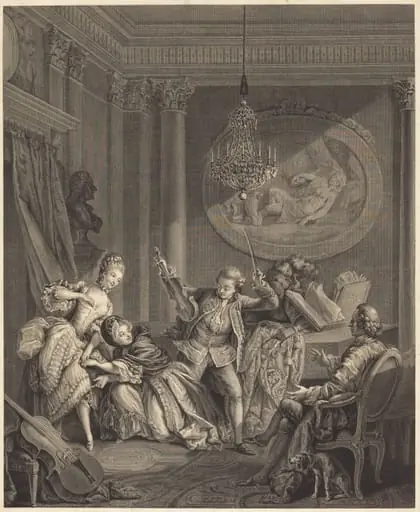
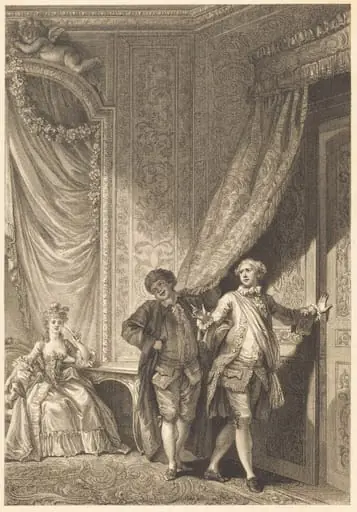
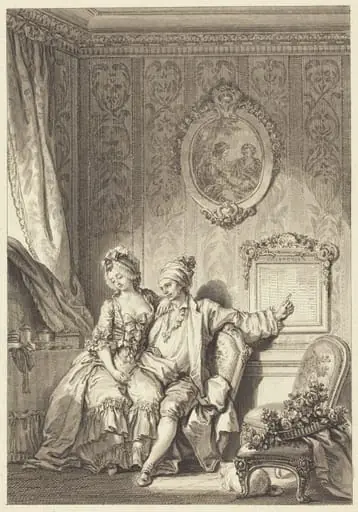
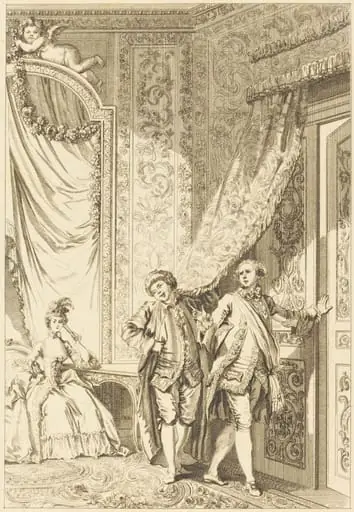
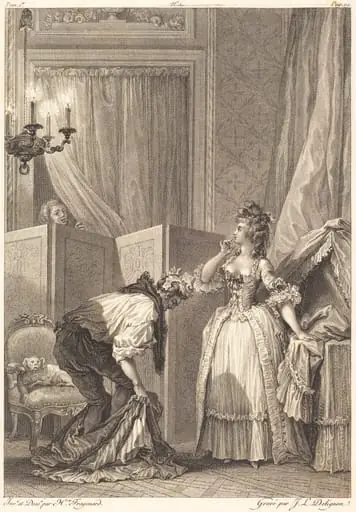
Le mari confesseur is a print created in 1776 by French artist Antoine-Jean Duclos. Executed in etching and engraving, it depicts a domestic interior scene with six figures arranged in a composed group. The work belongs to the tradition of 18th-century French graphic art, where detailed line work was used to capture social interactions with subtle narrative nuance.
Subject & Meaning
The scene portrays a private moment in a middle- or upper-class household, likely illustrating a confession or intimate conversation. One figure stands while five sit, suggesting a dynamic of authority or tension. The title, translating to 'The Confessor Husband,' hints at moral or religious undertones, possibly critiquing or satirizing domestic power structures through implied ritual.
Technique & Style
Duclos employed fine-line etching and engraving to render texture and depth on a metal plate, a technique common in pre-photographic illustration. The precision of the lines defines fabric folds, architectural details, and facial expressions. The composition is tightly framed, emphasizing the psychological interplay among figures rather than expansive space.
History & Provenance
Created in 1776, the print was likely produced for a limited audience of collectors or print dealers in pre-Revolutionary France. Few records of its early ownership survive, but its survival in institutional collections suggests it was valued for its technical skill and social commentary. No known variant states or early editions are widely documented.
Context
Duclos worked during a period when printmaking flourished as a medium for disseminating moral and satirical imagery. Though not part of the Baroque movement, his work reflects its legacy in theatrical composition and attention to gesture. The scene aligns with contemporary interest in private life, a theme explored by artists like Greuze and later Daumier.
Legacy
Le mari confesseur remains a modest but instructive example of late 18th-century French printmaking. It contributes to understanding how graphic arts captured social norms and domestic tensions before the rise of mass reproduction. While not widely reproduced today, it is studied for its craftsmanship and insight into pre-Revolutionary French society.
Artist & collection