Artwork
The Alarm
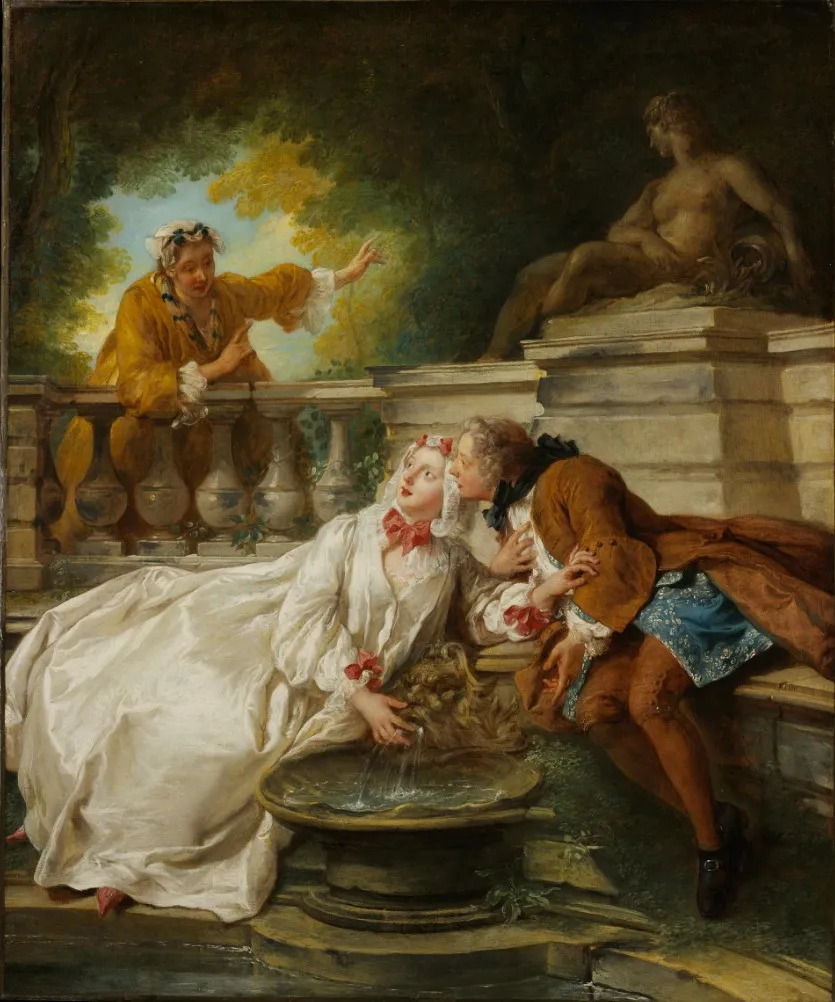
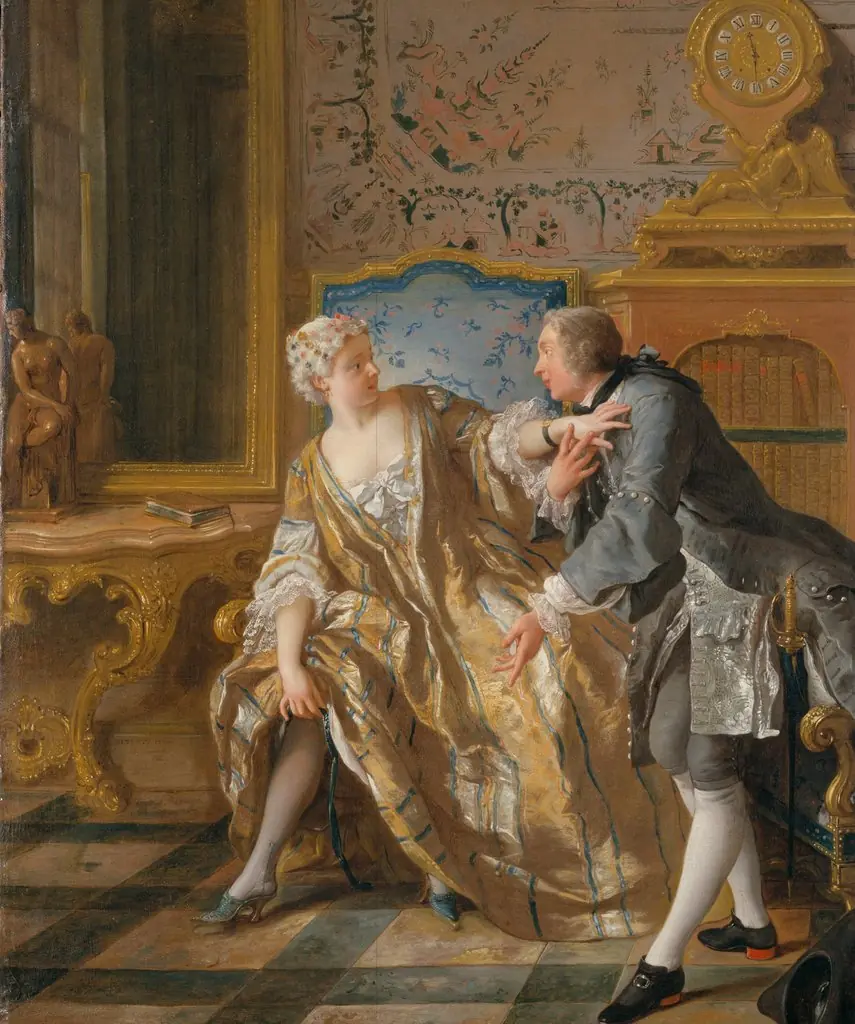
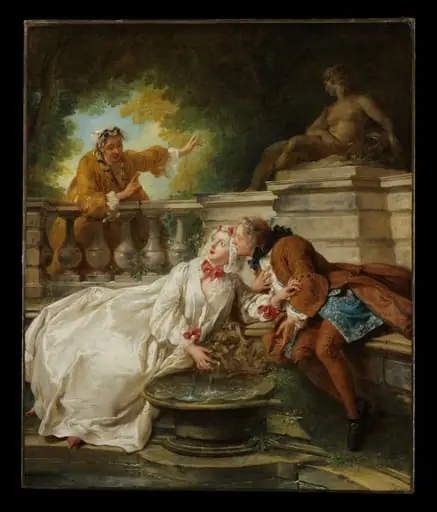
The Alarm is an oil painting by the Rococo painting artist Jean-François de Troy. It dates from 1723 and is held in the collection of the Victoria and Albert Museum.
About this work
The Alarm, also called The Faithful Housekeeper, is an oil painting made in 1723 by French artist Jean‑François de Troy.
The Alarm, also called The Faithful Housekeeper, is an oil painting made in 1723 by French artist Jean‑François de Troy. It’s a canvas work that shows a quiet domestic scene. The painting has been in London’s Victoria and Albert Museum for many years. It’s a good example of early 18th‑century French art, without a specific movement attached to it. If you liked this piece, you might also want to explore the museum: Victoria and Albert Museum.
Overview
Painted in 1723 by French artist Jean-François de Troy, The Alarm is an oil on canvas work depicting a moment of quiet tension in a domestic interior. It is currently held in the collection of the Victoria and Albert Museum in London. The painting reflects the refined genre scenes popular in early 18th-century France, capturing everyday life with subtle narrative nuance rather than dramatic flair.
Subject & Meaning
The scene portrays a housekeeper interrupting her duties upon hearing an alarm, likely a bell or knock at the door. Her alert posture and the stillness of the room suggest an unspoken urgency. The title The Faithful Housekeeper underscores her vigilance and duty, framing domestic labor as a moral act. No overt drama is present; meaning emerges through restraint and attention to gesture.
Technique & Style
De Troy employs smooth brushwork and muted tones to convey texture and light with precision. The composition is tightly controlled, with figures arranged to draw the eye toward the central figure’s reaction. Shadows fall softly, enhancing the intimacy of the space. The style avoids theatricality, favoring quiet realism over idealization, characteristic of French genre painting before the rise of Rococo exuberance.
History & Provenance
The painting entered the Victoria and Albert Museum’s collection in the 19th century, likely through the bequest or purchase of a private collector. Its presence in the museum reflects 19th-century interest in European decorative arts and genre scenes. No significant alterations or reattributions are recorded; it has remained consistently identified as de Troy’s work since its creation.
Context
Created during the Regency period in France, the painting aligns with a growing interest in domestic life among the bourgeoisie. While not part of a formal movement, it shares affinities with the work of contemporaries like Nicolas de Largillière and Jean-Baptiste-Siméon Chardin, who elevated ordinary moments through careful observation and restrained composition.
Legacy
The Alarm endures as a quiet testament to the dignity of domestic service in early modern France. It contributes to scholarly understanding of how social roles were visually encoded in art. Though not widely reproduced, it remains a key example in studies of French genre painting and the evolution of interior scenes in the 18th century.
Artist & collection
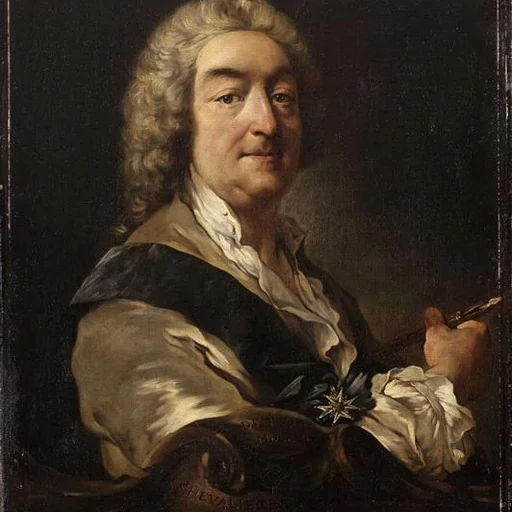
Artist
Jean-François de Troy (27 January 1679, Paris – 26 January 1752, Rome) was a French Rococo easel and fresco painter, draughtsman and tapestry designer.