Artwork
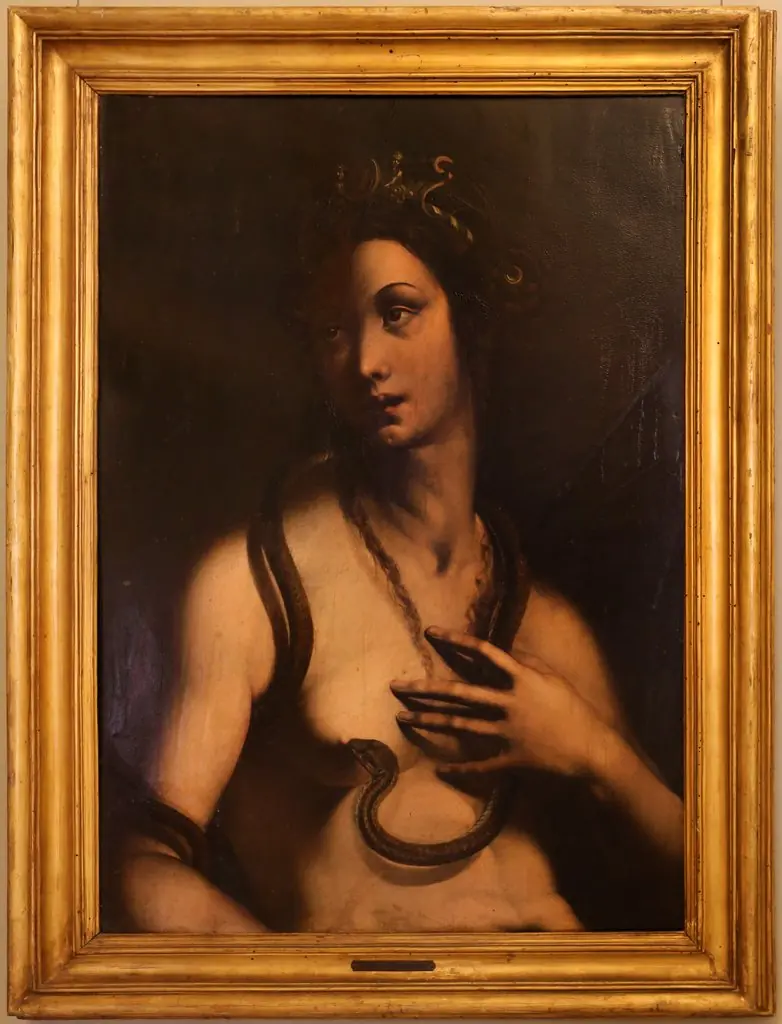
Cleopatra (Leonardo Grazia)
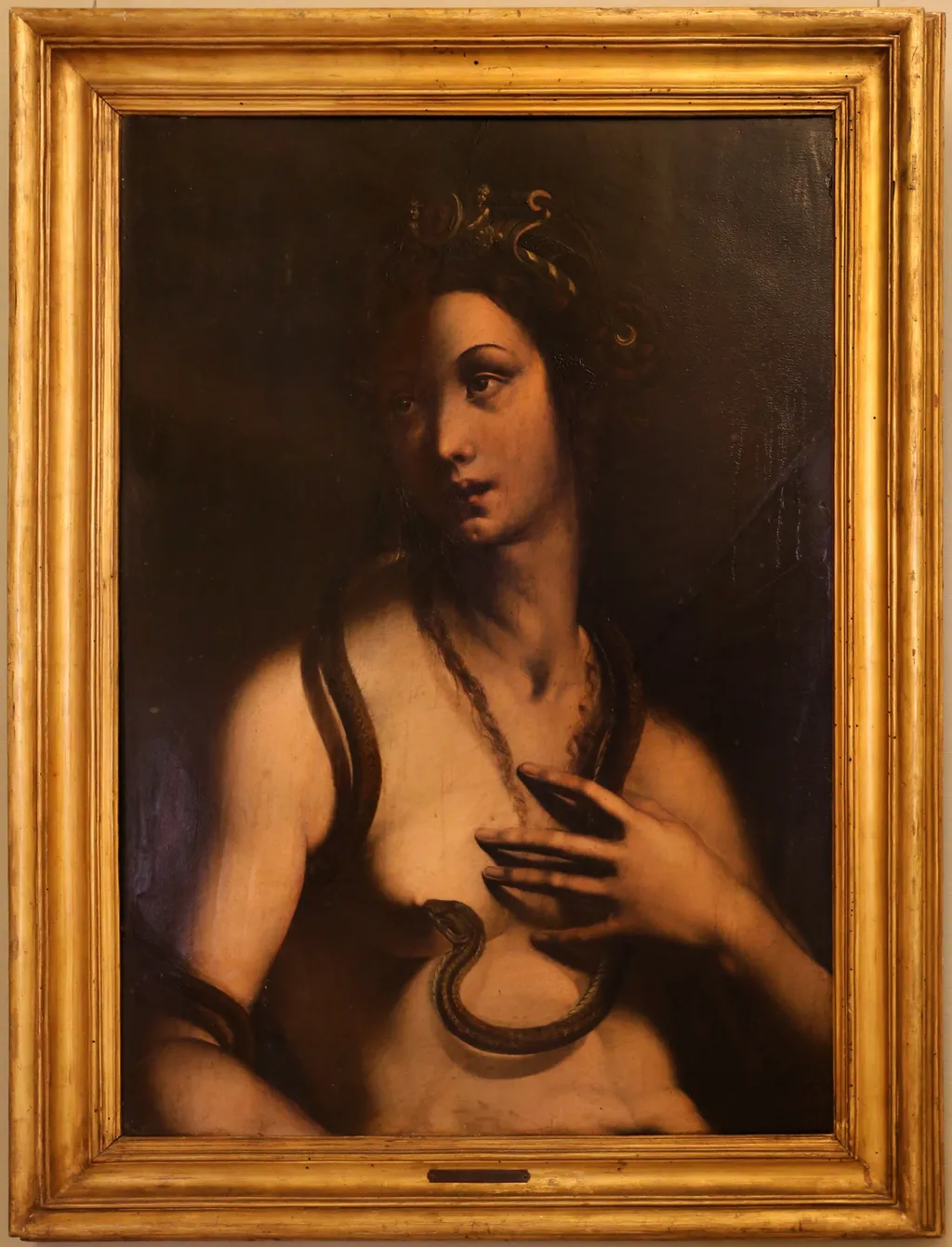
Cleopatra (Leonardo Grazia) is an unspecified painting by the Mannerist artist Leonardo da Pistoia. It dates from 1535 and is held in the collection of the Galleria Borghese.
About this work
Overview
Cleopatra is a painting from 1535, attributed to Leonardo da Pistoia (also known as Leonardo Grazia), now part of the collection at the Galleria Borghese.
Subject & Meaning
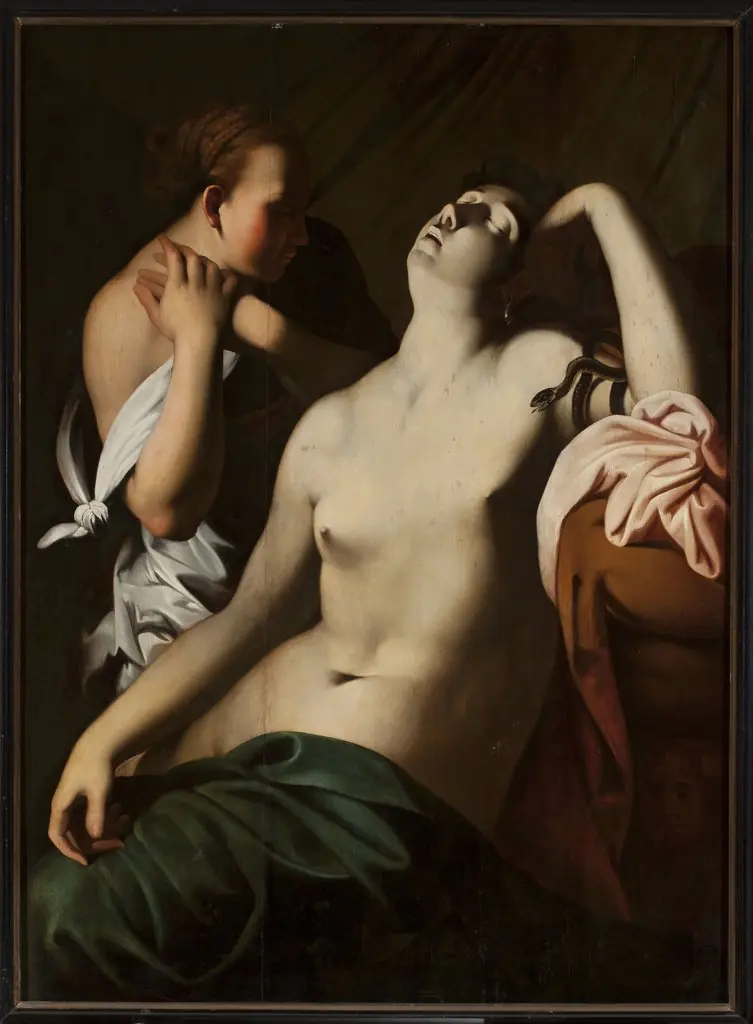
The painting portrays the mythological death of Cleopatra, with the Egyptian queen depicted topless, calm, and unthreatened by a snake coiled around her left arm and body.
Technique & Style
Characterized by a predominantly dark palette and strategic use of shadows, the work achieves a pronounced sense of depth and dimensionality, highlighting the central figure against a dark background.
History & Provenance
Created in 1535 by Leonardo da Pistoia, the painting is currently housed at the Galleria Borghese, though its ownership history prior to its acquisition by the gallery is not detailed here.
Context
While stylistically reminiscent of its attributed artist, 'Cleopatra' reflects broader Renaissance interests in classical themes and the depiction of female figures in vulnerable yet serene states.
Legacy
The painting's impact or influence on subsequent art is not prominently documented in available sources, though it remains a notable example of 16th-century Italian Renaissance art within the Borghese collection.
Artist & collection