Artwork
Hygeia
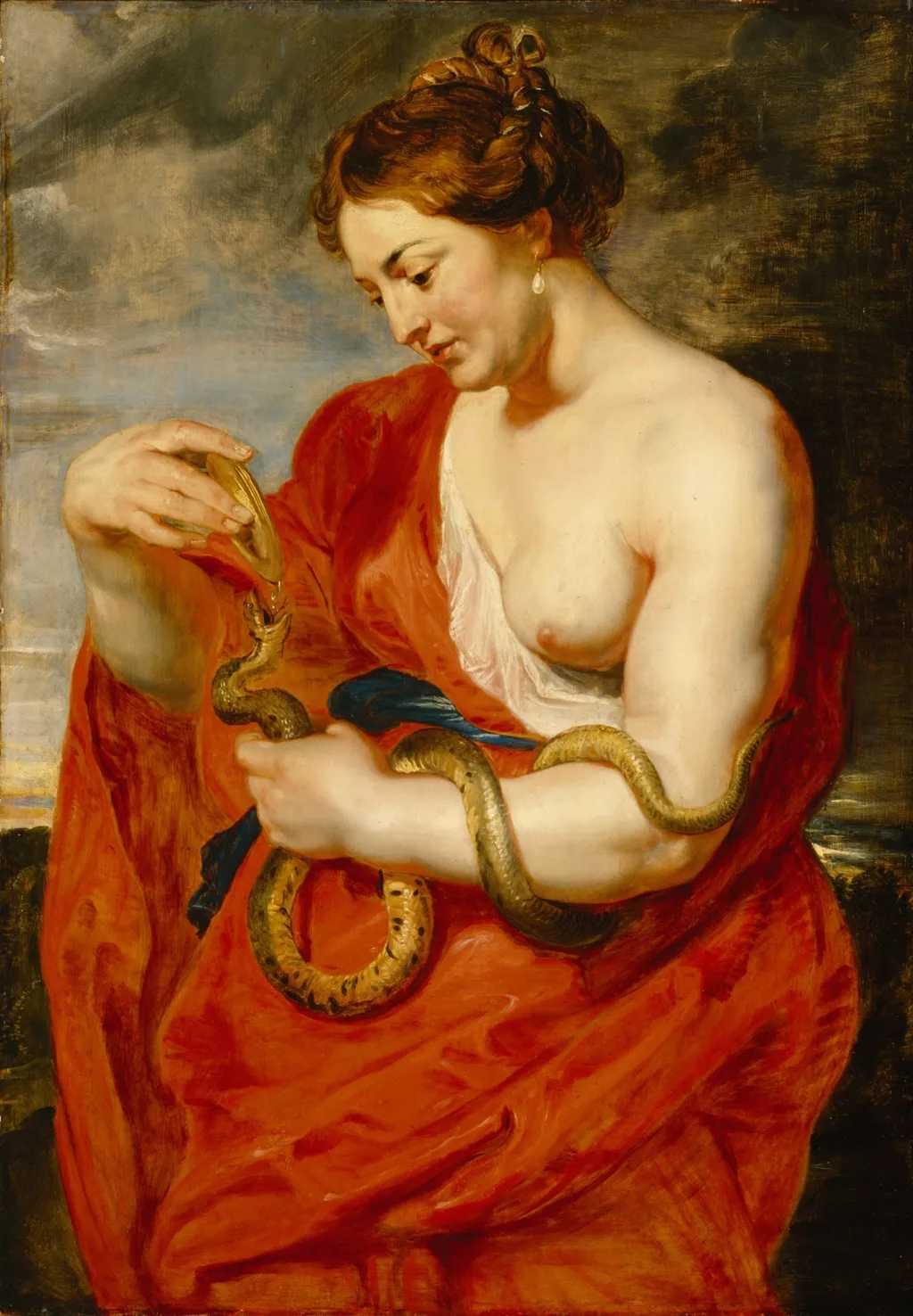
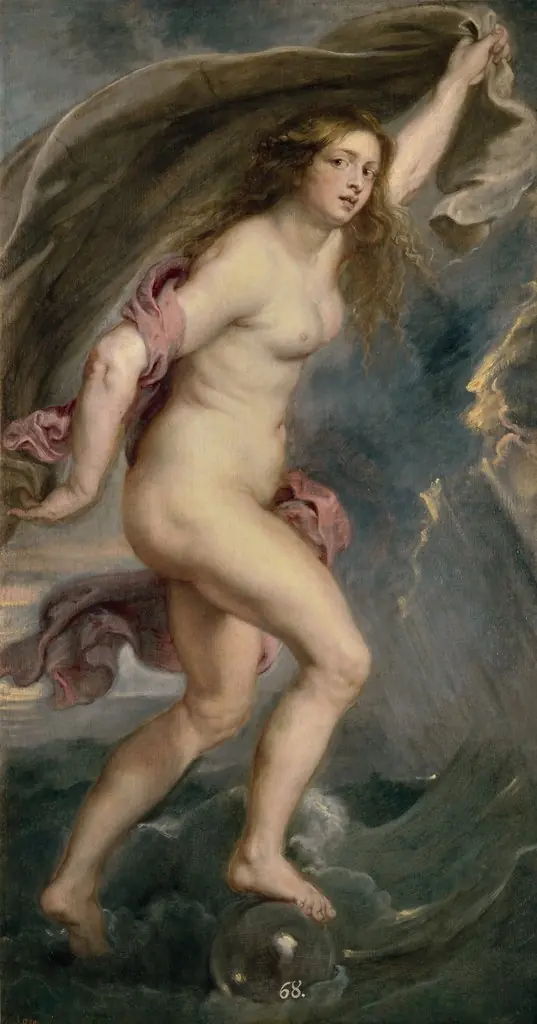
Hygeia is an oil painting by the Flemish Baroque painting artist Peter Paul Rubens. It dates from 1615 and is held in the collection of the Detroit Institute of Arts.
About this work
Overview
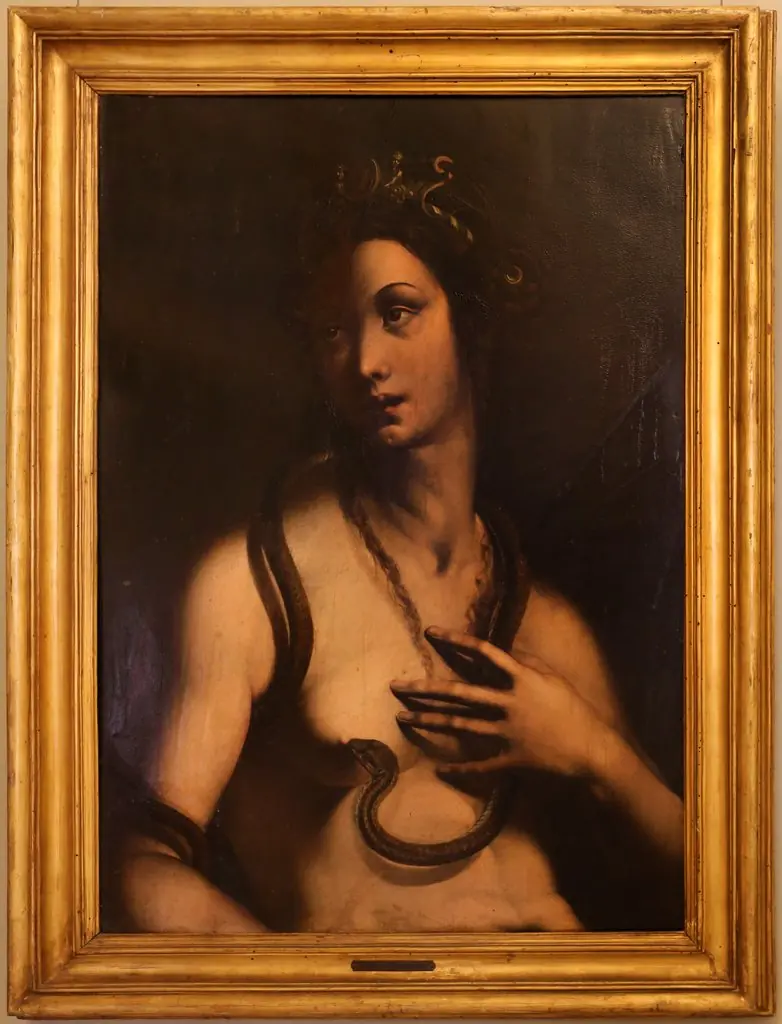
Hygeia is a 1615 oil painting by Peter Paul Rubens, exemplifying the Flemish Baroque style. The work depicts the mythological figure Hygieia accompanied by a snake, embodying Rubens's affinity for classical and allegorical themes.
Subject & Meaning
Hygieia, a figure from ancient mythology associated with health and hygiene, is portrayed with a snake—a symbol linked to her role in myth. The composition conveys a sense of trust and familiarity between Hygieia and the snake, highlighting her gentle, nurturing aspect.
Technique & Style
Characterized by dynamic composition, vibrant color, and emphasis on movement, the painting showcases Rubens's distinctive Flemish Baroque approach. The contrast between the snake's calmness and Hygieia's focused expression demonstrates Rubens's mastery of expressive nuances.
History & Provenance
Created in 1615, Hygeia reflects the dramatic artistic tendencies of the Counter-Reformation. The painting is currently part of the Detroit Institute of Arts collection.
Context
Aligned with the Counter-Reformation's artistic preferences, Hygeia represents Rubens's engagement with religious and classical motifs, appealing to the era's aesthetic and ideological values.
Legacy
As a work by Rubens, Hygeia contributes to the enduring influence of Flemish Baroque on Western art, though its specific impact is more nuanced within Rubens's broader oeuvre.
Own this work as a print
Artist & collection
Artist
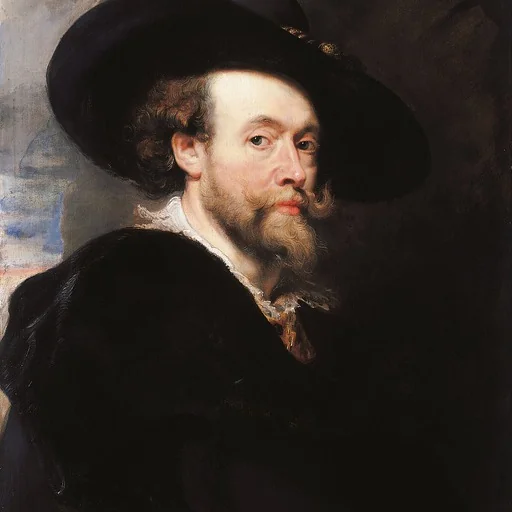
Sir Peter Paul Rubens ( ROO-bənz; Dutch: ; 28 June 1577 – 30 May 1640) was a Flemish artist and diplomat.