Artwork
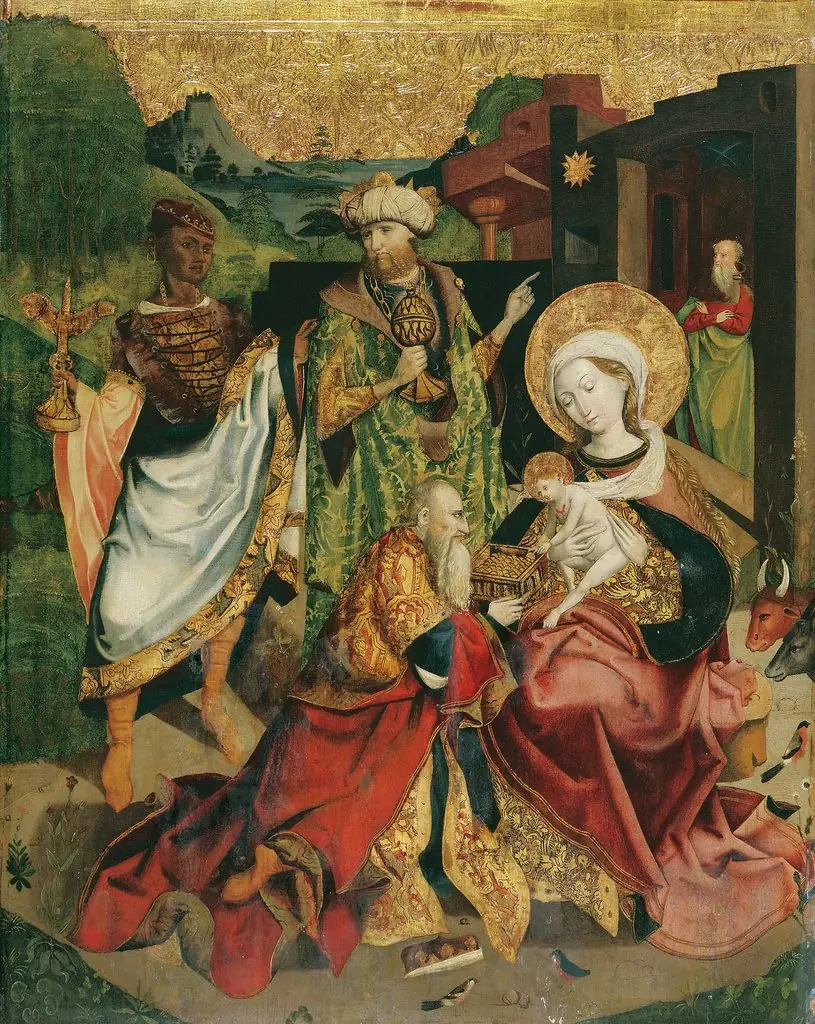
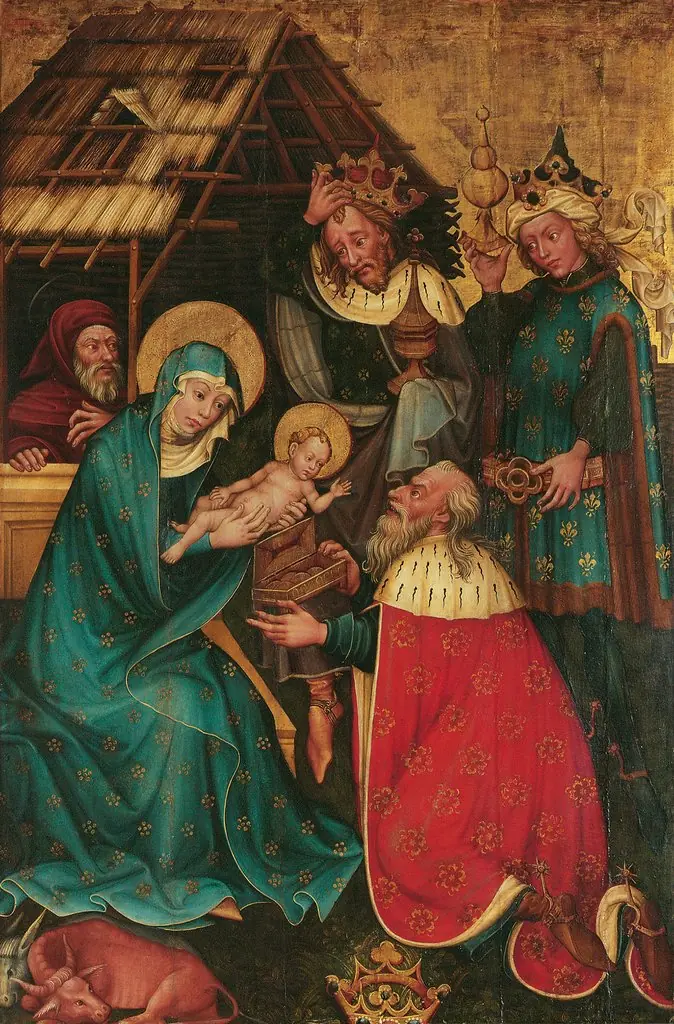
Anbetung der Heiligen Drei Könige (Innenseite); Erwählung Josephs und Vermählung Mariens (Außenseite)
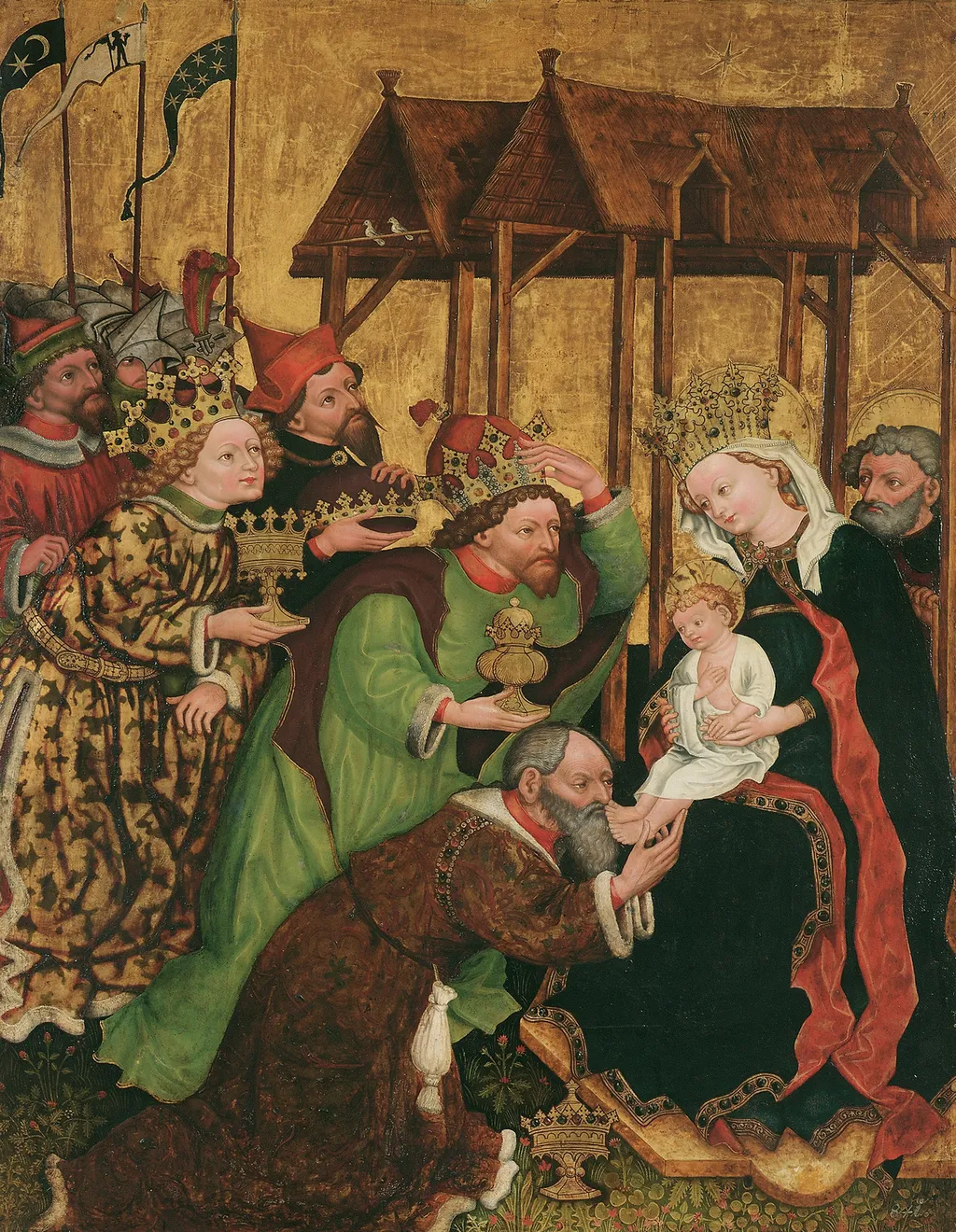
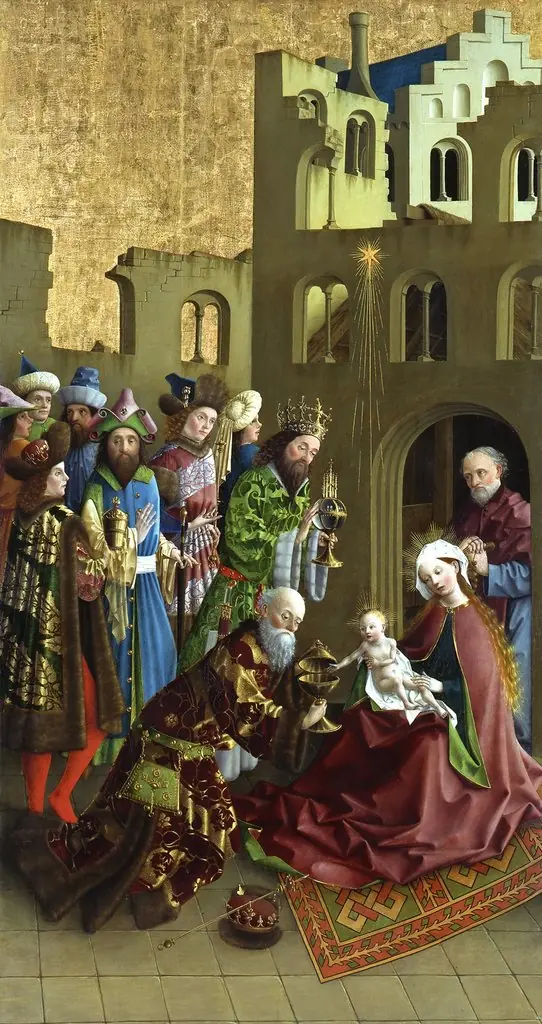
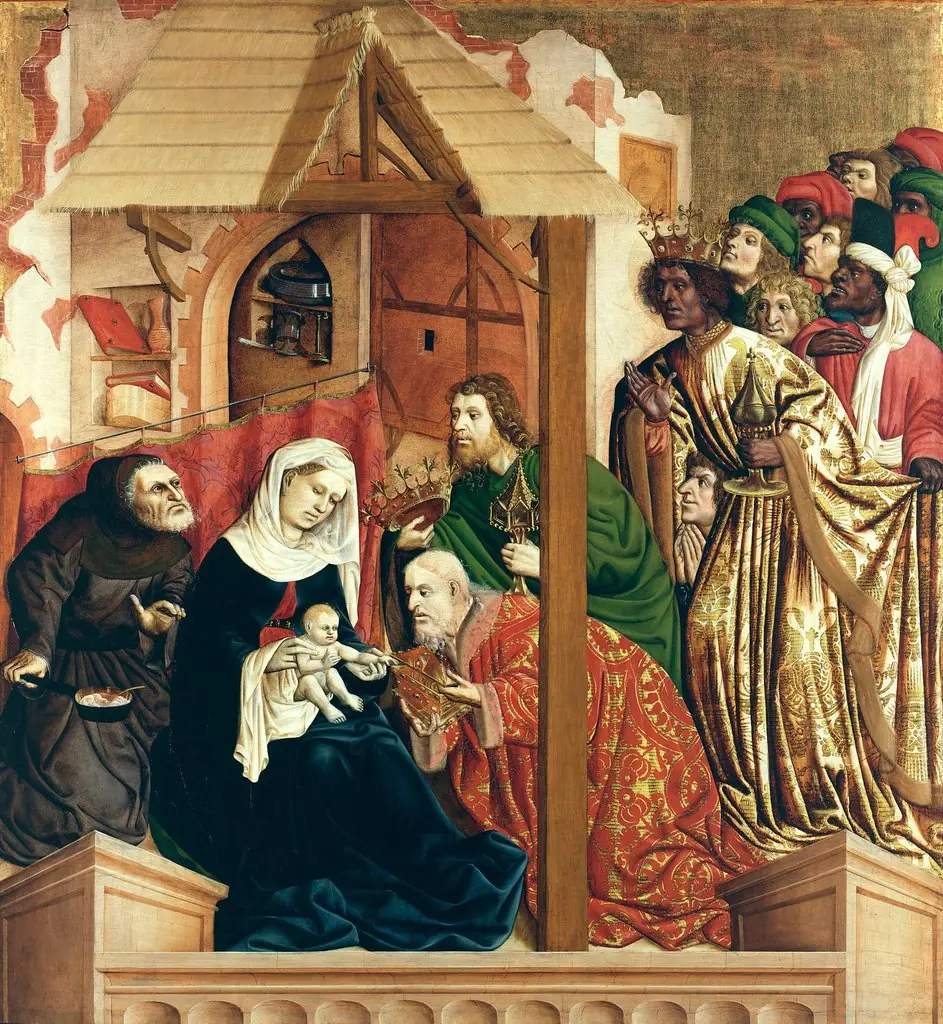
Anbetung der Heiligen Drei Könige (Innenseite); Erwählung Josephs und Vermählung Mariens (Außenseite) is an unspecified painting by the Northern Renaissance artist Leonhard von Brixen. It dates from 1460 and is held in the collection of the Kunsthistorisches Museum.
About this work
Overview
The interior side illustrates the adoration of the Magi before the infant Christ, while the reverse presents the selection of Joseph and the marriage of Mary.
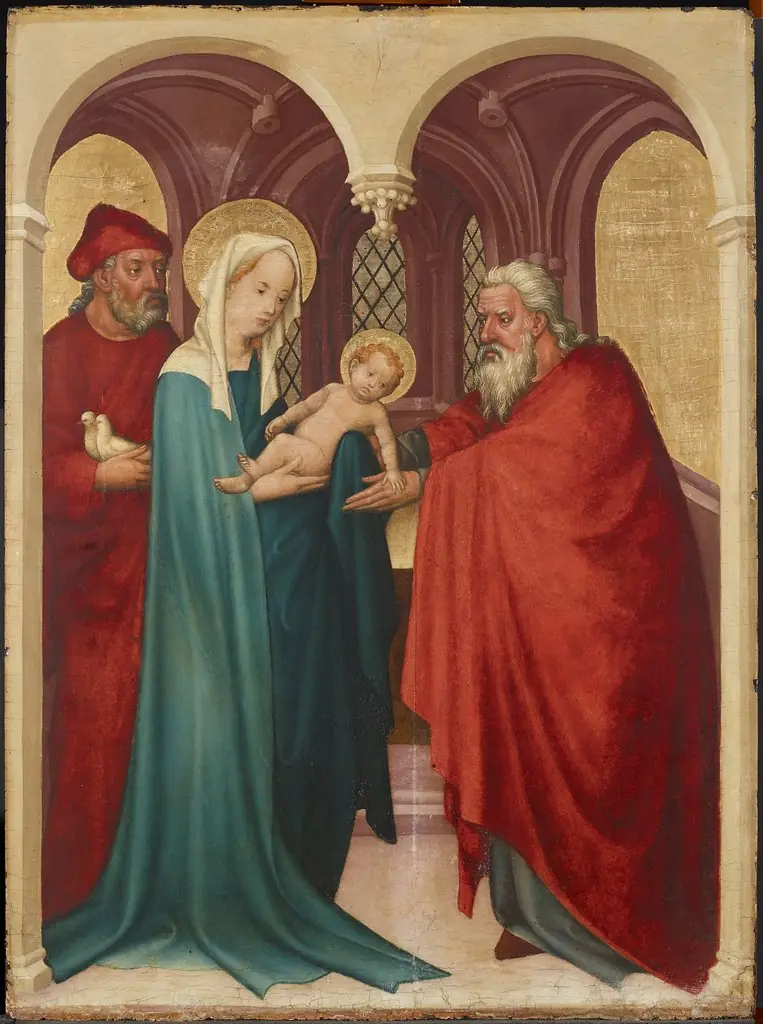
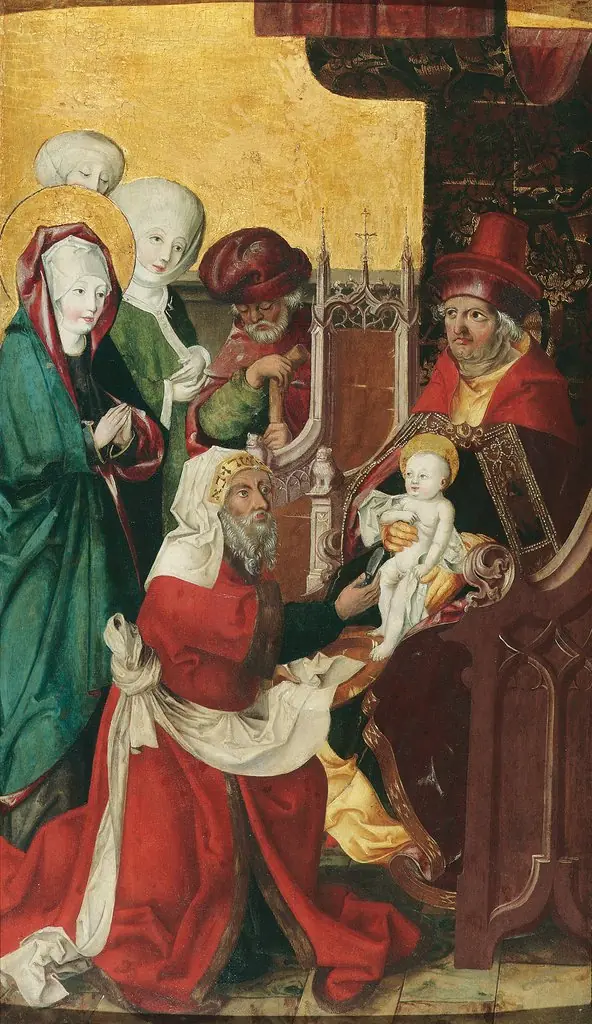
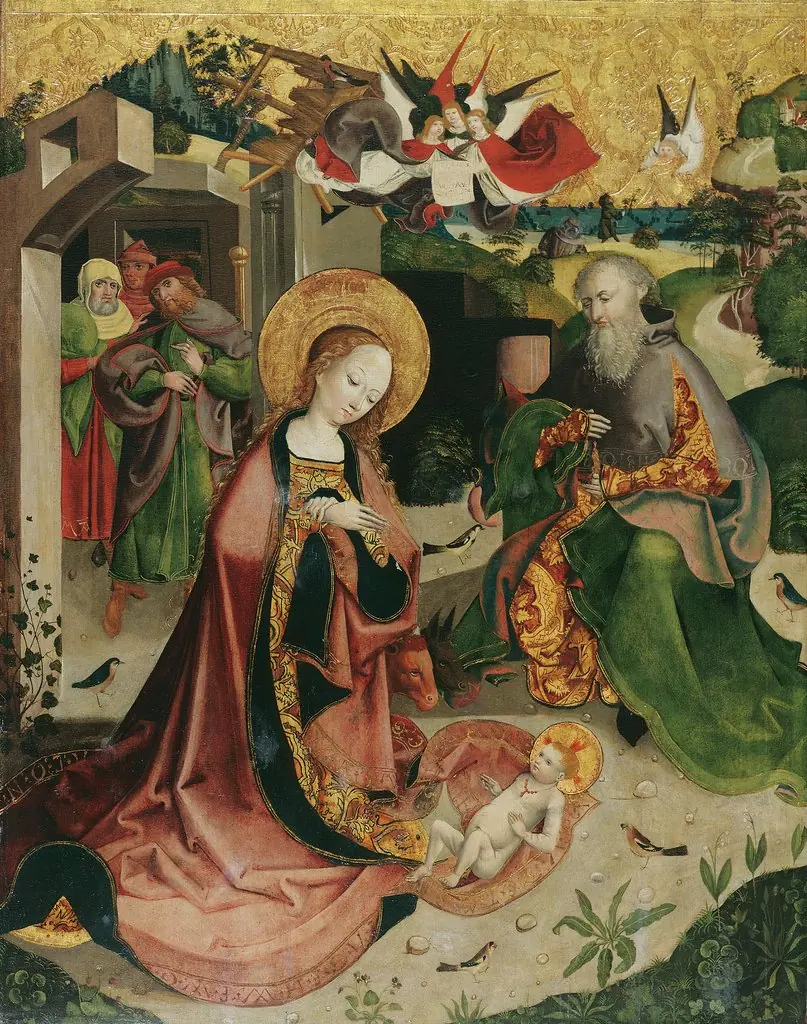
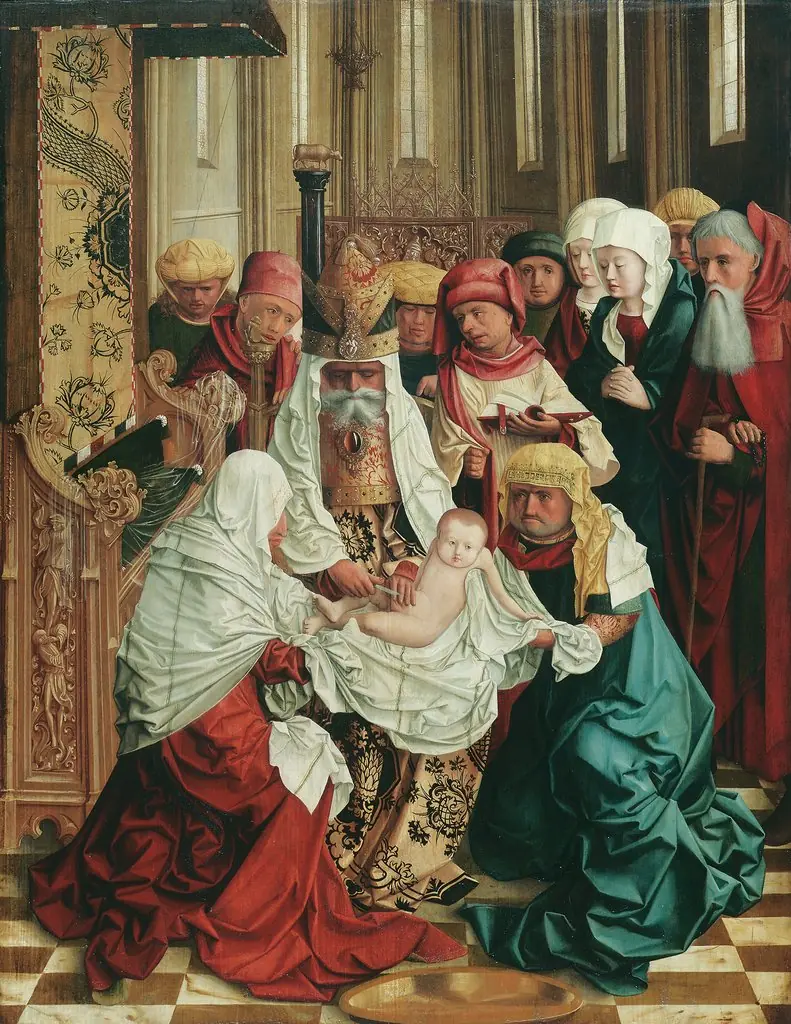
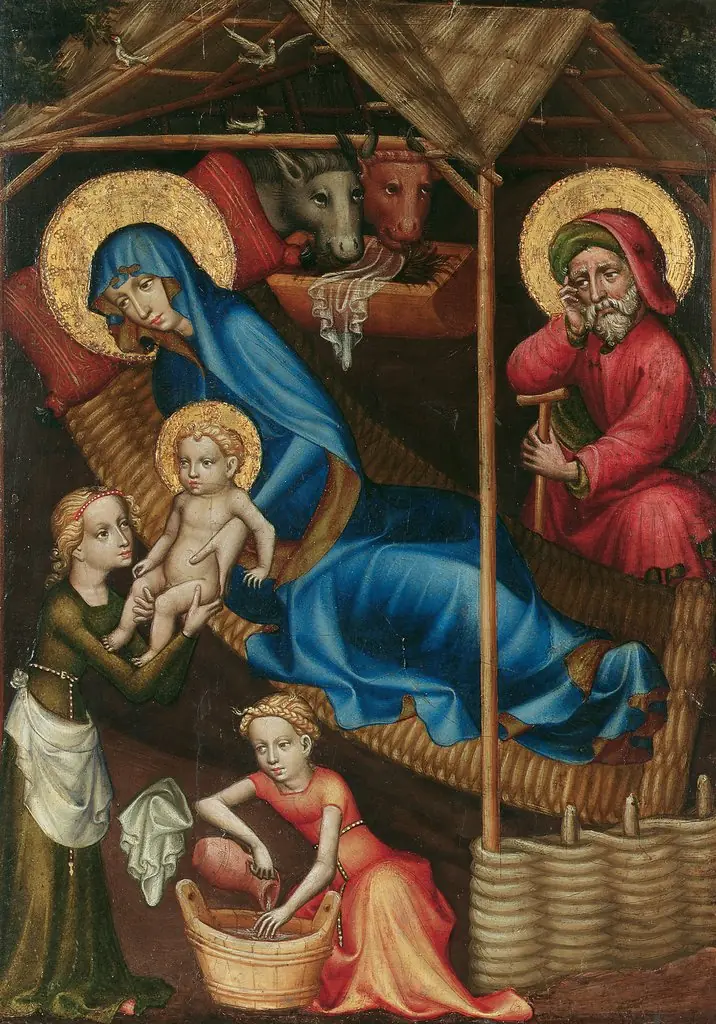
Created in 1460 by the Tyrolean painter Leonhard von Brixen, this panel work is part of a diptych that juxtaposes two biblical episodes. The interior side illustrates the adoration of the Magi before the infant Christ, while the reverse presents the selection of Joseph and the marriage of Mary. The piece is part of the collection of the Kunsthistorisches Museum in Vienna and exemplifies late‑Gothic devotional art.
Subject & Meaning
The front panel captures the moment when the three wise men present gifts to the newborn Jesus, emphasizing reverence and the recognition of his divine status. The back panel narrates two linked events from the Nativity story: the divine choice of Joseph as Mary's spouse and their subsequent marriage, underscoring themes of obedience and the fulfillment of prophecy.
Technique & Style
Executed in tempera on wood, the composition employs a vivid palette of reds, greens, golds and warm yellows. Figures are rendered with elongated drapery and intricate detailing typical of the late Gothic idiom. Architectural elements, such as a sloping‑roofed wooden structure, provide a shallow spatial setting that focuses attention on the ritual gestures of the participants.
History & Provenance
The diptych was likely commissioned for a private chapel or a guild altar in the mid‑15th century. It entered the holdings of the Kunsthistorisches Museum during the 19th‑century reorganization of imperial collections, where it remains on display as part of the museum’s medieval painting assemblage.
Context
Leonhard von Brixen worked in the Alpine region at a time when local workshops were integrating influences from Northern Italy and the Germanic lands. This work reflects the period’s devotional emphasis on narrative cycles that combined multiple episodes of the Nativity, catering to viewers’ desire for comprehensive visual meditation on Christ’s early life.
Own this work as a print
Artist & collection