Artwork
Darbringung Christi im Tempel
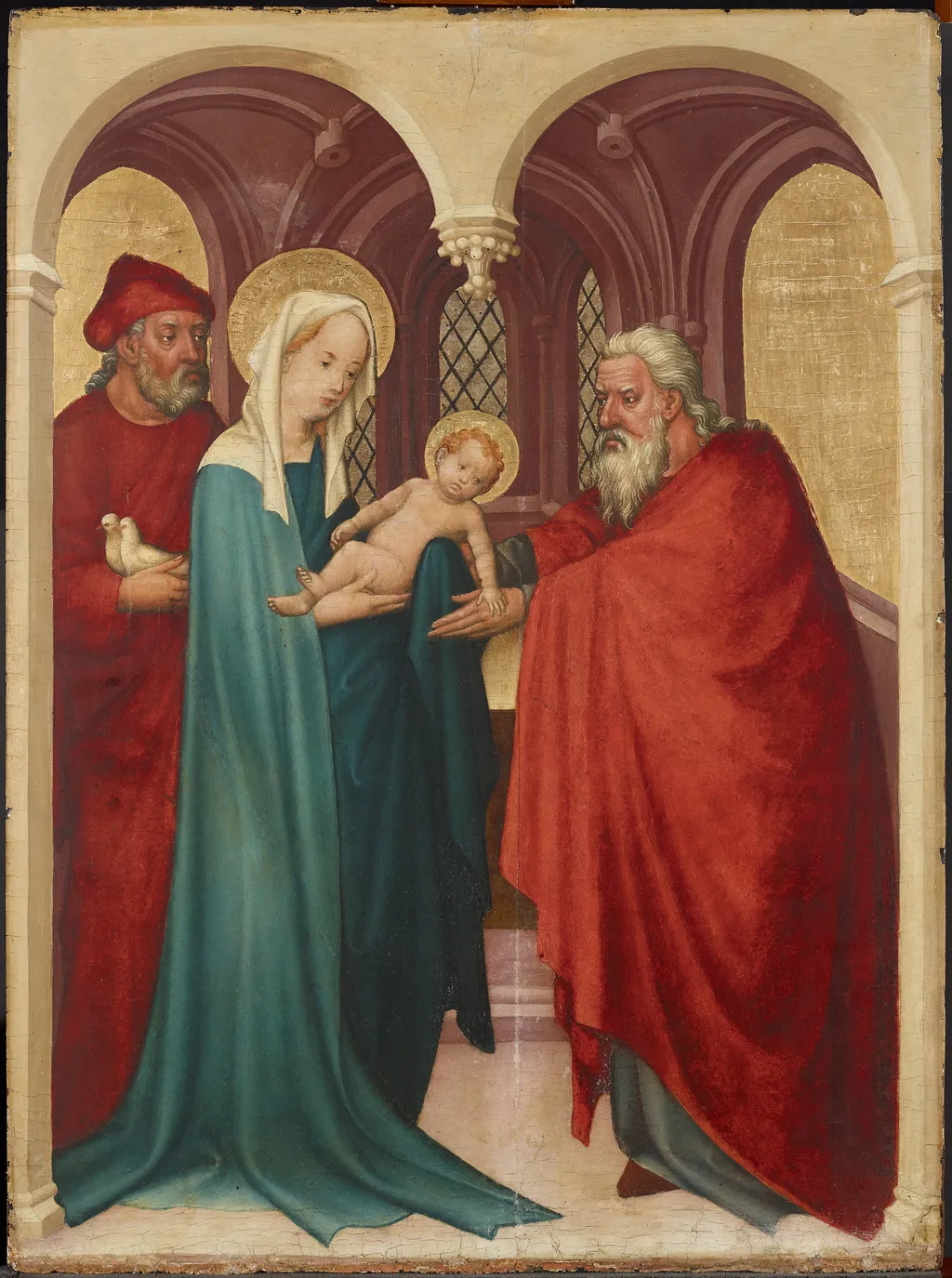
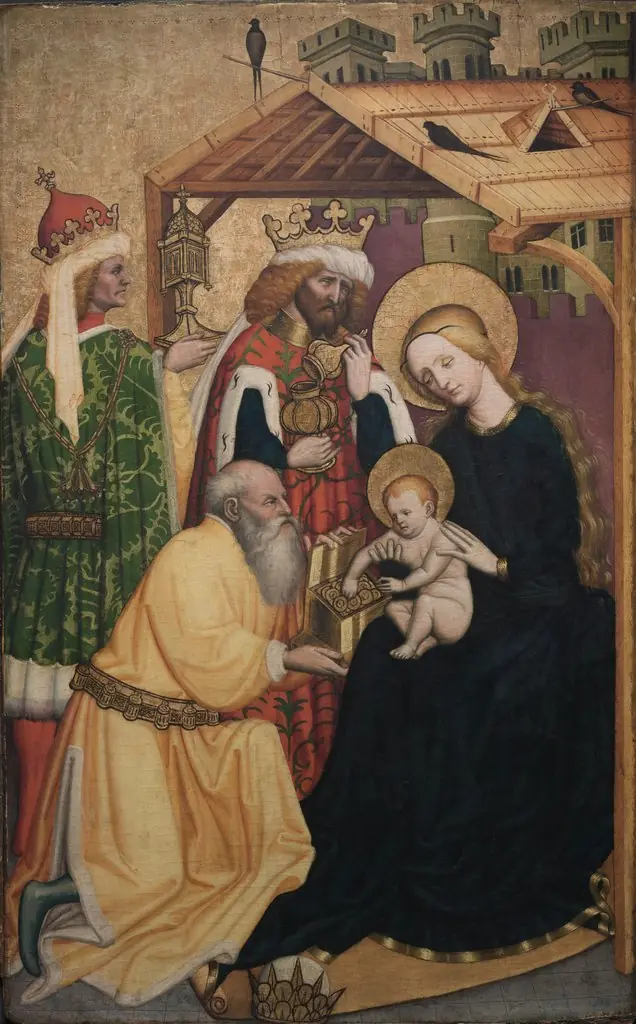
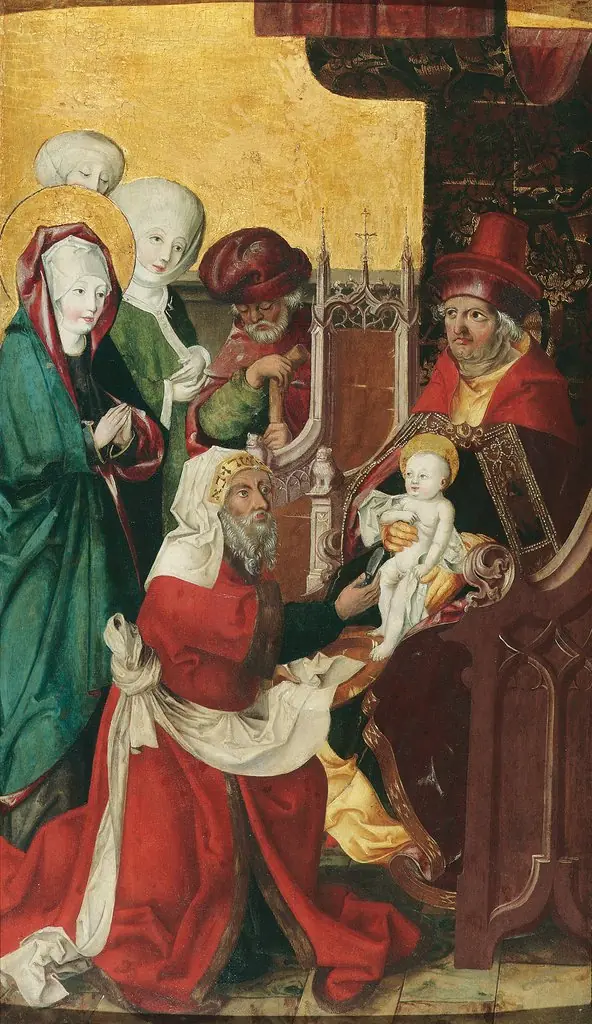
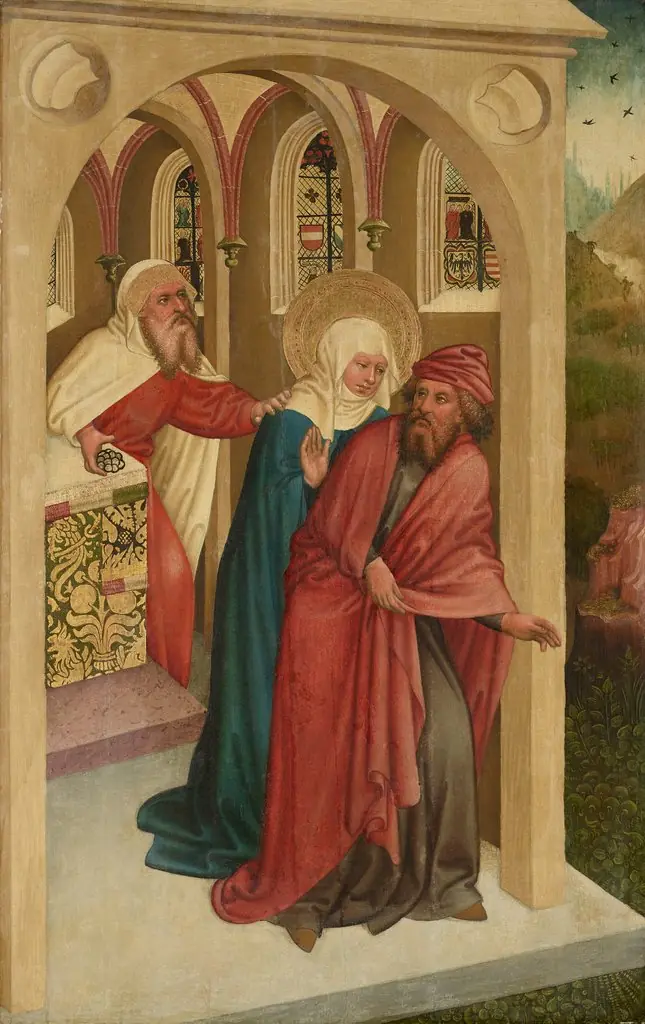
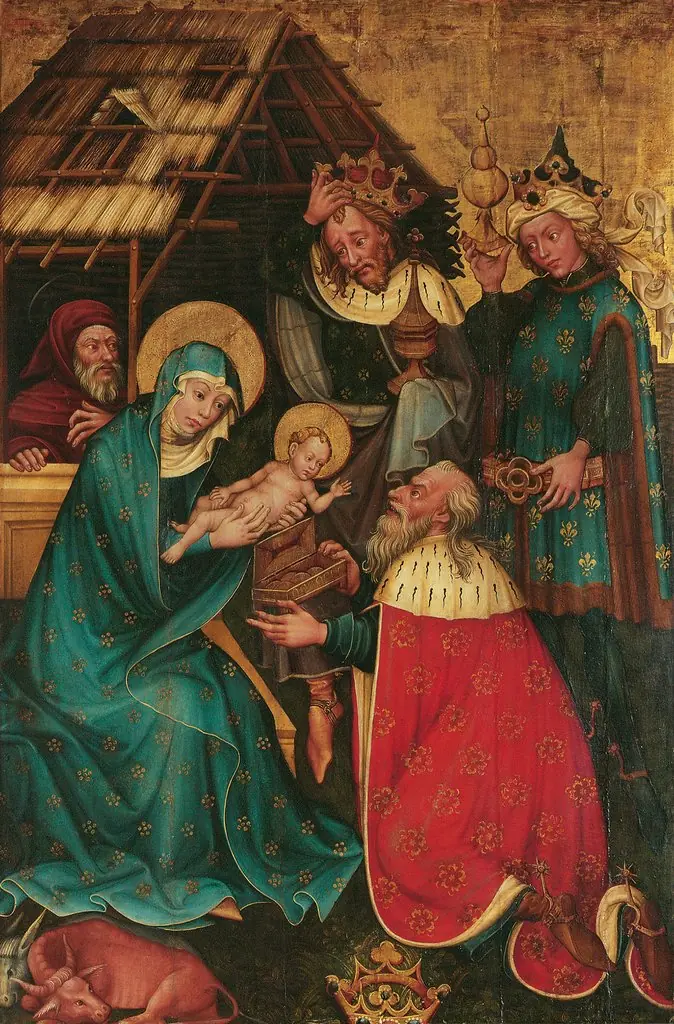
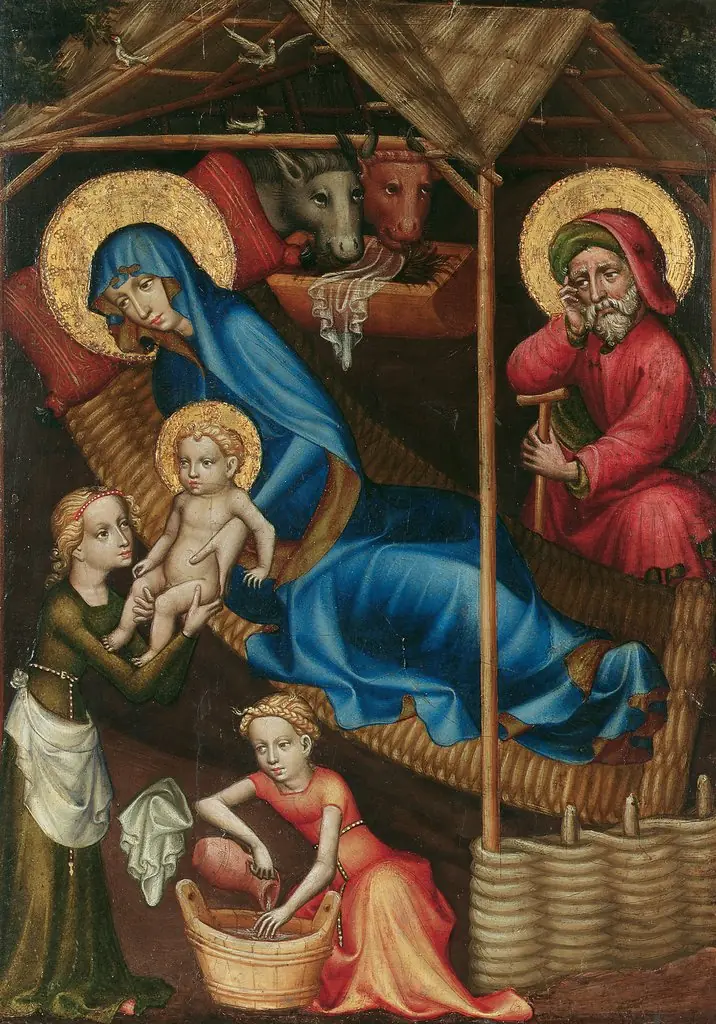
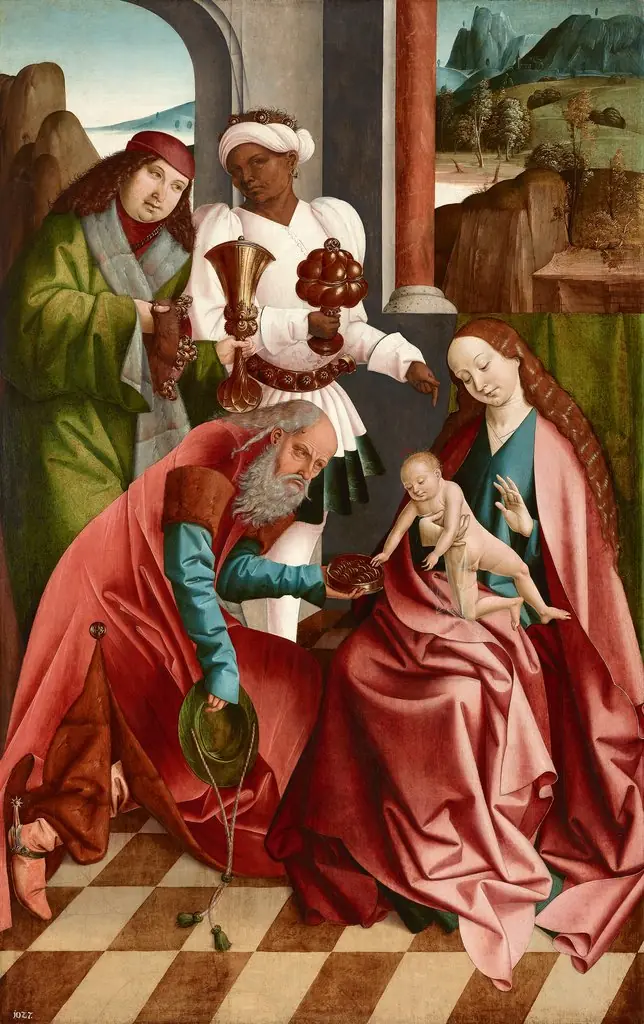
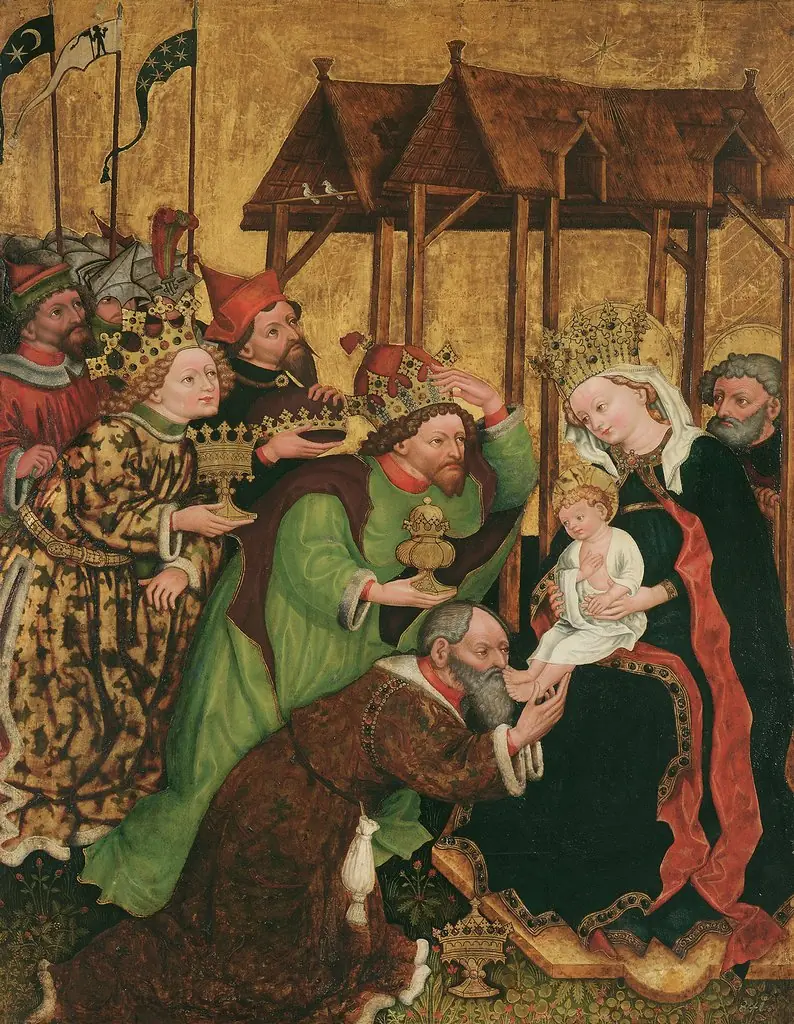
Darbringung Christi im Tempel is an unspecified painting by the Northern Renaissance artist Meister der Darbringungen. It dates from 1430 and is held in the collection of the Kunsthistorisches Museum.
About this work
Overview
The work reflects the devotional painting traditions of the late Gothic period in Central Europe, characterized by symbolic composition and limited naturalism.
This early 15th-century panel painting depicts the Presentation of Christ in the Temple, attributed to an anonymous artist known as the Master of the Presentations. Executed around 1430, it is part of the collection at the Kunsthistorisches Museum in Vienna. The work reflects the devotional painting traditions of the late Gothic period in Central Europe, characterized by symbolic composition and limited naturalism.
Subject & Meaning
The scene illustrates the biblical moment when Mary and Joseph present the infant Jesus at the Temple in Jerusalem, as required by Jewish law. The central figure, Mary, holds the child, while two elderly men—likely Simeon and Joseph—stand beside them. The halo around Mary’s head signifies her sanctity, and the gestures of the men suggest ritual offering and protection, reinforcing the theological significance of Christ’s dedication.
Technique & Style
The painting employs flat, unmodulated colors and lacks perspective or chiaroscuro, typical of late medieval panel painting. Figures are arranged frontally within a shallow architectural space defined by arched doorways and a simple pillar. The diamond-patterned window and richly colored robes—blue, red, and fur trim—emphasize symbolic value over realism, aligning with devotional priorities of the time.
History & Provenance
The painting has been held since at least the 19th century in the Kunsthistorisches Museum’s collection, where it was cataloged under the attribution to the Master of the Presentations—an anonymous painter identified by stylistic consistency across a small group of similar works. Its origins likely lie in a monastic or noble commission in southern Germany or Austria, though its exact early history remains undocumented.
Context
Created during a period when devotional imagery was central to religious practice, this work reflects the influence of regional altarpiece traditions. Similar compositions appear in other contemporary panels from the Danube region, where artists favored clear iconography and symbolic color over spatial depth. The emphasis on ritual and holiness aligns with broader trends in late medieval piety.
Legacy
Though not widely known outside scholarly circles, the painting contributes to the understanding of anonymous workshop production in early 15th-century Central Europe. It exemplifies how religious narratives were visually codified before the rise of Renaissance naturalism. Its preservation in Vienna allows ongoing study of regional stylistic development and the role of lay devotion in pre-Reformation art.
Own this work as a print
Artist & collection