Artwork
Cichla, Aenea
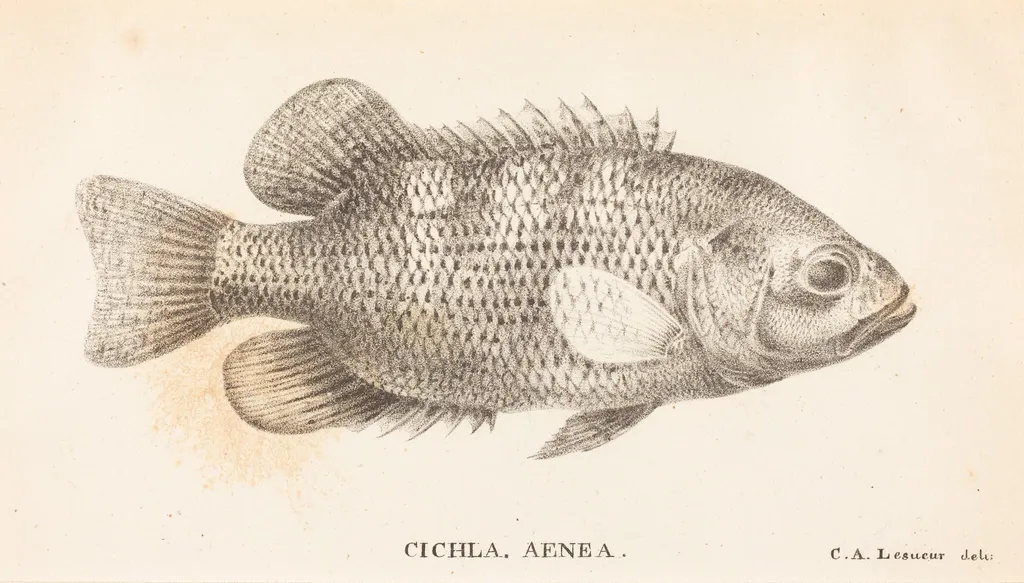
Cichla, Aenea is an ink print by the Romanticist artist Charles Alexandre Lesueur. It dates from 1822 and is held in the collection of the National Gallery of Art.
About this work
Overview
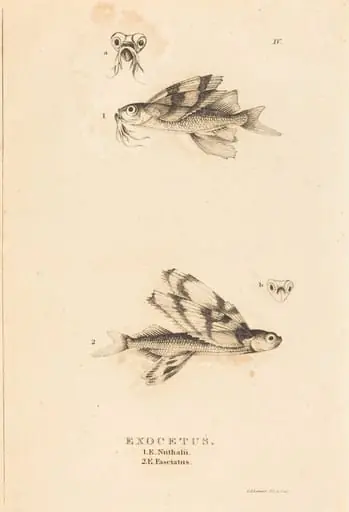
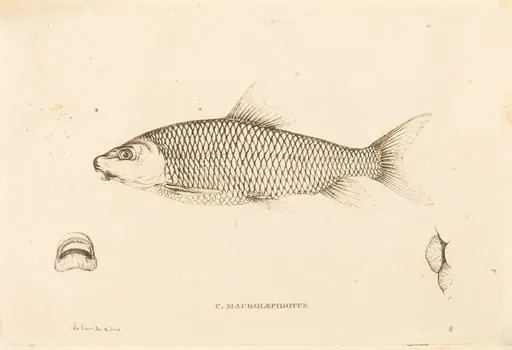
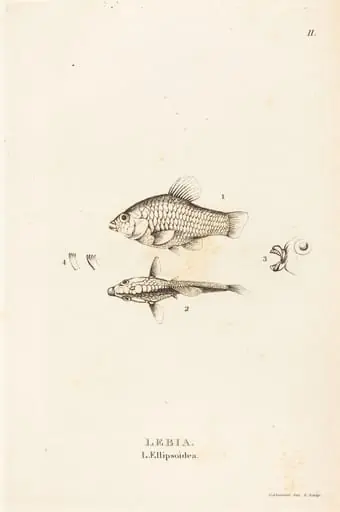
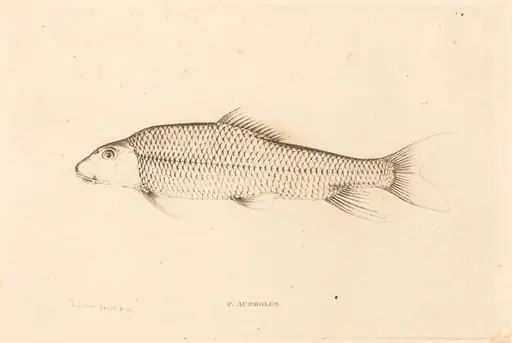
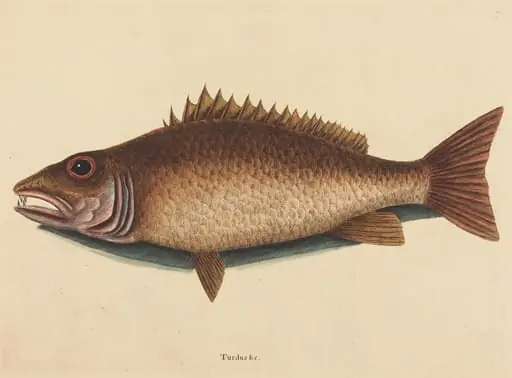
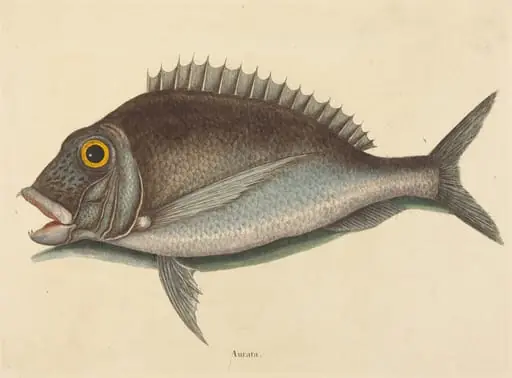
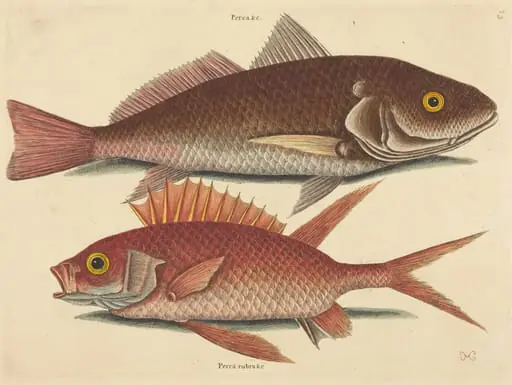
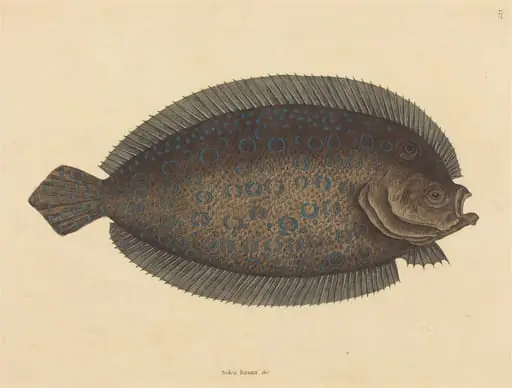
Charles Alexandre Lesueur’s 1822 lithograph titled *Cichla, Aenea* presents a monochrome rendering of a tropical fish viewed laterally. The image captures the creature’s elongated body, pronounced dorsal fin, and a bifurcated tail, all delineated with fine, controlled line work characteristic of early nineteenth‑century scientific illustration.
Subject & Meaning
The work depicts a member of the peacock bass family, identified by its scientific designation rather than a vernacular name. By emphasizing anatomical details such as the sharp, overlapping scales and the tapered mouth, the image serves as a visual record of the species’ morphology for naturalists and scholars.
Technique & Style
Executed as a lithograph, the piece relies on the artist’s ability to render precise, crisp lines on a stone surface before transferring the image onto paper. The stark black‑and‑white palette underscores the emphasis on form and structure, echoing the methodological rigor of contemporary scientific publications.
History & Provenance
Created in 1822, the print reflects Lesueur’s broader involvement in natural history documentation during his voyages in South America. While the original plate’s ownership history is not extensively recorded, the work survives as part of collections that document early scientific illustration practices.
Artist & collection