Artwork
C. Macrolepidotus
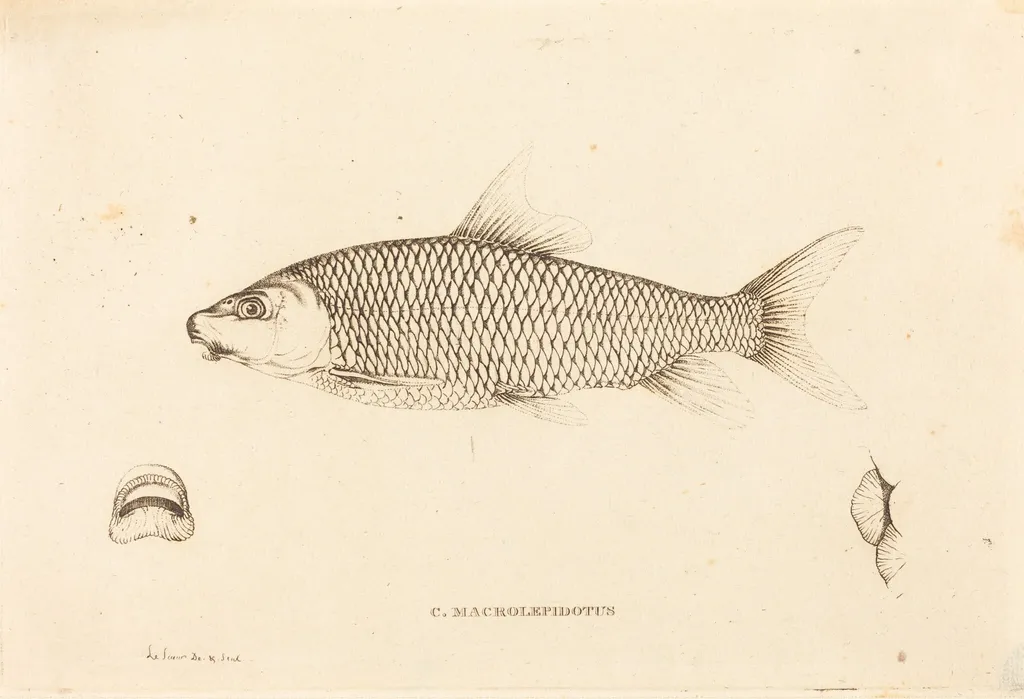
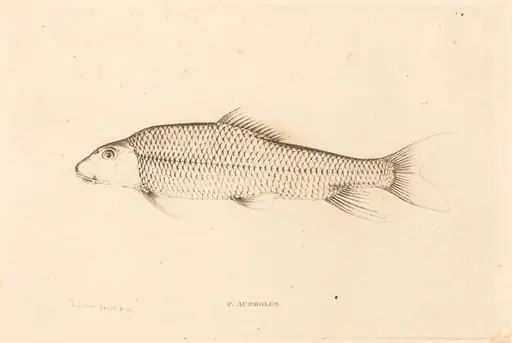
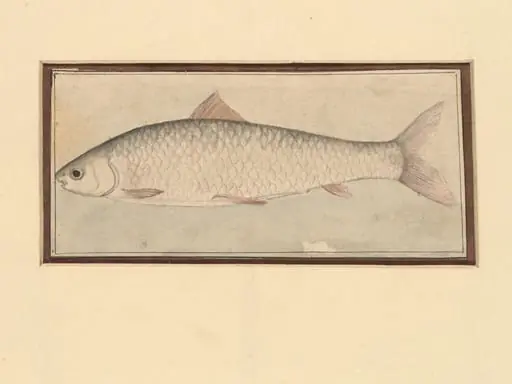
C. Macrolepidotus is an ink print by the Romanticist artist Charles Alexandre Lesueur. It dates from 1819 and is held in the collection of the National Gallery of Art. C.
About this work
Overview
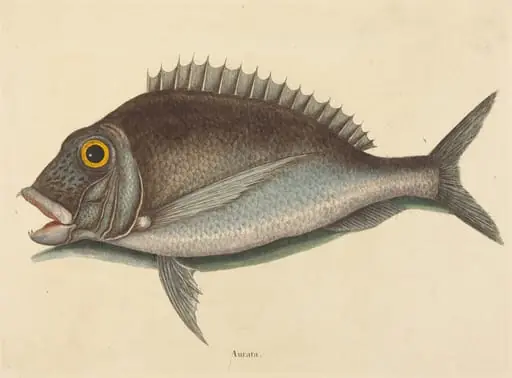
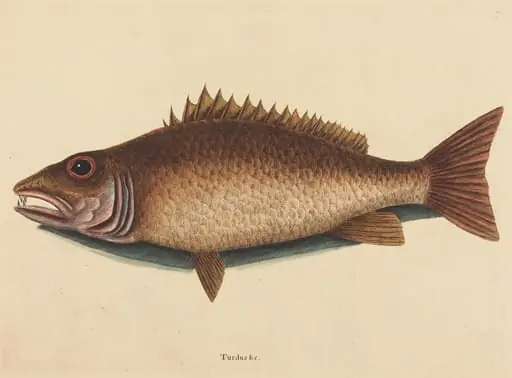
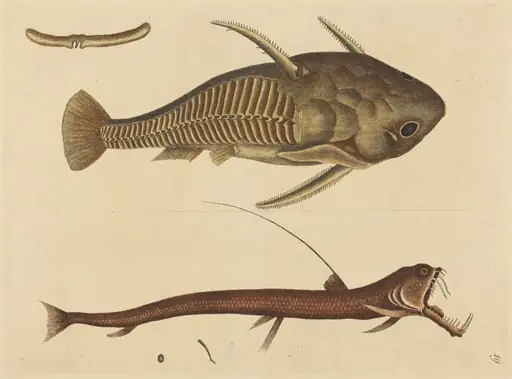
The print depicts a small, spiny fish rendered with precise linework against a light, uncluttered ground.
C. Macrolepidotus is an 1819 etching by Charles Alexandre Lesueur, a French naturalist and artist. The print depicts a small, spiny fish rendered with precise linework against a light, uncluttered ground. Created during Lesueur’s time documenting marine life in the early 19th century, the work reflects his dual role as scientist and illustrator, aiming to record biological detail for academic circulation rather than aesthetic display.
Subject & Meaning
The subject is a species of spiny fish, likely identified by Lesueur during his expeditions. Its sharp fins and scaled body are rendered with scientific accuracy, emphasizing anatomical features relevant to classification. The absence of context or environment directs focus to the organism’s form, aligning with the era’s natural history practices that prioritized diagnostic clarity over narrative or symbolism.
Technique & Style
Lesueur employed etching to achieve fine, controlled lines that capture minute textures—scales, spines, and fin membranes—with remarkable clarity. The inked lines are sharp and deliberate, contrasting against the pale paper to enhance visibility. This technique allowed for reproducibility, essential for distributing accurate visual records among scientific communities before the advent of photographic documentation.
History & Provenance
Created in 1819, the etching stems from Lesueur’s participation in scientific voyages, particularly those associated with the Muséum d’Histoire Naturelle in Paris. It was likely produced as part of a larger collection of marine specimens he documented during travels in North America and the Pacific. These prints were circulated among naturalists and institutions to support taxonomic research of the period.
Context
In the early 1800s, naturalists relied on hand-drawn illustrations to communicate discoveries in biology. Etching offered a balance of precision and reproducibility, making it ideal for scientific publications. Lesueur’s work contributed to a growing body of visual records that helped standardize species identification, preceding modern photographic methods and reinforcing the role of art in empirical science.
Legacy
Lesueur’s etchings, including C. Macrolepidotus, remain valuable as historical documents of early biological illustration. They exemplify the intersection of art and science in pre-photographic taxonomy, preserving visual data that informed later zoological studies. Though not widely known outside academic circles, his prints are held in institutional collections as key artifacts of 19th-century natural history.
Artist & collection