Artwork
Head of an Ibex
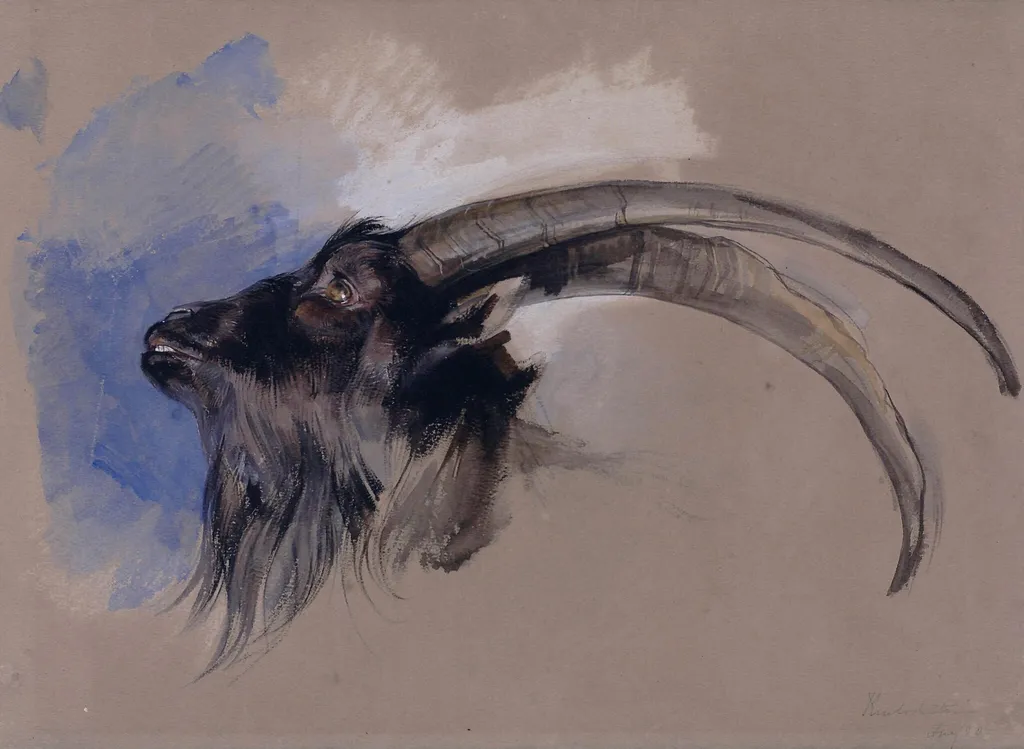
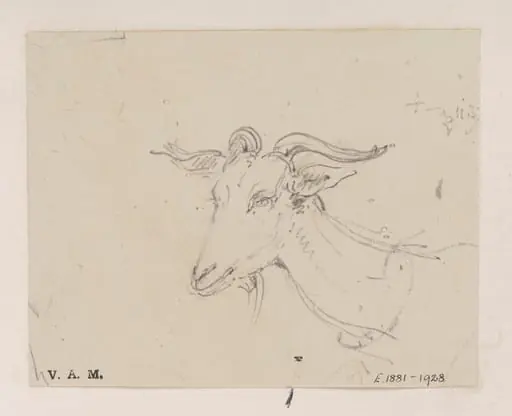
Head of an Ibex is a watercolor work on paper by the Romanticist artist John Frederick Lewis. It dates from 1827 and is held in the collection of the Victoria and Albert Museum.
About this work
Overview
The work captures a single ibex, rendered swiftly in transparent washes, reflecting the artist’s focus on direct observation rather than polished finish.
John Frederick Lewis created this watercolour sketch during a journey through the Alps in 1827. The work captures a single ibex, rendered swiftly in transparent washes, reflecting the artist’s focus on direct observation rather than polished finish. It belongs to a series of on-site studies made while traveling across France, Germany, and Switzerland, where he sought to document wildlife in its natural setting.
Subject & Meaning
The ibex, a sure-footed mountain goat native to alpine regions, was chosen for its physical resilience and elusive nature. Lewis’s depiction does not idealize the animal but records its presence with immediacy, acknowledging the challenge of observing such a creature in rugged terrain. The sketch implies a momentary encounter, emphasizing the animal’s vitality rather than symbolic meaning.
Technique & Style
Executed in watercolour, the piece relies on loose, rapid brushwork and minimal detail to suggest form and movement. The pigment is applied thinly, allowing the paper’s texture to contribute to the sense of rocky terrain and fur. Lewis’s method prioritizes spontaneity over refinement, aligning with the demands of sketching outdoors and the fleeting visibility of wild animals.
History & Provenance
The watercolour was made during Lewis’s 1827 sketching tour, a period following his earlier recognition for animal subjects. It was likely produced after a climb into Swiss highlands, where ibex were hunted but rarely seen up close. The work remained within Lewis’s personal collection and later entered institutional holdings as part of his broader body of field studies.
Context
In the early 19th century, artists increasingly turned to direct observation of nature, influenced by Romantic ideals and scientific curiosity. Lewis’s sketches of alpine fauna reflect this shift, contrasting with studio-based animal portraiture. His focus on transient, wild subjects aligned with broader European trends in natural history illustration and landscape study.
Legacy
This sketch contributes to a larger archive of Lewis’s fieldwork, illustrating his commitment to recording nature without embellishment. Though not widely exhibited during his lifetime, such works later informed scholarly understanding of his artistic process and his role in bridging topographical drawing with naturalist observation in British art.
Own this work as a print
Artist & collection
Artist
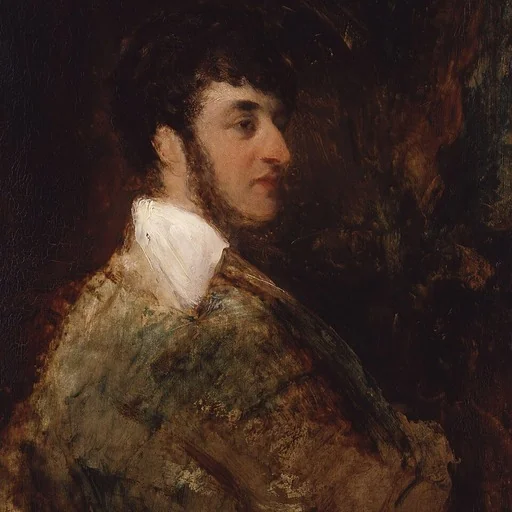
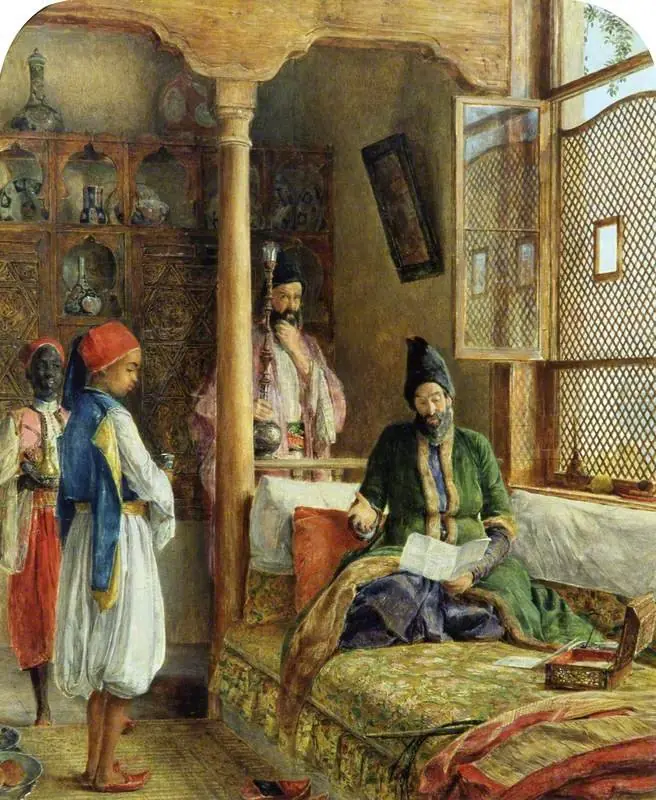
John Frederick Lewis (1804–1876) was an English Orientalist painter. He specialized in Oriental and Mediterranean scenes in detailed watercolour or oils, very often repeating the same composition in a version in each…

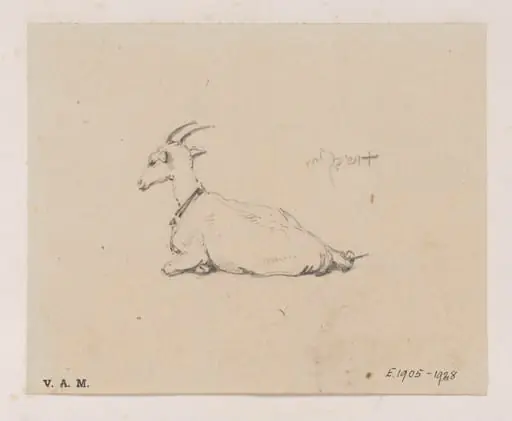
![Head of Markhour/birz-i-Kohi[?] Mountain goat of the Sulimani range, by Godfrey Thomas Vigne](https://artifactworldgallery.com/img/godfrey-thomas-vigne--head-of-markhour-birz-i-kohi-mountain-goat-of-the-sulimani-r--a93bbbea687e8f65-w320.webp)