Artwork
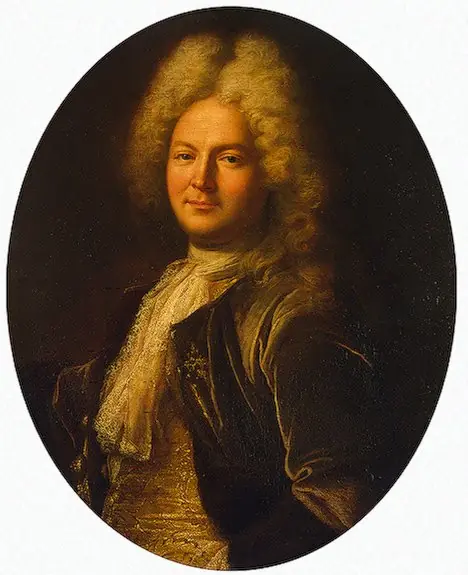
Portretul lui Joseph Gottlieb Seuler von Seulen
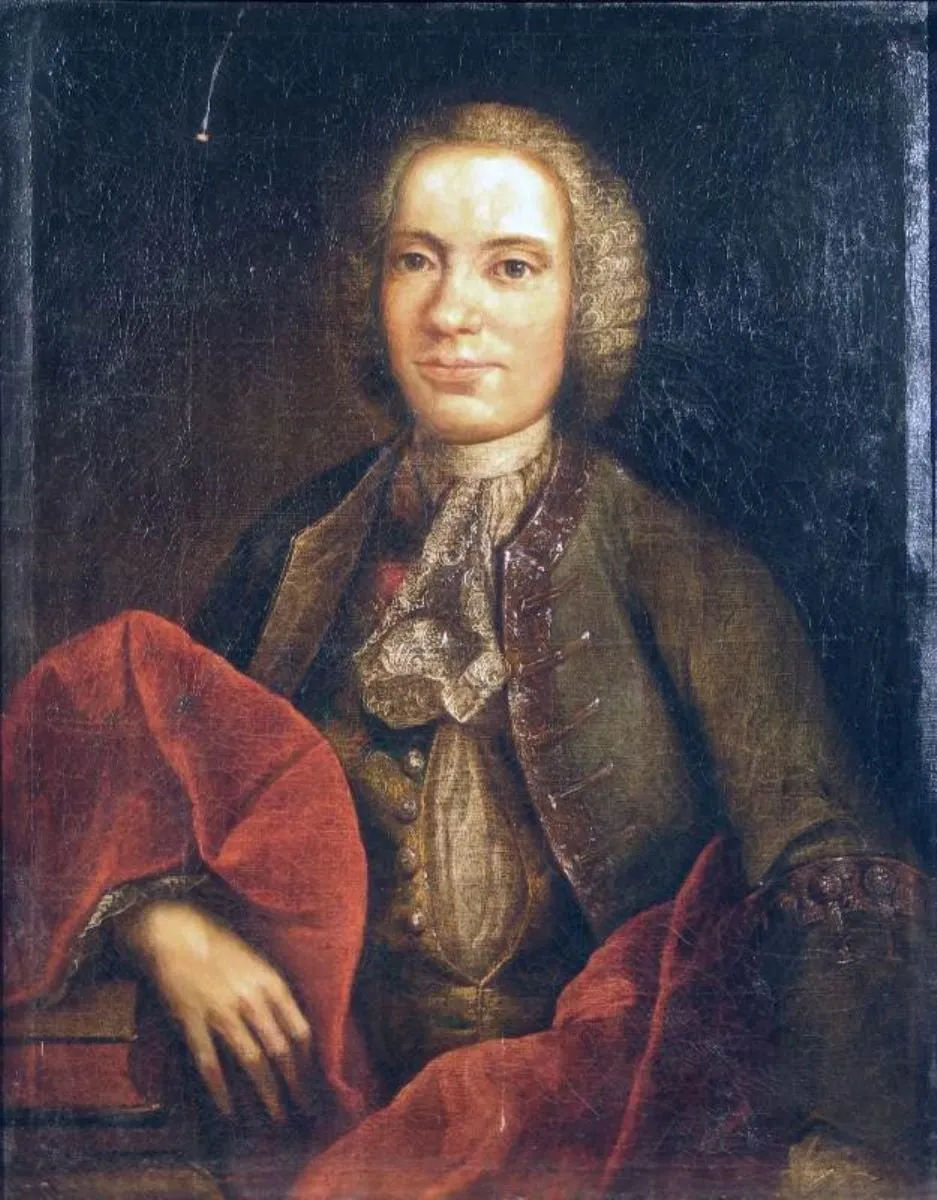
Portretul lui Joseph Gottlieb Seuler von Seulen is an unspecified painting by Johann Ölhan. It is held in the collection of the Brașov Art Museum.
About this work
Overview
His attire and posture suggest formality, while the lighting draws attention to his face and hands, creating a quiet intensity that anchors the image.
This portrait depicts Joseph Gottlieb Seuler von Seulen, a man of apparent social standing, rendered in a restrained yet deliberate composition. The figure is seated against a dark, unadorned background, emphasizing his presence without distraction. His attire and posture suggest formality, while the lighting draws attention to his face and hands, creating a quiet intensity that anchors the image.
Subject & Meaning
Seuler von Seulen is portrayed with a composed, serious demeanor, his gaze direct and unsmiling. The inclusion of a rich red cushion beneath his arm may indicate status or comfort, yet it does not soften his reserved expression. The portrait conveys dignity and self-possession, typical of elite portraiture in its era, where character and social role were as important as physical likeness.
Technique & Style
The artist employs chiaroscuro to model the figure with subtle gradations of light and shadow, giving volume to the coat, cravat, and skin. The dark green fabric contrasts with the luminous white of the cravat and the deep red of the cushion, enhancing tactile richness. Brushwork is precise but not overly detailed, favoring a balanced realism over ornamental flourish.
History & Provenance
The painting’s origins are tied to 18th-century Central European aristocratic circles, where such portraits were commissioned to affirm identity and lineage. While specific ownership records are sparse, the subject’s full name and attire align with documented patterns of noble portraiture from the period, suggesting it was created for private display rather than public exhibition.
Context
In the late 1700s, portraiture across Europe increasingly emphasized individual character over symbolic allegory. Seuler von Seulen’s portrait reflects this shift, focusing on personal presence rather than heraldic emblems. The plain background and intimate scale align with trends among minor nobility who favored understated elegance over grandeur.
Legacy
Though not widely known outside regional collections, the portrait remains a quiet example of how personal identity was visually constructed in pre-modern Europe. Its restrained composition and attention to texture offer insight into the values of a class that prized discretion and refinement over spectacle, preserving a glimpse of a private moment in public form.
Artist & collection
Artist
Johann Ölhan painted small, crisp portraits of men with powdered wigs and dark coats in a style that feels just after the Baroque but before the crisp edges of Neoclassicism.

 Портрет неизвестного в зелёном кафтане
 Portrait of a Male Member of the Szalay Family
 Zelfportret
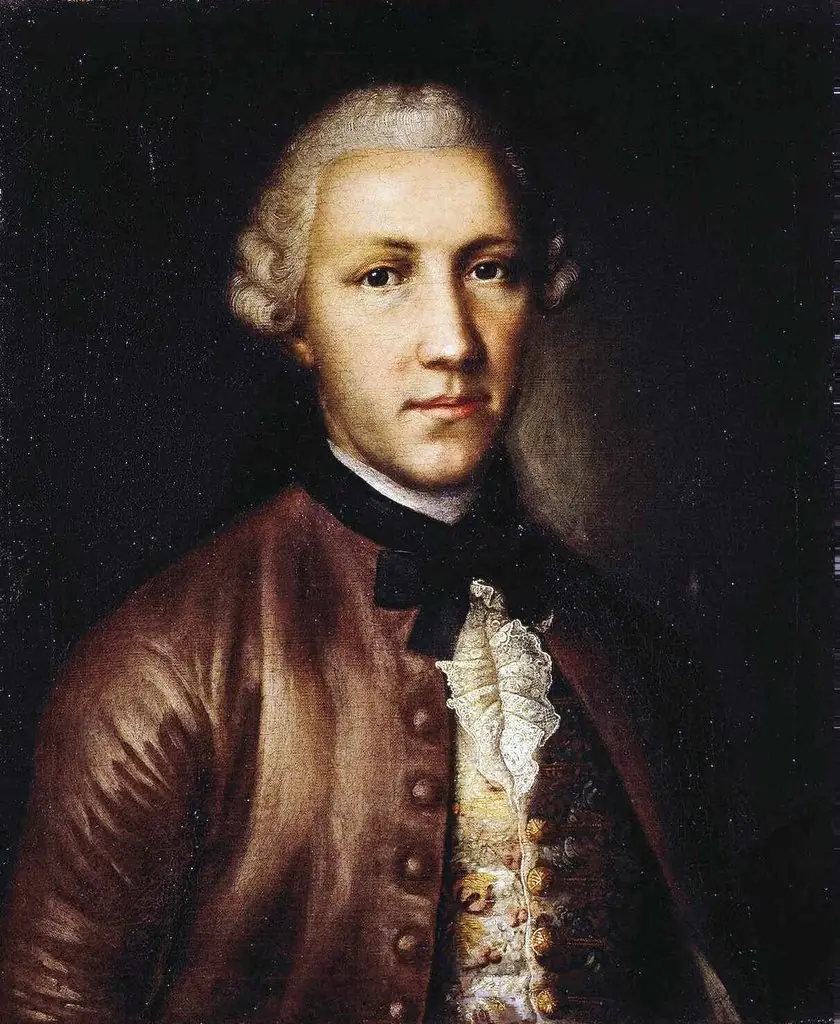 Portrait of Andrei Vasilyev
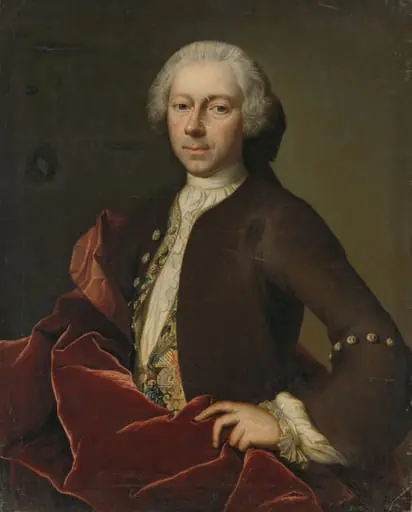 Portrait of Pieter Parker, Alderman, Burgomaster and Councilor of Goes
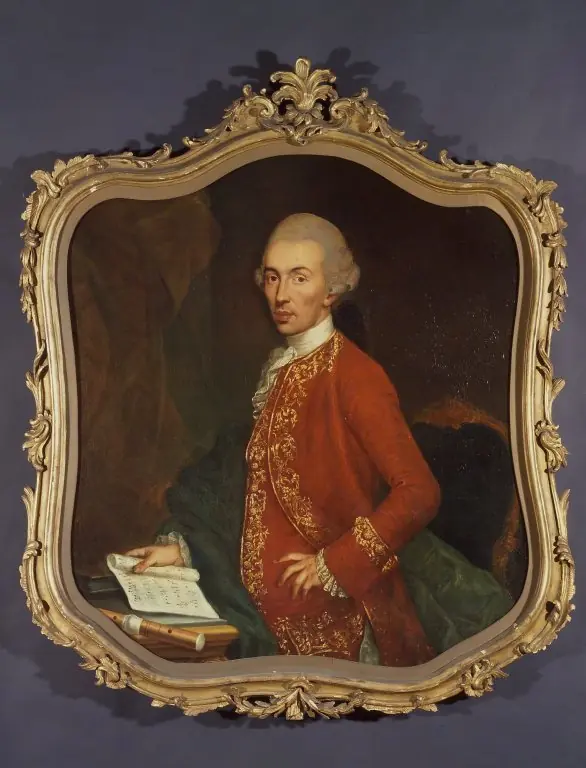 A Musician
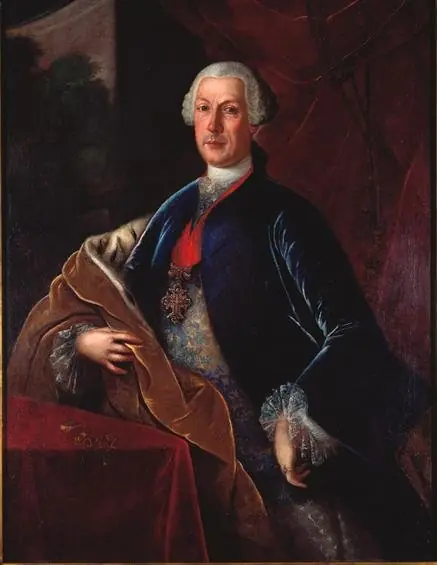 Portrait of Infante António Francisco of Portugal (1695-1757)
 Selbstbildnis
 Portrait of an Historian
 Portrait of Pieter Parker, Alderman, Burgomaster and Councilor of Goes
 Portrait of Johann Christoph Freiherr von Bartenstein (1689-1767)
 Portrait of Count Andrei A. Matveyev