Artwork
Portrait of Count Andrei A. Matveyev
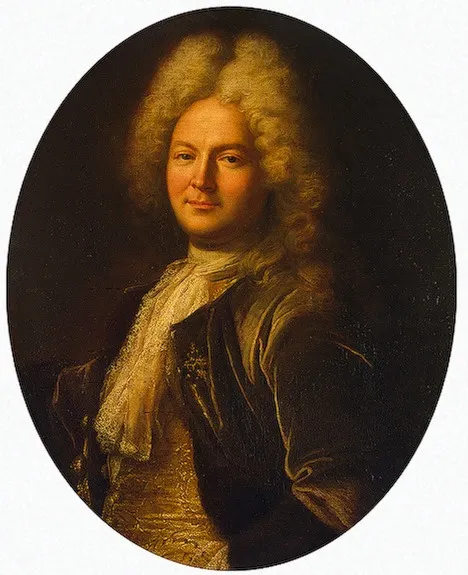
Portrait of Count Andrei A. Matveyev is an oil painting by the Rococo painting artist Rigaud Hyacinthe. It dates from 1706 and is held in the collection of the Hermitage Museum. Painted in 1706 by Hyacinthe Rigaud, this oil-on-canvas portrait captures Count Andrei A.
About this work
Overview
The painting is part of the State Hermitage Museum’s collection, where it remains a notable example of early 18th-century aristocratic portraiture.
Painted in 1706 by Hyacinthe Rigaud, this oil-on-canvas portrait captures Count Andrei A. Matveyev, a Russian diplomat and nobleman. Rigaud, known for his refined depictions of European elites, executed the work during his tenure as a favored portraitist in France. The painting is part of the State Hermitage Museum’s collection, where it remains a notable example of early 18th-century aristocratic portraiture.
Subject & Meaning
Count Matveyev is portrayed in formal court dress, signaling his high social rank and diplomatic role. His neutral gaze and composed posture convey dignity and restraint, typical of elite portraiture of the period. The absence of symbolic props or elaborate settings focuses attention on his presence and status, reflecting the values of personal authority over heraldic display common among Russian nobility in service to the Tsar.
Technique & Style
Rigaud employed chiaroscuro to model the count’s face and fabric with subtle gradations of light and shadow, enhancing three-dimensionality. The lace cravat and intricate folds of the dark jacket are rendered with meticulous brushwork, emphasizing texture and material luxury. The dark, unbroken background isolates the figure, heightening the visual impact of his attire and facial expression without distraction.
History & Provenance
Commissioned during Matveyev’s diplomatic mission to Paris, the portrait was likely intended to affirm his status in European courts. After his return to Russia, it entered imperial collections and was later transferred to the Hermitage. Its survival through political upheavals underscores its value as a cultural artifact linking Russian aristocracy with French artistic traditions of the era.
Context
In the early 1700s, Russian nobility increasingly adopted Western European customs, including portraiture styles. Rigaud’s work, rooted in French Baroque conventions, was sought after by foreign dignitaries seeking to align themselves with Parisian courtly aesthetics. This portrait exemplifies the cross-cultural exchange between Russia and France during Peter the Great’s modernization efforts.
Legacy
The portrait stands as a testament to Rigaud’s influence beyond France, demonstrating how his formal style was adopted by non-French elites to project authority. It remains a key reference in studies of diplomatic portraiture and the transmission of artistic norms across 18th-century Europe, illustrating the role of visual culture in shaping political identity.
Artist & collection
Artist
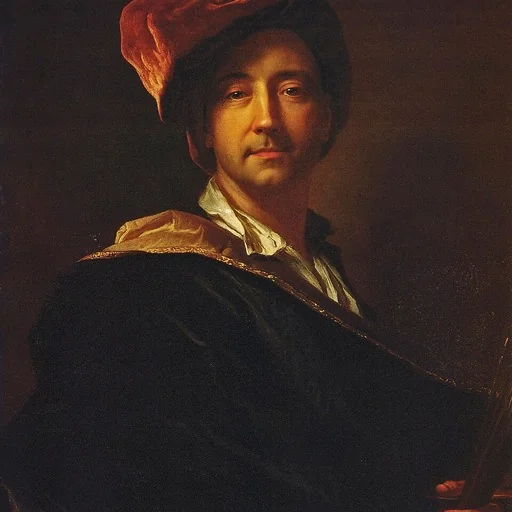
Jacint Rigau-Ros i Serra (Catalan pronunciation: ; 18 July 1659 – 29 December 1743), known in French as Hyacinthe Rigaud (pronounced ), was a Catalan-French baroque painter most famous for his portraits of Louis XIV and other members of…

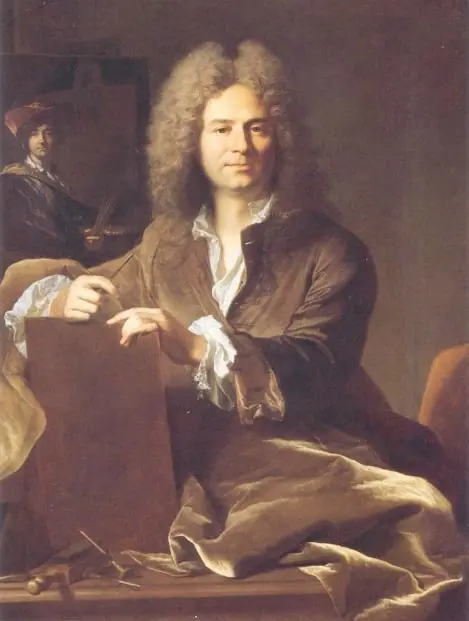 Portrait de Pierre Drevet
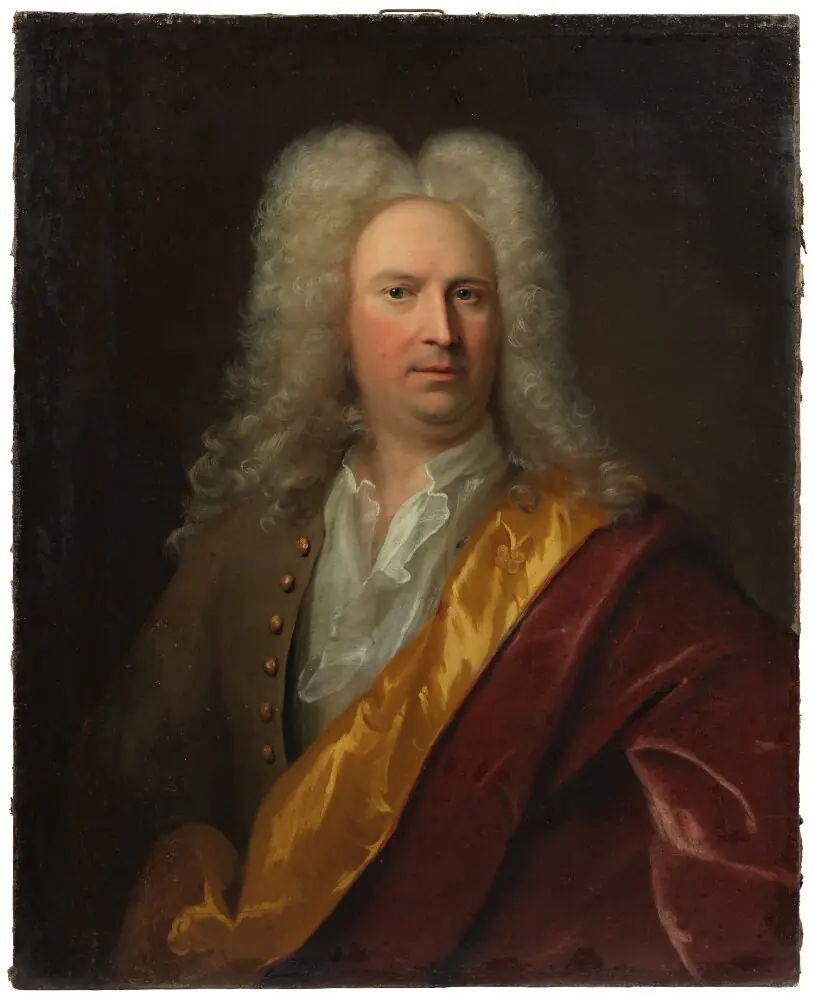 Abraham Grill the Older
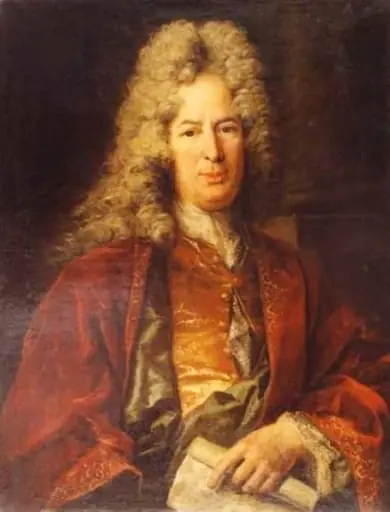 Johann Traugott von Seilen din Brașov
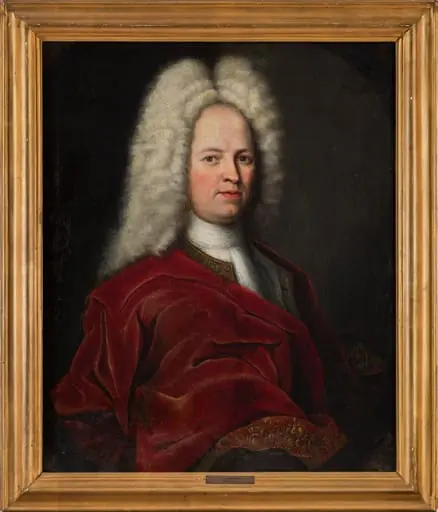 Valtiomies Georg Heinrich von Görtz
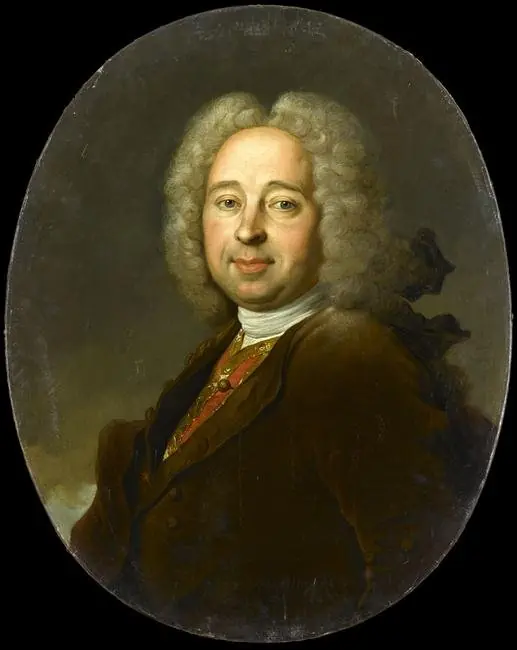 Jean-Baptiste Oudry (1686-1755)
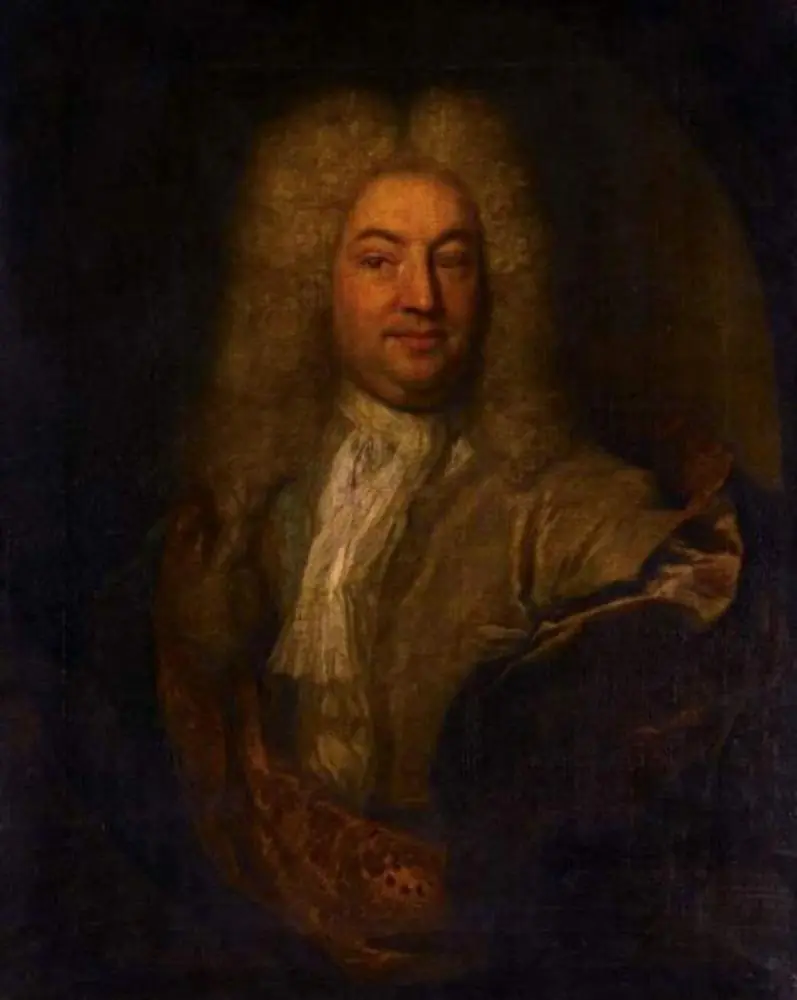 Portrait of Sir Matthew Decker, Bart
 Fredrik I, regele Suediei
 Michel Corneille l'Aîné (1642-1708)
 Portrait of a Man
 Bildnis des Pfalzgrafen Christian III. von Birkenfeld-Bischweiler-Rappoltstein (Werkstatt)