Artwork
Seated on a Rock Gazing at the Mists
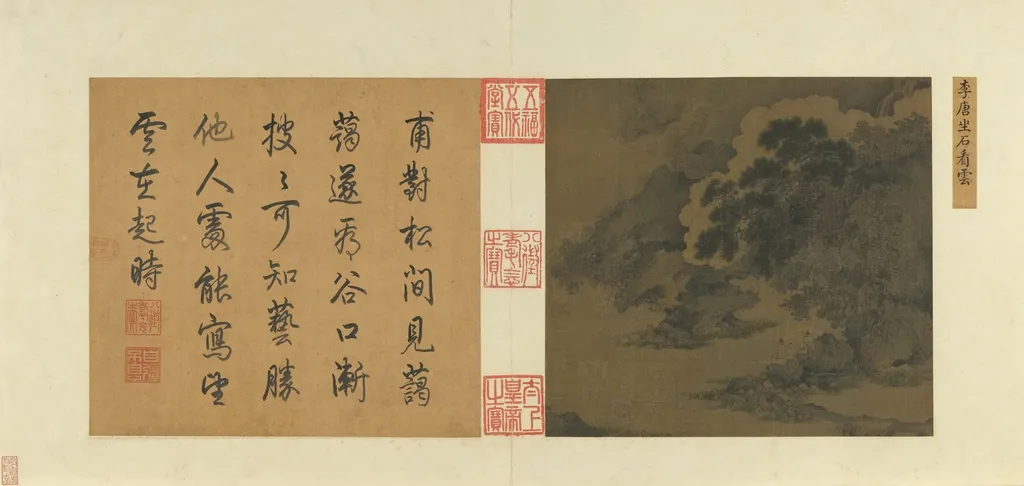
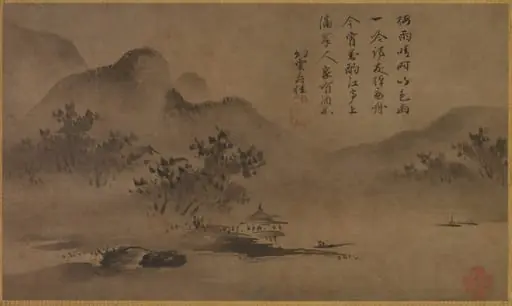
Seated on a Rock Gazing at the Mists is an unspecified painting by the Ming dynasty painting artist Li Tang. It is held in the collection of the National Palace Museum. This painting depicts a solitary figure seated on a rocky outcrop, gazing into a landscape veiled in mist.
About this work
Overview
This painting depicts a solitary figure seated on a rocky outcrop, gazing into a landscape veiled in mist. The composition emphasizes stillness and quiet observation, with the figure rendered in traditional attire against a softly graded background. The atmosphere is subdued and meditative, achieved through muted tones and delicate atmospheric perspective that dissolve the horizon into haze.
Subject & Meaning
Their stillness and inward focus suggest a moment of reflection, aligning with Daoist and Chan Buddhist ideals of harmony with the natural world.
The figure, likely a scholar or hermit, embodies a contemplative engagement with nature, a common theme in Chinese literati painting. Their stillness and inward focus suggest a moment of reflection, aligning with Daoist and Chan Buddhist ideals of harmony with the natural world. The mist symbolizes impermanence and the ineffable, inviting the viewer to share in the quietude of the scene rather than interpret it literally.
Technique & Style
The artist employs layered ink washes to build depth, allowing the mist to emerge gradually from the landscape rather than being outlined. Brushwork is restrained, with soft edges and minimal detail in the figure and surroundings, emphasizing mood over precision. The use of negative space and tonal gradation creates a sense of spatial recession, characteristic of Southern Song ink painting traditions.
History & Provenance
Though the painting’s exact origins are undocumented, its style aligns with the Southern Song dynasty (1127–1279), particularly the work of Li Tang and his followers. It reflects the courtly shift toward intimate, lyrical landscapes after the loss of northern territories, when artists turned inward to express emotional and philosophical themes through nature.
Context
During the Southern Song period, landscape painting became a vehicle for personal introspection amid political instability. Scholars retreated into nature, both physically and artistically, using mist, solitude, and minimalism to convey inner states. This work fits within a broader cultural movement that valued restraint, ambiguity, and the spiritual resonance of the natural world over grandeur or narrative.
Legacy
The painting’s emphasis on atmosphere and emotional resonance influenced later generations of Chinese and Japanese ink painters. Its quiet aesthetic helped define the literati ideal of painting as an extension of personal cultivation. While not widely known outside scholarly circles, it remains a representative example of how landscape could serve as a mirror for the soul.
Artist & collection
Artist
Li Tang painted misty mountain scenes on silk scrolls during China’s Northern Song Dynasty.

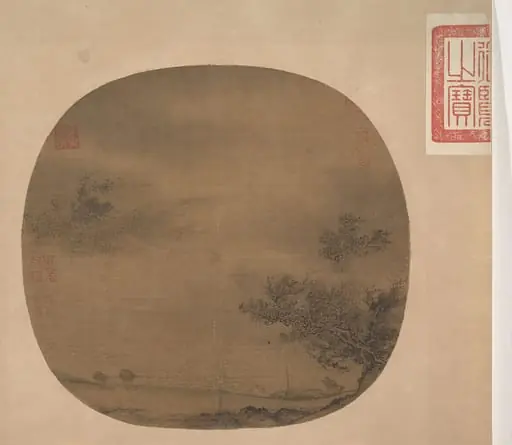 南宋 佚名 風雨拉縴圖 團扇|Towing a Boat in a Rainstorm
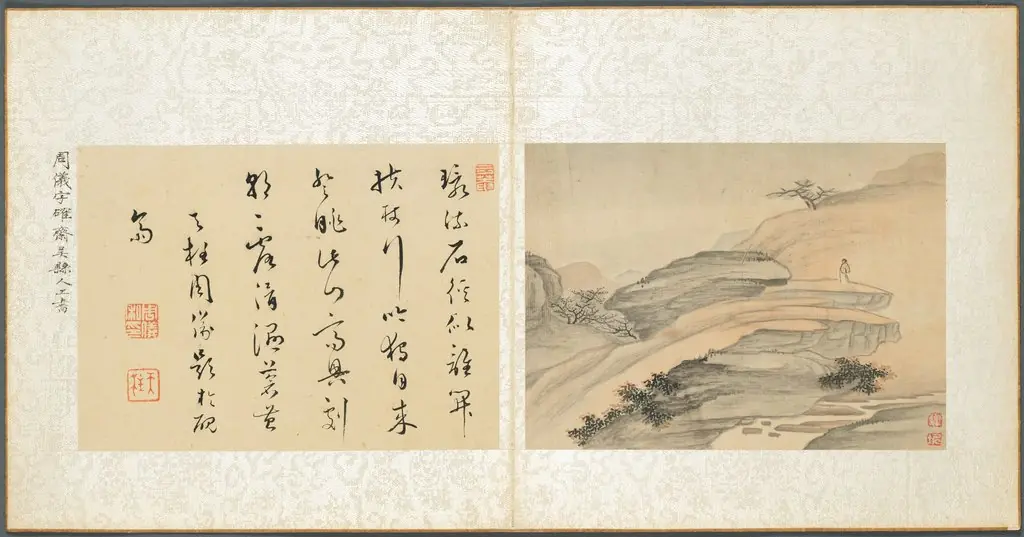 Album of Miscellaneous Subjects, Leaf 5
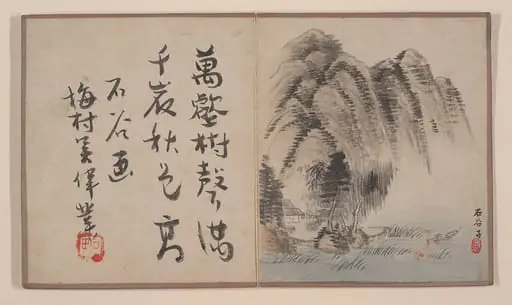 Untitled
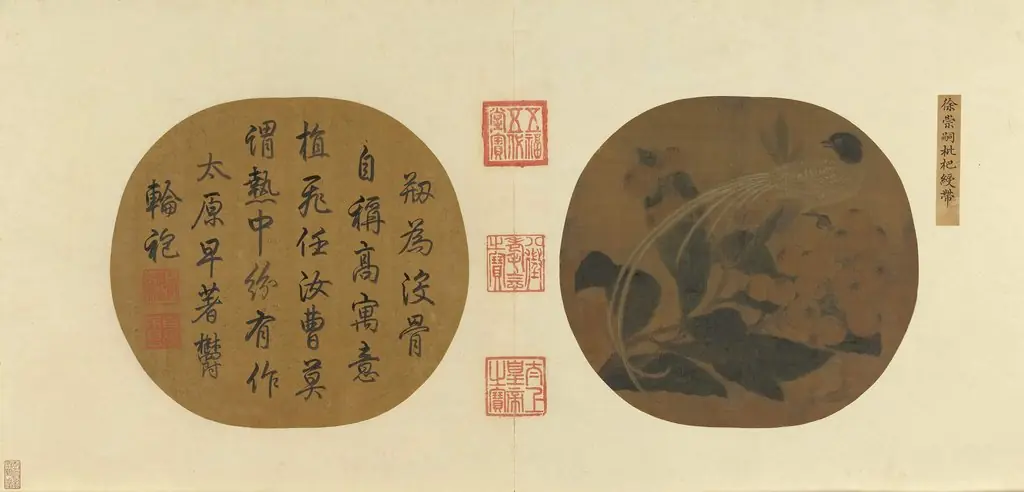 Flycatcher and Loquats
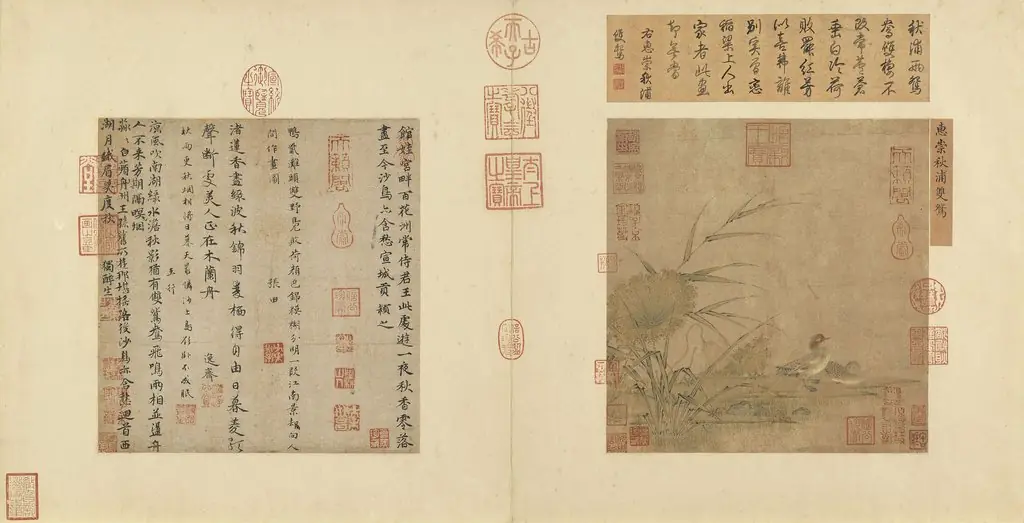 Pair of Mandarin Ducks on an Autumn Bank
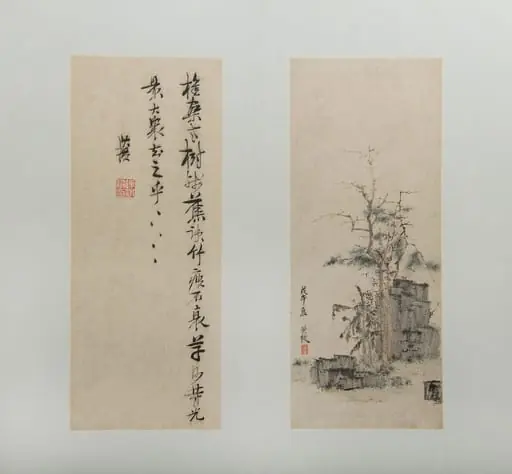 明/清 陳洪綬 山水人物花卉圖 冊|Landscapes, Figures, and Flowers
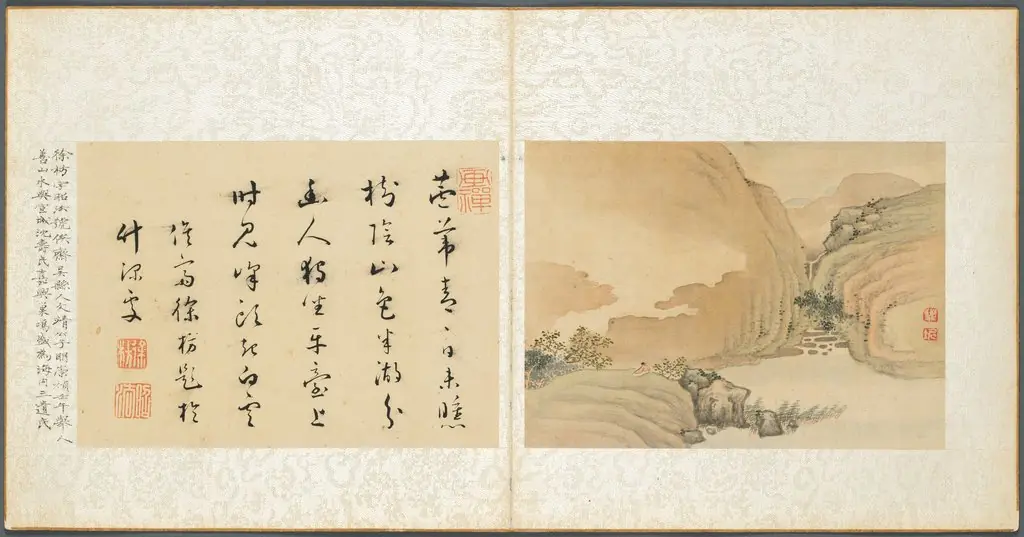 Album of Miscellaneous Subjects, Leaf 3
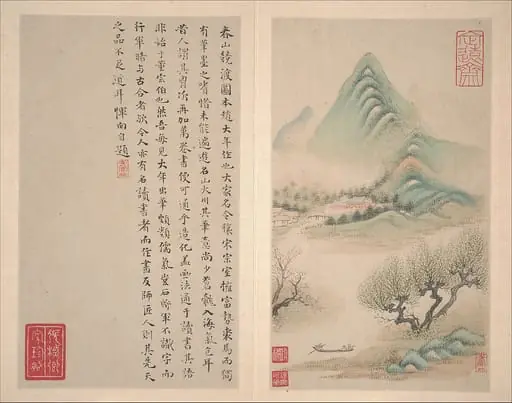 明/清 惲向 仿古山水圖 冊 紙本|Landscapes after old masters
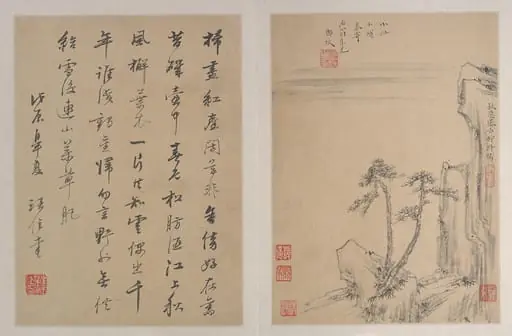 Untitled
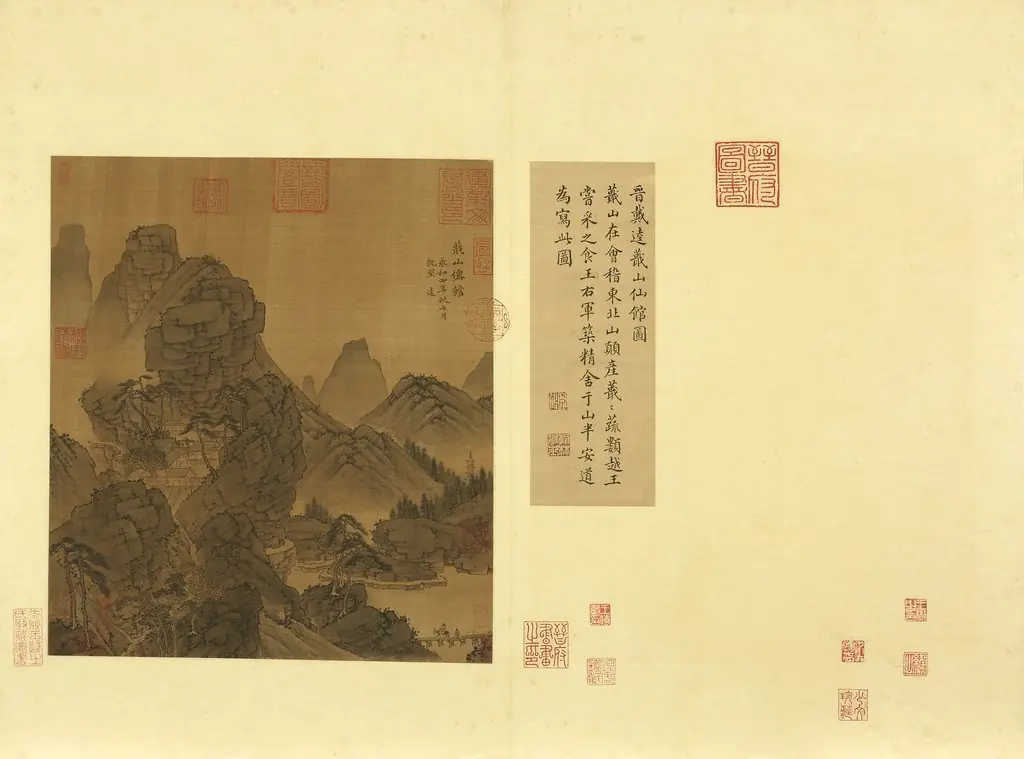 天下名山圖(亨) 冊 晉戴逵蕺山仙館圖
 Green Peaks
 Landscape