Artwork
Two Angels Carrying Torches
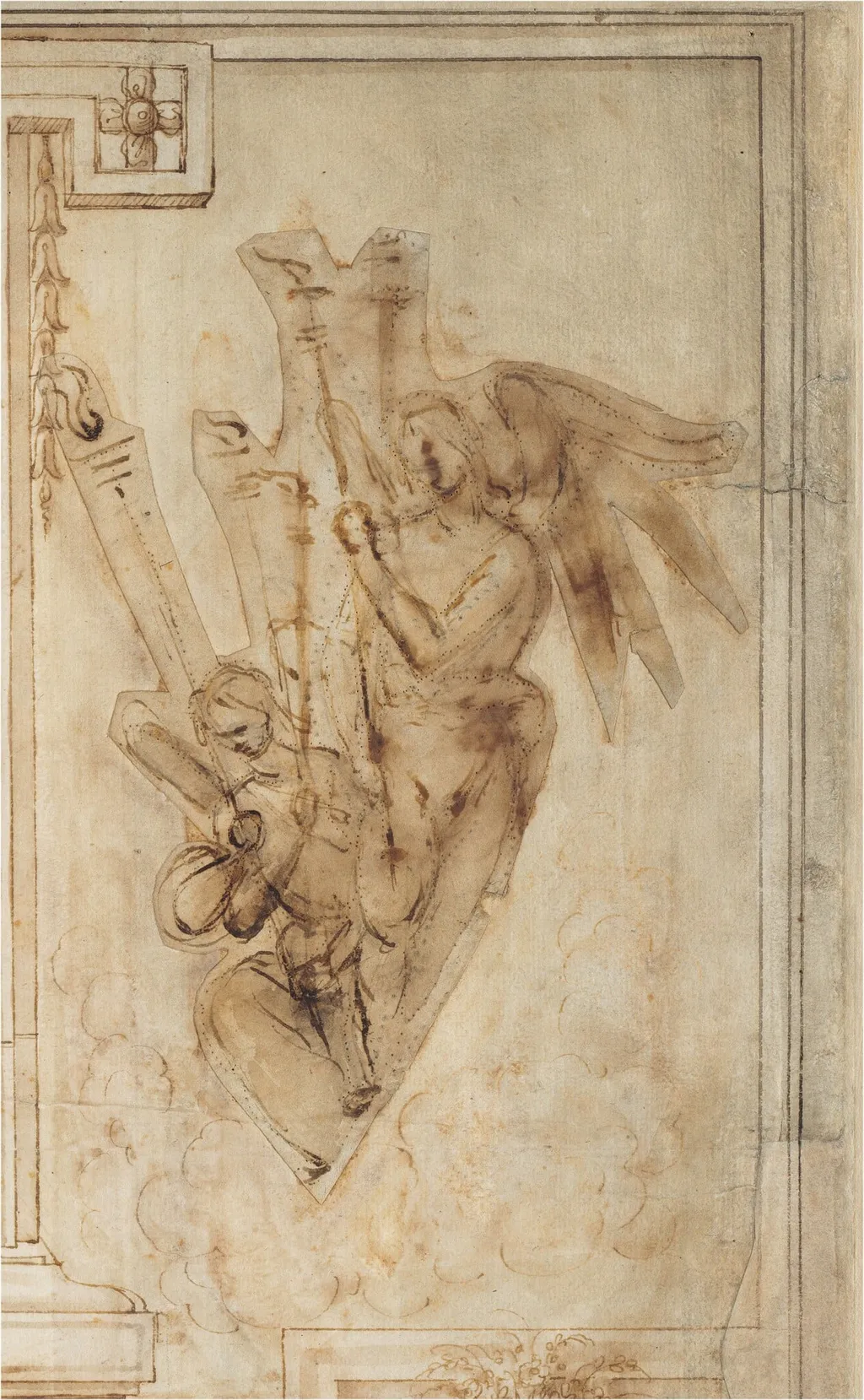
Two Angels Carrying Torches is an ink drawing by the Renaissance artist Filippino Lippi. It dates from 1501 and is held in the collection of the National Gallery of Art.
About this work
Overview
Filippino Lippi’s drawing *Two Angels Carrying Torches* dates to circa 1501. Executed with pen, brown ink and a brown wash on laid paper, the work records a pair of winged figures in a fleeting, gestural style. The image was pricked for transfer, indicating it served as a preparatory study for a larger composition.
Subject & Meaning
The composition depicts two angels suspended in space, each bearing a torch—one a tall, upright flame, the other a smaller, grasped light. While the faces remain indistinct, the emphasis on the torches suggests a symbolic role, perhaps alluding to illumination, divine presence, or a narrative moment within a larger religious scene.
Technique & Style
Lippi employs swift, sketchy lines to render musculature, feathered wings and the drapery of the angels’ garments. Cross‑hatching builds subtle shadows, while the brown wash creates a muted tonal background that allows the inked forms to stand out without heavy modeling.
History & Provenance
Created during Lippi’s Florentine period, the drawing reflects his habit of producing detailed designs for subsequent frescoes, panels or prints. The pricked edges reveal its function as a transferable template, a common practice among Renaissance workshops for scaling up compositions.
Context
The work belongs to a phase when Lippi was engaged with both sacred commissions and secular allegories, integrating classical motifs within religious narratives. Studies such as this illustrate how Renaissance artists combined preparatory drawing with inventive composition before committing to final media like tempera or fresco.
Artist & collection
Artist
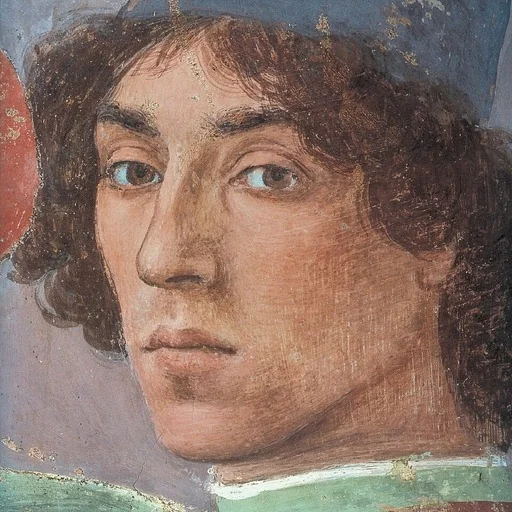
Filippino Lippi (probably 1457 – 18 April 1504) was an Italian Renaissance painter mostly working in Florence, Italy during the later years of the Early Renaissance and first few years of the High Renaissance.

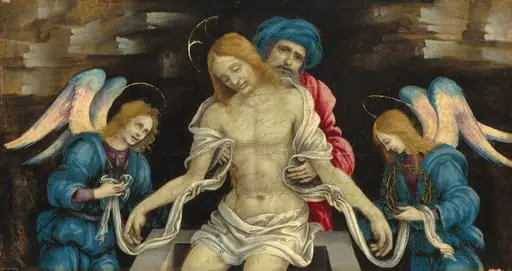 Pietà (The Dead Christ Mourned by Nicodemus and Two Angels)
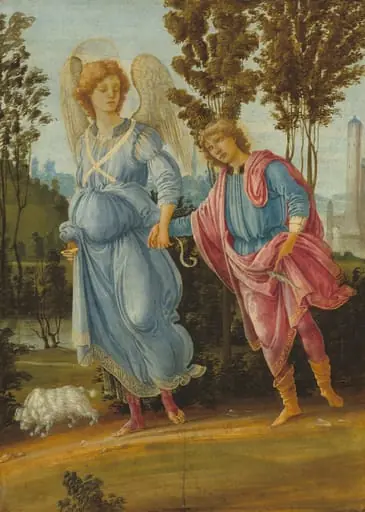 Tobias and the Angel
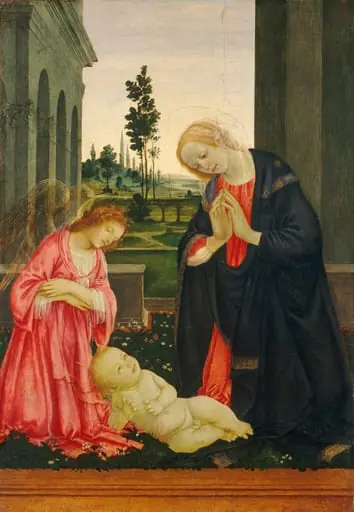 The Adoration of the Child
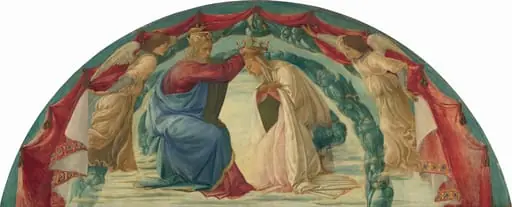 The Coronation of the Virgin
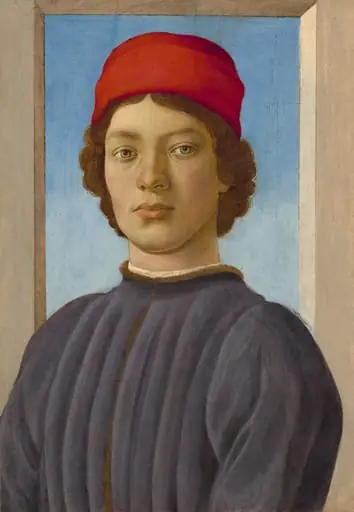 Portrait of a Youth
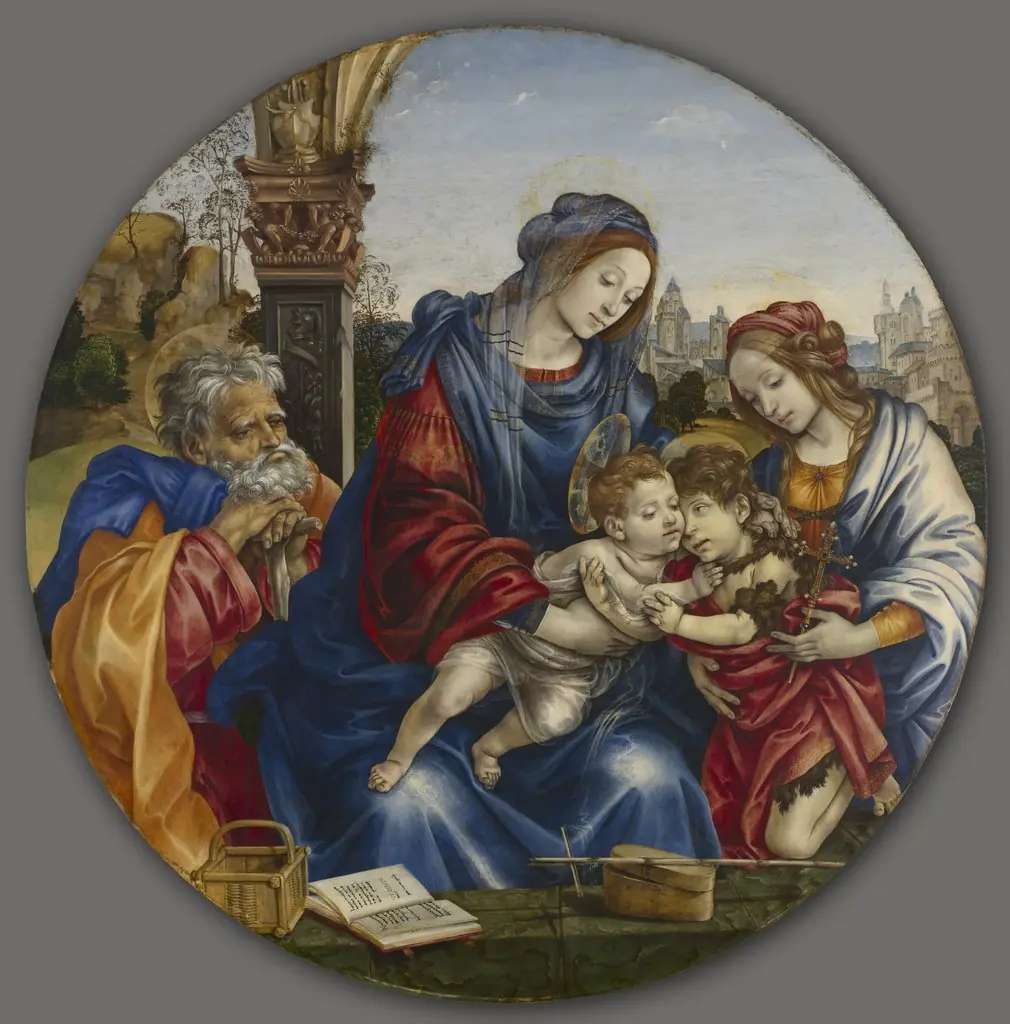 The Holy Family with Saint John the Baptist and Saint Margaret
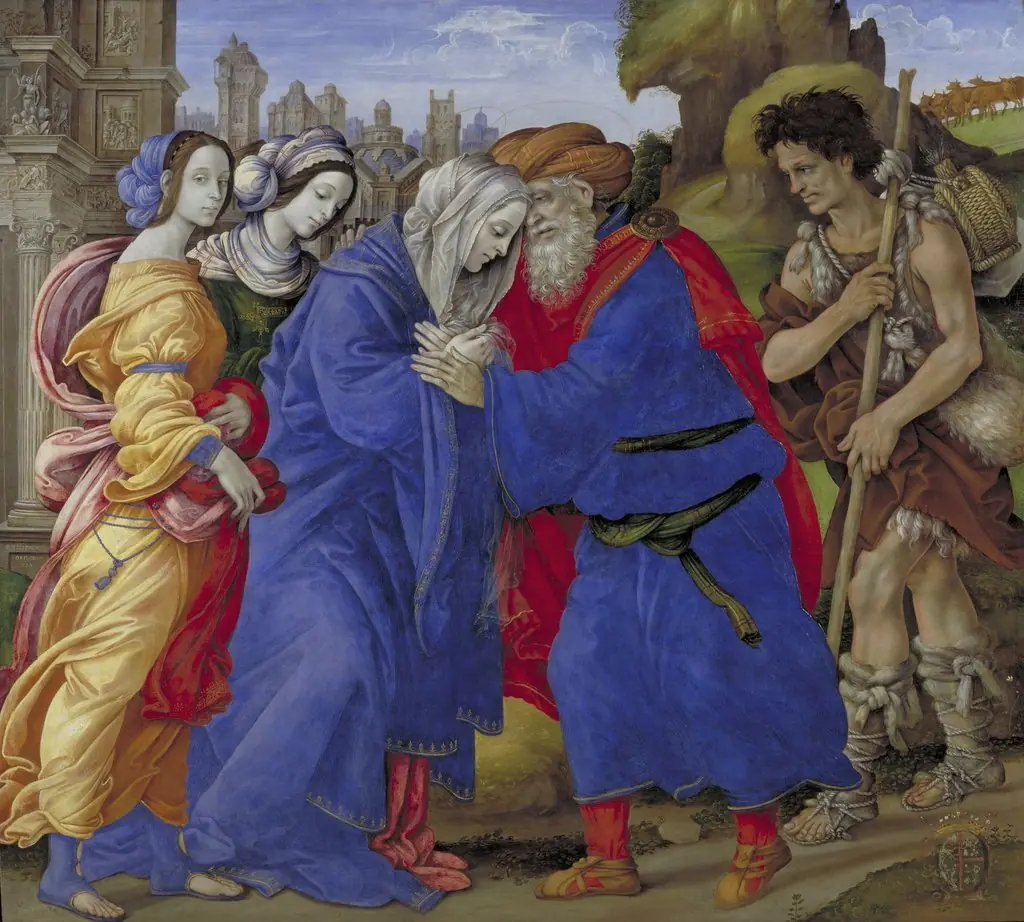 The Meeting of Joachim and Anne outside the Golden Gate of Jerusalem
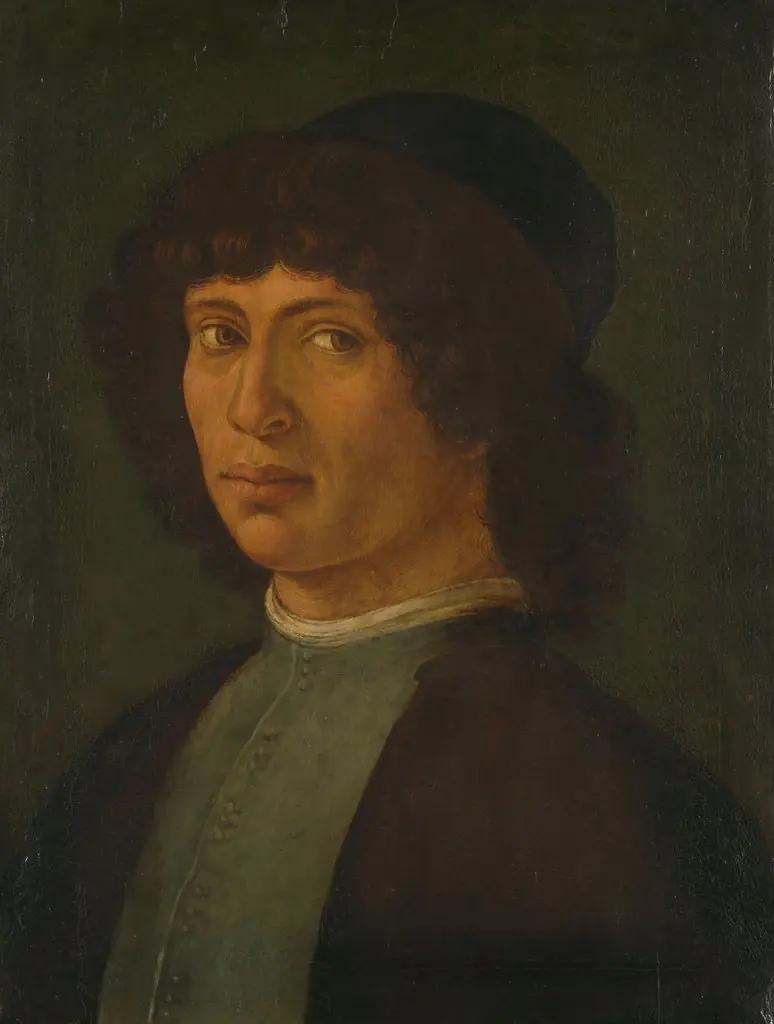 Portrait of a young man
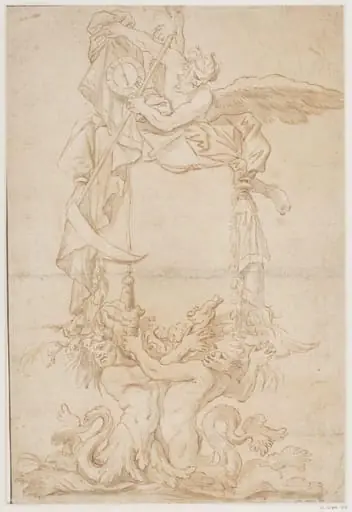 Ornamental design, probably for a title page: a figure of Time resting on a cartouche held up by a pair of tritons and holding a clock
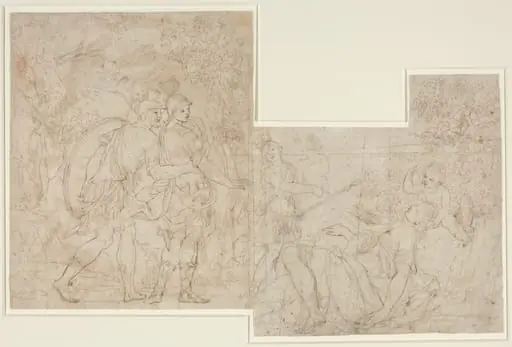 Three Soldiers Discovering a Sleeping Woman
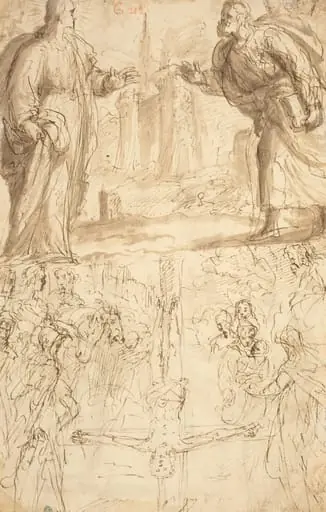 Crucifixion of Saint Peter
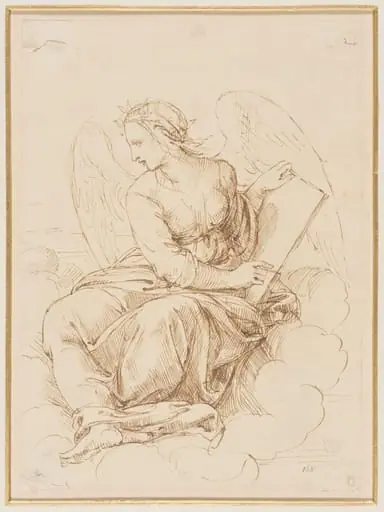 Design
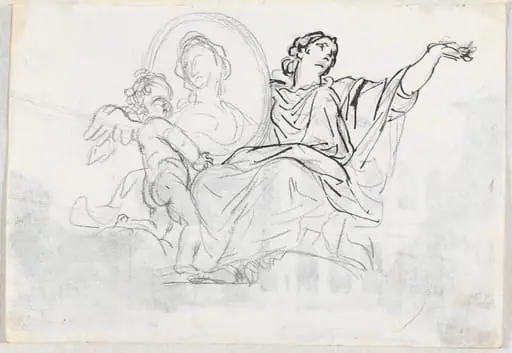 Woman and Putto with a Memorial Portrait
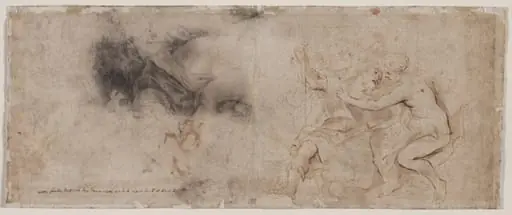 Venus Disarming Mars, Drapery Study (verso)
 Ganymede
![The Ecstasy of Saint Francis [recto], by Sebastiano Ricci](https://artifactworldgallery.com/img/sebastiano-ricci--the-ecstasy-of-saint-francis-recto--5f53f9b59775e5dd-w320.webp) The Ecstasy of Saint Francis [recto]
The Ecstasy of Saint Francis [recto]![Saint Matthew and Saint Jerome [verso], by Correggio](https://artifactworldgallery.com/img/correggio--saint-matthew-and-saint-jerome-verso--233cd3c0f2701d8c-w320.webp) Saint Matthew and Saint Jerome [verso]
Saint Matthew and Saint Jerome [verso]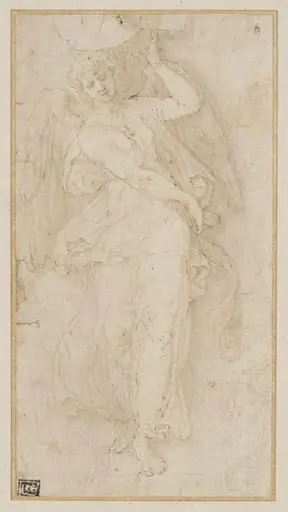 A nymph dancing