Artwork
Portrait of Charles Juste de Beauvau (1720-1793)
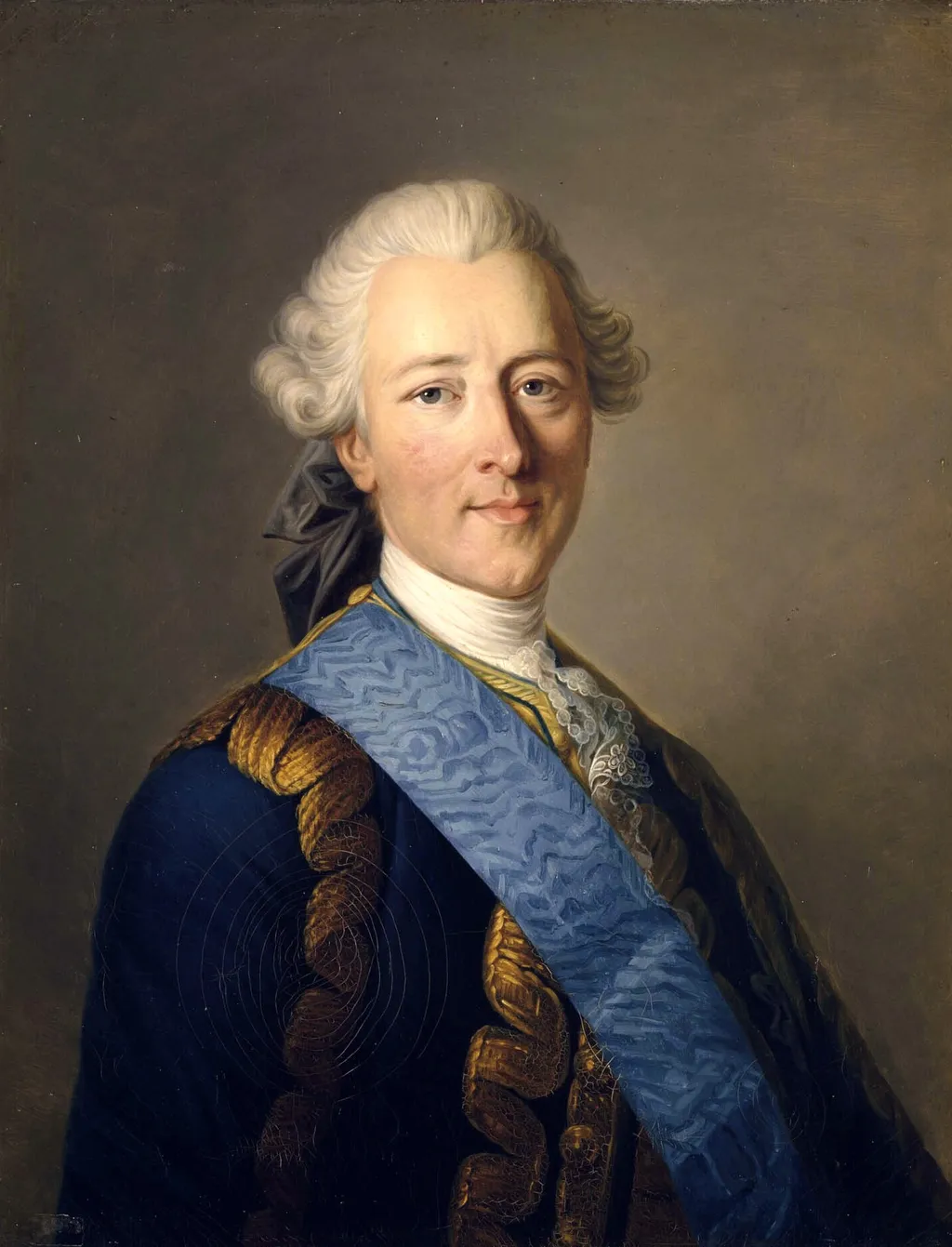
Portrait of Charles Juste de Beauvau (1720-1793) is an oil painting by Élise Bruyère. It dates from 1834 and is held in the collection of the Palace of Versailles.
About this work
If you're interested in learning more about the artist who created this piece, you might want to look up Élise Bruyère.
This portrait depicts a man with white hair, wearing a blue robe with gold accents and a white lace collar. The background is a muted brown color.
The man's attire and hairstyle suggest a formal or official setting, possibly from the 18th century. The artist's use of oil paint and attention to detail in the subject's clothing and accessories are notable.
If you're interested in learning more about the artist who created this piece, you might want to look up Élise Bruyère.
Overview
Painted in 1834 by Élise Bruyère, this oil portrait captures Charles Juste de Beauvau, a French nobleman and former military officer. Though Bruyère was active in the early 19th century, the subject’s attire and demeanor reflect an earlier era, suggesting the portrait was commissioned to honor his legacy rather than depict him in contemporary dress. The work resides in the Palace of Versailles, underscoring its connection to French aristocratic history.
Subject & Meaning
Charles Juste de Beauvau, born in 1720, was a member of a prominent noble family and served in the French military under Louis XV. The portrait presents him in ceremonial attire, emphasizing his status and service. His white hair and composed expression convey age and dignity, while the formal setting and rich fabrics signal his continued association with courtly tradition, even decades after his active service.
Technique & Style
Bruyère employed oil paint with meticulous attention to texture, particularly in the lace collar and gold embroidery of the blue robe. The muted brown background isolates the figure, focusing attention on his attire and facial detail. Her training under Augustin and van Dael is evident in the refined handling of fabric and light, aligning the work with the precision of 18th-century portraiture, despite its 19th-century execution.
History & Provenance
The portrait entered the collection of the Palace of Versailles in the 19th century, likely as part of efforts to preserve the visual heritage of the French nobility. Its presence there suggests it was acquired not as a contemporary likeness but as a historical record. Bruyère, though not a court painter, was commissioned by families seeking to document lineage, making this work part of a broader tradition of aristocratic portraiture.
Context
Created during the July Monarchy, the portrait reflects a period when French elites sought to reaffirm their historical legitimacy amid political change. Bruyère, trained in academic traditions, catered to patrons valuing continuity. The depiction of an 18th-century noble in ceremonial dress, painted decades after his death or retirement, reveals a cultural preference for honoring past authority through visual representation.
Legacy
Élise Bruyère’s portrait of Beauvau remains a quiet testament to the persistence of aristocratic identity in post-revolutionary France. While not widely exhibited outside Versailles, it exemplifies how female artists of the period contributed to the documentation of elite culture. The work’s technical precision and historical specificity ensure its value as a record of both individual and social memory.
Own this work as a print
Artist & collection
Artist
Élise Bruyère (1776–1847) was a French painter who specialized in portraits and floral still lifes.

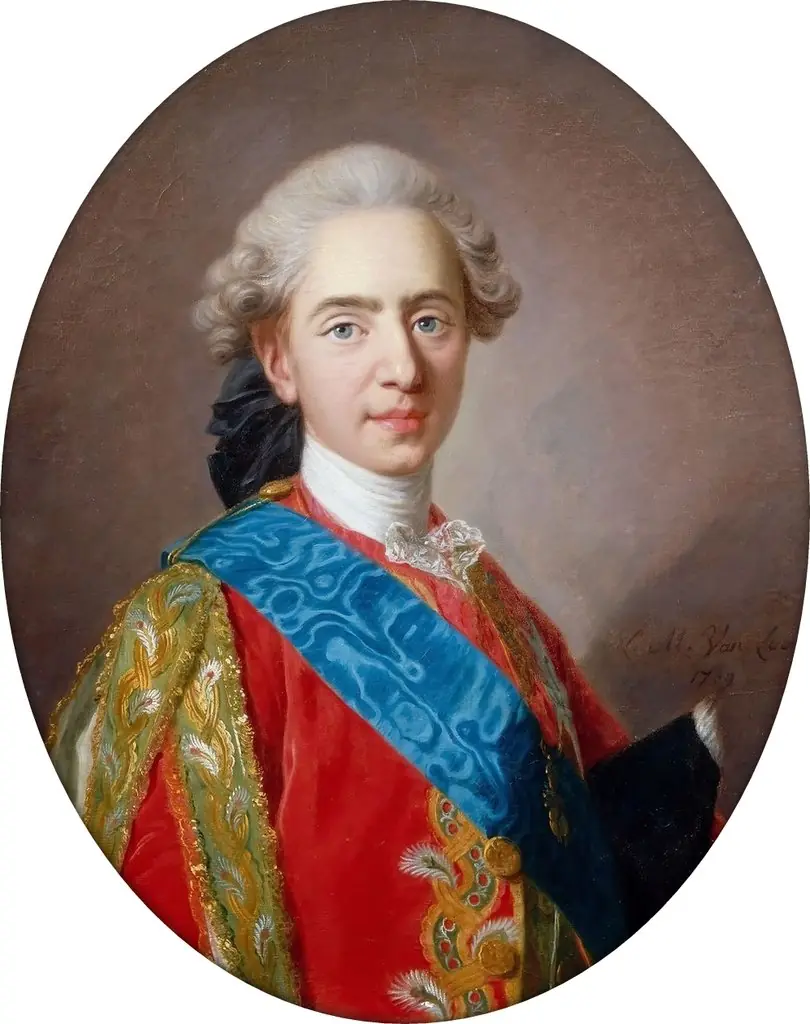 Louis XVI of France when he was the Dauphin of France.
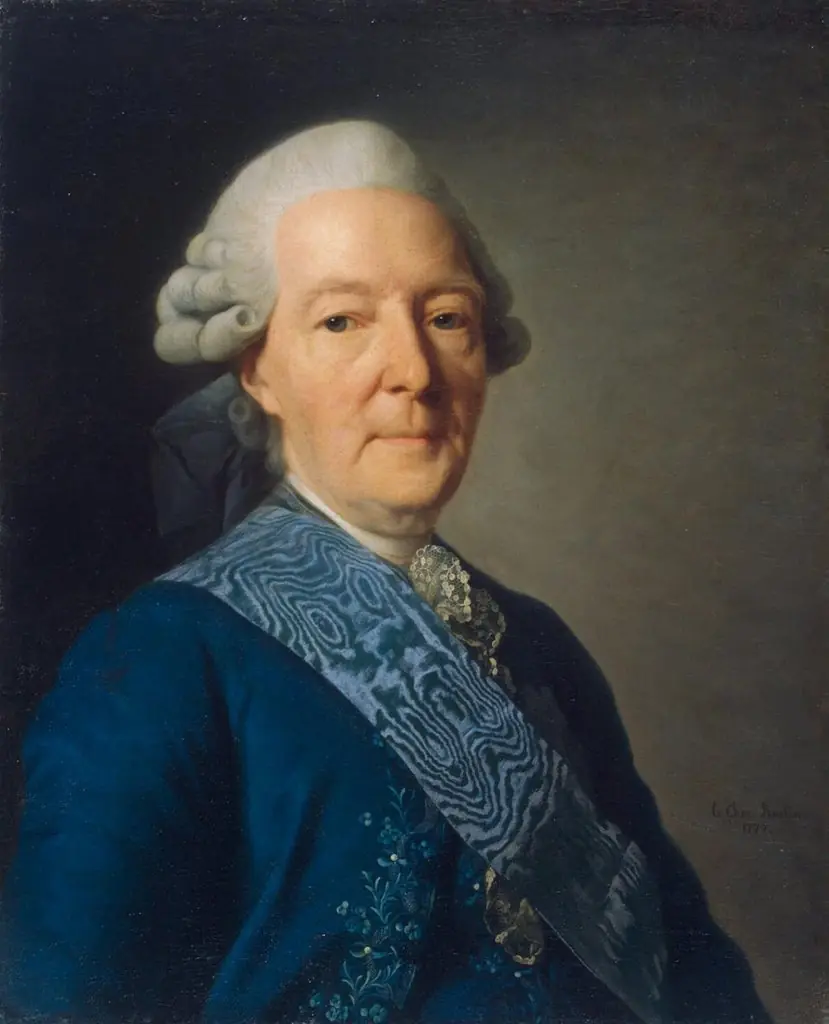 Portrait of Ivan Ivanovich Betskoi
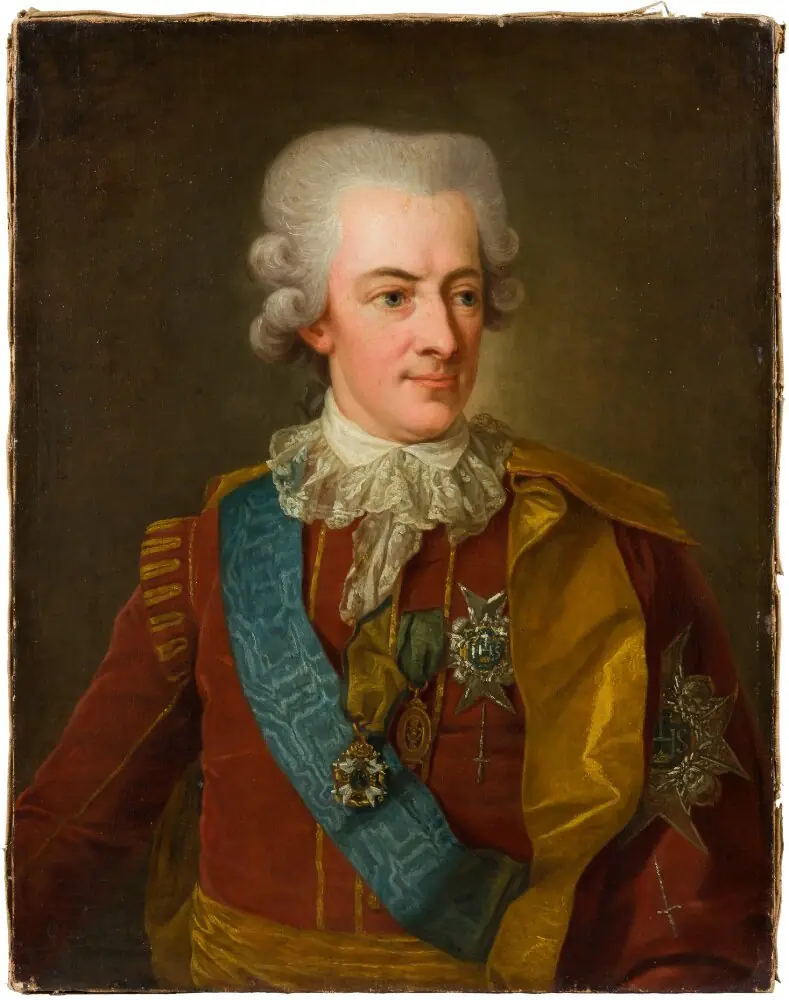 Gustav III (1746–1792), King of Sweden
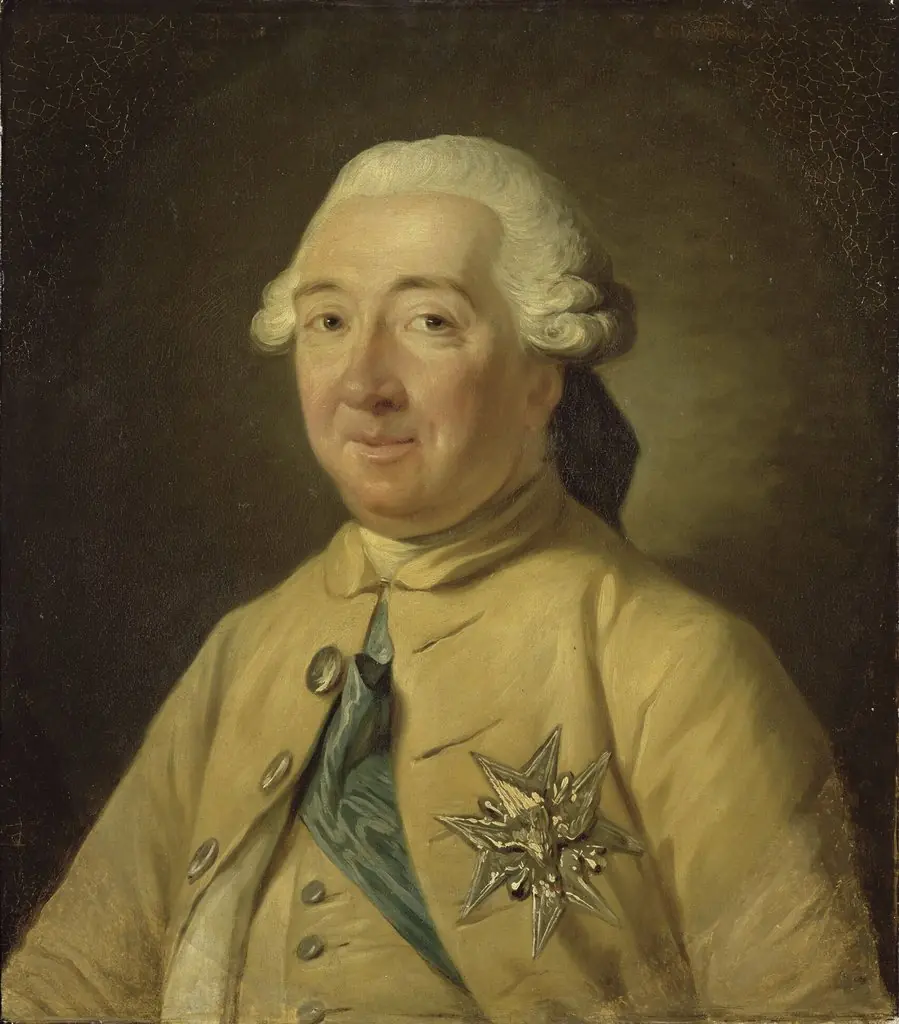 Portrait of Louis de Noailles, maréchal de France (1713-1793)
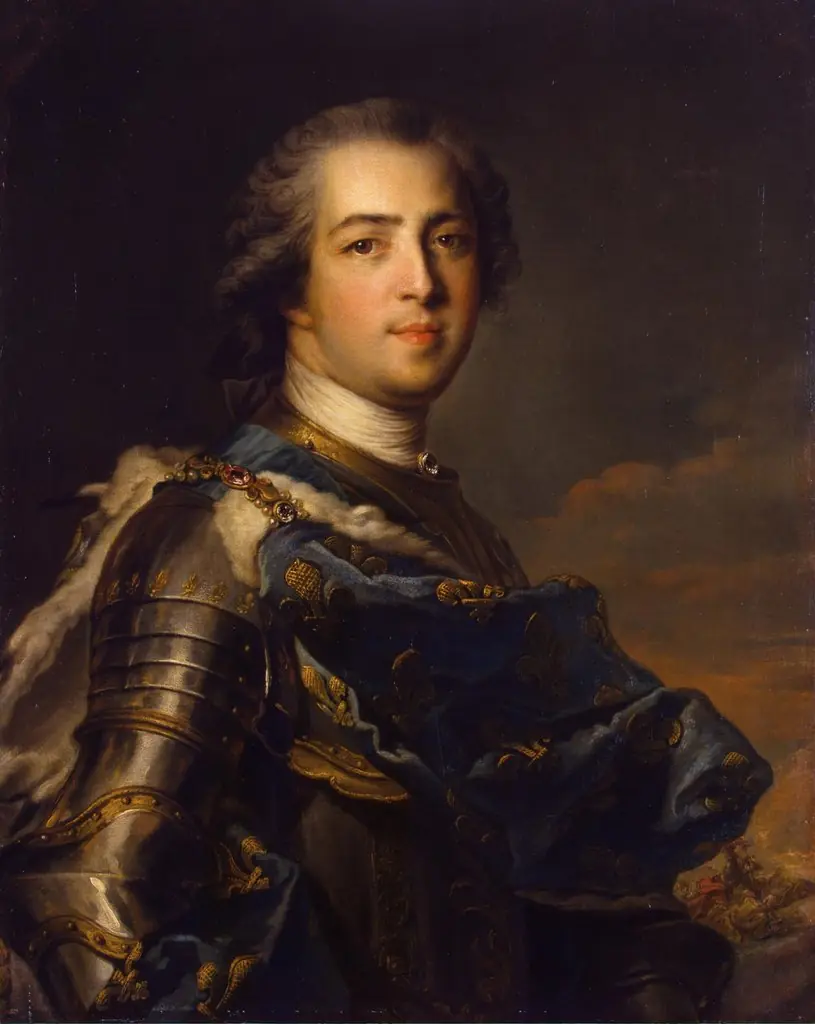 Portrait of Louis XV of France
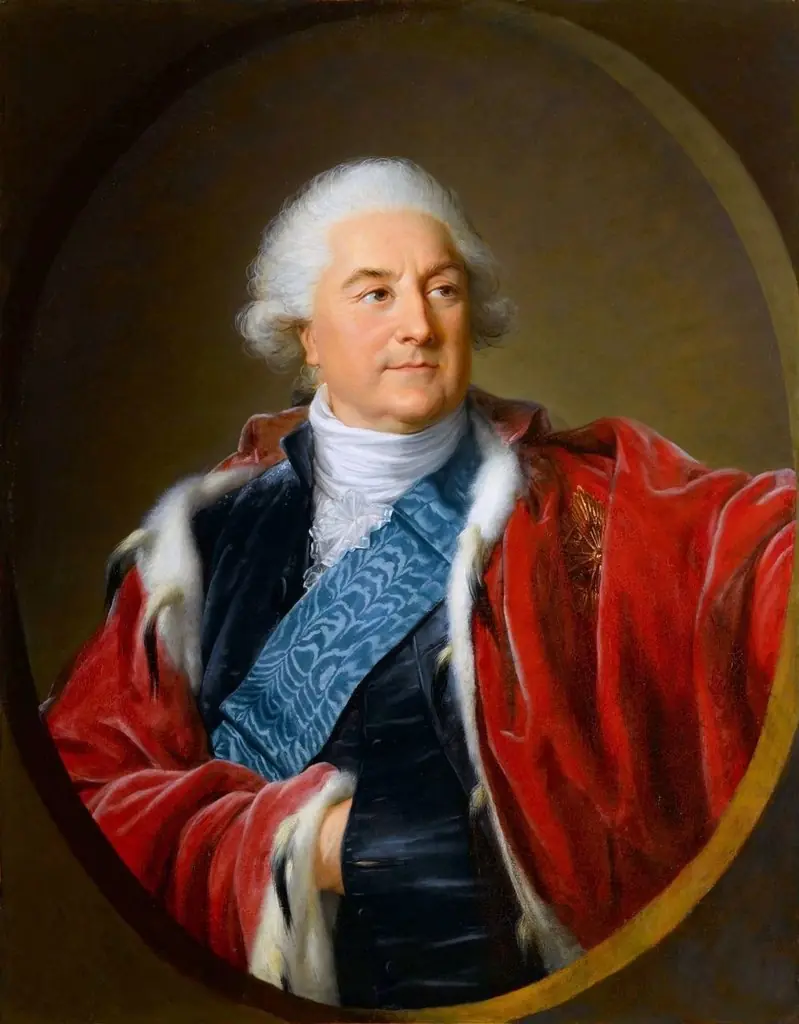 Portrait of Stanislaus Augustus Poniatowski, king of Poland
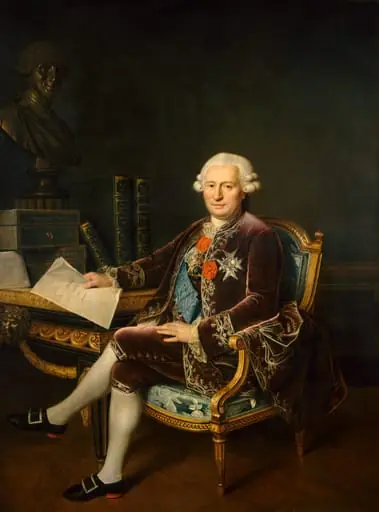 The Marquis d'Ossun
 Carl Gustaf Tessin (1695–1770), Count and Senator
 Emmanuel de Croy-Solre, Duke of Croy, Marshal of France (1718-1784)
 Portrait of Count Yuly Litta