Artwork
Leaping Carp
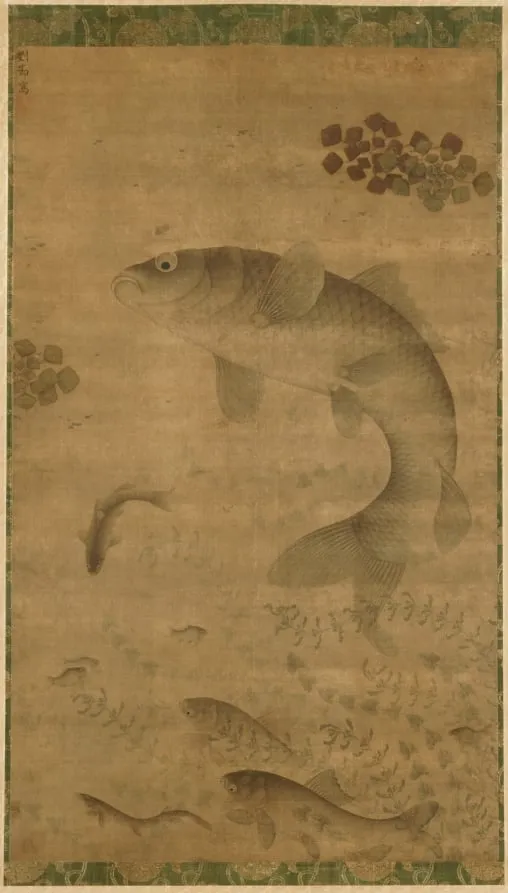
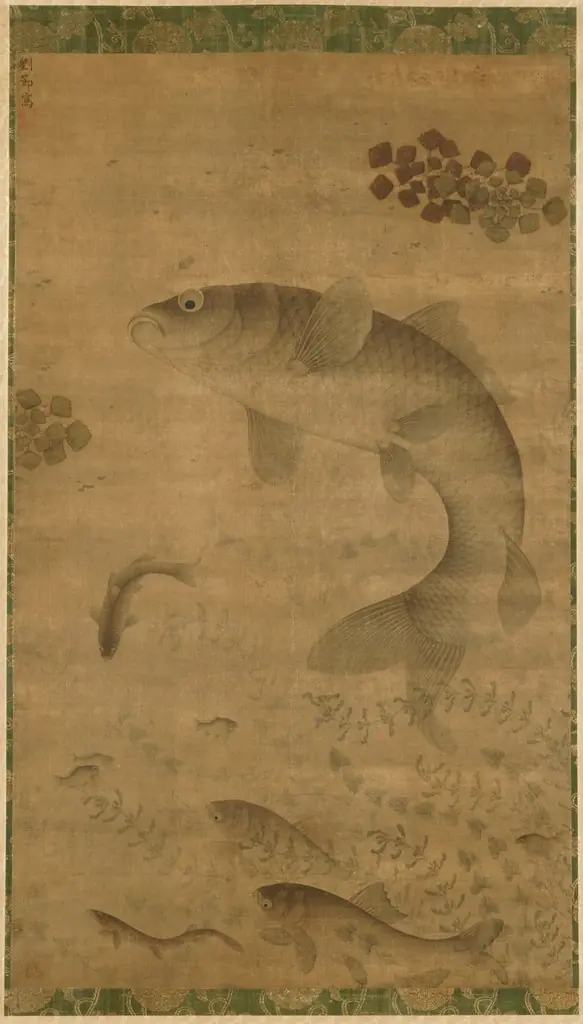
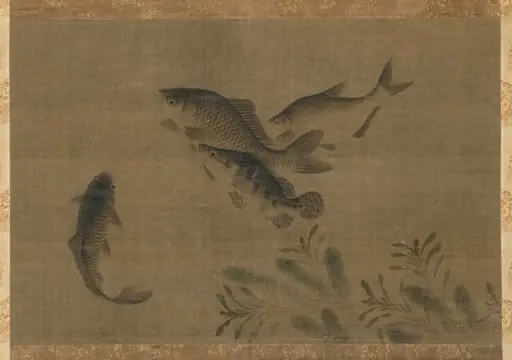
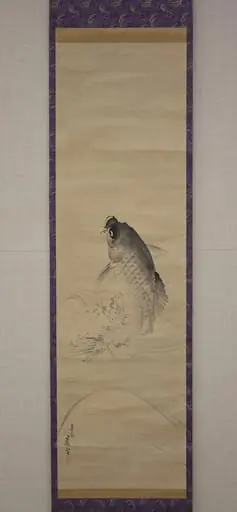
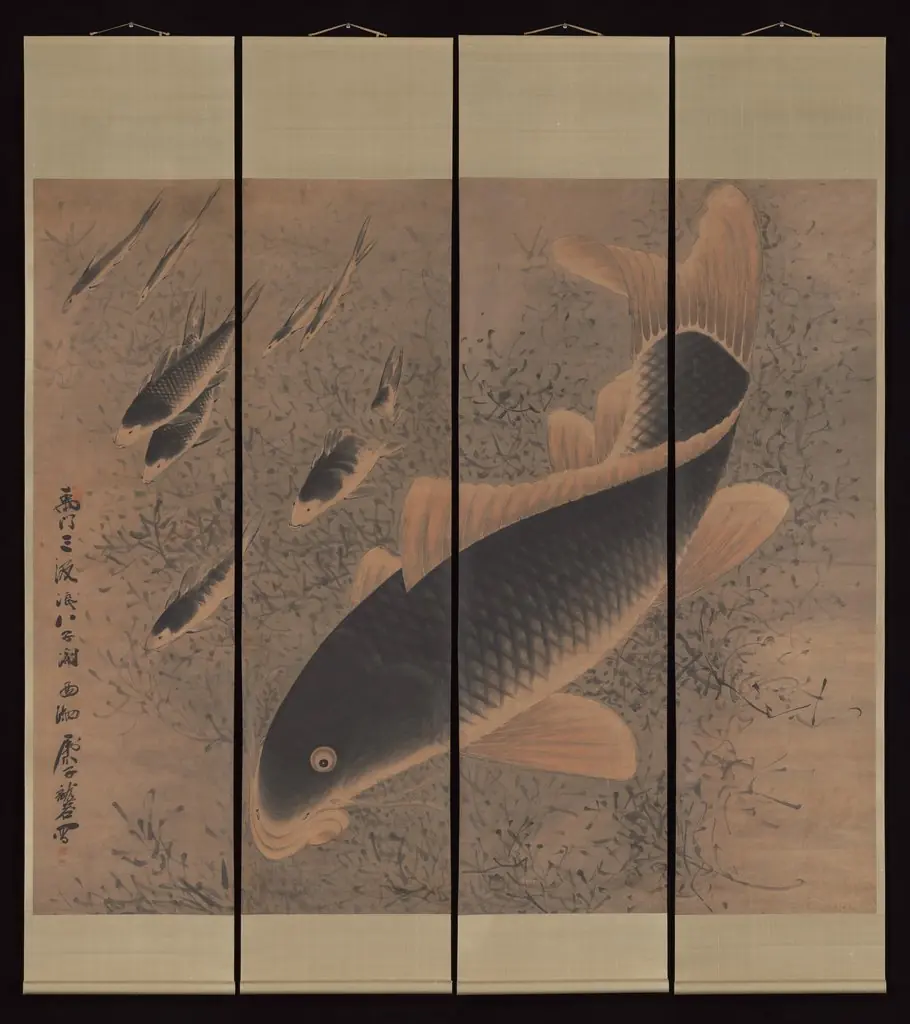
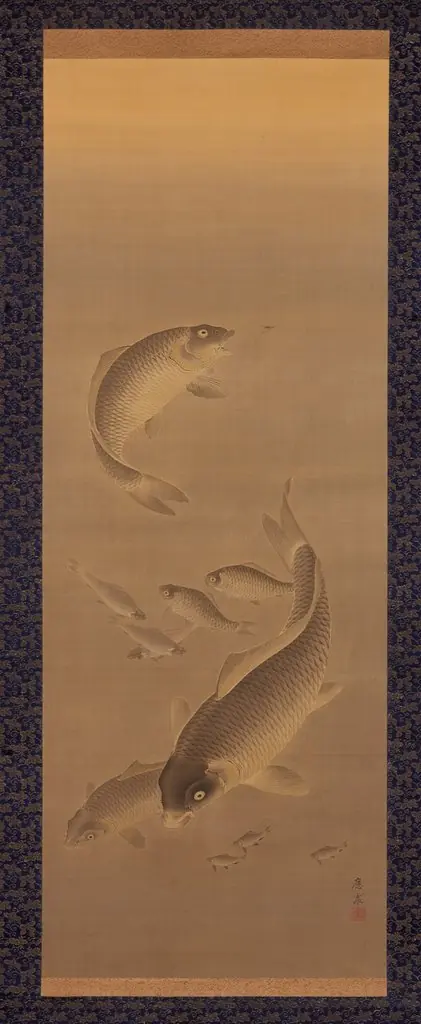
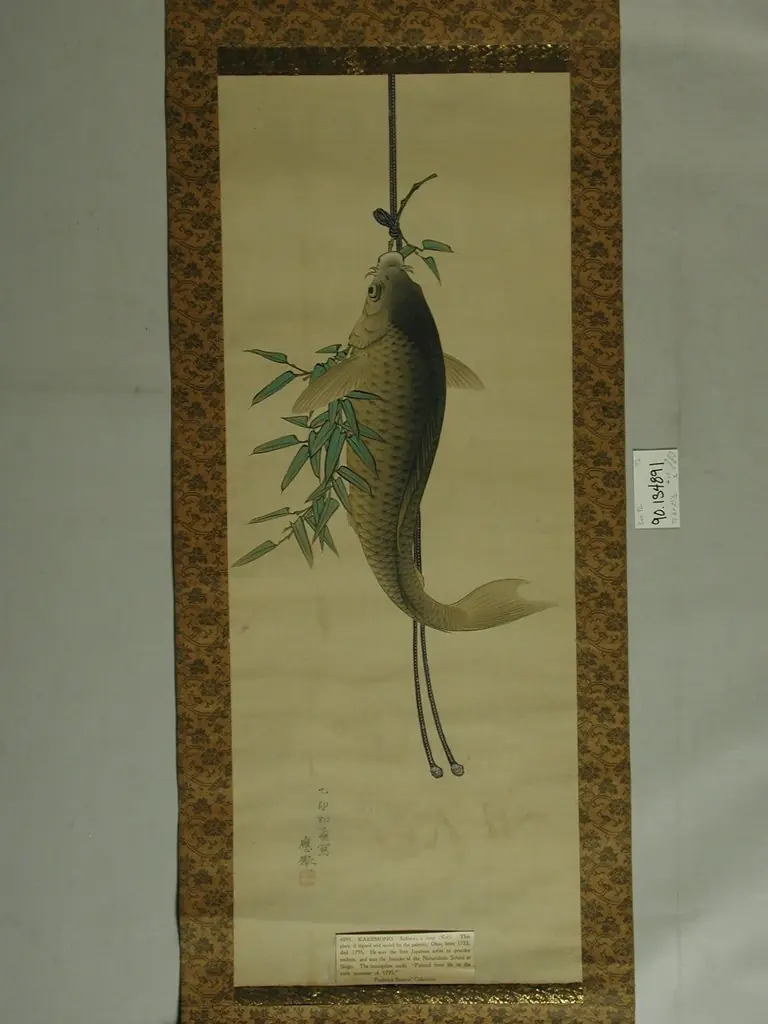
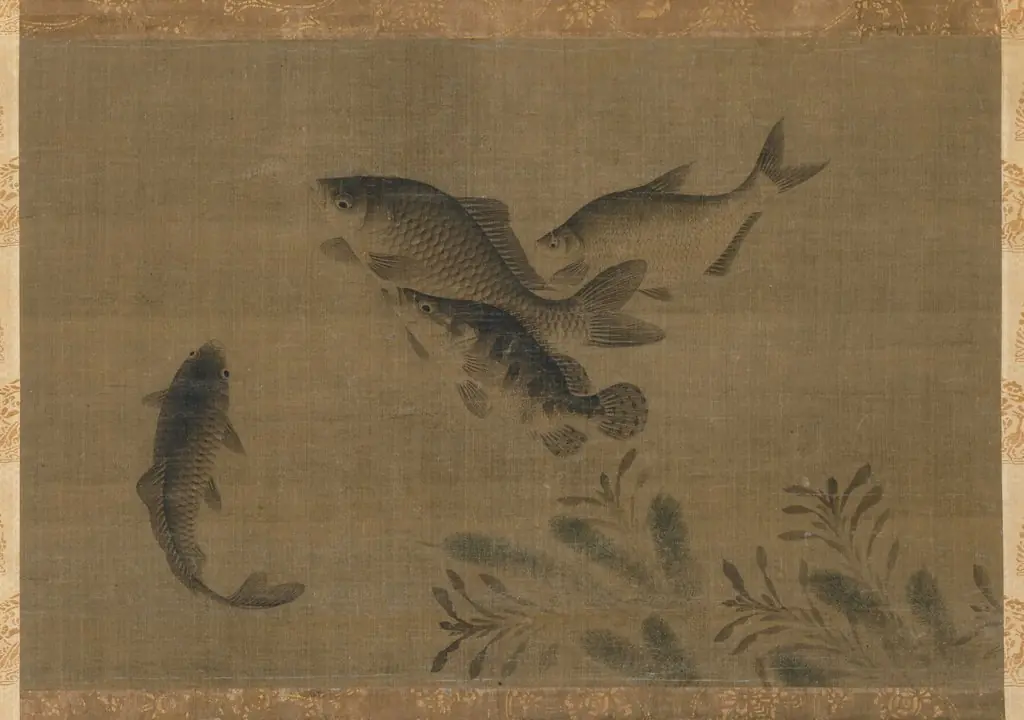
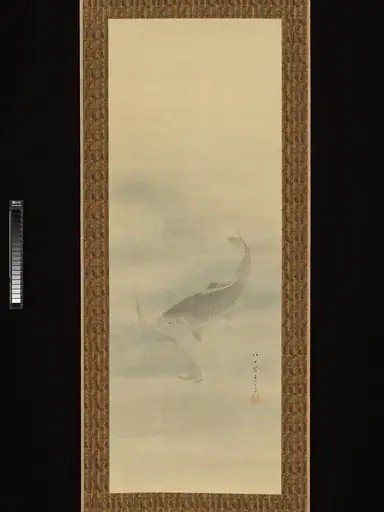
Leaping Carp is an unspecified painting by the Ming dynasty painting artist Liu Jie. It dates from 1506 and is held in the collection of the Cleveland Museum of Art. This ink-on-paper painting depicts two carp in dynamic motion, suspended mid-leap above subtle water ripples.
About this work
The carp are meant to bring good luck—Chinese myth says if a carp jumps the dragon gate, it turns into a dragon.
You see two carp twisting mid-air above a few ripples of water.
The carp are meant to bring good luck—Chinese myth says if a carp jumps the dragon gate, it turns into a dragon. The artist worked for the emperor, so he had to make every scale and fin look real. The ink is so thin in places it almost disappears.
Look up *china, ming dynasty (1368–1644)* to see more paintings of fish that double as wishes.
Overview
This ink-on-paper painting depicts two carp in dynamic motion, suspended mid-leap above subtle water ripples. Executed with precision and restraint, the work reflects the technical mastery of Liu Jie, a Ming dynasty court artist renowned for his aquatic subjects. The composition balances movement and stillness, with ink washes so delicate they verge on transparency, emphasizing the fish’s ethereal presence.
Subject & Meaning
The carp’s leap evokes the myth of the Dragon Gate, where a carp ascending a waterfall transforms into a dragon—a metaphor for scholarly achievement through the imperial examination system. Alternatively, the scene may represent filial devotion, with the larger fish leading its young in reverence toward heaven. Both readings align with Confucian ideals of merit and hierarchy, common themes in court-sponsored art.
Technique & Style
Liu Jie employed fine, controlled ink lines to define the carp’s scales and fins, while graded washes created volume and translucency. The ink’s varying opacity—sometimes nearly vanishing—suggests movement through water and air. The brushwork is exacting yet fluid, avoiding ornamentation in favor of naturalistic detail, characteristic of Ming court aesthetics that valued observation over symbolism.
History & Provenance
Painted during the Ming dynasty (1368–1644), the work originates from the imperial atelier where Liu Jie served as a court painter. His fish subjects were favored by the emperor for their technical rigor and symbolic resonance. The artist’s signature and seal, positioned in the upper left, confirm its attribution and official status, suggesting it was intended for palace collection rather than public display.
Context
Fish imagery, particularly carp, was a recurring motif in Ming court painting, symbolizing aspiration and moral integrity. These works were not merely decorative but carried layered meanings tied to Confucian values and state ideology. Liu Jie’s focus on aquatic life reflected a broader cultural fascination with nature as a mirror of human virtue and cosmic order.
Legacy
Liu Jie’s approach influenced later generations of ink painters who sought to capture biological realism through minimal means. His carp compositions remain studied for their balance of technical discipline and poetic suggestion. Though few of his works survive, this piece exemplifies how court artists translated myth and nature into quiet, enduring visual statements.
Artist & collection