Artwork
A Carp
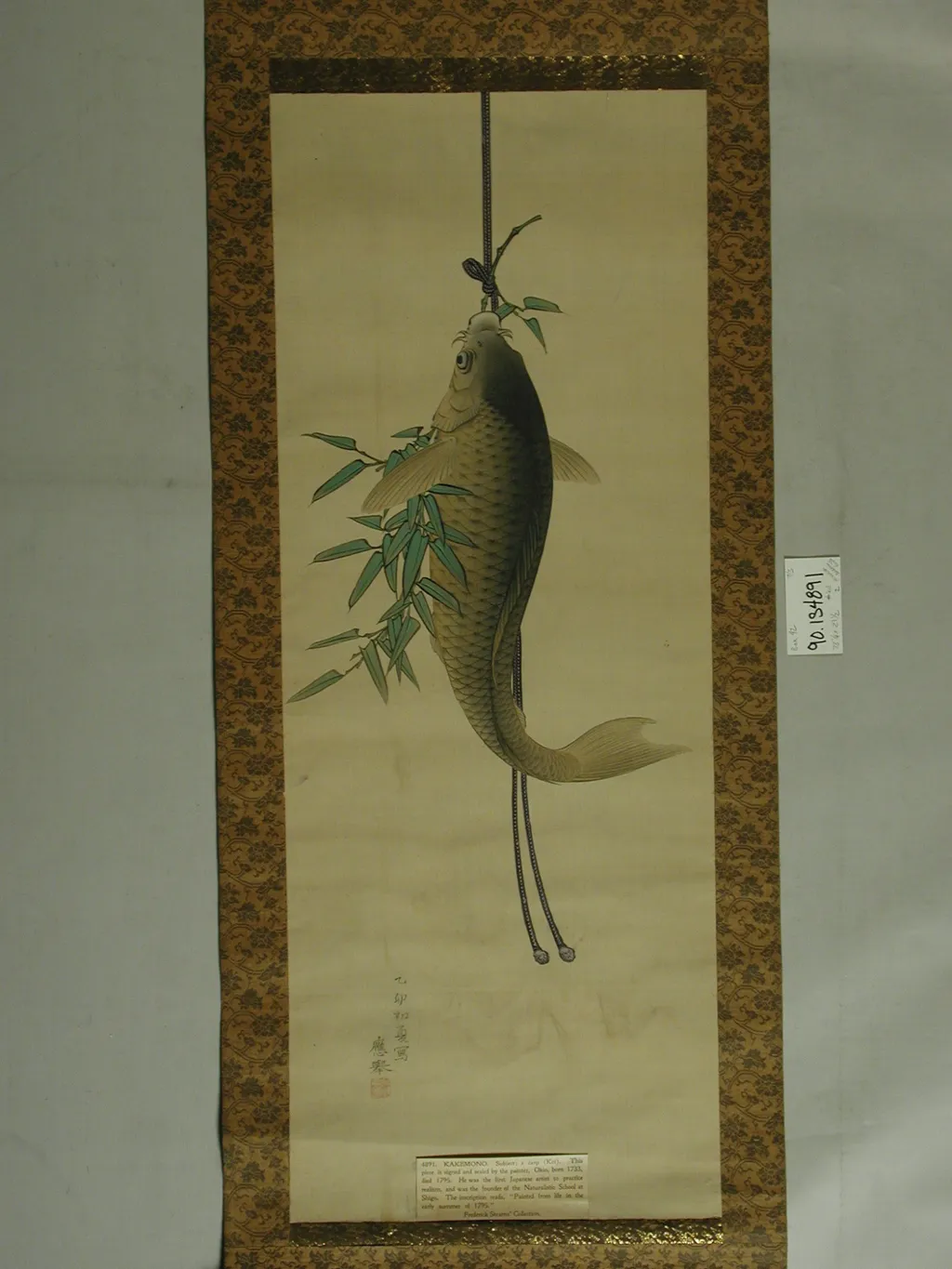
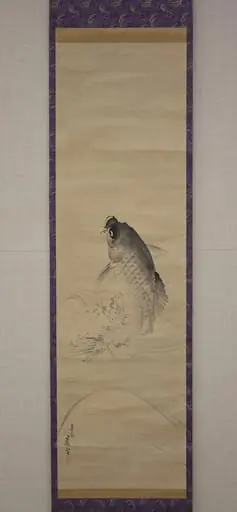
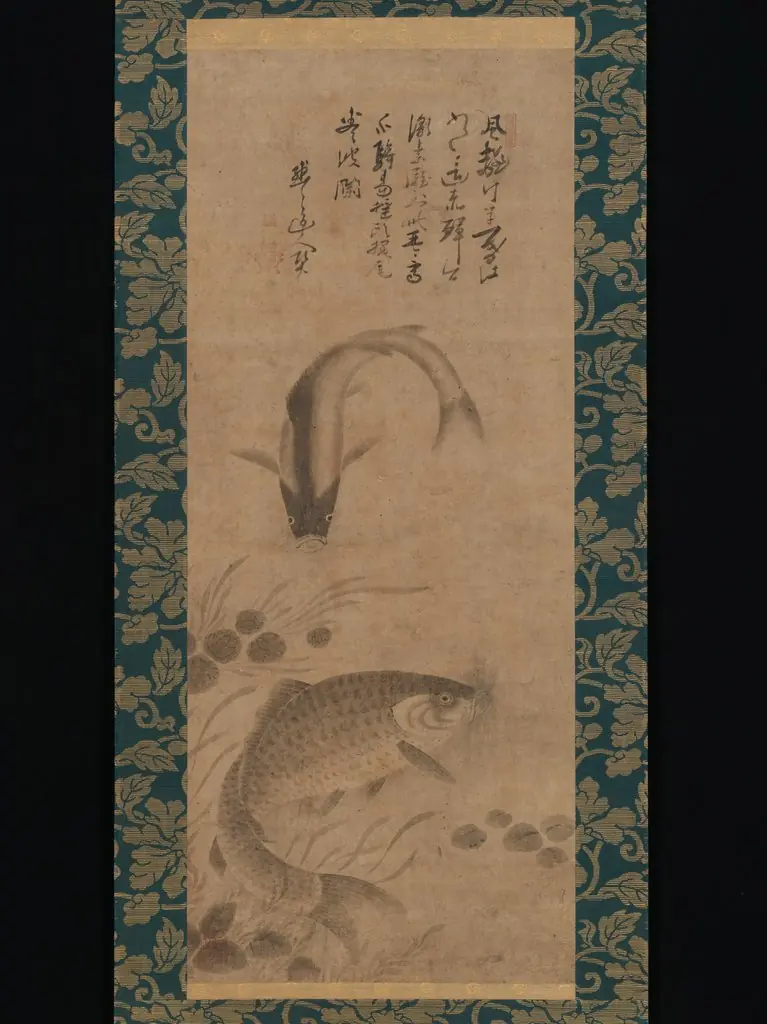
A Carp is an unspecified painting by the Rococo painting artist Unknown. It dates from 1751 and is held in the collection of the Detroit Institute of Arts. This painting presents a single carp suspended vertically by a rope, rendered with quiet realism on a vertical scroll format.
About this work
Overview
This painting presents a single carp suspended vertically by a rope, rendered with quiet realism on a vertical scroll format.
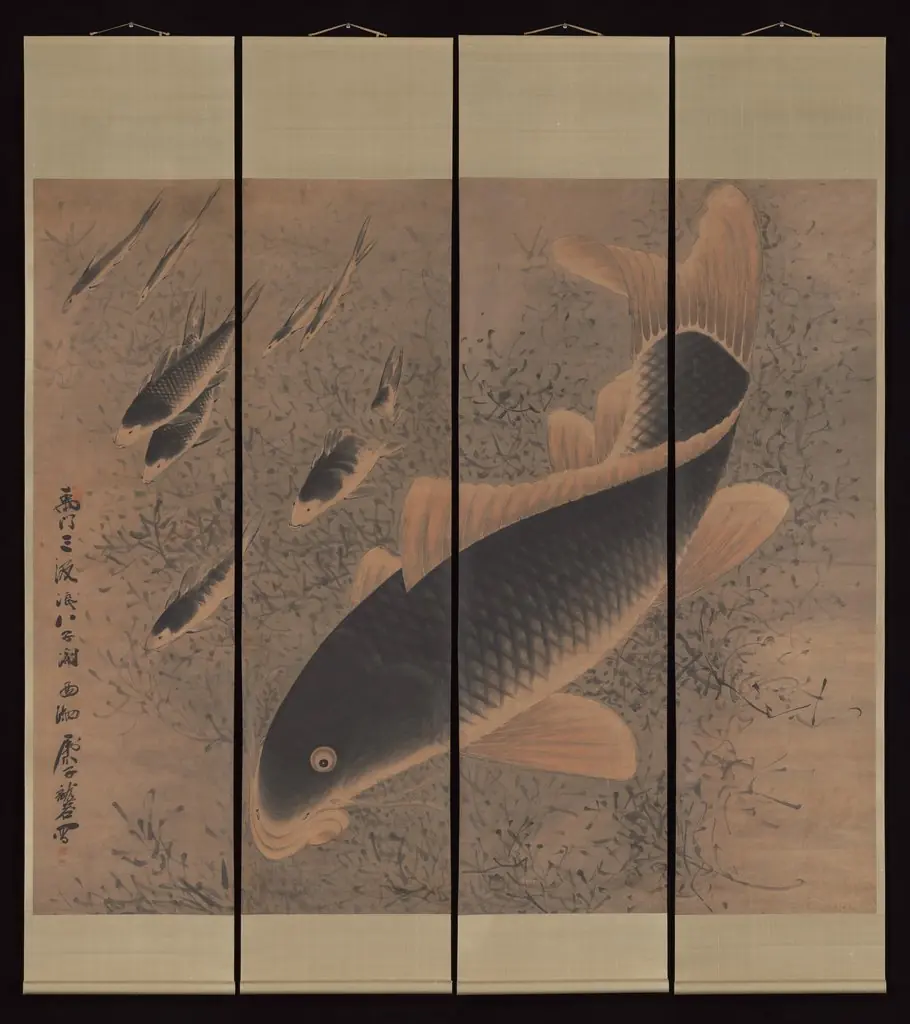
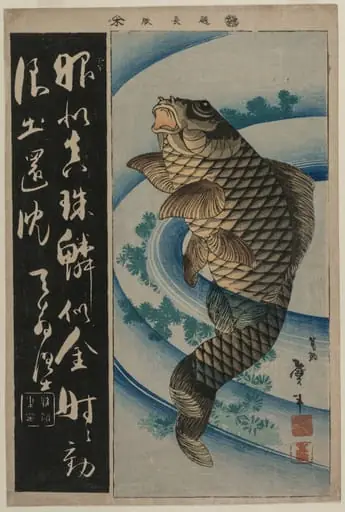
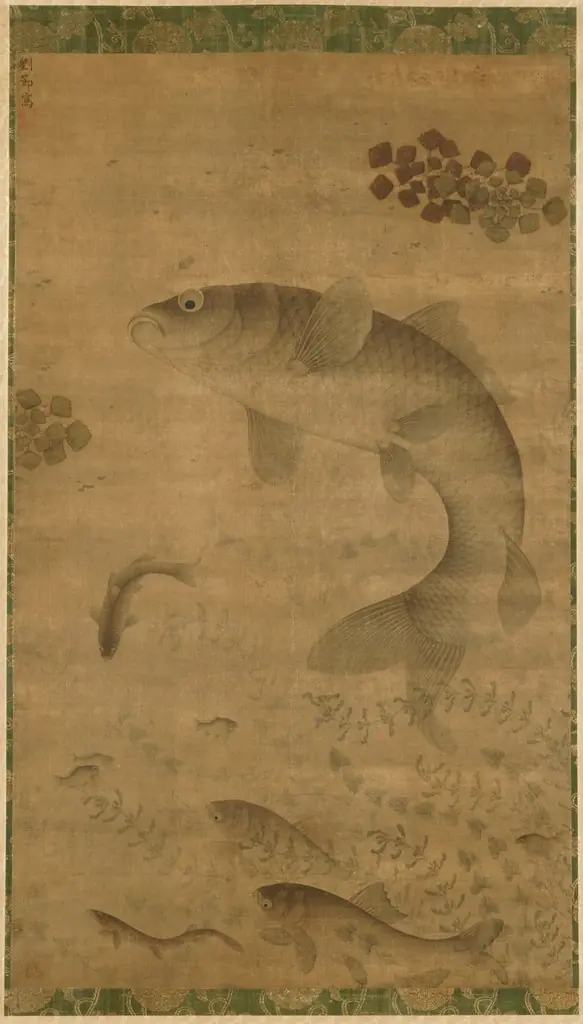
This painting presents a single carp suspended vertically by a rope, rendered with quiet realism on a vertical scroll format. The fish’s body, in muted browns and grays, shows careful tonal gradation to suggest volume. A slender sprig of bamboo is bound to the rope above its head, introducing a faint contrast in color and texture. The scroll’s background is a soft beige, framed by an ornamental border of interwoven floral and vegetal motifs, reinforcing its function as a refined object for contemplation.
Subject & Meaning
The carp, often associated with perseverance in East Asian traditions, is depicted not in motion but in stillness—suspended, lifeless. The inclusion of bamboo, a symbol of resilience, may suggest a quiet tribute to endurance amid hardship. The vertical orientation and restrained palette invite meditative focus, possibly reflecting themes of transience or spiritual ascent, common in Zen-influenced art of the period.
Technique & Style
The artist employed fine brushwork to model the carp’s form with subtle shifts in tone, avoiding harsh outlines in favor of atmospheric blending. The bamboo sprig is rendered with precise, ink-washed strokes, contrasting the fish’s smoother surfaces. The scroll’s decorative border was likely applied with stenciling or hand-painted detail, indicating collaboration or adherence to established workshop practices. The overall approach favors restraint over ornamentation.
History & Provenance
The scroll’s format, border design, and stylistic choices align with late medieval or early modern East Asian painting traditions, likely from a monastic or scholarly context. While no definitive provenance is recorded, similar works were often commissioned for private study rooms or temple altars. The preservation of the scroll’s original mounting and border suggests it was carefully maintained, possibly within a family or religious collection.
Context
During the period this work likely originated, depictions of fish in art often carried moral or spiritual connotations beyond mere naturalism. The vertical suspension may reference ritual offerings or seasonal customs. The scroll’s narrow form reflects a tradition of intimate, handheld viewing, contrasting with large wall paintings. Such works were valued for their quiet symbolism rather than public display.
Legacy
This painting exemplifies a quiet strand of East Asian art that privileges subtlety and symbolic restraint. Its influence can be seen in later ink-wash traditions that favored minimalism and spiritual suggestion over narrative detail. Though not widely reproduced, its aesthetic principles resonate in modern interpretations of still-life and contemplative composition within East Asian art circles.
Artist & collection

 Domestic Scene
 Giacomo and Cardinal Marco, investing Andrea, Abbot of San Zeno, with his Benefice
 The Nymph of Fontainebleau
 Portrait of a Woman
 Madonna and Child with Saints in the Enclosed Garden
 Venus and Minerva
 Family Group of Four on Sofa
 Wall painting from Room H of the Villa of P. Fannius Synistor at Boscoreale