Artwork
Lily and Butterflies
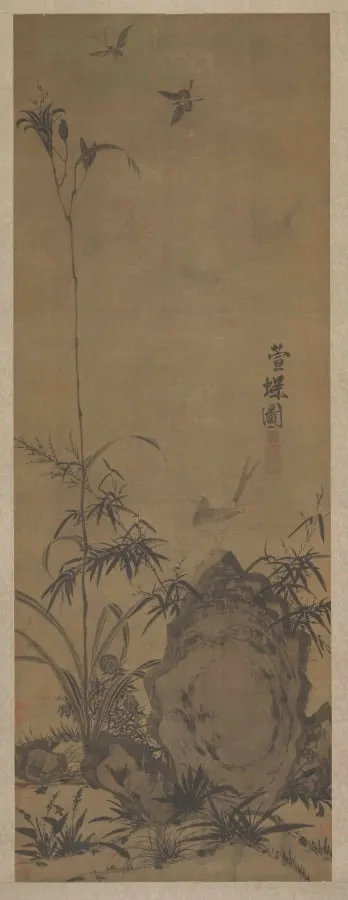
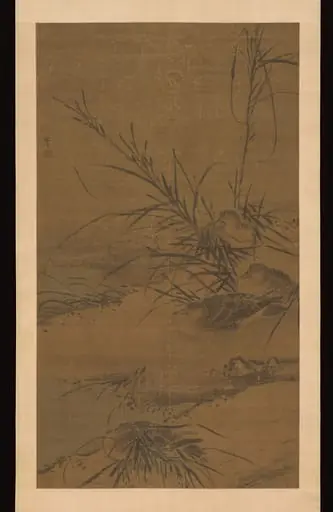
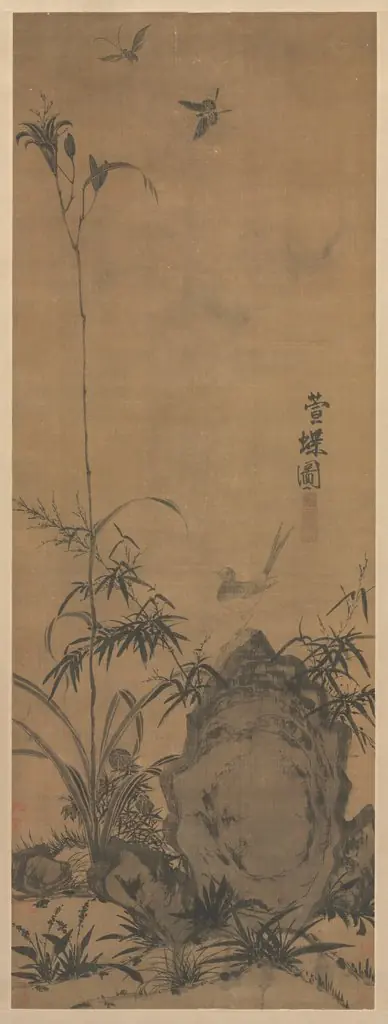
Lily and Butterflies is an unspecified painting by the Ming dynasty painting artist Liu Shanshou. It dates from 1304 and is held in the collection of the Cleveland Museum of Art. This painting depicts a Chinese wagtail perched on a rock beside a tall orange daylily, with butterflies hovering above.
About this work
The artist used light ink first, then darker strokes—almost like a sketch becoming a finished work.
A pale bird perches on a rock beside a tall orange lily, while butterflies flutter above. The leaves and petals curve like the bird’s tail feathers.
The artist used light ink first, then darker strokes—almost like a sketch becoming a finished work. The bird, a wagtail, was a symbol of brotherly love. The lily had medical uses, including easing pain during childbirth.
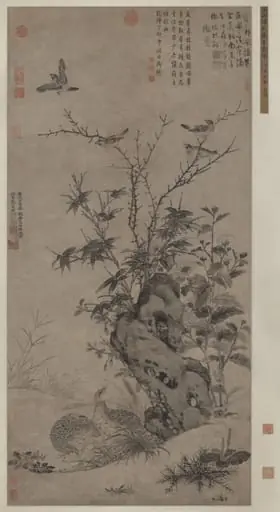
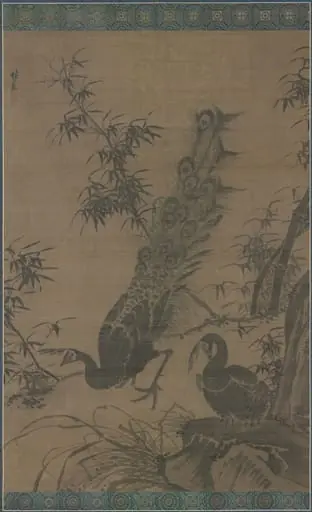
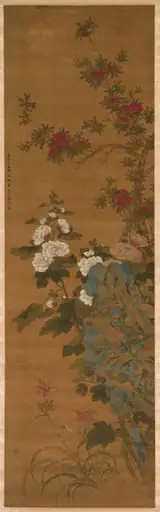
To see more paintings from this time, look up china, yuan dynasty (1271-1368).
Overview
This painting depicts a Chinese wagtail perched on a rock beside a tall orange daylily, with butterflies hovering above. The composition balances delicate natural forms with subtle ink gradations, suggesting a quiet moment in nature. The bird’s posture and the fluttering insects frame the lily as the central focus, reinforcing its symbolic weight within the scene.
Subject & Meaning
The daylily, traditionally associated with motherly love, serves as the painting’s emotional core. Butterflies lingering near its petals evoke a son’s devotion and longing for his mother, framing the image as an allegory of familial bonds. The wagtail, symbolizing brotherly affection, adds another layer of kinship, subtly connecting familial roles through avian and floral imagery.
Technique & Style
The artist employed a layered ink technique, beginning with faint, tentative strokes to outline forms before reinforcing them with darker, more defined lines. This method gives the rock and bird a sense of emerging from the paper, while the curved contours of the wagtail’s tail mirror the lily’s petals and bamboo leaves, creating visual harmony across disparate elements.
History & Provenance
The work originates from the Yuan dynasty (1271–1368), a period when literati painters increasingly infused natural subjects with Confucian and Daoist symbolism. Though its exact provenance is unrecorded, its themes align with scholarly traditions that used flora and fauna to express moral and emotional ideals, particularly those tied to family and filial piety.
Context
In Yuan-era China, botanical imagery often carried medicinal and spiritual associations. The daylily was used to ease childbirth pain and alleviate grief, while also being linked to fertility and the hope for male heirs. These cultural beliefs informed artistic representations, transforming the lily from a mere plant into a vessel for emotional and societal values.
Legacy
The painting exemplifies how Yuan artists merged natural observation with symbolic depth, influencing later traditions of ink painting. Its quiet symbolism—motherhood, devotion, and the interplay of life forms—remains resonant in East Asian art, where nature is never merely decorative but always imbued with human meaning.
Artist & collection