Artwork
Joseph Meissner
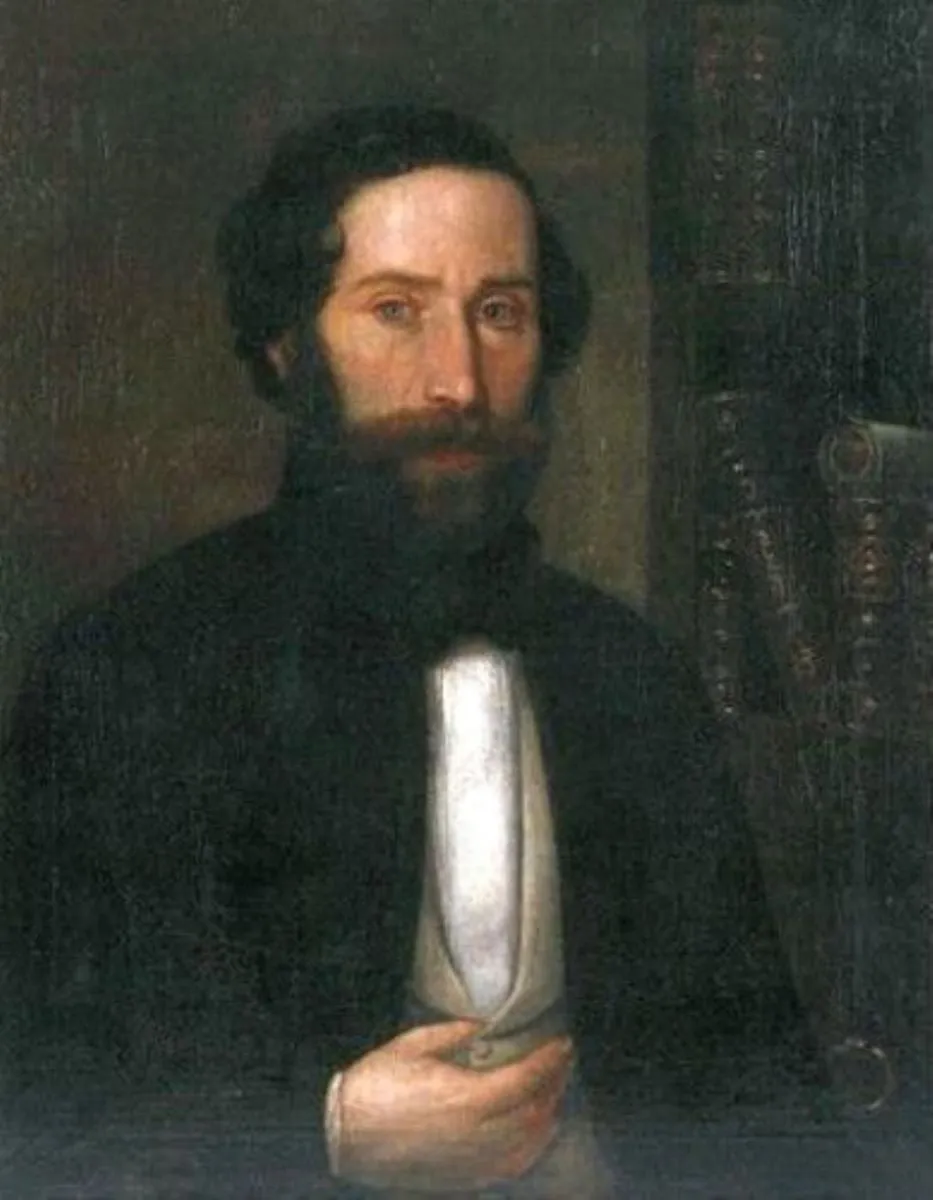
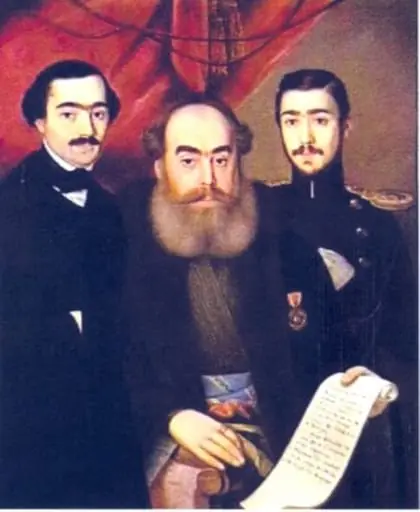
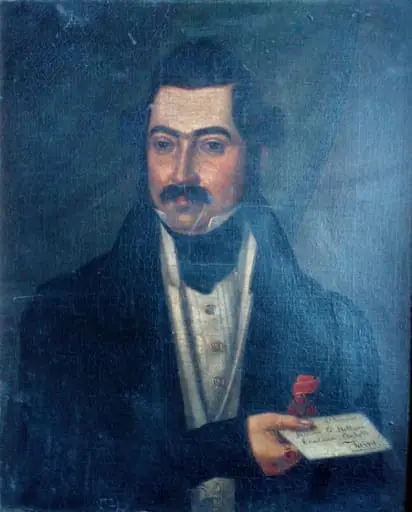
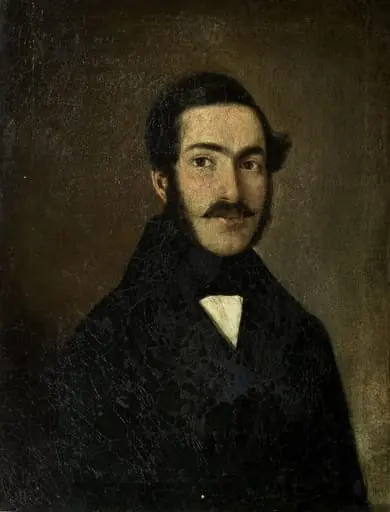
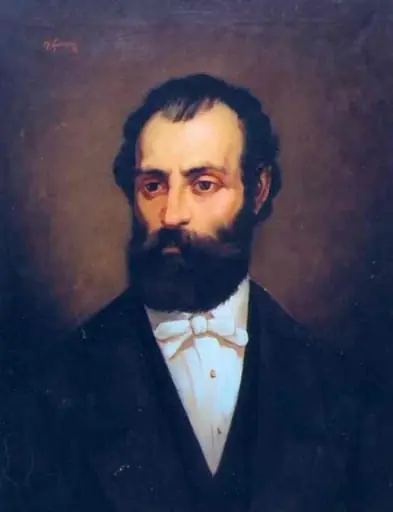
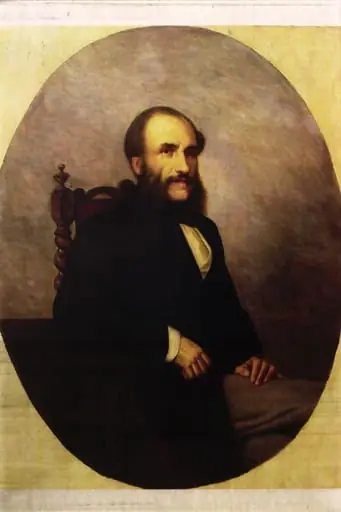
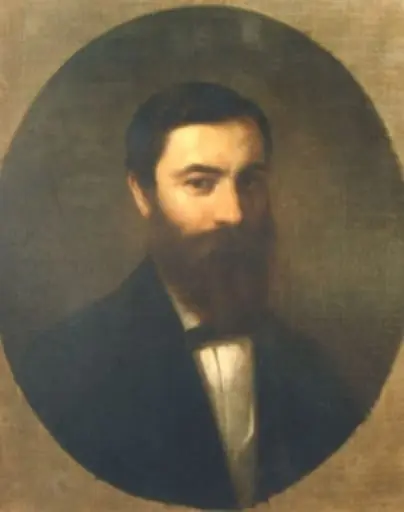
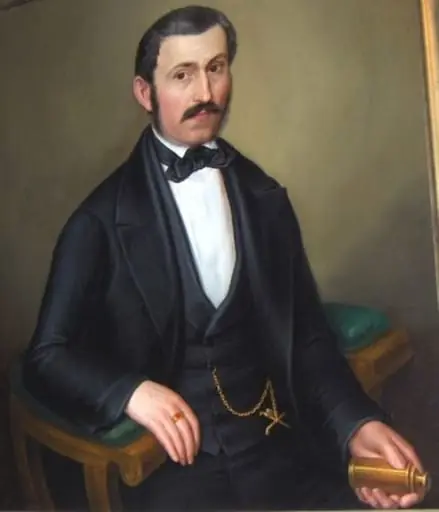
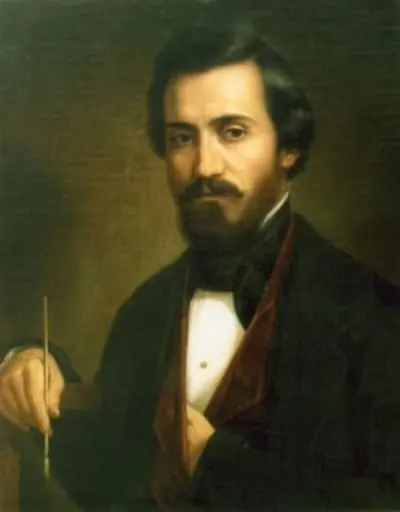
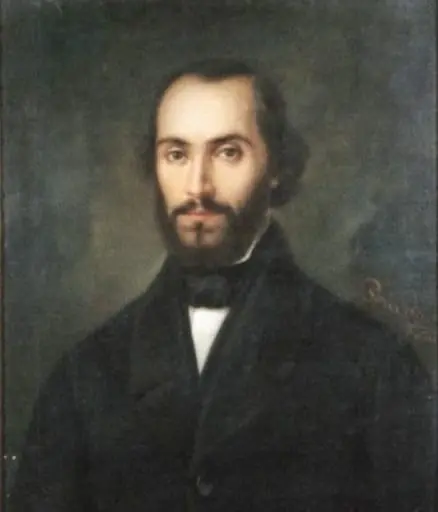
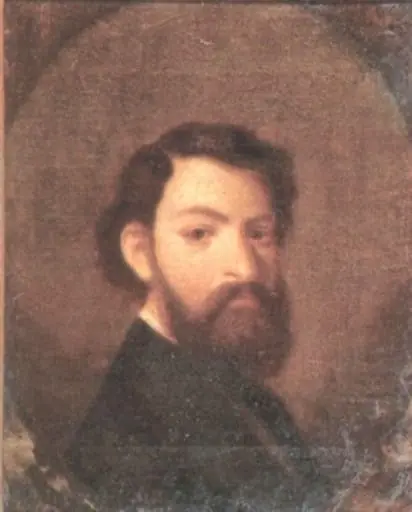
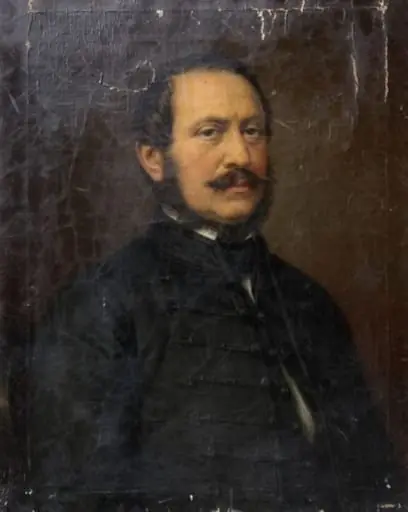
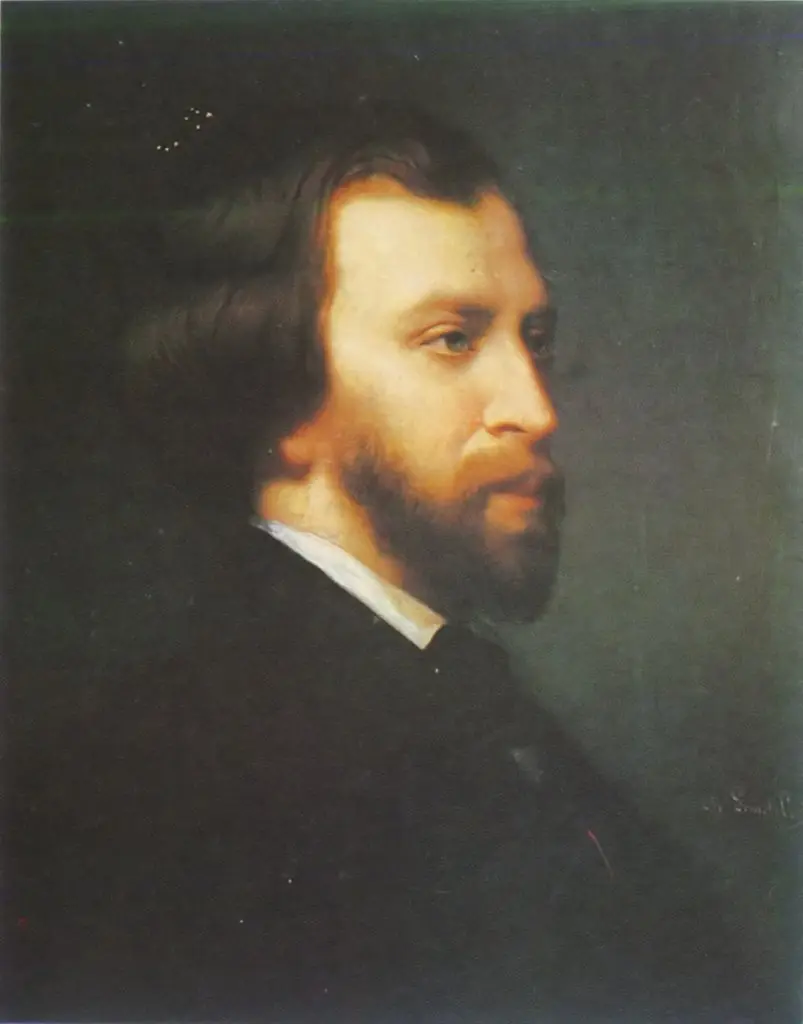
Joseph Meissner is an unspecified painting by Niccolo Livaditti. It is held in the collection of the Moldova National Museum Complex. The work presents a tightly framed, low‑key portrait of a bearded man.
About this work
Overview
The work presents a tightly framed, low‑key portrait of a bearded man. He wears a dark garment with a stark white, upright collar, and his hands appear at the lower edge, grasping a folded piece of cloth or paper. The background is uniformly shadowed, eliminating any surrounding detail and directing the viewer’s focus entirely onto the sitter’s face and expression.
Subject & Meaning
The figure is rendered with a pronounced beard and mustache, suggesting maturity or authority. The white collar, sharply contrasted against the black attire, may denote formality or a particular social role. The folded object in his hands could imply a document, letter, or ritual object, hinting at a narrative beyond the portrait’s immediate visual presence.
Technique & Style
The artist employs chiaroscuro, a method that exploits extreme contrasts between illuminated and obscured areas to model form. Deep shadows envelop the composition, while a narrow band of light isolates the facial features, creating a three‑dimensional effect. The close‑up perspective and limited palette reinforce the dramatic intensity typical of Baroque‑inspired portraiture.
Context
While the precise date and creator remain unidentified, the visual language aligns with European portrait traditions that favored stark lighting to convey character. Such compositions were often used for personal commemoration or to assert status, especially when the sitter’s identity or occupation was meant to be emphasized through visual cues rather than elaborate setting.
Artist & collection
Artist
Niccolò Livaditti’s portraits feel like overheard gossip from the 1840s Bucharest salons—he painted the men who ran the place, their wives in stiff silk gowns, and the sons who’d inherit it all.