Artwork
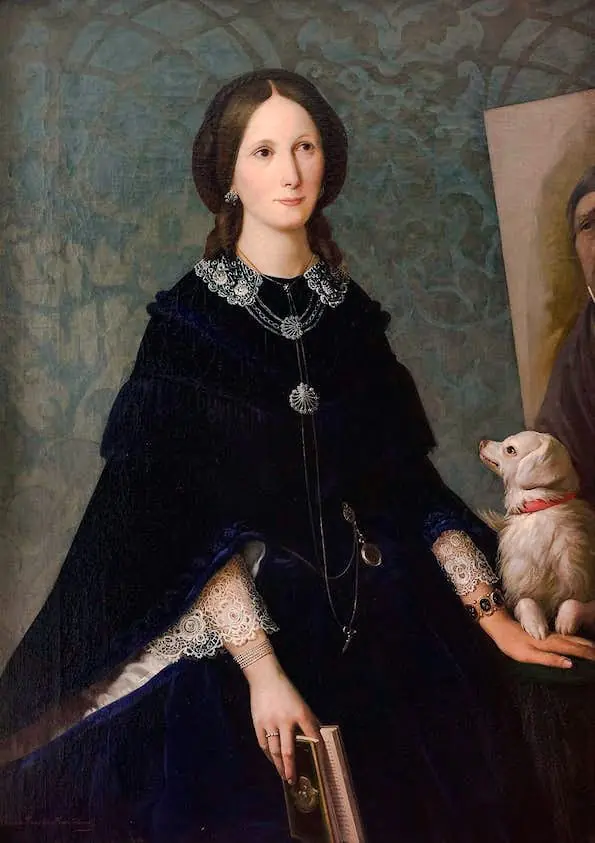
O doamnă lucrând
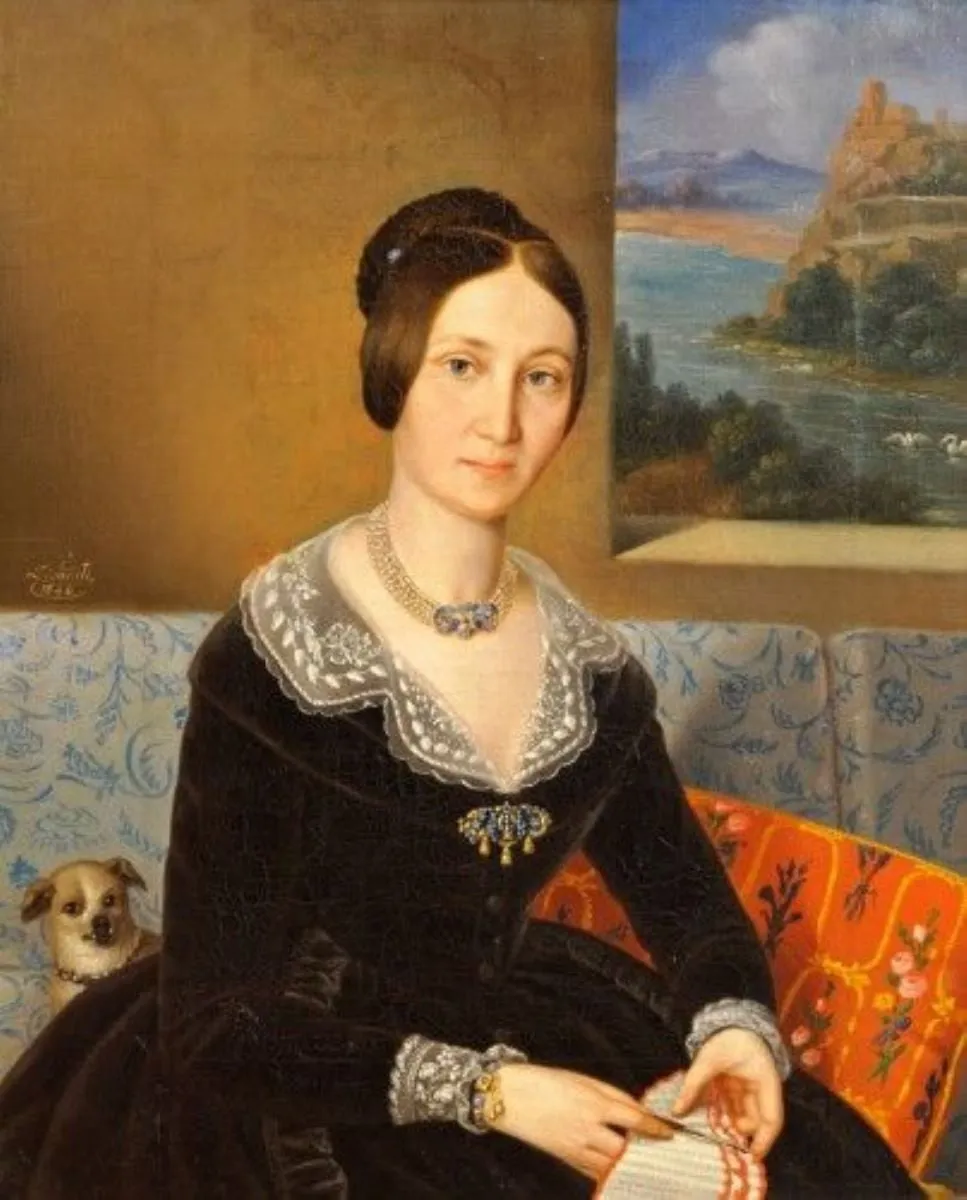
O doamnă lucrând is an unspecified painting by the Romanticist artist Niccolo Livaditti. It dates from 1846 and is held in the collection of the National Museum of Art of Romania.
About this work
Overview
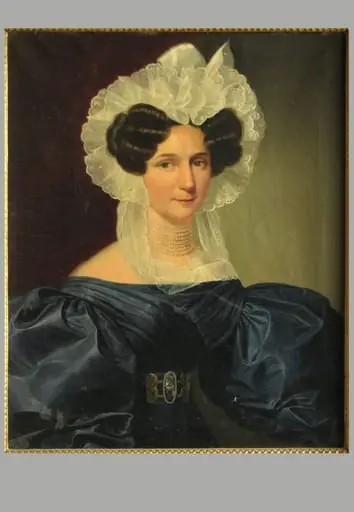
Painted in 1846 by Niccolo Livaditti, this portrait depicts a woman engaged in quiet domestic activity. The composition centers on her seated posture, framed by a richly patterned couch and a painted landscape backdrop. The scene balances intimacy with spatial depth, using subtle lighting to define form and atmosphere without theatricality.
Subject & Meaning
The woman, dressed in modest dark attire with lace trim and minimal jewelry, is shown holding a sheet of paper or small book, suggesting contemplation or quiet labor. Her calm demeanor and the presence of a small dog at her side convey a sense of private serenity. The scene avoids grandeur, instead emphasizing the dignity of everyday stillness within a domestic setting.
Technique & Style
Livaditti employs chiaroscuro to model the figure and furnishings, creating volume through soft transitions between light and shadow. The background landscape, rendered in muted tones, recedes visually to expand the sense of space. The texture of lace, fabric, and fur is rendered with restrained precision, avoiding excessive detail in favor of atmospheric harmony.
History & Provenance
Created in 1846, the painting originates from Livaditti’s period of active portraiture in the Danubian Principalities. Its early ownership is undocumented, but it remained within regional collections before entering institutional care. No significant alterations or repainting are recorded, preserving its original tonal balance and composition.
Context
In mid-19th-century Eastern Europe, portraiture often blended personal identity with cultural ideals of refinement. Livaditti’s work reflects this trend, merging Western academic techniques with local sensibilities. The inclusion of a painted interior landscape echoes a broader European practice of using backdrops to suggest status and cultivated taste.
Legacy
The painting stands as a quiet example of regional portraiture that resisted overt romanticism or sentimentality. It contributes to the understanding of how domestic themes were treated in Balkan art during a period of cultural transition. Its restrained aesthetic continues to inform scholarly views on non-elite visual culture in 19th-century Southeastern Europe.
Artist & collection
Artist
Niccolò Livaditti’s portraits feel like overheard gossip from the 1840s Bucharest salons—he painted the men who ran the place, their wives in stiff silk gowns, and the sons who’d inherit it all.

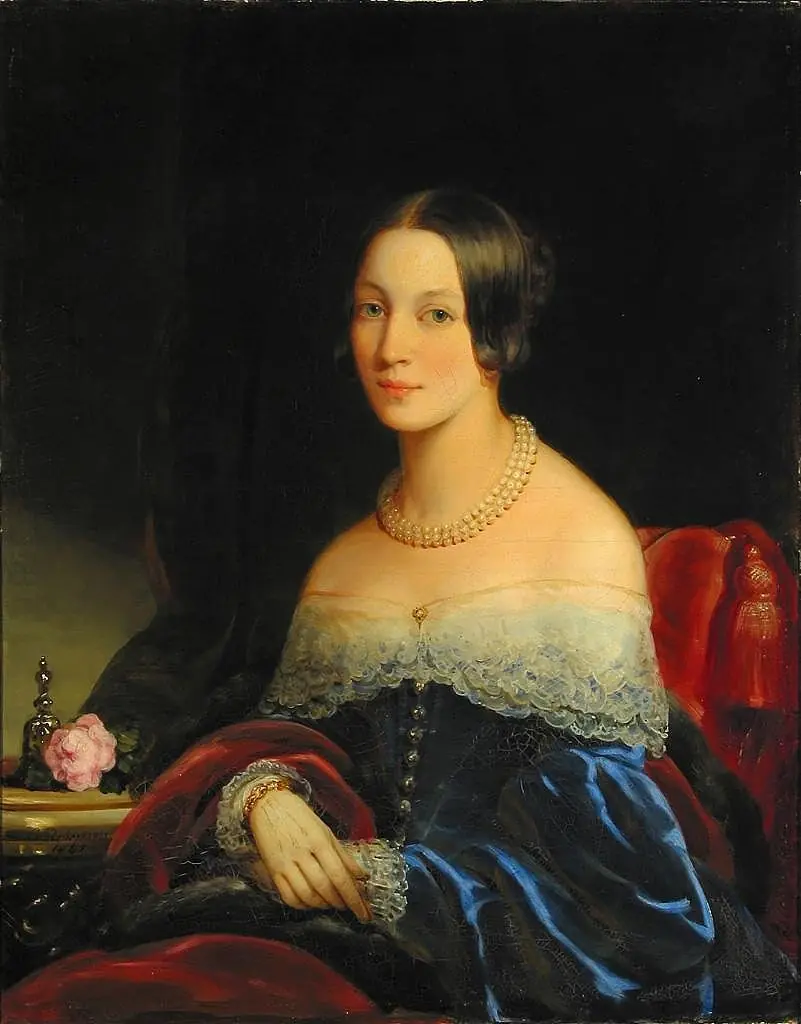 Portrait of Yulia F. Kurakina (1814-1881)
 Self-portrait
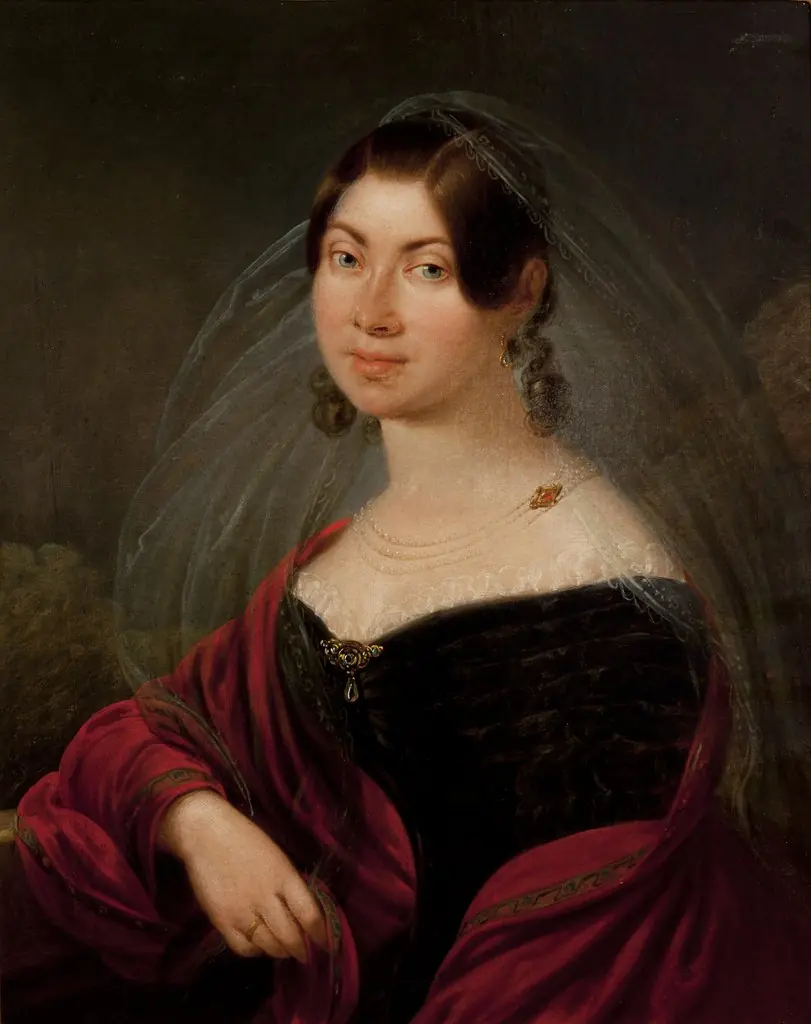 Portrait of Teresa Żebrawska née Hanowicz
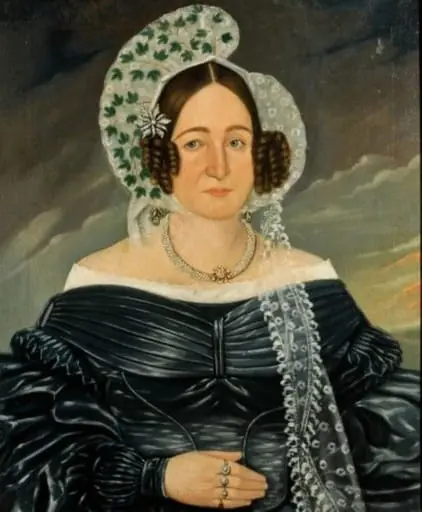 Portret de femeie
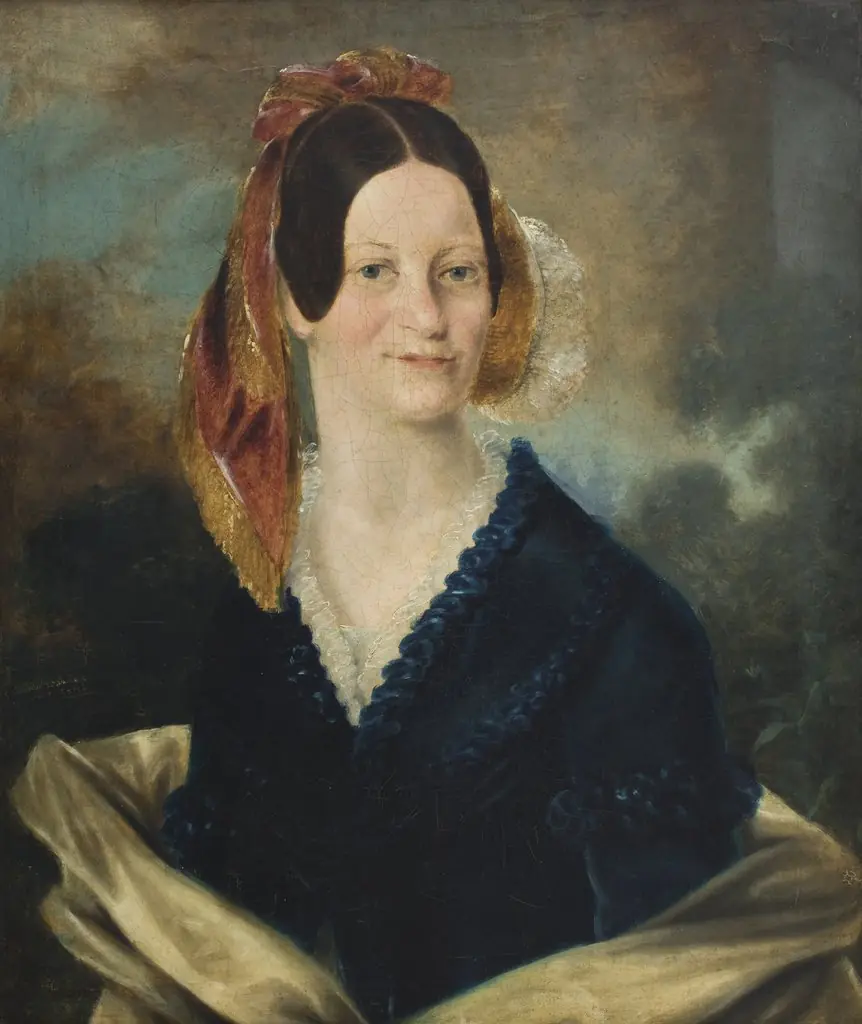 Portrait of Pristella Krasuska née Abraniecka
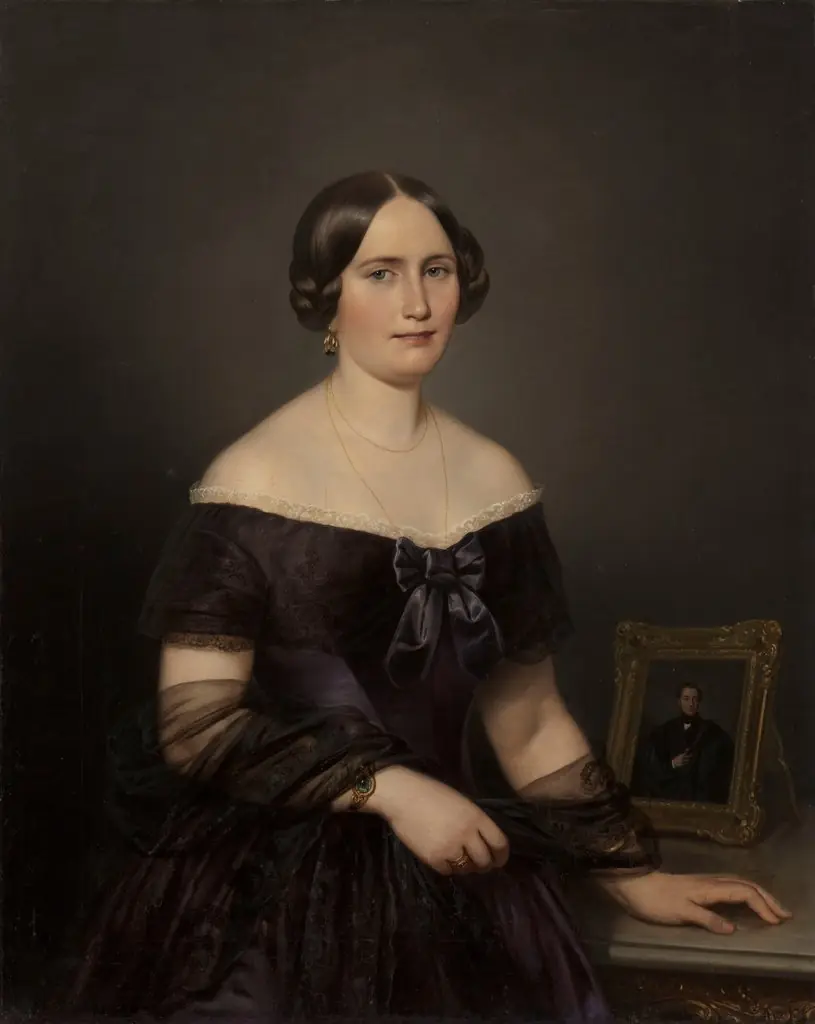 Ksenia Cavos
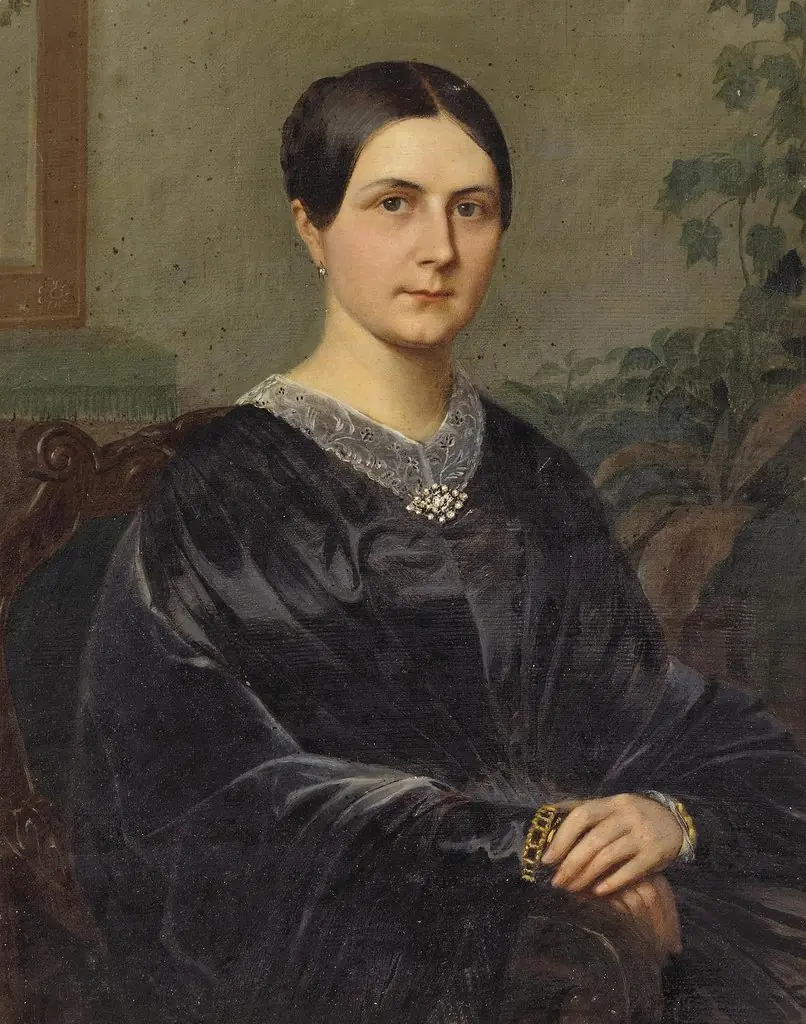 Portrait of Elizaveta Nikolaevna Odintsova
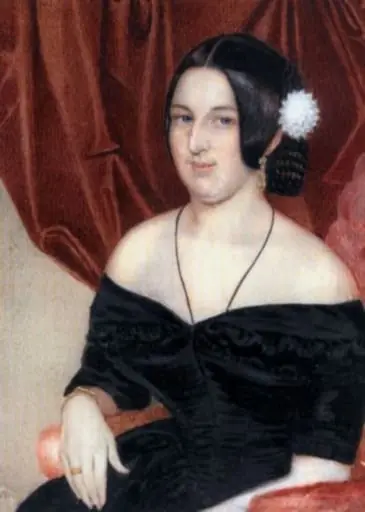 Haller Anna
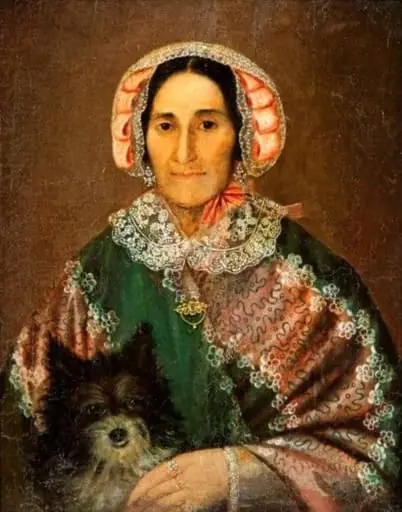 Portret de bătrână cu cățel
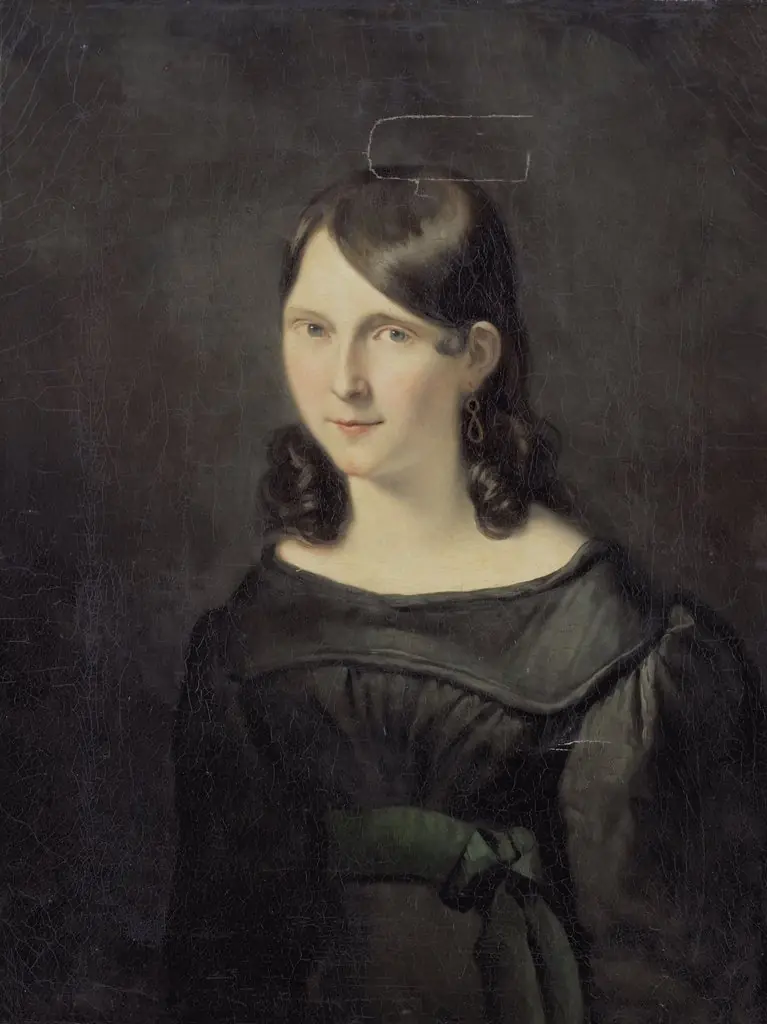 Portret van een meisje, vermoedelijk mejuffrouw Sligting
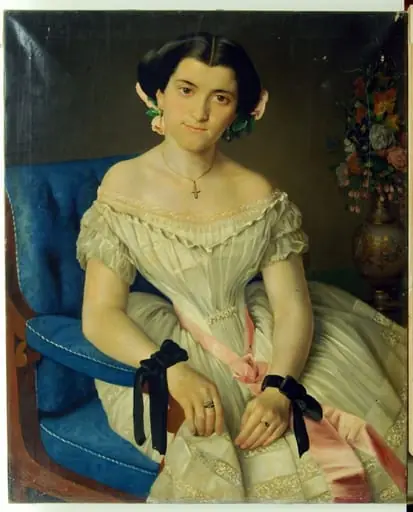 Portretul Alexandrinei Manu
 Maria Streidlin (în registrul inventar: Portret de femeie). Pandant: Portret de bărbat