Artwork
Four Men
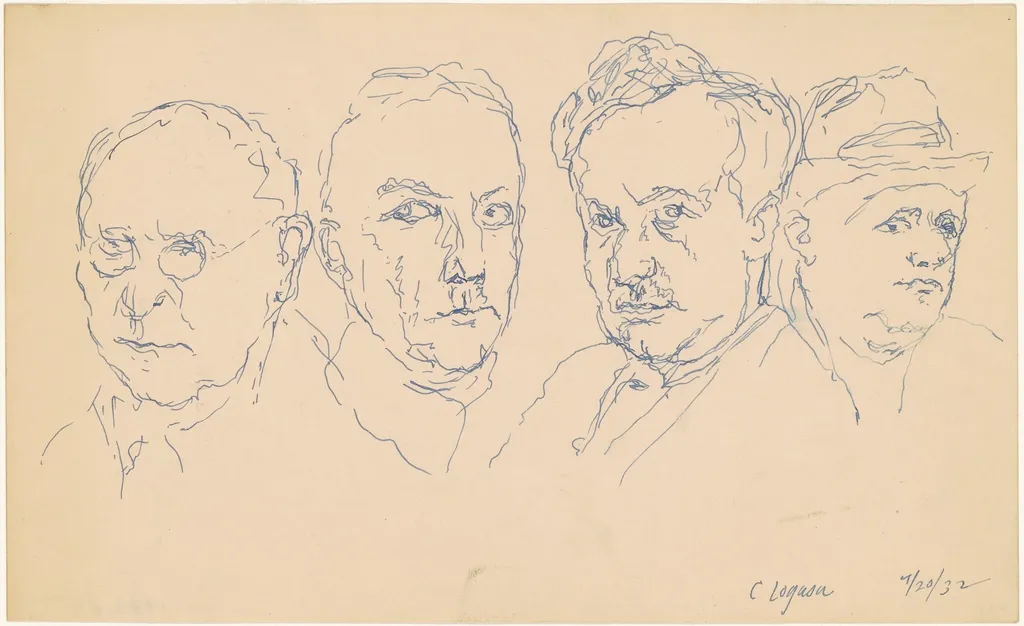
Four Men is an ink drawing by Charles Logasa. It dates from 1932 and is held in the collection of the National Gallery of Art.
About this work
Overview
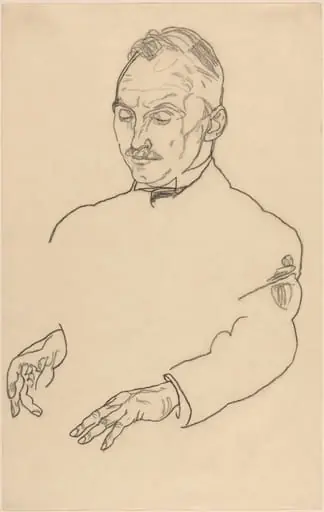
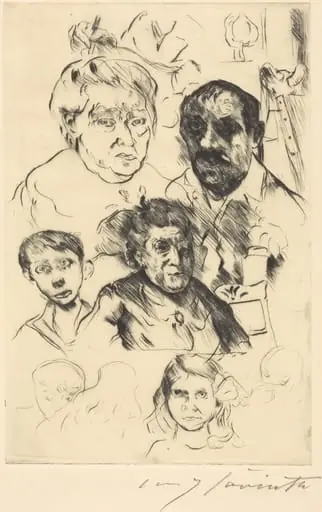
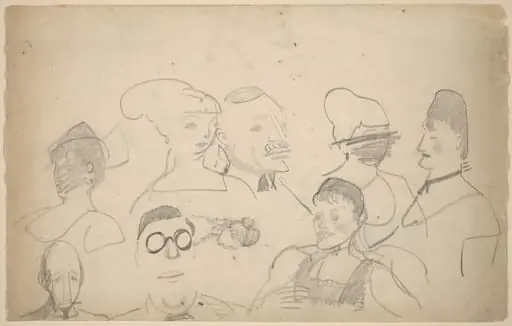
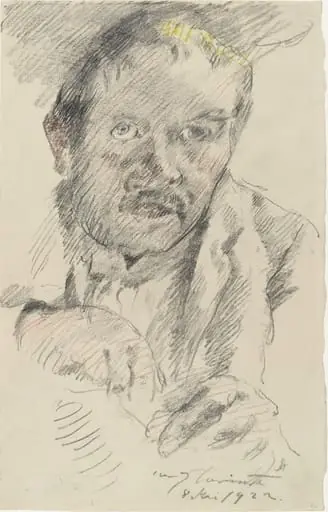
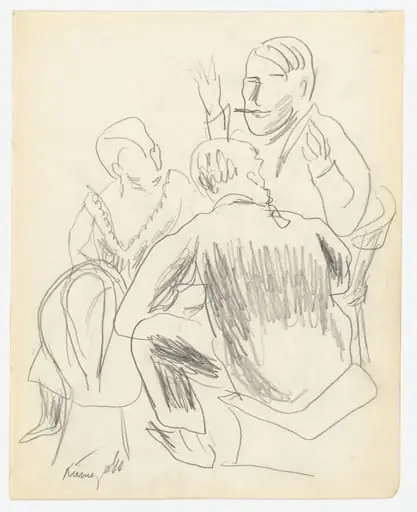
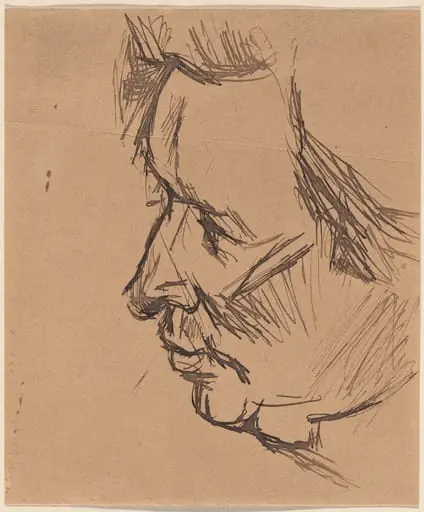
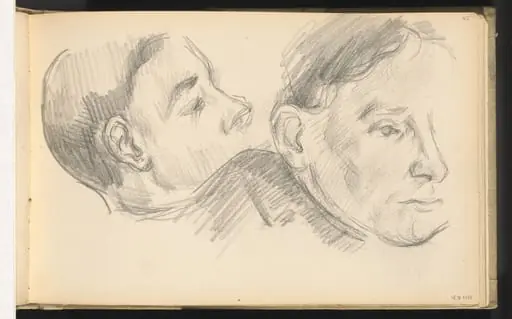
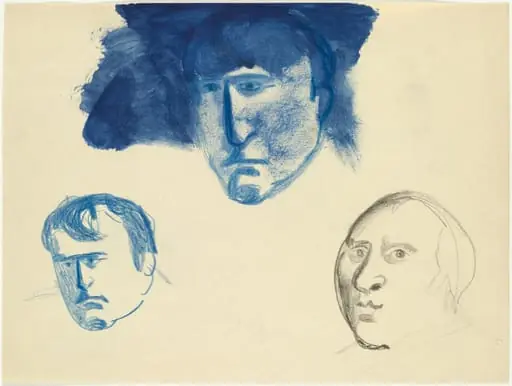
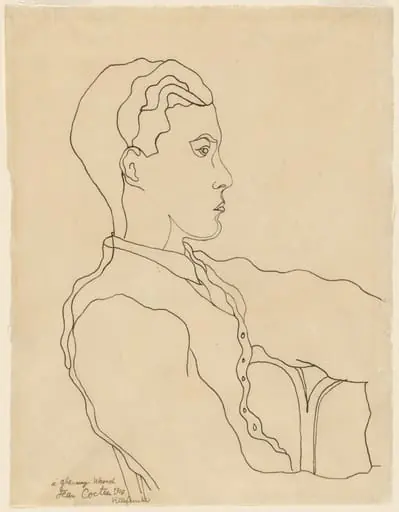
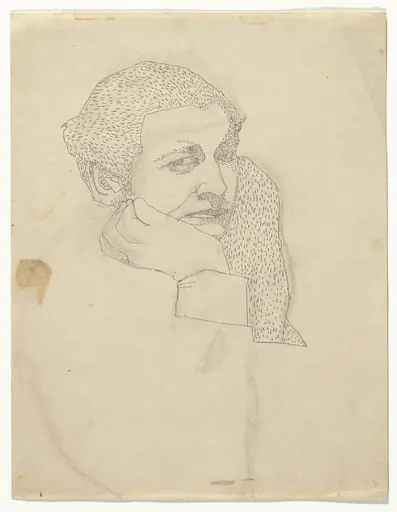
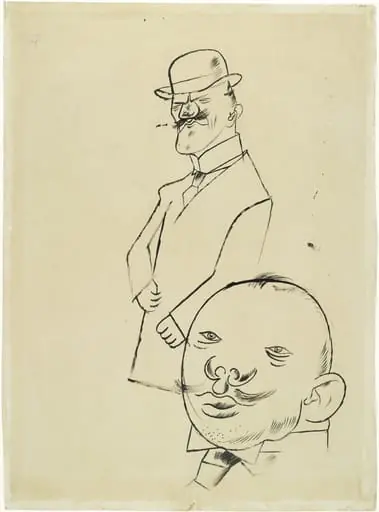
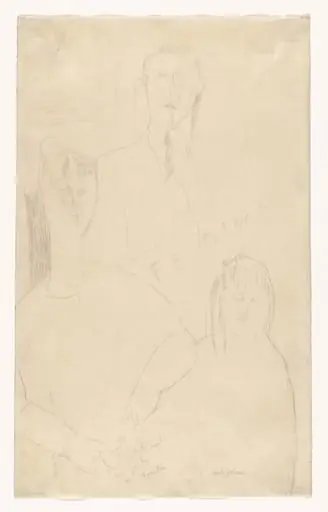
Charles Logasa’s 1932 drawing titled Four Men presents a modest composition of four figures rendered in pen and blue ink on wove paper. Set against a neutral beige field, each figure is shown in a three‑quarter profile, their gazes turned slightly to the right. The work’s restrained line work and limited palette focus attention on form rather than narrative detail.
Subject & Meaning
The drawing depicts four male figures with neutral expressions, offering no explicit story or emotional cue. By reducing the subjects to simple outlines, Logasa invites viewers to project their own interpretations onto the figures, emphasizing the universal qualities of presence and anonymity.
Technique & Style
Logasa employed a straightforward line drawing technique, using blue ink to introduce a subtle warmth to the monochrome scheme. The composition relies on clean contours and minimal shading, with occasional cross‑hatching to suggest volume without overt modeling. The overall style reflects a disciplined economy of line characteristic of early twentieth‑century draftsmanship.
History & Provenance
Created in 1932, Four Men is part of Logasa’s body of work from the interwar period, a time when he explored graphic media alongside painting. The drawing’s provenance traces to private collections before entering a museum holding focused on American modernist drawings.
Context
During the early 1930s, American artists often turned to drawing as a means of direct expression amid economic uncertainty. Logasa’s choice of pen and ink aligns with contemporary practices that favored immediacy and accessibility, allowing for rapid execution and intimate scale.
Artist & collection